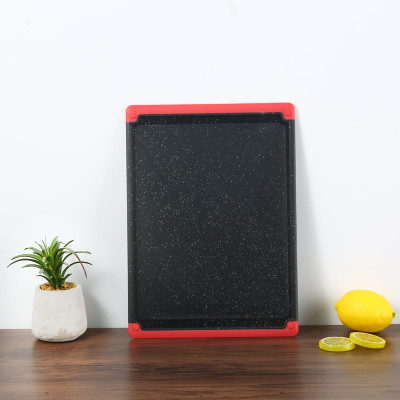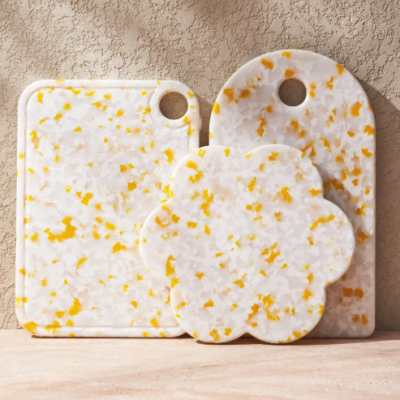
Key Advantages of PP Plastic Cutting Boards for Daily Cooking
What Makes Polypropylene (PP) Different from Other Cutting Board Materials?
When you are setting up a kitchen, the sheer number of cutting board options can be overwhelming. You have classic wood, trendy bamboo, heavy glass, and various plastics like HDPE and PP. As a manufacturer with 29 years of experience crafting kitchen solutions, I can tell you that PP (Polypropylene) occupies a unique sweet spot for everyday cooking. It isn't just "plastic"; it is a high-grade, food-safe material engineered for the modern home.
Unlike wood, which requires regular oiling and can absorb bacteria, or glass, which will ruin your expensive knives in seconds, PP offers a balanced performance. It is the "warm guardian" of the kitchen—tough enough to withstand daily chopping but gentle enough to preserve your blade edges.
Material Showdown: PP vs. Common Alternatives
Sample Content
| Material | Key Characteristics | Maintenance Level | Knife Friendliness |
| PP (Polypropylene) | Lightweight, non-porous, heat-resistant, durable. | Low (Dishwasher Safe) | High |
| Wood | Aesthetic, heavy, porous (absorbs liquids). | High (Needs Oiling) | High |
| Bamboo | Harder than wood, eco-friendly, prone to splintering. | Medium | Medium |
Glass | Non-porous, easy to clean, extremely hard. | Low | Low (Dulls Knives) |
HDPE | Similar to PP but often softer and heavier. | Low | High |
Why PP Stands Out
The real magic of a food grade PP board lies in its versatility. Through high-precision injection molding, we can create boards that are incredibly lightweight yet tough.
Non-Porous Surface: Unlike organic materials, PP does not absorb meat juices or odors, making it a hygienic kitchen cutting board.
Heat Resistance: It handles high temperatures better than standard PE, meaning it is safe for the dishwasher without warping.
Customizable: We can engineer these boards with anti-slip TPE edges and integrate specific functions like grinding areas or juice grooves, features that are difficult to achieve with wood or stone.
Top Advantages of PP Plastic Cutting Boards
When we talk about equipping a modern kitchen, whether for a busy restaurant or a family home, the material of your cutting board matters more than you might think. As manufacturers with 29 years of experience, we have seen firsthand why Polypropylene (PP) has become the gold standard for everyday cooking. It offers a balance of safety, durability, and ease of use that other materials simply struggle to match. Here is why a high-quality PP board is often the smartest choice for your countertop.
Superior Hygiene and Food Safety
The primary concern in any kitchen is safety, specifically preventing cross-contamination. A non-porous chopping board made from high-grade PP is your first line of defense. Unlike wood, which can absorb meat juices and bacteria into its grain, PP provides a sealed surface that repels liquids. This makes it the ideal surface for handling high-risk foods like raw poultry, meat, and seafood.
For those preparing meals for vulnerable family members, such as baby food, hygiene is non-negotiable. Many of our premium boards go a step further by integrating advanced antibacterial technology. This innovation helps inhibit bacterial growth on the surface, acting as a "warm guardian" for your family's health. Because the material doesn't trap particles, you can be confident that a thorough wash truly cleans the board.
Gentle on Knives for Long-Term Performance
If you have invested in quality cutlery, the last thing you want is a board that dulls your blades. Glass and stone boards are notoriously hard surfaces that can ruin a knife's edge in a single session. A knife-friendly cutting surface made from PP strikes the perfect balance; it is hard enough to withstand vigorous chopping but soft enough to "give" slightly under the blade. This distinct texture preserves the sharpness of your knives for longer, delivering a smooth and satisfying cutting experience without the excessive wear and tear associated with harder materials.
Exceptional Durability and Longevity
We utilize high-end injection molding processes, employing precision machinery like Haitian molding machines, to ensure every board has superior structural integrity. A durable plastic chopping board engineered this way resists the common pitfalls of cheaper plastics, such as warping, cracking, or deep staining. Even with heavy daily use, a well-manufactured PP board maintains its shape and flat surface. This resilience is a result of expert kitchen plastic cutting board manufacturing, where we control the density and quality of the material to ensure it stands up to years of slicing and dicing.
Low-Maintenance Convenience for Busy Kitchens
In a fast-paced kitchen, nobody has time for the high-maintenance rituals required by wood boards, such as oiling or waxing. One of the biggest Polypropylene cutting board benefits is convenience. These boards are designed for the modern lifestyle—most are completely dishwasher safe cutting boards, allowing for high-heat sanitization without effort.
Beyond cleaning, we also focus on stability. Safety during use is critical, which is why many of our designs feature anti-slip cutting board edges made from TPE or silicone. These grips prevent the board from sliding across wet countertops, a common hazard with standard plastic sheets. This combination of easy cleaning and stable handling makes PP boards the most practical tool for daily meal prep.
Affordability and Practical Value
Finally, PP boards offer exceptional value. They provide professional-grade performance at a fraction of the cost of premium hardwoods. For wholesalers and retailers, this cost-effectiveness, combined with the material's longevity and safety features, makes PP cutting boards a staple product that delivers consistent satisfaction to the end-user. You get a board that is lightweight, tough, and safe, without the premium price tag of high-maintenance alternatives.
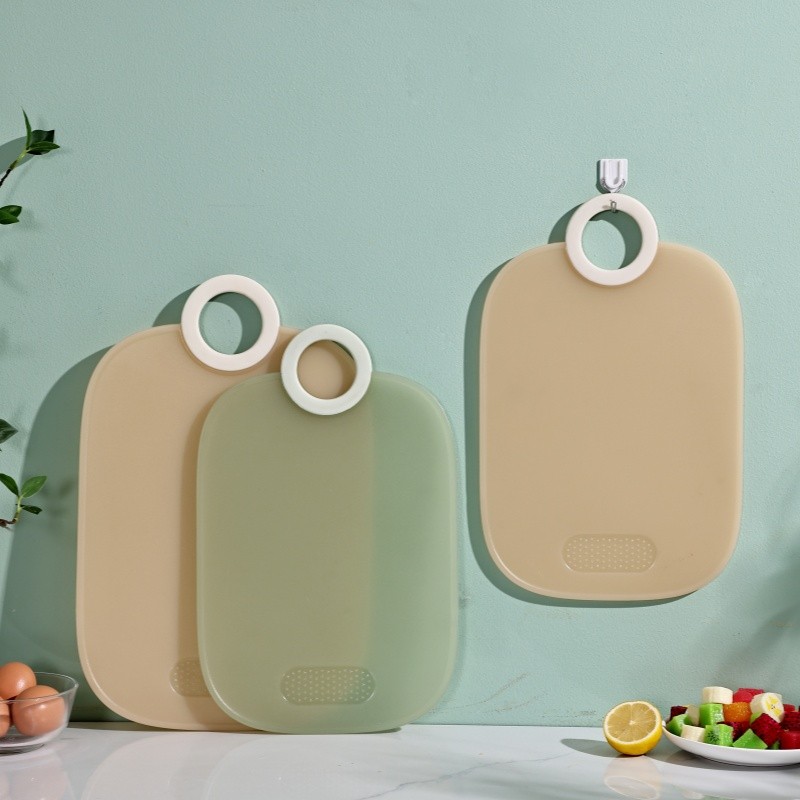
PP vs. Wood Cutting Boards: A Side-by-Side Comparison
When choosing the right tool for your kitchen, the plastic vs wood cutting board debate often comes down to a battle between tradition and practicality. While wood offers a classic aesthetic, Polypropylene (PP) boards are engineered for the reality of modern, busy cooking environments. We have broken down the key differences to help you decide which material belongs on your countertop.
Comparison Table: PP Plastic vs. Wood
| Feature | PP Plastic Cutting Board | Wood Cutting Board |
Hygiene | Non-porous surface; resists bacteria and juice absorption. | Porous; can absorb liquids and harbor bacteria deep in the grain. |
Sanitation | Dishwasher safe; supports high-heat sanitization. | Hand wash only; cannot withstand dishwasher heat or soaking. |
| Maintenance | Zero maintenance; no oiling or sanding required. | High maintenance; requires regular mineral oil application to prevent cracking. |
Durability | Resists warping, cracking, and rotting even when wet. | Prone to warping, splitting, and mold if exposed to moisture. |
| Weight | Lightweight and easy to maneuver or store. | Heavy and bulky; difficult to move around the kitchen. |
| Cost | Affordable and cost-effective. | Generally expensive, especially for hardwoods like maple or walnut. |
Hygiene and Sanitation Analysis
The biggest advantage of PP over wood is surface integrity. Wood is naturally porous, meaning juices from raw chicken or beef can seep into the fibers, creating a breeding ground for bacteria that is hard to clean. In contrast, our ChopAid plastic chopping boards feature a non-porous surface that repels liquids completely. This makes them the superior hygienic kitchen cutting board choice for handling raw proteins and messy ingredients, ensuring that a quick wash removes potential contaminants effectively.
Maintenance and Everyday Durability
Realistically, most home cooks do not have the time to oil and condition their boards weekly. Wood demands attention; if you leave it wet, it warps. If it dries out, it cracks. PP boards are built for "grab-and-go" efficiency. You can use them, rinse them, or throw them in the dishwasher without worrying about structural damage. For added safety, many of our antibacterial plastic cutting boards also include non-slip feet and juice grooves, features that are often difficult or expensive to maintain in wooden alternatives.
The Verdict for Home Cooks
While a heavy wooden block might look nice on a counter, a high-quality PP board is the practical winner for everyday meal prep. It offers the best balance of knife-friendliness, sanitation, and ease of use. For a kitchen that prioritizes health and convenience, PP is the clear choice.
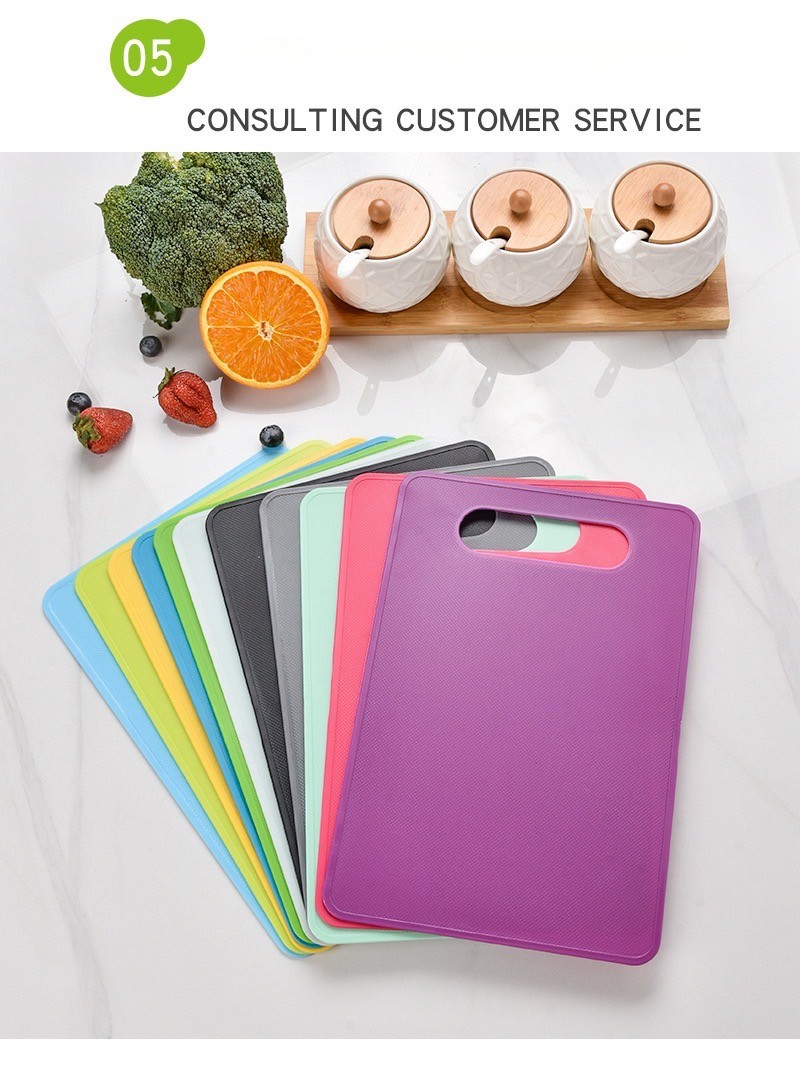
Pro Tips: Using Color-Coded PP Boards to Prevent Cross-Contamination
One of the smartest ways to upgrade kitchen safety is borrowing a trick from professional chefs: color coding. In commercial kitchens, we strictly separate boards by food type to stop bacteria from raw meat jumping onto your fresh salad. This is cross contamination prevention 101. Polypropylene (PP) is the ideal material for this system because it can be manufactured in vibrant, distinct colors that don't fade over time.
Standard Professional Color System:
Red: Raw meat (beef, pork).
Yellow: Raw poultry (chicken, turkey).
Green: Vegetables and fruits.
Blue: Seafood.
White: Dairy, bread, or cheese.
For home cooks, you don't need a massive industrial stack, but adopting a simplified version makes a huge difference for a hygienic kitchen cutting board setup. We recommend keeping at least two distinct boards: one strictly for raw proteins and another for produce. Our Custom Dopamine Family Series Non-Slip Chopping Boards are perfect for this, offering distinct visual cues to keep your prep organized. Using color coded cutting boards ensures that the garlic you chop for dinner doesn't taste like the strawberries you slice for dessert, while keeping dangerous pathogens exactly where they belong—away from your ready-to-eat foods.
Care and Maintenance Best Practices
One of the biggest selling points of a PP plastic cutting board is how little fuss it requires compared to high-maintenance materials like wood. As a manufacturer committed to creating the "warm guardian" of your kitchen, we design our boards to withstand the rigors of daily cooking while keeping maintenance efforts low. However, a few simple habits can significantly extend the life of your board and ensure it remains a hygienic kitchen cutting board for years to come.
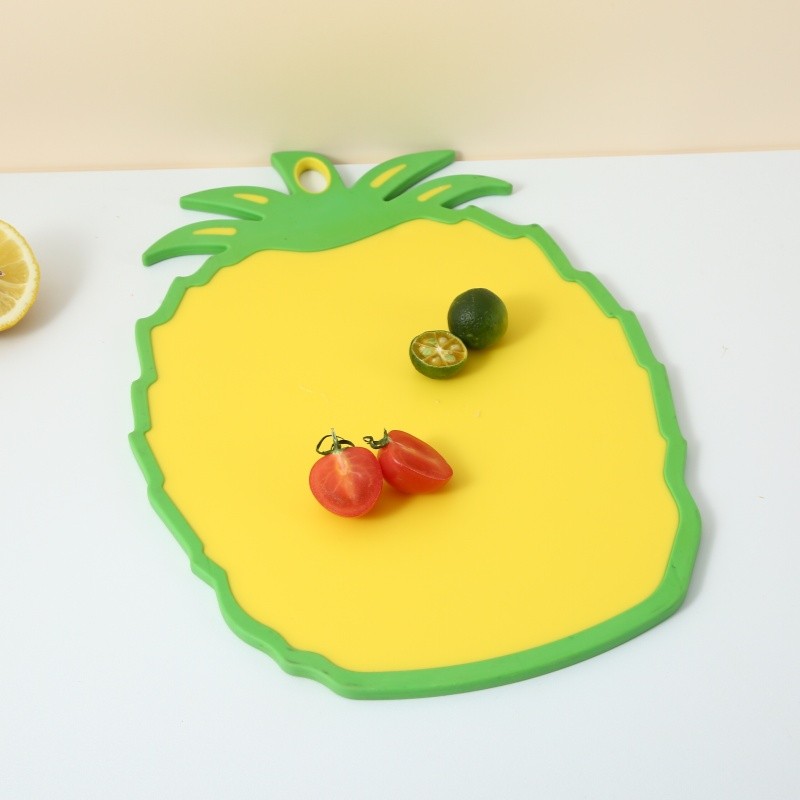
Daily Cleaning and Dishwasher Guidelines
The non-porous nature of Polypropylene (PP) makes it an incredibly easy clean kitchen board. For most everyday tasks like chopping veggies or slicing bread, a quick scrub with hot, soapy water is sufficient to remove food residue.
For raw meat or poultry prep, sanitation is critical. Fortunately, high-quality PP is heat resistant.
Dishwasher Safety: Most of our PP boards are designed to be a dishwasher safe cutting board. You can place them on the top rack of your dishwasher to let the high heat and detergent do the heavy lifting, ensuring a deep clean that kills bacteria.
Stain Removal: If you encounter stubborn stains from ingredients like turmeric or beets, a paste of baking soda and water or a quick wipe with white vinegar usually restores the board's pristine look.
For a more detailed breakdown on keeping your surfaces pristine, check out our guide on how to care for your cutting board for hygiene and longevity.
Proper Storage to Maximize Lifespan
How you store your board is just as important as how you clean it. Moisture is the enemy of hygiene in any kitchen environment.
Air Dry Vertically: After washing, always let your board dry completely before putting it away. Storing it vertically in a rack allows air to circulate on both sides, preventing moisture buildup that could lead to mold or odors.
Avoid Excessive Heat: While PP is heat resistant, avoid leaving the board directly on a hot stove burner or exposing it to open flames, as this can cause warping or melting.
Signs It's Time for a Replacement
Even a durable plastic chopping board eventually reaches the end of its lifecycle. While our boards are engineered to resist deep scarring, years of heavy knife work will naturally take a toll. You should consider replacing your board if:
Deep Grooves: The surface has deep, jagged cuts that are difficult to clean. These grooves can harbor bacteria that a dishwasher spray arm might not reach.
Warping: The board no longer sits flat on the counter, making it unstable and unsafe to use.
Persistent Stains or Odors: If the board retains smells or discoloration despite deep cleaning, the surface integrity may be compromised.
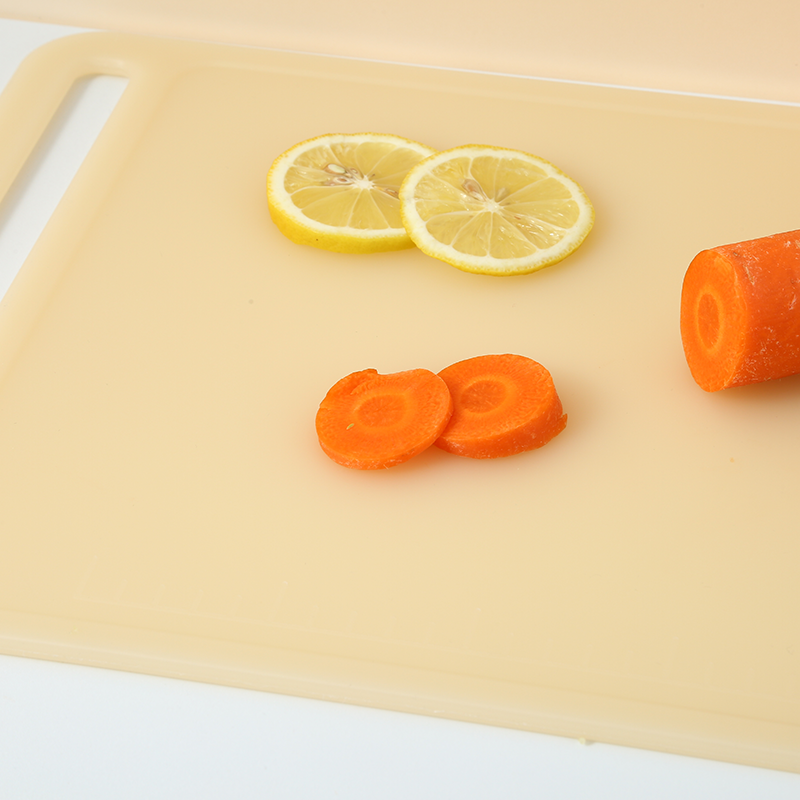
Choosing the Right PP Cutting Board for Your Kitchen
Not all plastic boards are created equal. When selecting a PP plastic cutting board for your home or retail inventory, looking beyond the price tag is essential to ensure safety and longevity. The difference between a flimsy sheet and a reliable kitchen tool often comes down to manufacturing precision and material quality.
Here are the critical factors to check before you buy:
Thickness and Density: Avoid thin sheets that warp in the dishwasher. Look for high-density boards, ideally with substantial thickness (often 10mm or more), to ensure the board remains flat and provides a stable chopping block that resists deep knife grooves.
Anti-Slip Features: A board that slides on a wet countertop is a major safety hazard. We integrate non-slip TPE or silicone edges into our designs to ensure the board stays locked in place during vigorous chopping.
Antibacterial Technology: For the highest level of food safety, choose boards infused with antimicrobial agents rather than just standard plastic. We prioritize researching antibacterial additive effectiveness to create surfaces that actively inhibit bacterial growth, offering a "warm guardian" for family health.
Food-Grade Certification: Always verify that the board is made from certified food-safe materials like high-quality PP or Wheat Straw blends to prevent chemical leaching.
Manufacturing expertise makes a massive difference in performance. We leverage high-end injection molding machines and over 20 patented designs to produce durable plastic boards that combine structural integrity with smart functionality. Whether you need a built-in juice groove or a specific texture, choosing a manufacturer with a proven track record ensures you get a product built to handle the demands of everyday cooking.
Frequently Asked Questions About PP Cutting Boards
Are PP plastic cutting boards safe for food?
Absolutely. High-quality food-grade PP (Polypropylene) is non-porous, meaning it doesn't absorb juices or bacteria like some natural materials can. At ChopAid, we elevate this safety standard by integrating advanced antibacterial technology into our materials. This provides a "warm guardian" effect in your kitchen, actively working to prevent hygiene issues during everyday meal prep.
Do plastic cutting boards dull knives faster than wood?
Not when they are engineered correctly. Our PP boards are designed with a balanced surface hardness—tough enough to resist deep gouges, yet yielding enough to be knife-friendly. Unlike glass or stone boards which destroy edges immediately, a quality PP surface preserves your blade's sharpness while delivering a satisfying cutting feel.
Can PP cutting boards go in the dishwasher?
Yes, this is one of their biggest advantages over wood. Most PP boards, including our versatile PP non-slip plastic cutting board sets, are heat-resistant and dishwasher safe. This makes cleanup effortless and ensures high-temperature sanitization, which is critical after handling raw meats.
How long do PP cutting boards typically last?
With proper care, they are incredibly durable. We utilize high-end Haitian injection molding machines to create boards with superior structural integrity. This manufacturing precision means our boards resist warping, cracking, and peeling, serving as a reliable tool in your kitchen for years.
What's the difference between PP and HDPE cutting boards?
Both are excellent, food-safe plastics, but they serve slightly different needs. PP is lightweight, has high heat resistance, and is great for general home use. HDPE (High-Density Polyethylene) is slightly denser and often favored for heavy-duty commercial tasks. We manufacture both types, including wholesale HDPE plastic cutting boards, allowing you to choose the density that fits your specific cooking volume.
If you have interested in any cutting board, please feel free to contact sales@chopaid.com at any time