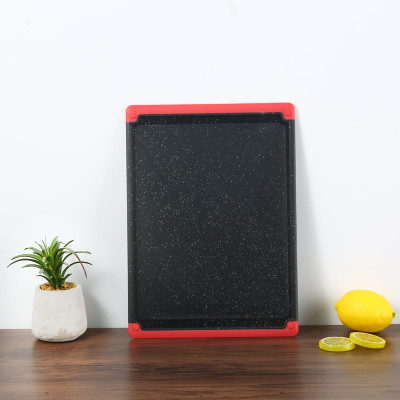
What Makes White Plastic Cutting Boards Ideal for High Volume Prep
Running a busy kitchen and wondering why so many pros swear by white plastic cutting boards for high-volume food prep?
You're not alone.
In fast-paced restaurants, catering operations, and commissary kitchens, the right cutting surface isn't just a convenience—it's a food safety, efficiency, and cost-control decision.
That's exactly where white HDPE cutting boards shine.
They're non-porous, HACCP-friendly, and built to handle constant chopping, washing, and sanitizing without warping. The white color makes residue, stains, and debris easy to spot, supports color-coded systems, and keeps your prep line looking clean and professional—something health inspectors notice instantly.
In this guide, you'll see why white plastic cutting boards have become the industry standard for commercial kitchen cutting boards, how they protect your knives and your margins, and where a manufacturer like Chopaid fits into a serious high-volume setup.
Let's get straight into what actually matters on a busy prep line.
Why White Plastic Cutting Boards Matter in High-Volume Prep
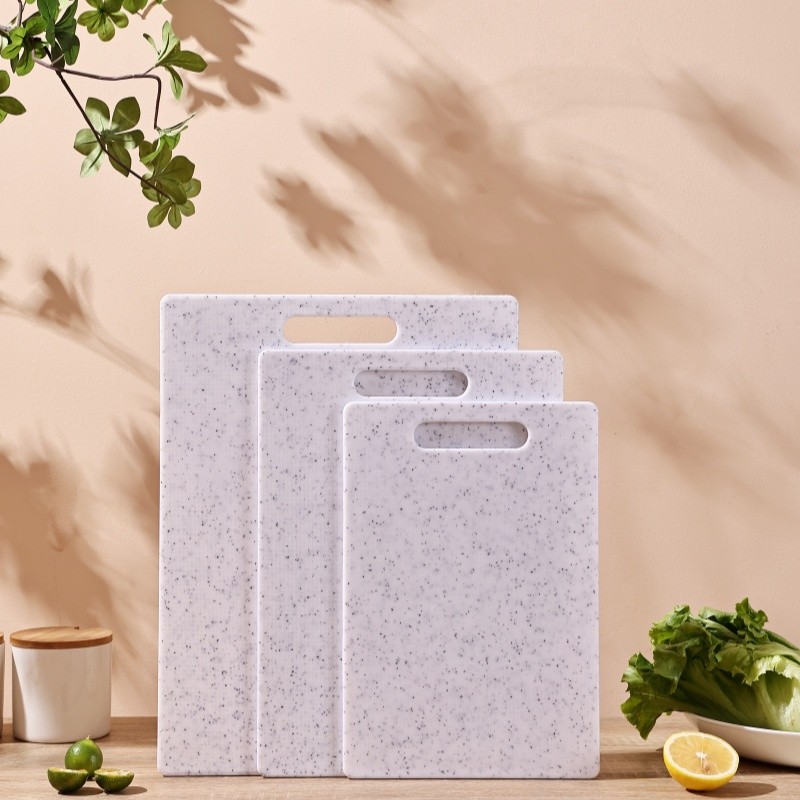
If you're running a busy line, you don't have time to baby your gear. Your cutting boards have to be sanitary, durable, and inspection-proof—or they're just a liability. That's exactly where white plastic cutting boards, especially HDPE cutting boards, shine in high-volume food prep.
In real restaurant and commercial kitchens, white commercial kitchen cutting boards solve everyday problems:
Food safety and hygiene: The non-porous cutting surface on HDPE doesn't soak up blood, dairy, or juice the way cheaper plastics or soft wood can. That means less hidden bacteria and easier HACCP-compliant workflows.
Durability under pressure: These commercial grade HDPE boards take constant chopping, stacking, and dishwashing without splitting or soaking. You get a durable plastic chopping board that can handle prep for banquets, cafeterias, and busy dinner rushes.
Passing inspections: Health inspectors in the global want to see sanitary cutting boards that are smooth, clean, and easy to sanitize. White boards make wear, stains, and deep grooves obvious, so you know when to resurface or replace before an inspector calls it out.
Fitting modern workflows: In today's high-volume kitchens, white HDPE cutting boards usually sit at:
Dairy prep stations (cheese, cream, yogurt)
Bakery and bread lines (dough, loaves, pastries)
Cold prep tables for general slicing and portioning
Backup boards in color coded cutting board systems
As a commercial plastic cutting board manufacturer (Chopaid), I design these restaurant cutting boards specifically for high-volume environments: non-slip textures, knife-friendly surfaces, and dishwasher safe cutting boards that keep food safety tight and workflow fast. For serious operations, white plastic cutting boards aren't just equipment—they're a core food safety tool that keeps your kitchen moving and compliant.
Why Plastic Cutting Boards Dominate Commercial Kitchens
In busy global kitchens, white plastic cutting boards made from HDPE have basically taken over from wood and bamboo, and it's not an accident.
Plastic vs. Wood and Bamboo in Restaurants
For commercial food prep, plastic wins because it's:
Non-porous: Unlike wood and bamboo, HDPE doesn't soak up juices, blood, or sauces.
More consistent: No knots, cracks, or grain changes that trap food and bacteria.
Easier to standardize: Commercial kitchen cutting boards need consistent size, thickness, and performance across multiple stations.
Wood and bamboo boards look nice front-of-house, but on the line and in prep, operators stick with durable plastic chopping boards that can take abuse and still stay sanitary.
Non-Porous and Better Bacteria Control
Food safety is everything in a restaurant. Food-safe plastic cutting boards give you:
Non-porous cutting surfaces that don't absorb moisture, so bacteria can't hide as easily.
A surface that can handle bleach solutions and high-temp sanitizing without swelling or cracking.
Easier visual checks for cleanliness, especially on white plastic cutting boards where residue is obvious.
That's why plastic is the standard for sanitary cutting boards in high-volume food prep.
Built for Chopping, Sanitizing, and Dishwashers
Commercial kitchens need boards that can handle:
Constant chopping and dicing without splitting or splintering.
Heavy cycles in commercial dishwashers at high temperatures.
Repeated chemical sanitizing during the day.
Our commercial grade HDPE boards are designed for that exact abuse. If you need extra grip for wet or fast-paced stations, take a look at our anti-slip cutting boards for professional kitchens.
NSF, FDA, and HACCP Compliance
If you want to pass inspections without headaches, plastic is the practical choice:
NSF certified cutting boards are widely recognized by health inspectors.
HDPE used for food-safe plastic cutting boards is compliant with FDA food contact requirements.
Plastic works perfectly in HACCP-compliant color coded cutting board systems to separate raw meat, cooked foods, dairy, bakery, and produce.
Bottom line: in real-world restaurant operations, plastic cutting boards dominate because they match how global commercial kitchens actually work—fast, high-volume, and under constant health inspection pressure.
Why White Plastic Cutting Boards Work Best in Pro Kitchens
White plastic cutting boards are a go-to in high-volume global kitchens because they make it easy to see everything: dirt, food residue, stains, and damage. On a white HDPE surface, even a thin smear of raw chicken juice, tomato skin, or burnt flour stands out, so staff can wipe it immediately instead of missing it in the rush. That visibility is a big reason inspectors trust white commercial kitchen cutting boards—you can't hide poor cleaning on a bright white board.
In most professional setups, white plastic cutting boards are part of a full color coded cutting board system. Many kitchens reserve white boards for:
Dairy prep (butter, cream, yogurt)
Cheese cutting and portioning
Bakery and bread slicing
General cold prep (fruits, garnishes, non-protein items)
Using white for "clean" or low-risk prep while other colors handle raw meat, poultry, or seafood makes HACCP procedures easier to follow and easier to train. When I design restaurant prep equipment, I always keep white HDPE cutting boards in the standard lineup, then layer in colored boards for higher-risk categories.
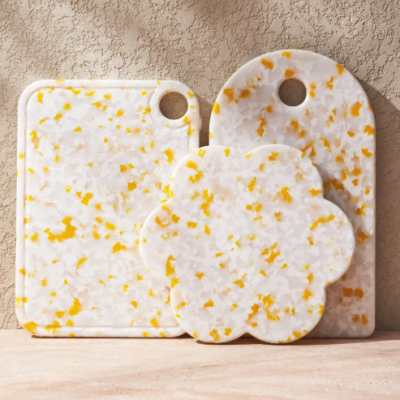
The clean, bright look of white HDPE cutting boards sends the right message to health inspectors and staff: this station is sanitary and under control. When your boards stay flat, smooth, and evenly white, you instantly look more organized and compliant. If you're also thinking about visual impact on your line, you can pair classic white boards with more design-forward options like our custom faux marble plastic cutting boards in front-of-house or open kitchen setups while keeping the same food-safe plastic base material.
HDPE Material Benefits for High-Volume Food Prep
What HDPE Is & Why Pro Kitchens Rely On It
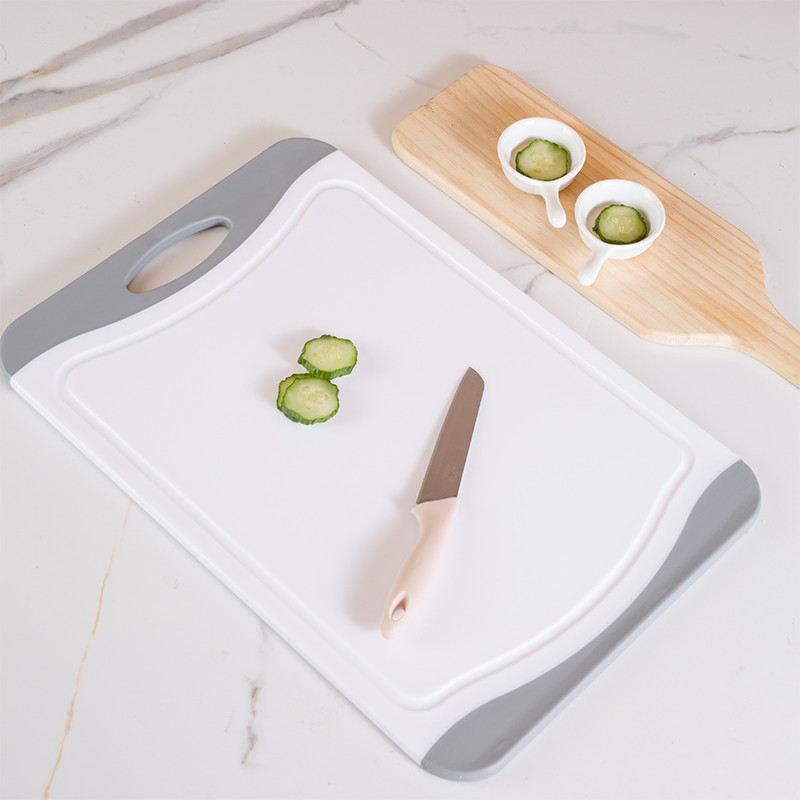
HDPE (high-density polyethylene) is a food-safe plastic that's become the standard for commercial kitchen cutting boards around the world
In my own production, we use HDPE because it hits the sweet spot of:
Food safety – non-porous, easy to sanitize
Durability – holds up under nonstop chopping
Cost control – long life, predictable replacement cycles
If you're buying commercial grade HDPE boards in bulk, you'll see the same material we use in our own wholesale durable plastic cutting boards.
Durability Under Heavy Use, Heat & Washing
In a high-volume kitchen, boards get abused. HDPE handles it:
| Factor | HDPE Cutting Board Performance |
Heavy chopping | Resists cracks and splitting |
| High-volume impact | Won't chip like cheap plastics |
| Hot water & dishwashers | Designed for repeated high-temp washing |
| Daily sanitizing chemicals | Holds up to standard sanitizers without breaking down |
This is why restaurant cutting boards made from HDPE are a staple in chains, hotels, and large cafeterias.
Knife-Friendly Surface
HDPE gives you a knife-friendly chopping board surface:
Slight "give" that reduces blade impact
Less chipping vs glass or cheap, hard plastics
Helps cut down sharpening time and extends knife life
For any chef or prep cook, this means smoother cuts and lower knife replacement costs.
Non-Absorbent & Odor-Resistant Design
A big reason I stick with HDPE for white plastic cutting boards is how clean they stay:
Non-porous surface – doesn't absorb juices or moisture
Resists odor buildup from garlic, onion, fish, and meat
Less staining if you clean and sanitize quickly
Helps reduce bacteria hiding deep in the board
In short, HDPE gives you a sanitary cutting board that's built for real-life, high-volume food prep, not just light home use.
Key Benefits of White Plastic Cutting Boards for Busy Kitchens
Faster Cleaning and Sanitizing During Rush Hours
In a slammed line, speed matters. White HDPE cutting boards make it easy to spot food residue, stains, and sanitizer coverage, so staff can wipe, wash, and reset a station in seconds. The non-porous surface doesn't hold moisture or food juices, so sanitary cutting boards can move from raw to ready-to-eat zones safely after proper washing and sanitizing. Most commercial kitchen cutting boards we produce are fully dishwasher safe cutting boards, built to handle high-temp cycles multiple times a day.
Non-Slip, Stable Cutting Surfaces for Safety
For high-volume food prep, a sliding board is a safety risk. We design our commercial grade HDPE boards with optional non-slip cutting board textures or rubber feet so cooks can chop fast without worrying about movement. A stable, knife-friendly chopping board surface cuts down on accidents and keeps blade control tight during heavy prep.
Lightweight Handling in High-Volume Environments
Compared to thick wood blocks, white plastic cutting boards are lighter and easier for staff to grab, flip, wash, and store. That matters when you're moving boards all day on a busy line. Even large restaurant cutting boards can be handled by one person, which helps reduce fatigue and speeds up changeovers between prep tasks.
Cost-Effective Replacement vs Wood and Cheap Plastics
For high-volume food prep boards, I look at total cost over time, not just the sticker price. Quality HDPE cutting boards outlast cheap plastics that warp or crack and don't require the oiling and resurfacing that wood needs. When grooves get too deep, replacement is affordable and predictable, making HDPE the sweet spot for restaurant prep equipment budgets.
How High-Volume Kitchens Use White Plastic Cutting Boards Daily
In real high-volume American kitchens, white plastic cutting boards (HDPE) are on the line all day. I use them wherever I need a clean, neutral, food-safe surface that's easy to sanitize fast.
Everyday use in restaurants, cafeterias, and commercial kitchens
You'll see commercial kitchen cutting boards in white used at:
Line stations: general prep, garnish, salad, and cold apps
Cafeterias & schools: bulk veggie prep, fruit stations, deli lines
Central kitchens & commissaries: batch chopping, portioning, and packaging
They're light enough for staff to move quickly, but thick and durable enough to handle constant knife work and dishwasher cycles.
Dairy, bakery, sandwich, and veggie stations
In most setups, white HDPE boards are the "clean" station workhorses:
Dairy prep cutting boards for cheese, butter, yogurt toppings, and breakfast lines
Bakery and bread cutting boards for slicing loaves, buns, pastries, and desserts
Sandwich and cold prep for assembling subs, wraps, and burgers
Veggie stations for salad bars and bulk chopping (when not using a specific color)
If you want a more premium look on the cold line, you can also use a faux marble clear plastic cutting board style that still keeps the HDPE-style benefits, like this Faux Marble Clear Plastic Cutting Board option.
Part of a full color-coded safety system
Most high-volume spots run a color coded cutting board system to support HACCP:
Red – raw meat
Blue – raw fish
Green – vegetables and fruits
Yellow – raw poultry
White – dairy, bakery, and general ready-to-eat prep
White boards fit perfectly as the “safe” or “neutral” board in that system. Staff instantly know what’s allowed on each board, which cuts cross-contamination risk and keeps health inspectors happy.
Real time savings and workflow wins
White HDPE cutting boards speed up service in a few simple but big ways:
Faster checks: residue, streaks, and soil are easy to spot on white, so managers and cooks can inspect visually in seconds.
Quick turnover: boards go from station to commercial dishwasher and back to the line without warping or heavy scrubbing.
Less confusion: clear color roles mean fewer mistakes, fewer re-dos, and smoother ticket flow.
In a busy lunch rush, shaving even 10–20 seconds off each cleaning or board change adds up. Over a full service day, that's real labor savings and more consistent food safety for any high-volume food prep operation.
Maintenance and Cleaning for Long-Lasting White Plastic Cutting Boards
Keeping white HDPE cutting boards in top shape is all about simple, consistent routines. In high‑volume global kitchens, that means fast cleaning, proper sanitizing, and knowing when to retire a board before it becomes a food safety risk.
Daily Cleaning Routines for HDPE Cutting Boards
For commercial kitchen cutting boards, I recommend a tight, repeatable routine:
After each task:
Scrape food debris with a scraper, not a knife edge
Rinse with hot water to remove loose particles
Wash:
Use hot water and a degreasing dish soap
Scrub with a stiff brush on both sides, including edges
Rinse:
Rinse with clean, hot water to remove all soap and residue
Air dry:
Stand boards vertically so air can circulate on both sides
This routine keeps white plastic cutting boards looking clean and helps them pass surprise inspections.
Best Practices for Sanitizing and Dishwashers
Most commercial HDPE cutting boards are dishwasher safe, but you still need a system:
Use a high-temp commercial dishwasher that hits proper sanitizing temps
Load boards vertically so water can fully contact both faces
Avoid crowding—tight stacking can trap food soil and reduce sanitizing power
For manual sanitizing, use:
Chlorine solution (per local health code) or
Quat sanitizer at the right concentration
If you're buying in bulk or customizing boards, look for NSF certified cutting boards and HACCP compliant boards—you'll see how leading operators handle this in guides like our own best plastic chopping boards overview.
How to Avoid Warping, Staining, and Deep Groove Damage
Even commercial grade HDPE cutting boards can fail early if they're abused. A few simple habits protect your investment:
Warping prevention
Don't shock boards from very hot to ice-cold water
Avoid resting them on hot griddles, steam tables, or cooktops
Store them flat or in straight vertical racks, not leaning and bending
Stain control
Rinse off tomato, beet, curry, and strong sauces quickly
Use a baking soda paste or non-abrasive cleaner for light stain removal
Groove control
Rotate boards regularly so wear is spread out
Don't use them as cleaver blocks for heavy bone chopping unless they're extra-thick heavy‑duty cutting boards
Replace boards once cuts become too deep to clean properly
Clear Signs It's Time to Replace a White Plastic Cutting Board
For restaurant cutting boards, it's better to replace a little early than risk a violation. Replace when you see:
Deep grooves that stay "dark" even after cleaning
Cracks or chips on edges or corners
Warping that makes the board rock on the table
Permanent stains that inspectors will question
Any surface that feels "fuzzy" or heavily scarred
At that point, the board isn't a sanitary cutting board anymore—it's a liability.
Storage and Handling Tips for Tight, Busy Kitchens
In tight global line kitchens and prep rooms, smart storage extends the life of your high-volume food prep boards:
Use vertical wall racks or slotted carts to keep boards off counters and floors
Store by size and color code so staff grabs the right board fast
Make sure boards are fully dry before stacking to prevent odor and bacteria
Train staff to carry one or two boards at a time—no bending or slamming
If you're setting up or upgrading your prep line, I build our own commercial plastic cutting board program around ease of cleaning, storage, and bulk customization; you can see how we approach that in our customizable plastic chopping board manufacturing solutions.
FAQs About White Plastic Cutting Boards for High-Volume Prep
Are white plastic cutting boards safe for raw meat?
Yes—when you use HDPE white plastic cutting boards and follow standard food safety rules. For raw meat and poultry, you should always:
Use food-safe, NSF-certified HDPE cutting boards
Wash with hot, soapy water, then sanitize (bleach solution or commercial sanitizer)
Run them through a commercial dishwasher when possible
Replace boards once they're heavily grooved
Done right, white plastic commercial kitchen cutting boards are one of the safest options for raw meat in a high-volume restaurant.
How do white HDPE boards compare to colored boards?
White and colored HDPE cutting boards are made from the same material in most pro kitchens. The difference is how you use them:
White boards: Often used for dairy, bakery, bread, cheese, and general prep
Colored boards: Used in color coded cutting board systems to separate raw meat, seafood, produce, and cooked foods
Performance is basically the same—non-porous, durable, and easy to sanitize. Many operators use white plastic cutting boards alongside colored ones for a complete HACCP-friendly system.
Can white plastic cutting boards go in commercial dishwashers?
Yes. Quality commercial grade HDPE boards are designed to be dishwasher safe cutting boards. Just make sure:
The board is rated for high-temp commercial dishwashers
It's placed flat to avoid warping
You allow full dry time for proper sanitation
Our own commercial plastic cutting boards are built to handle repeated dishwashing cycles without cracking or peeling.
Do commercial white plastic boards meet NSF and HACCP standards?
They can—and they should. For any high-volume food preparation, always look for:
NSF certified cutting boards (NSF stamp or listing)
Clear FDA food-contact compliance
Designs that support HACCP compliant boards (often used within color-coded systems)
Most global health inspectors expect to see sanitary cutting boards that are non-porous, easy to clean, and properly maintained. When you're ready to expand beyond standard rectangles, you can also pair them with custom plastic cutting boards like our double-sided HDPE boards with juice groove to dial in your station setup even more.
If you have interested in any cutting board, please feel free to contact sales@chopaid.com at any time