Why 304 Stainless Steel Cutting Boards Are the Best Choice
Decoding the Metal: What is 304 Stainless Steel?
When we claim that The Best Cutting Board Is Stainless Steel: Why 304 Tops the Kitchen Choice, we aren’t just talking about aesthetics. We are talking about metallurgy designed for hygiene. At ChopAid, we specifically utilize SUS304 food-grade stainless steel because it is the global benchmark for safety and durability in professional kitchens. Unlike generic metals that might look shiny on day one but rust by day thirty, 304 steel is engineered to withstand the harsh environment of water, acids, and food enzymes.
Defining the 18/8 Standard: Chromium and Nickel Explained
You often see the term "18/8" stamped on high-end cookware, and our boards are no exception. This isn't a random number; it is the chemical recipe for the 18/8 chromium-nickel alloy that gives our boards their superpowers.
18% Chromium: This element binds with oxygen to create a passive, self-healing layer on the surface that prevents rust and oxidation.
8% Nickel: This adds strength and gives the steel its characteristic silver sheen, ensuring it remains non-reactive even when exposed to acidic foods like lemons or tomatoes.
Comparing 304 vs. 201 and 430 Steel Types
Not all "stainless" steel is created equal. Many budget manufacturers cut costs by using inferior grades like 201 or 430 series steel. Here is why we strictly stick to 304:
304 (Our Standard): High nickel content provides superior corrosion resistance and durability. It is non-magnetic and impervious to kitchen acids.
201 Steel: Contains manganese instead of nickel. It is harder but much more prone to rusting and pitting over time in wet environments.
430 Steel: Contains zero nickel. While it is magnetic, it lacks the long-term corrosion resistance needed for a tool that is constantly washed and exposed to food moisture.
Why Food-Grade Certification Matters for Your Kitchen
Using food safe cutting board material is non-negotiable. Lower-grade industrial steels can leach heavy metals or develop micro-corrosion spots where bacteria hide. Our SUS304 food-grade stainless steel is certified safe for direct food contact. It ensures that when you are prepping a family meal, the only thing ending up on the plate is the food itself—no metallic taste, no rust particles, and absolutely no chemical leaching.
The Hygiene Factor: Why Steel Beats Wood and Plastic
Solving the Porosity Problem in Traditional Boards
We have all seen it—that dark, stubborn stain on a wooden board that just won't wash away. The reality is that wood is naturally porous; it absorbs meat juices, fats, and moisture like a sponge. Even plastic boards, often thought to be cleaner, eventually develop deep knife scars that trap food particles and become breeding grounds for germs. This creates a significant hygiene gap in the kitchen. Our solution is the SUS304 food-grade stainless steel surface, which offers a density that completely blocks absorption. Unlike wood that swells or plastic that shreds, this alloy maintains a solid barrier against biological contaminants.
The Zero-Penetration Surface Advantage
The primary benefit of switching to steel is the non-porous prep surface. When you prep raw proteins like chicken or fish on our boards, the fluids stay strictly on the surface rather than seeping into the material. This makes cross-contamination prevention incredibly simple; a quick rinse with soap and water removes 100% of the residue. You aren't scrubbing to get bacteria out of the board; you are simply washing it off. For those focused on maintaining high kitchen hygiene standards, this zero-penetration feature is the only way to ensure a truly sterile prep area.
Anti-Mold Guarantee and Preventing Bacterial Growth
Moisture retention is the enemy of a clean kitchen. Traditional boards that hold onto water are prone to warping and developing mold, especially if they aren't dried perfectly before you finish organizing cutting boards efficiently in your drawers. Stainless steel eliminates this risk entirely. It is naturally a mold-resistant cutting board material because it dries almost instantly and offers no environment for spores to take root. By using a surface that supports bacterial growth inhibition, you ensure that your workspace remains odorless and safe for years, without the high maintenance of oiling or sanding.
Beyond Chopping: The Versatility of a Chopaid Board
When we designed our SUS304 food-grade stainless steel boards, we didn't just want to create a surface for slicing; we wanted to build a multi-functional kitchen tool. Most home cooks are used to boards that do one thing, but a high-quality steel surface opens up culinary techniques that wood and plastic simply can't handle. It's about maximizing your counter space with gear that works as hard as you do.
The Pastry Chef's Secret for Rolling Dough
If you've ever fought with sticky pie crust or cookie dough that gets too warm, you'll understand the value of a dough kneading surface that stays naturally cool. Unlike wood, which acts as an insulator, our 304 stainless steel maintains a lower temperature, keeping the butter in your pastry layers from melting while you work. This is the professional standard for rolling out delicate fondant or kneading bread, ensuring a smooth release without needing excessive flour.
Using Stainless Steel as a Rapid Defrosting Tray
Forget about the microwave's "defrost" button that partially cooks your steak. One of the most practical hacks for our boards is using them as a rapid defrosting tray. Because 304 stainless steel has high thermal conductivity, it naturally draws the cold out of frozen meats and transfers ambient heat into the food much faster than a stone or plastic counter ever could. You can cut your thawing time down significantly just by placing your frozen chicken breasts or steaks directly on the metal surface.
Neutralizing Stubborn Odors
We all love the taste of garlic and onions, but nobody loves the lingering smell that sticks to wooden boards for days. This is where the chemistry of an odor-resistant material shines. The chromium in our stainless steel binds with sulfur compounds from foods like fish and garlic, effectively neutralizing the smell rather than absorbing it. A quick rinse is all it takes to reset the surface. While our steel boards are the star for heavy prep, we also offer the Wholesale Kitchen Double-Sided Antibacterial Plastic Cutting Board for those who want a dedicated secondary surface for lighter tasks, ensuring your kitchen is equipped for any recipe.
Addressing the Concern: Will It Ruin My Knives?
Let's be real. The biggest hesitation most home cooks have when switching to a SUS304 food-grade stainless steel board is the fear of dulling their expensive cutlery. It is a valid question, and as a Chopaid cutting board manufacturer, I believe in being transparent about how materials interact in the kitchen.
The Honest Truth About Metal-on-Metal
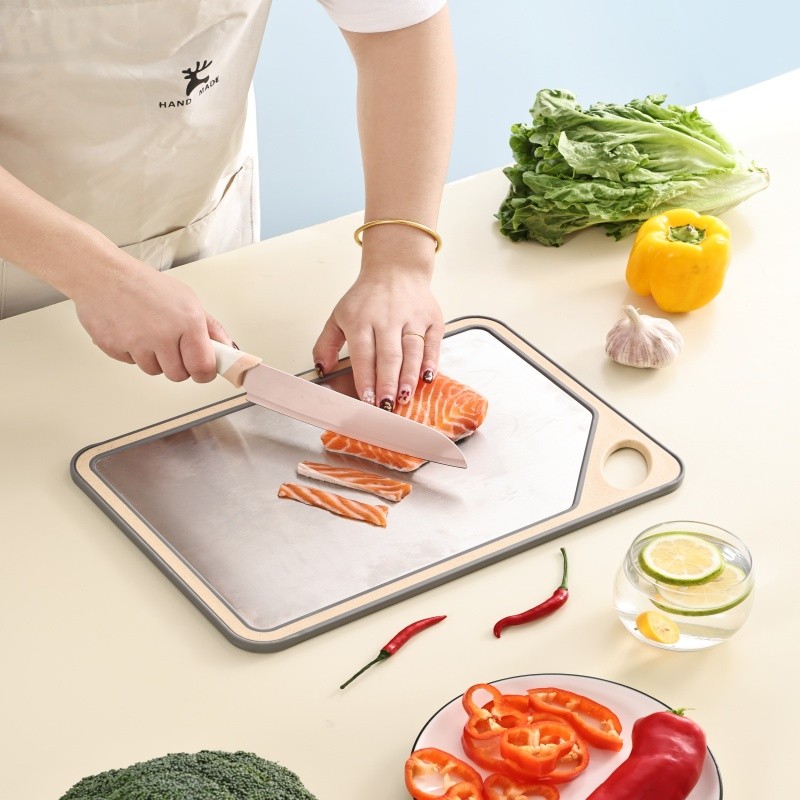
While 304 stainless steel is engineered with an optimized hardness to balance durability, constant heavy chopping on any metal surface can impact knife edge retention faster than soft end-grain wood. However, the stainless steel side isn't designed for hacking through thick bones with a cleaver. It is precision-engineered for slicing meats, filleting fish, kneading dough, and handling sticky ingredients where hygiene is the absolute priority. The surface is tough, but we finish it to be as forgiving as metal can be.
The Chopaid Dual-Sided Solution
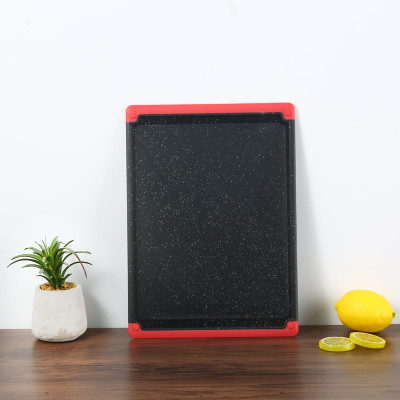
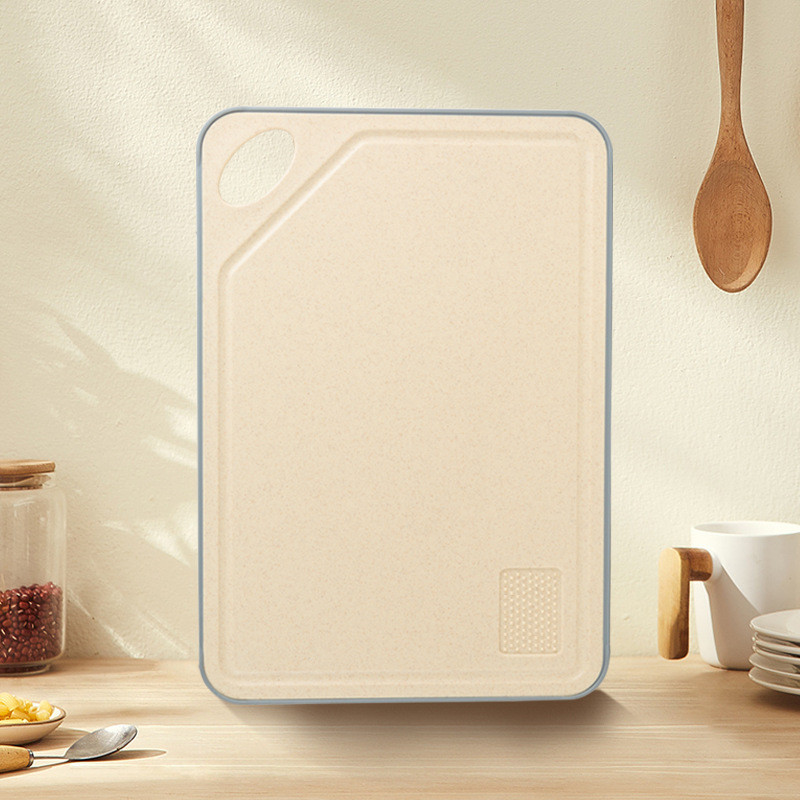
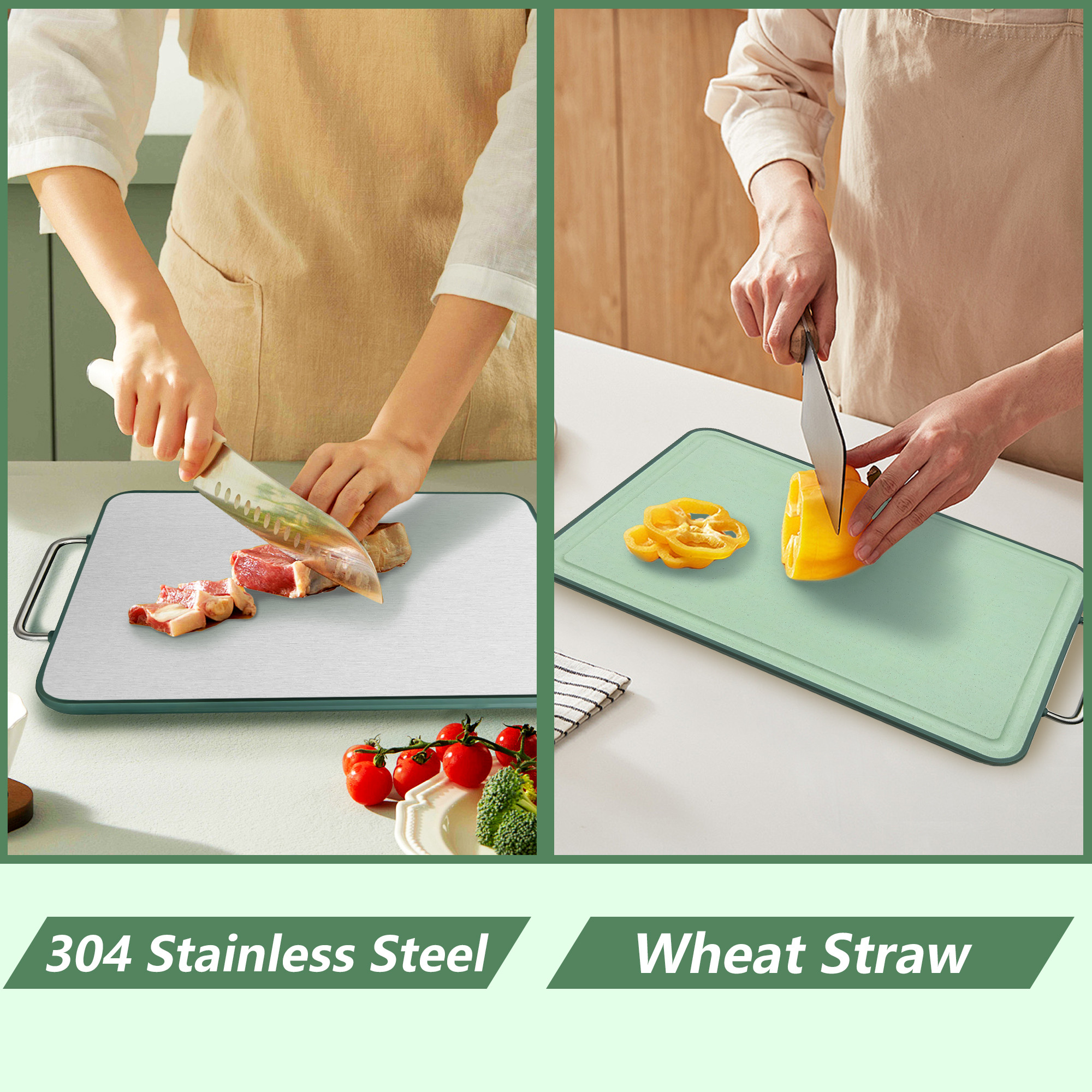
We solved the dilemma of "hygiene vs. sharpness" by not making you choose. Our design features a dual-sided cutting board layout. You get the sterile, odor-free stainless steel side for raw proteins and a food-grade PP or wheat straw side for your heavy-duty vegetable chopping. You can check out our Best Double-Sided Plastic Chopping Board Set to see how we integrate these materials into one seamless tool. This hybrid approach ensures you have the best cutting board material for every specific task in your meal prep.
Smart Techniques for Edge Preservation
To keep your blades sharp while enjoying the benefits of steel, adjust your technique slightly:
Slice, Don't Chop: Use the steel side for gliding, slicing motions (perfect for sashimi or steak) rather than forceful downward chopping.
Use the Reverse Side: Save the heavy impact work—like dicing onions or mincing garlic—for the PP/wheat straw side of the board.
Regular Honing: Regardless of the board you use, a quick hone before prep keeps edges aligned.
By using the right side for the right job, you get the sanitary benefits of non-porous prep surfaces without sacrificing the longevity of your knife set.
Durability and Maintenance: A Buy Once Investment
When I stock my kitchen, I look for sustainable kitchenware that doesn't need to be replaced every year. Traditional boards often fail the longevity test—wood warps when it gets too wet, and plastic eventually cracks or peels. The 304 stainless steel cutting board is built for heavy-duty food prep, offering an indestructible build that resists the warping and cracking common in lesser materials. This is truly a "buy once" investment for the modern home.
Dishwasher Safe Convenience
The biggest hassle with wood is the maintenance; you have to hand wash it, dry it immediately, and oil it regularly. We eliminated that chore completely. Our dishwasher safe chopping block is designed to withstand high-heat sanitization cycles. You can toss it in the dishwasher after prepping raw chicken or fish, ensuring a sterile surface for your next meal without the elbow grease.
Stability You Can Trust
A common misconception is that metal boards slide around on granite or quartz countertops. We solved this by integrating TPR edging and non-slip feet into the design. This thermoplastic elastomer border grips the counter firmly, providing a stable platform for safe slicing and dicing. Whether you are upgrading your home setup or looking at our diverse range of cutting boards, stability and safety remain our top priorities.
Zero Maintenance: No sanding, oiling, or conditioning required.
Heat Resistant: Won't melt or deform in the dishwasher.
Safety Grip: Non-slip feet prevent dangerous slipping during use.
How to Choose the Right Size for Your Kitchen
When stocking a kitchen, one size rarely fits all. We often see home cooks underestimating the surface area they need for efficient heavy-duty food prep. Whether you are slicing limes for a cocktail or breaking down a whole chicken, having the right amount of space is critical for both safety and workflow. Selecting the correct 304 stainless steel cutting board ensures you aren’t cramping your knife skills or letting ingredients roll off the edge.
Size Guide: From Bar Boards to Brisket Carving
To get the most out of your kitchen, match the board dimensions to your typical cooking tasks. A versatile kitchen usually benefits from a set rather than a single board.
Board Size | Best Used For |
Medium | Quick tasks like slicing fruit, cutting cheese, or mincing garlic. Perfect as a bar board or for small apartments. |
| Large | The daily driver. Ideal for chopping vegetables for a salad, slicing chicken breasts, or general meal prep. |
| Extra-Large | Major projects. Essential for carving roasts, kneading dough, or handling large produce like watermelons. |
For those who regularly handle bigger meals or family-sized roasts, our customized stainless steel large size cutting boards provide ample room to manage ingredients without overcrowding your workspace.
Why Material Thickness Ensures Stability
A common misconception is that stainless steel boards are just thin sheets of metal that slide around. That is not the case with high-quality designs. Stability comes from the construction and the edge material.
Solid Build: We engineer our boards with a dual-sided design (Steel + PP/Wheat Straw) to provide a solid core that doesn't warp.
Non-Slip Grip: The integration of TPE non-slip edges ensures the board grips the countertop securely.
Profile: While slim enough to store easily, the board has enough weight to stay planted during vigorous chopping.
This construction gives you the hygiene benefits of SUS304 food-grade stainless steel with the stability you would expect from a heavy wooden block, minus the maintenance.
Quick Comparison: Chopaid 304 Steel vs. The Rest
When you break down the science of kitchen hygiene, it becomes clear that not all materials are created equal. We designed our boards because traditional options simply cannot keep up with modern food safety standards. Here is the honest truth about how the materials stack up against each other in your kitchen.
Wood Boards: High Maintenance and Mold Risks
Wood might look rustic and appealing on a countertop, but it acts like a sponge for bacteria. Because wood is naturally porous, it absorbs raw meat juices and moisture, creating the perfect breeding ground for mold and germs deep inside the grain. Unless you are constantly oiling and seasoning it, wood will eventually crack, warp, and hold onto strong odors that no amount of scrubbing can remove.
Plastic Boards: Micro-Scars and Trapped Bacteria
Plastic seems like a convenient option until you look closer. Every time you slice, your knife creates deep grooves and scars. These micro-fissures trap food particles and bacteria that dishwashers often miss, leading to cross-contamination. Over time, you also risk micro-plastics flaking off into your meals. It fails the basic kitchen hygiene standards required for safe, heavy-duty food prep.
The Chopaid 304 Advantage: Zero Maintenance and Hygiene
We utilize SUS304 food-grade stainless steel to eliminate these headaches completely. Our non-porous prep surface ensures that liquids, fats, and bacteria stay on the surface where they can be instantly washed away. There is no scrubbing, no oiling, and absolutely no risk of mold. For the ultimate kitchen upgrade, our Chopaid Chopping Board combines this hygienic steel with a versatile secondary side, giving you a lifetime tool that stays as clean as the day you bought it.
Material Performance Breakdown:
| Feature | Wood Boards | Plastic Boards | Chopaid 304 Steel |
| Hygiene Level | Low (Porous, absorbs bacteria) | Medium (Traps germs in cuts) | High (Antibacterial, Non-porous) |
Odor Control | Retains smells (Garlic/Onion) | Retains smells over time | Neutralizes Odors Instantly |
| Maintenance | High (Requires regular oiling) | Low (Stains easily) | Zero (Dishwasher Safe) |
| Durability | Prone to cracking and mold | Scars, warps, and peels | Indestructible & Rust-Proof |
Frequently Asked Questions About Stainless Steel Cutting Boards
Switching from traditional wood or plastic to metal can bring up a few questions. We hear these inquiries often from home cooks looking to upgrade their kitchen hygiene standards. Here is the breakdown of what you need to know about using SUS304 food-grade stainless steel in your daily routine.
Is 304 stainless steel safe for all food types?
Absolutely. SUS304 food-grade stainless steel is the industry standard for commercial kitchens because it is non-reactive. Unlike some plastics that can degrade or woods that absorb liquids, this alloy remains stable regardless of what you are prepping. Whether you are slicing acidic citrus, marinating raw meats, or kneading dough, the surface will not leach chemicals or alter the taste of your ingredients. It is the ultimate non-porous prep surface designed for total cross-contamination prevention.
How do I properly clean and sanitize the board?
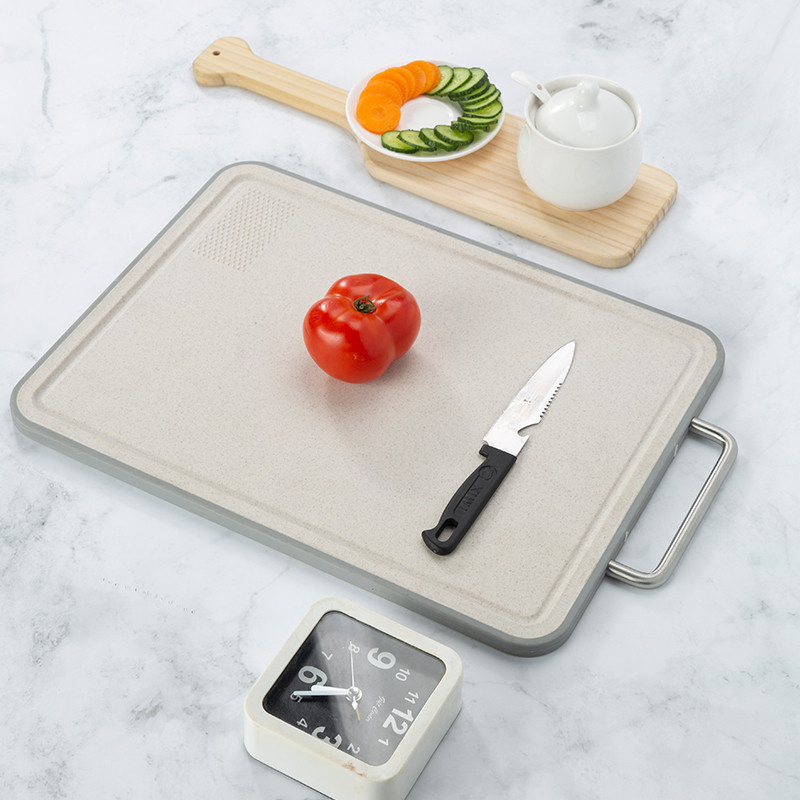
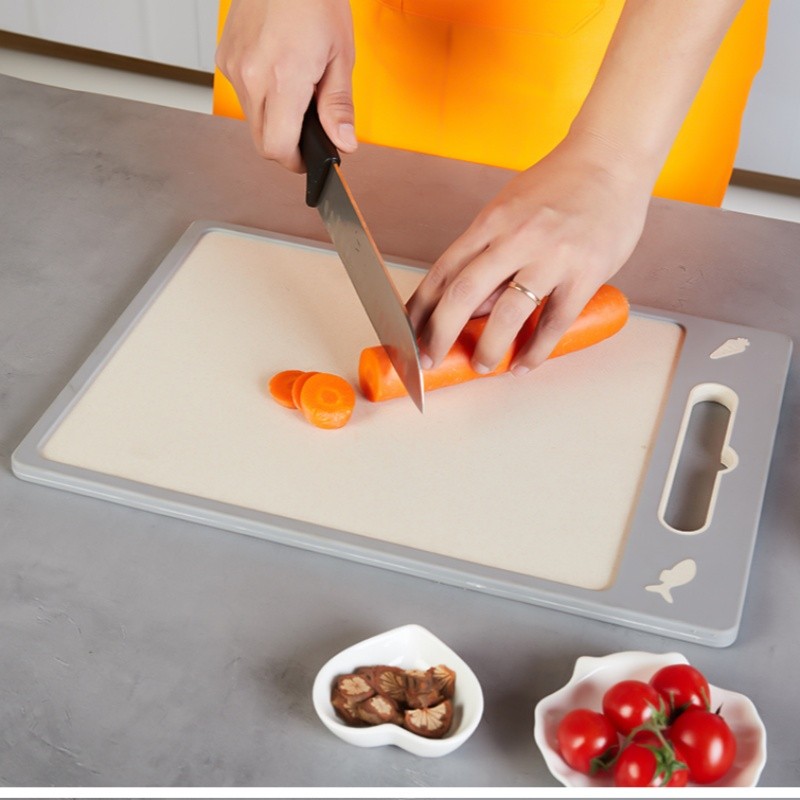
Maintenance is where our boards truly shine. Because the surface is non-porous, bacteria cannot hide in cracks or crevices. For daily cleaning, simple soap and warm water work perfectly. For a deep clean, our boards are a dishwasher safe chopping block, meaning you can subject them to high-heat cycles to ensure total bacterial growth inhibition without worrying about warping or cracking. If you are using our double-sided cutting boards with juice grooves, simply toss the whole unit in the dishwasher—no oiling or special treatments required.
Can I use ceramic knives on a steel surface?
While 304 stainless steel is durable, ceramic knives can be brittle. We generally recommend using steel knives on the stainless side. If you prefer using ceramic blades, we designed our Chopaid cutting board collection with a dual-sided feature for this exact reason. You can flip the board over to the food-grade PP or wheat straw side for delicate chopping tasks, ensuring you get the utility of steel for hygiene and the softness of plastic for specific blade types.
Does the stainless steel surface scratch easily?
Stainless steel is incredibly tough, but it is not magic. Over time, you may see faint superficial marks from knife edges, which is normal for any metal-on-metal contact. However, unlike plastic boards that develop deep, jagged gouges where germs multiply, scratches on 304 steel remain shallow and easy to clean. This ensures that even with heavy use, you maintain a mold-resistant cutting board that stays sanitary for the long haul.
If you need cutting boards at a good price, please contact us by email at sales@chopaid.com or Whatsapp +86 18758656066