Why Industry Leaders Choose Our Antimicrobial Plastic Cutting Boards
The Critical Role of Hygiene in Commercial Kitchens
If you're running a busy kitchen, you already know this: one contaminated cutting board can take down your whole operation. High-volume prep, tight tickets, and rotating staff make cross-contamination a daily risk—especially on your main food prep surfaces.
Food Safety Risks in High-Volume Prep
On standard boards, raw proteins, allergens, and ready-to-eat items all pass through the same surface. That means:
Bacteria like E. coli, Salmonella, and Listeria can settle into knife grooves.
Juices from raw meat can move onto produce, garnishes, or cooked foods.
Allergen traces (nuts, dairy, gluten, shellfish) can linger and trigger reactions.
Even when your team wipes and sanitizes, porous or worn cutting boards can still harbor microbes below the surface.
Regulatory Pressure on Cutting Surfaces
Health inspectors are looking closely at your commercial kitchen cutting boards. In the world, you're expected to stay aligned with:
HACCP plans that treat cutting boards as critical control points.
FDA Food Code requirements for sanitary, non-porous, food-contact surfaces.
Local health codes that call out deeply scored boards as "no longer cleanable" and require replacement.
If your boards are warped, badly scratched, stained, or hard to sanitize, they're a liability in every inspection and audit.
Why Standard Cutting Boards Fall Short
Traditional wood boards and basic plastic boards weren't designed for the pace and volume of modern restaurants, hotels, and institutional kitchens:
Wood is porous, so it absorbs moisture, odors, and stains.
Many plastics scratch deeply and trap bacteria in grooves.
Some boards can't handle high-temp dishwasher cycles without warping.
Over time, they become harder to sanitize, fail food service sanitation standards, and need frequent replacement.
Why Industry Leaders Are Moving to Antimicrobial Plastic Boards
This is why more operators are standardizing on antimicrobial plastic cutting boards from manufacturers like Chopaid:
Built-in antimicrobial technology helps inhibit bacterial growth between cleanings.
Non-porous, NSF certified cutting boards support HACCP, FDA, and health code compliance.
Dishwasher safe cutting boards withstand repeated high-temp sanitizing cycles.
Professional food prep boards stay more hygienic, odor resistant, and longer-lasting under heavy use.
For industry leaders, antimicrobial plastic cutting boards aren't an upgrade for looks—they're a core control point for food safety, operational reliability, and passing inspections without drama.
How Antimicrobial Plastic Cutting Boards Actually Work
Our antimicrobial plastic cutting boards are built to slow bacteria growth between cleanings. They don't replace washing and sanitizing, but they give you a powerful extra layer of protection in a busy commercial kitchen.
What Antimicrobial Cutting Boards Actually Do
Help reduce bacteria growth on the board surface between cleaning cycles
Target common foodborne bacteria like E. coli, Salmonella, and Staph
Cut down on odors, stains, and slime that build up on standard plastic boards
Keep the board surface more hygienic and easier to sanitize
Antimicrobial = slows bacterial growth. It's not magic, and it's not a replacement for proper washing.
How Built-In Antimicrobial Agents Work
We use food-contact-safe antimicrobial additives that are blended into the plastic during manufacturing. In simple terms:
| Step | What Happens | Why It Matters in Your Kitchen |
1 | Bacteria land on the board | After cutting raw meat, poultry, fish, produce |
| 2 | Antimicrobial agents disrupt cell functions | Interferes with bacteria's ability to grow and multiply |
| 3 | Bacteria growth is slowed or reduced | Less bacterial load between wash cycles |
| 4 | Board is washed/sanitized as usual | Washing + antimicrobial = stronger hygiene combo |
This built-in protection is especially valuable in scratches, grooves, and high-wear zones, where bacteria usually like to hide on regular boards.
Integrated Protection vs. Surface Coatings
There's a big difference between integrated antimicrobial plastic and a sprayed-on coating:
| Type | How It's Made | Pros | Cons |
| Integrated (ours) | Additive mixed into HDPE resin | Won't wash off, works in scratches, long-lasting | Slightly higher upfront cost |
| Surface coating | Sprayed or painted on top | Cheap to apply | Wears off, inconsistent coverage, less reliable in pro use |
Our restaurant-grade chopping boards use integrated antimicrobial technology, so your protection is built into the entire board, not just painted onto the surface.
How Long Antimicrobial Protection Lasts
In normal daily commercial use (dishwasher cycles, sanitation, constant knife contact), the antimicrobial protection:
Lasts the life of the cutting board under typical restaurant conditions
Does not wash off with hot water, commercial detergents, or sanitizers
Continues working even as the board develops normal knife marks and wear
Helps extend usable life, so you replace boards less often than basic plastic
If you're comparing different options for your kitchen, my breakdown of the best plastic chopping boards for heavy use can help you choose the right sizes and styles for each station, including antimicrobial and heavy-duty plastic chopping boards that fit high-volume workflows.
Why Our Antimicrobial Plastic Cutting Boards Are the Choice of Industry Leaders
Why industry leaders choose our antimicrobial boards
Our antimicrobial plastic cutting boards are built for high-volume, zero-downtime kitchens. Operators choose us because:
Core Benefit | What It Means in Your Kitchen |
| Built-in antimicrobial protection | Helps inhibit bacteria growth between cleanings on the board surface, especially in high-wear zones. |
| NSF and food-contact compliant materials | Easier to pass health inspections and meet brand standards. |
| Durable HDPE construction | Handles heavy chopping, high-temp dishwashers, and constant use without warping. |
| Odor and stain resistance | Boards stay fresher-looking and smelling cleaner, even with onions, garlic, and proteins. |
Industry leaders don't want "good enough"; they want professional food prep boards that back up their food safety policies day after day.
Supporting food safety programs and audits
Our antimicrobial cutting boards are designed to plug straight into your HACCP and sanitation plans:
HACCP-friendly design: Color options for raw meat, seafood, produce, and ready-to-eat foods make cross-contamination prevention easier to control and document.
NSF approved cutting boards: NSF listings and FDA-compliant materials support health inspections, corporate audits, and third-party food safety reviews.
Traceable specs: Consistent sizing, thickness, and material specs make it simple for multi-unit groups to standardize across locations.
When inspectors or auditors ask about food-contact surfaces, you have clear, professional equipment in place.
Benefits for chefs, restaurant groups, and food service operators
For busy U.S. kitchens, our antimicrobial plastic cutting boards deliver:
Chefs: Knife-friendly, non-porous surface that feels solid on the line and cleans fast on turn.
Restaurant groups: Standardized, long-lasting boards that reduce replacement cycles and support chain-wide sanitation rules.
Food service operators (schools, hospitals, catering): Reliable, bacteria resistant chopping boards that simplify training and improve compliance for large teams.
Because our boards resist odor build-up, they're ideal for operations that prep strong-smelling ingredients daily; we explain more about smell control and material selection in our guide on cutting board odor performance.
Fits naturally into standard kitchen workflows
You don't need to change how your team works to use our antimicrobial kitchen equipment:
Same feel, better hygiene: Used like any standard commercial kitchen cutting board—just with added antimicrobial protection built in.
Dishwasher safe: Move straight from the line to high-temp dishwashers and back to prep without babying the board.
Compatible with existing setups: Available in the common sizes and thicknesses global kitchens already use; we also support custom sizing through our commercial plastic cutting boards wholesale options.
The result: smoother shifts, cleaner boards, and stronger food safety without slowing the line.
Key Advantages Over Traditional Wood Cutting Boards
Why Wood Boards Struggle in Commercial Kitchens
Wood looks great, but it's not built for modern food service sanitation:
Porous surface: Wood absorbs moisture, raw meat juices, and odors, which can trap bacteria deep inside.
Swelling and cracking: Constant washing, hot water, and changes in humidity cause wood to warp and split, creating hard-to-clean grooves.
Inconsistent sanitation: Even with heavy scrubbing, you can't fully sanitize a cracked, soaked wooden board in a high-volume kitchen.
In a busy restaurant or institutional kitchen, that's a real risk for cross-contamination and failed inspections.
Antimicrobial Plastic vs. Wood in Daily Cleaning
Our antimicrobial plastic cutting boards are built for commercial workflows:
Fully dishwasher safe at high temperatures, unlike many wood boards that dry out, warp, or split.
Fast sanitizing cycles: Just run them through your standard commercial dishwasher—no special care routines, oils, or slow air-drying required.
Consistent results: You get the same sanitization level on Monday lunch rush as you do on Saturday night volume.
If you're outfitting or upgrading a full line, our restaurant grade chopping boards pair well with our broader range of professional kitchen cutting board solutions.
Non-Porous, Hygienic Cutting Surface
Our hygienic plastic cutting boards use dense, non-porous HDPE:
No absorption of blood, sauces, or dishwater
Easier to fully sanitize with standard chemicals and heat
Less odor and stain buildup compared to wood under heavy use
When you're pushing through hundreds of covers, a non-porous cutting board surface is simply safer and more predictable.
Knife-Friendly Performance vs. Wood
We design our knife-friendly cutting surfaces to give chefs the feel they want without the sanitation headaches:
Gentle on knife edges, comparable to a quality wood board
Controlled surface "give" to reduce chipping and excessive wear
Even cutting feel across the board—no soft spots, no raised grain
You get pro performance plus a sanitary cutting board material that stands up to real commercial abuse.
Material Safety & Microplastic Concerns
We take material safety seriously:
Made from food safe plastic chopping boards materials that meet FDA compliant cutting boards standards
Designed to minimize chipping and flaking, even with heavy knife use
Durable HDPE that resists breaking down under normal kitchen conditions
Because the boards are so long lasting, you're not constantly tossing and replacing them—reducing waste compared to cheaper plastic and worn-out wood.
Superiority Compared to Standard Plastic Cutting Boards
Basic plastic cutting boards were never designed for the realities of a high-volume, commercial kitchen. They scratch fast, trap moisture and food residue, and quickly become a breeding ground for bacteria. That's exactly why we engineered our antimicrobial plastic cutting boards to outperform standard boards in every high-wear zone.
Why Basic Plastic Boards Aren't Enough
In a busy line or prep kitchen, standard plastic boards break down fast:
Deep knife grooves hold raw meat juices and produce residue
More frequent scrubbing and bleaching to keep up with health codes
Faster staining, warping, and "fuzzy"edges that inspectors hate
You can sanitize them, but the second they’re back on the line, bacteria can start recolonizing those scratches.
Built-In Antimicrobial Protection Where It Matters
Our antimicrobial cutting boards are molded with antimicrobial agents throughout the entire HDPE material—not sprayed on the surface. That means protection:
Inside scratches, grooves, and heavy-chop zones
Across the full board thickness, even after years of use
Between washes, helping slow bacterial growth like E. coli and Salmonella on the board surface
This doesn't replace proper cleaning, but it adds a powerful extra layer of defense in the exact spots standard boards fail. If you want a deeper look at why scratched boards are risky, we break it down in our guide on the hidden health risks of scratched plastic cutting boards at Chopaid Kitchen.
Less Odor, Less Staining, Better Looking Boards
With standard plastic, it doesn't take long before you get:
Garlic, onion, and fish smells that won't wash out
Yellowing or discoloration from sauces and produce
Stubborn stains that make the board look dirty, even when it's clean
Our hygienic plastic cutting boards are built to resist odors, stains, and discoloration, so your boards stay looking "inspection ready" longer—something health inspectors and customers both notice.
Fewer Replacements, Less Waste, Better ROI
Cheap plastic cutting boards feel economical, but constant replacement adds up fast. Because our durable HDPE cutting boards:
Handle aggressive daily prep without breaking down as quickly
Maintain a smoother, more sanitary surface for longer
Need to be replaced less often than standard plastic boards
You cut down on reorder frequency, reduce plastic waste, and keep your restaurant grade chopping boards in service longer. For operators looking to standardize equipment across multiple locations, our commercial kitchen cutting boards offer a much better long-term cost curve than basic plastic.
NSF Certified Cutting Boards & Compliance
Our antimicrobial plastic cutting boards are NSF certified cutting boards, built specifically for global commercial kitchens that can't afford compliance mistakes.
What NSF Certification Means for You
NSF certification tells health inspectors and corporate safety teams that your commercial kitchen cutting boards meet strict third‑party standards for:
| Compliance Area | What You Get in Daily Use |
| Food-contact safety | Materials tested to be food safe and non-toxic |
| Cleanability | Smooth, non porous cutting board surface |
| Durability | Holds up under high-volume kitchen hygiene |
You're not just "buying boards"; you're buying less pushback from inspectors and corporate audits.
Support for Inspections, Audits & HACCP
Our NSF approved cutting boards and FDA compliant cutting boards plug straight into:
Health inspections – Clear NSF mark and documentation ready for review
Third-party audits – Easy to show compliant, sanitizable food contact surfaces
HACCP programs – Designed for HACCP compliant cutting boards and SOPs
Color options make it simple to run color-coded kitchen boards for raw meat, cooked foods, produce, and allergens, supporting cross-contamination prevention at scale.
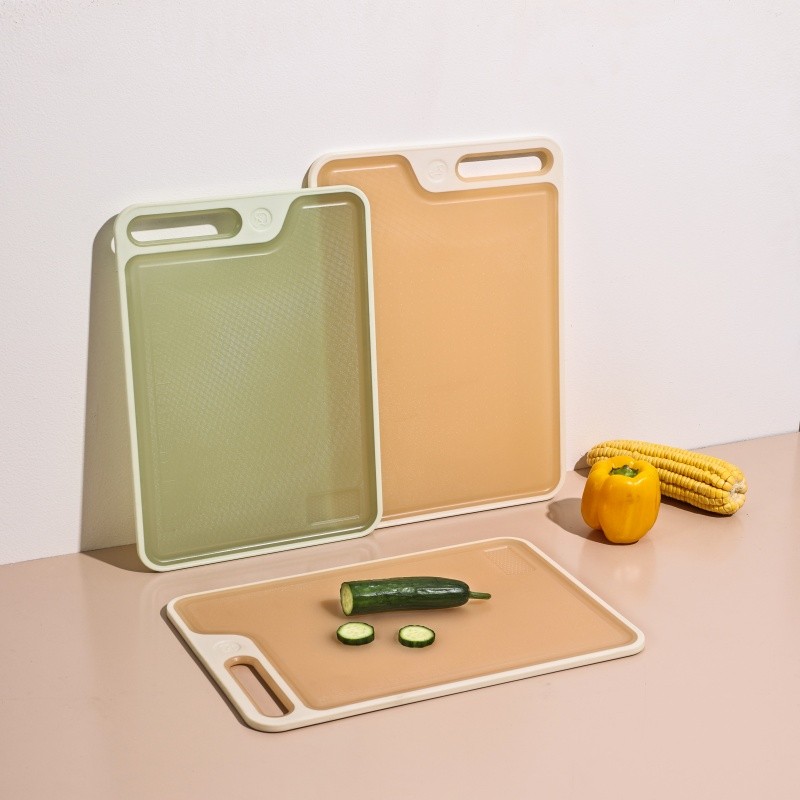
Dishwasher Safe & Sanitation Cycles
Every board is fully dishwasher safe, built for:
High-temp commercial dishwashers
Repeated sanitize cycles without warping or cracking
Fast turnaround in high-volume service
For operations that need added features, our plastic cutting board with juice groove is available in NSF-grade material and works perfectly in standard commercial washing and sanitizing setups.
If you're tracking replacement cycles for compliance, we break down lifespan and replacement timing in our guide to how long plastic cutting boards last and when they should be replaced, which helps during audits and internal QA reviews: plastic cutting board lifespan and replacement guide.
Durability and Performance in Professional Environments
Our antimicrobial plastic cutting boards are built for the pace of real commercial kitchens. We use high‑density plastic materials engineered for heavy daily use, so these restaurant grade chopping boards hold up to breakfast, lunch, and dinner shifts without bending or breaking down.
Built to Take a Beating
High-density HDPE resists deep gouges and heavy chopping
No warping or cracking, even with constant washing and high-volume prep
Fully dishwasher safe cutting boards that handle high‑temperature sanitizing cycles without twisting
If you're used to cheap boards bowing in the dish machine or splitting on the line, these are the opposite. They stay flat, stay solid, and stay safe.
Pro-Friendly Design Details
We design our professional food prep boards around how chefs actually work:
Juice groove cutting board options to keep meat and produce juices off the counter
Non slip cutting boards for restaurants with stable edges that grip stainless tables
Rounded corners and balanced weight for safe handling on busy lines
Everything is set up so your team can move fast without fighting the board.
Color-Coded for Allergen and Cross-Contact Control
Our color-coded kitchen boards plug right into HACCP and allergen control systems. You can assign boards by:
Protein type (raw poultry, raw beef, seafood)
Produce vs. ready-to-eat foods
Allergen-sensitive prep (gluten, nuts, dairy)
This makes kitchen cross contamination control easier to train, easier to audit, and easier to enforce during rush periods.
Long-Term Cost Savings
Compared to cheap plastic or disposable boards, our durable HDPE cutting boards:
Need less frequent replacement, even in high-volume kitchens
Reduce waste and reordering
Deliver lower cost per use over the life of the board
If you're also looking at sustainable options for back-of-house, you can pair these with our eco-friendly plastic cutting boards for wholesale programs to keep performance high while cutting long-term costs.
Real-World Results from Industry Professionals
How busy restaurant kitchens use antimicrobial plastic cutting boards
In high-volume restaurants, our antimicrobial plastic cutting boards are on the line from open to close. Chefs use color-coded boards for raw meat, seafood, produce, and ready-to-eat items, so cross-contamination is easier to control even during a rush. Because the boards are NSF certified, non-porous, and fully dishwasher safe, they move straight from the station into high-temp sanitizing cycles and are back in rotation fast. Many operators pair our antimicrobial boards with their existing HACCP systems to tighten food safety without changing their entire workflow.
Feedback from chefs on hygiene confidence and workflow speed
Chefs and kitchen managers tell us they feel more confident about food safety and health inspections with antimicrobial cutting boards on the line. The built-in protection keeps bacteria from multiplying in deep knife marks, which is where standard boards usually fall short. Teams also like that the boards stay flatter, cleaner-looking, and more odor resistant, so stations reset quicker between tasks. In busy US restaurant groups, this has translated into smoother prep, fewer board changes, and a more organized food prep line.
Impact on training staff and sanitation consistency
For training, our commercial kitchen cutting boards make sanitation rules easier to teach and enforce:
Clear color-coding = fewer mistakes from new hires
Simple cleaning rules = rinse, scrub, and run through the dishwasher
Antimicrobial protection = extra safety net when staff is still learning
This helps multi-unit operators keep standards consistent across locations, especially when turnover is high. Our care guidelines are straightforward enough that managers can plug them directly into their training manuals or digital SOPs, backed up by our detailed guide on how to maintain dishwasher safe cutting boards.
Example outcomes in catering, hotels, and institutional food service
In catering kitchens, hotels, and institutional food service (schools, hospitals, senior living), operators report:
Fewer stained and warped boards going to the trash
Better performance in health inspections and third-party audits
Easier allergen control using dedicated color-coded, professional food prep boards
One hotel group around the world replaced mixed wood and basic plastic boards with our durable HDPE antimicrobial plastic cutting boards and cut their replacement rate significantly over a year, while tightening food safety procedures for banquets and room service.
FAQ: Antimicrobial Plastic Cutting Boards for Industry Leaders
Are antimicrobial plastic cutting boards dishwasher safe?
Yes. Our antimicrobial plastic cutting boards are fully dishwasher safe and built to handle high-temp commercial dishwashers and sanitizing cycles without warping. The antimicrobial protection is built into the plastic, so it won't wash off, even under heavy use. For more details on setup in busy operations, you can check our guide to antimicrobial BPA-free plastic cutting boards for safe kitchens on our site: 2026 Antimicrobial BPA-Free Plastic Cutting Boards for Safe Kitchens.
How long does the built-in antimicrobial protection last?
The antimicrobial protection is engineered to last for the usable life of the board. It's integrated into the HDPE material, so it keeps working in scratches, grooves, and high-wear zones where bacteria like E. coli and Salmonella usually settle. It does not replace cleaning, but it adds an extra layer of hygiene between washes.
Can these cutting boards be used in color-coded systems?
Absolutely. We offer color-coded antimicrobial plastic cutting boards designed for HACCP programs and allergen control. You can set up standard systems like:
Red – raw meat
Blue – raw fish/seafood
Green – produce
Yellow – poultry
White – dairy/bakery
Purple – allergen-sensitive prep
This helps staff and health inspectors see your cross-contamination control at a glance.
How do antimicrobial plastic boards compare in cost over time to wood or basic plastic?
Over time, antimicrobial plastic cutting boards usually win on total cost:
Longer service life than cheap basic plastic boards
Less warping and cracking than wood in hot dishwashers
Reduced odor and staining, so less "early retirement"
Fewer replacements, less waste, and lower lifetime cost per station
You pay a bit more up front than basic plastic, but you save on replacement cycles, staff complaints, and food safety risk—especially in high-volume operations that run hard, every day.
If you have interested in any cutting board, please feel free to contact sales@chopaid.com at any time