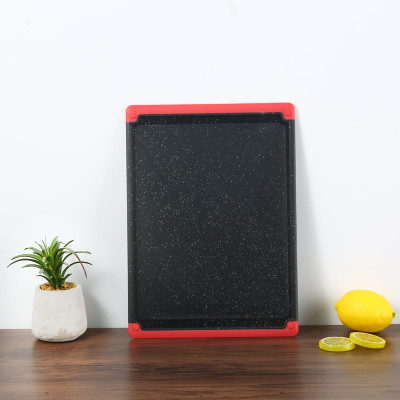
A Guide to Double-Sided Plastic Cutting Boards: Essential for Fermentation and Kitchen Hygiene
As a kitchen enthusiast, I know that a great meal begins with the right tools, and for me, the cutting board is foundational. It’s the starting block for nearly every recipe, a true workhorse of the culinary world. I’m here to share why a double-sided plastic cutting board, in particular, has become an absolute must-have in my kitchen, especially for my extensive fermentation projects and for maintaining top-tier kitchen hygiene. It’s a simple tool that offers profound benefits in safety, efficiency, and versatility.
Key Takeaways
For those short on time, here are the essential points to remember about double-sided plastic cutting boards:
- Hygiene is Paramount: The non-porous nature of high-quality plastic makes it resistant to bacteria absorption and easy to sanitize, which is critical for preventing cross-contamination, especially in sensitive processes like fermentation. Using one side for raw proteins and the other for produce is a simple and effective food safety strategy.
- Ideal for Fermentation: When preparing large batches of vegetables for fermenting, you need a spacious, non-reactive surface. Large plastic boards provide ample room to work, don't harbor unwanted bacteria that can spoil a ferment, and won't absorb the strong smells and vibrant colors from ingredients like cabbage, beets, or garlic.
- Durability and Maintenance: A good plastic board is sturdy and kind to your knives. Unlike wood, it doesn’t require regular oiling and is often dishwasher-safe for effortless deep cleaning. However, it's crucial to replace any plastic board once it develops deep grooves or scratches, as these can trap bacteria.
- Smart Selection: When choosing a board, focus on thickness for stability and look for features like non-slip edges and juice grooves. A thickness of at least 1.25 inches is ideal for stability, though many quality plastic boards offer great performance at around 0.5-1.0 inches.
Why Your Fermentation Projects Need a Double-Sided Plastic Cutting Board
Fermentation is a delicate dance of microbes, where cleanliness is not just a preference but a prerequisite for success. The entire process hinges on creating an environment where beneficial bacteria can thrive while harmful ones are kept at bay. This is why your choice of cutting board is more critical than you might think.
Ample Space for Large Yields
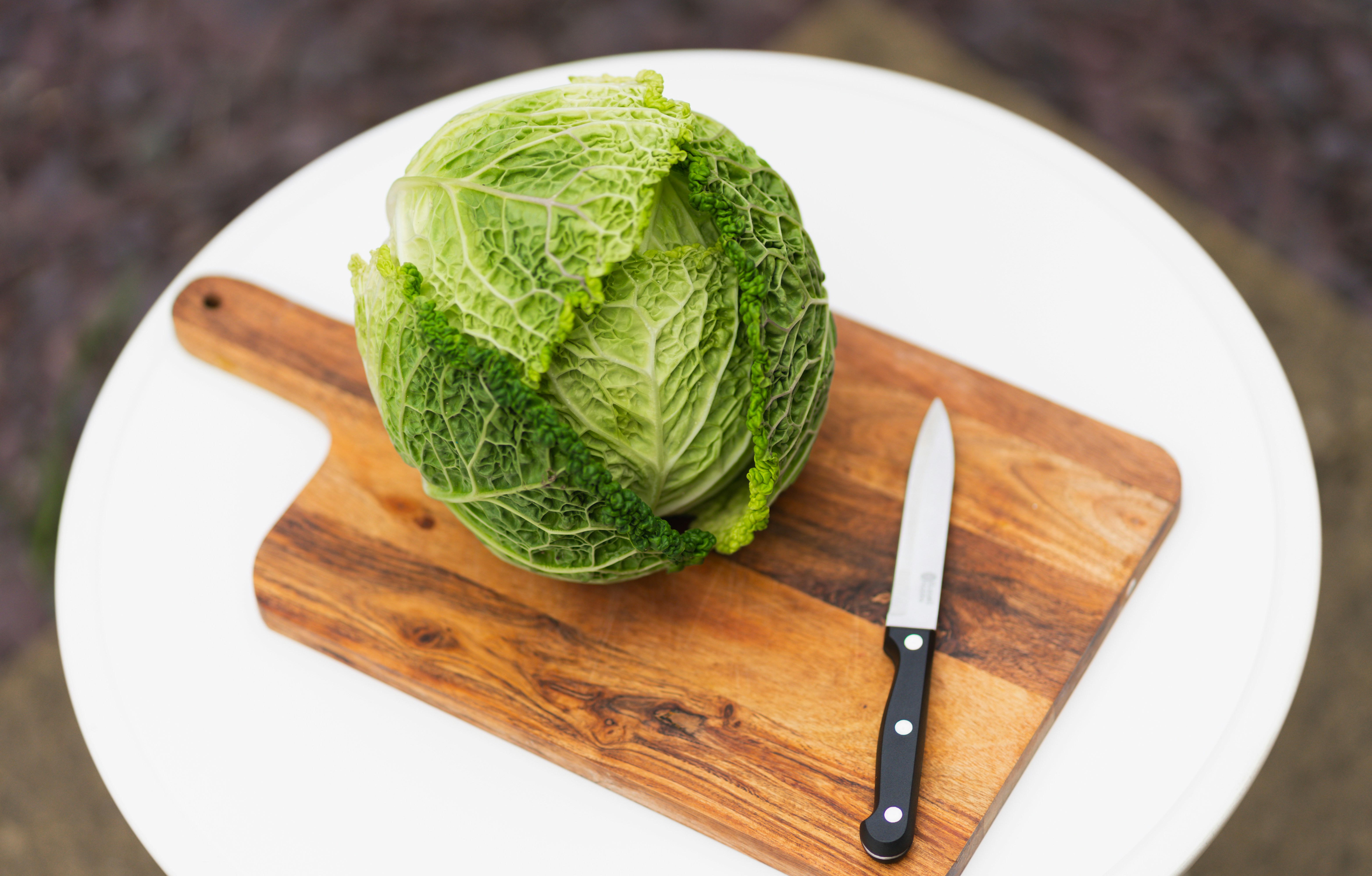
If you've ever tried to shred a massive head of cabbage for sauerkraut on a tiny cutting board, you understand the struggle. Ingredients spill onto the counter, your workspace becomes chaotic, and the whole process feels inefficient. A large cutting board is more than a convenience; it's a complete prep station that transforms your workflow.
For fermentation, where you're often processing large quantities of vegetables at once, ample space is a non-negotiable. A board with generous dimensions, such as 15x20 inches or even larger, allows you to manage multiple ingredients without constantly stopping to clear space. You can pile shredded cabbage on one side while chopping other vegetables on another, keeping your mise en place organized and your counters clean. This efficiency is crucial for batch prepping, saving you significant time and frustration. Most home cooks find that a board around 12x18 inches is a versatile sweet spot, but for serious fermentation, bigger is almost always better.
No More Stains or Lingering Smells
Fermentation involves some potent ingredients. Think of the vibrant purple of beets, the bright orange of turmeric, or the pungent aroma of garlic and onions. These can wreak havoc on porous surfaces like wood, leaving behind stubborn stains and smells that can transfer to other foods.
This is where a high-quality, non-porous plastic cutting board truly shines. Its surface doesn't absorb liquids or odors, which means the ghost of last week's garlic won't haunt your fruit salad. While even plastic boards can develop odors if left with pungent ingredients for too long, they are exceptionally easy to deodorize. A simple scrub with a paste of baking soda and water or a wipe-down with white vinegar is usually enough to neutralize any lingering smells from garlic, onion, or fish. For tough stains, the same combination of lemon juice and coarse salt used for wooden boards can be effective without damaging the surface.
| Stain/Odor Source | Recommended Cleaning Method for Plastic Boards | Citation |
|---|---|---|
| General Odors (Garlic, Onion) | Wipe with white vinegar and let sit for 5 minutes before rinsing. | |
| Strong Fish Smell | Create a paste of baking soda and water, let it sit, then scrub and rinse. | |
| Tough Stains (Beets, Turmeric) | Apply a paste of baking soda and lemon juice and let it sit for 10-15 minutes. | |
| Musty/Moldy Smell | Treat with hydrogen peroxide or white vinegar; exposure to sunlight can also help. |
Superior Hygiene for Successful Fermenting
Successful fermentation relies on controlling the microbial environment. You want to encourage the growth of beneficial lactic acid bacteria while preventing contamination from unwanted mold, yeast, or harmful pathogens. Every tool that touches your ingredients—from your hands to your cutting board—can introduce foreign microbes.
Plastic cutting boards offer a significant hygienic advantage because their non-porous surface is easier to clean and sanitize. While well-maintained wood has natural antimicrobial properties, scratches and grooves in any cutting board can harbor bacteria. However, plastic boards, especially those that are dishwasher-safe, can be run through a high-heat cycle for thorough sanitization. For manual cleaning, after washing with hot, soapy water, you can easily sanitize a plastic board with a solution of one tablespoon of unscented chlorine bleach per gallon of water. This level of cleanliness is crucial to prevent bad batches of ferments, which can be ruined by exposure to unwanted microorganisms.
Using a double-sided board elevates this hygiene. You can dedicate one side strictly to produce for your ferments and the other side to raw meat, poultry, or seafood, creating a simple yet powerful barrier against cross-contamination. This diligence ensures your ferments are not only delicious but also safe.
Everyday Advantages of a Quality Double-Sided Plastic Cutting Board
Beyond the specialized world of fermentation, a double-sided plastic cutting board is a powerhouse for daily cooking. Its practical design enhances safety, streamlines meal prep, and simplifies cleanup, making it an indispensable tool for any busy kitchen.
A Sturdy Base for Your Knives
A common concern among culinary enthusiasts is how a cutting surface affects the longevity of their knives. A good cutting board should be firm enough to provide a stable cutting surface but soft enough to be gentle on a blade's fine edge. Using materials that are too hard, like glass, granite, or ceramic, can dull or even damage a knife almost instantly.
High-quality plastic, particularly High-Density Polyethylene (HDPE), strikes an excellent balance. It yields just enough to protect your knife's edge from rolling or chipping, helping it stay sharper for longer. While some tests suggest that wood or rubber boards are slightly more forgiving, modern HDPE boards are specifically engineered to be easy on knives while offering superior durability and hygiene. The key is to choose the right type of plastic; softer, Low-Density Polyethylene (LDPE) is even gentler on knives but will show scores more easily, whereas harder HDPE offers greater longevity. Ultimately, plastic provides a far better surface for your knives than hard alternatives and is a practical choice for everyday use.
It's also important to remember that all plastic boards will wear out over time. Once they develop deep grooves and scratches, they not only become harder to sanitize but can also become tougher on your knives. At that point, it’s time for a replacement.
Kitchen Versatility and Easy Cleanup
The true genius of a double-sided cutting board lies in its two-in-one functionality, which enhances both efficiency and food safety. This design allows you to dedicate one side to raw proteins like meat, poultry, and fish, and the other to ready-to-eat foods like vegetables, fruits, and bread. This simple habit dramatically reduces the risk of cross-contamination—a leading cause of foodborne illness. It saves space and money by eliminating the need for multiple boards, making it ideal for kitchens of any size.
When it comes to cleanup, convenience is key. Many high-quality plastic and composite cutting boards are dishwasher safe, allowing for effortless and thorough sanitization in a high-heat cycle. For those that aren't, or for a quick wash, their non-porous surface makes them easy to clean with just hot, soapy water. Unlike wood, which requires careful hand-washing and should never be soaked, plastic boards can handle more rigorous cleaning methods without warping or splitting, provided they are made of a durable material like HDPE. This resilience and ease of maintenance make plastic boards a practical and reliable choice for the demands of daily cooking.

My Tips for Choosing the Best Double-Sided Plastic Cutting Board
Selecting the right cutting board is about more than just picking a color or size. When you invest in a quality tool, you're investing in your kitchen's safety, efficiency, and even the longevity of your knives. Based on my experience, here’s what you should focus on when choosing a double-sided plastic board that will truly meet your needs.
Focus on Thickness and Key Features
A cutting board's performance is heavily influenced by its construction. Paying attention to details like thickness, material, and functional features will ensure you get a board that is both a pleasure to use and built to last.
Thickness and Stability: The thickness of a cutting board directly impacts its stability and durability. A thicker board is less likely to warp over time, especially with repeated dishwasher cycles, and provides a more solid and secure cutting surface. For plastic boards, a thickness of at least 1/2 inch is a good starting point for everyday home use, as it offers a balance of stability and manageable weight. Professional-grade boards are often 3/4 inch to 1 inch thick, providing maximum durability for heavy use. A thin, flimsy board can be frustrating and unsafe, so investing in a thicker, high-density polyethylene (HDPE) board is always a wise choice.
NSF Certification: If you see an "NSF Certified" stamp on a cutting board, it means it has been tested and approved by the National Sanitation Foundation for food safety. This certification guarantees that the material is non-porous (or non-absorbent), durable, and resistant to chipping, cracking, and warping under commercial kitchen conditions. For home cooks serious about hygiene, an NSF-certified board from a brand like Chopaid provides peace of mind that you're using a tool that meets professional standards for cleanliness and safety.
Juice Grooves: A juice groove is a shallow trench that runs around the perimeter of the board. This seemingly small feature is incredibly useful for keeping your countertops clean. It catches liquids from juicy fruits like tomatoes and watermelon or run-off from resting meats, preventing messes and reducing the risk of cross-contamination.
Non-Slip Edges or Feet: One of the biggest kitchen hazards is a cutting board that slides around on the counter. Many modern plastic boards have built-in non-slip features, such as rubberized edges or silicone feet, that grip the countertop and keep the board securely in place. A stable board allows for more precise and confident knife work, which ultimately makes you a safer and more efficient cook.
By prioritizing these key features, you'll find a double-sided plastic cutting board that not only excels in hygiene and versatility but also stands up to the rigors of a busy kitchen.
Frequently Asked Questions (FAQ)
Q: How often should I replace my plastic cutting board? A: You should replace your plastic cutting board when it develops deep knife grooves, cracks, or becomes heavily stained. These grooves can harbor bacteria that are difficult to remove even with diligent washing. A general guideline for home use is to replace them every 12 to 24 months, depending on frequency of use.
Q: Are plastic cutting boards really safe for my knives? A: Yes, high-quality plastic cutting boards made from materials like HDPE (High-Density Polyethylene) are considered knife-friendly. They are softer than hard materials like glass or stone, which can quickly dull a blade. While wood and rubber are often cited as being slightly gentler, a good plastic board offers an excellent compromise between knife care, durability, and hygiene.
Q: What is the best way to sanitize a plastic cutting board? A: The best way to sanitize a plastic cutting board is to wash it in a dishwasher if it is rated as dishwasher-safe. The high heat is very effective. Alternatively, you can hand-wash it with hot, soapy water and then sanitize it by flooding the surface with a solution of one tablespoon of unscented chlorine bleach per gallon of water. Let the solution stand for a few minutes, then rinse thoroughly and let it air dry.
Q: Can I use both sides of any plastic cutting board? A: Only if it is designed as a double-sided or reversible board. Many boards have non-slip feet on one side, making only the top surface usable. True double-sided boards have two flat, functional surfaces and often achieve stability through their weight or non-slip material integrated into the edges.
Conclusion
My double-sided plastic cutting board is truly indispensable in my kitchen, particularly for my passion for fermentation and my unwavering commitment to excellent hygiene. It has proven itself to be far more than just a surface for chopping; it's a foundational tool that brings safety, efficiency, and versatility to every meal I prepare.
Its remarkable resistance to stains and odors means I can switch from dicing beets to slicing apples without a second thought. The ease of sanitization, especially being able to use a dishwasher, gives me the confidence that I'm starting every recipe—especially my sensitive ferments—with a perfectly clean slate. This robust, low-maintenance design makes it a versatile, long-lasting, and highly recommended tool for any home cook looking to elevate their kitchen practices. I encourage you to consider adding one to your culinary arsenal; it’s a simple change that can make a world of difference.