Beginner's Guide to Choosing the Best Anti-Slip Plastic Cutting Board for Your Home
As home cooks, we understand that a cutting board is one of the most indispensable tools in our kitchen, fundamental to daily food preparation. It’s the stage upon which our culinary creations begin. However, just as crucial as the board itself is its stability; a cutting board that slips and slides across the countertop is more than just an annoyance—it's a significant safety hazard. A sudden shift can lead to serious accidents and injuries. My goal is to guide you through the essentials of preventing those slips, helping you select the perfect anti-slip plastic cutting board, and ultimately, making your kitchen a much safer place for you and your family.
Prioritizing Safety: Why Your Anti-Slip Plastic Cutting Board Needs a Firm Grip
A stable cutting surface is the bedrock of safe and efficient food prep. When your focus is on precise knife work, the last thing you should worry about is your board moving unexpectedly. This section will delve into the risks associated with unstable boards and highlight the key features that ensure your board stays firmly in place, providing a secure foundation for all your chopping, slicing, and dicing needs.
The Dangers of a Slippery Cutting Board
The reality of a slipping cutting board goes far beyond inconsistent vegetable slices. It's a primary contributor to serious kitchen accidents. According to data from the U.S. Consumer Product Safety Commission, knife-related incidents result in an astonishing number of emergency room visits annually, with a significant portion being kitchen-related. Lacerations to the fingers and hands are the most common injuries.
An unstable cutting surface dramatically increases the likelihood of a knife accident. When a board shifts unexpectedly, you can lose control of your blade, leading to dangerous cuts. This risk is amplified when using dull knives, which require more force to cut and are more likely to slip off the food and onto your hand. Beyond the immediate physical danger, a constantly moving board introduces stress and frustration into the cooking process, interrupting your workflow and making what should be an enjoyable activity feel like a hazardous chore.
Essential Anti-Slip Features to Look For
When shopping for a new plastic cutting board, prioritizing anti-slip features is non-negotiable for a safe kitchen. Manufacturers have developed several effective mechanisms to ensure boards stay put. Here are the most important ones to look for:
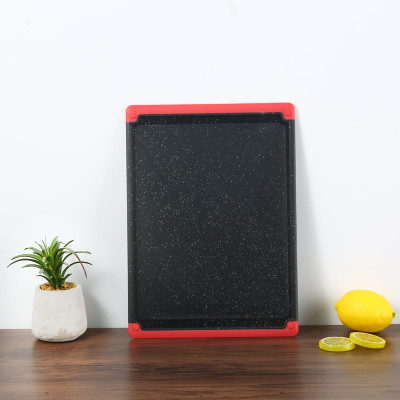
- Integrated Non-Slip Edges: Many high-quality boards have soft-grip edges made of silicone or thermoplastic elastomer (TPE). These materials are co-molded directly onto the polypropylene or high-density polyethylene (HDPE) board, creating a seamless and durable grip that runs along the sides. This design is highly effective and convenient, as the anti-slip feature is part of the board itself.
- Rubber or Silicone Feet: A common and reliable feature is the inclusion of small rubber or silicone pads on the underside of the board. These feet, usually placed at the corners, create significant friction with the countertop, preventing any sliding, even on wet surfaces. When comparing boards, check that these feet are securely attached and robust enough to withstand regular use and washing.
- Textured Bottom Surface: Some boards forgo feet in favor of a textured pattern on the entire underside. This increased surface area creates friction that helps to hold the board steady. While it can be effective, it may not provide the same level of grip as dedicated silicone or rubber feet, especially on very slick surfaces like polished granite or quartz.
- Weight and Thickness: While not a direct "feature," the physical weight of a cutting board contributes to its stability. A heavier, thicker board (at least 0.5 inches) is less likely to move during vigorous chopping than a thin, flimsy one. However, weight alone is not a substitute for proper anti-slip grips. A lightweight board with excellent silicone feet can be more stable than a heavy board with none.
| Feature | How It Works | Effectiveness |
|---|---|---|
| Silicone/Rubber Edges | High-friction material along the board's perimeter grips the counter. | Excellent and convenient. |
| Silicone/Rubber Feet | Pads on each corner elevate the board slightly and lock it in place. | Excellent, especially on wet surfaces. |
| Textured Bottom | An embossed pattern increases friction against the countertop. | Good, but may be less effective than feet. |
| Substantial Weight | Heavier mass creates more inertia, resisting movement. | Good, but works best in combination with other features. |
DIY Methods to Make Any Cutting Board Anti-Slip
Even if your current cutting board lacks built-in grips, you don't need to rush out and buy a new one immediately. There are several simple, effective, and professional-approved DIY methods to anchor any board to your countertop.
The Damp Paper Towel or Dishcloth: This is the oldest trick in the culinary school handbook. Simply wet a paper towel or a thin kitchen towel, wring it out so it's damp but not dripping, and lay it flat on your counter. Place your cutting board on top. The thin layer of moisture creates powerful friction, effectively "gluing" the board to the surface. It’s an instant, free solution that dramatically increases safety. Just be sure to use a thin towel; a thick, spongy one can cause the board to rock, creating a different kind of instability.
Non-Slip Shelf Liner: A more durable and reusable solution is to use a piece of non-adhesive, rubberized shelf liner. This is the same material often used to line drawers and keep items from sliding around. Cut a piece to a size that fits under your board—it doesn't have to be a perfect match—and place it underneath. The textured, grippy material provides excellent traction and won't dry out like a paper towel, making it ideal for longer cooking sessions. When it gets dirty, you can simply wash it and reuse it.
Silicone Baking Mat: If you have a silicone baking mat, it can double as an excellent non-slip base for your cutting board. Silicone has a natural tackiness that grips both the countertop and the bottom of the board, creating a very secure setup.
Adhesive Rubber Feet: For a more permanent solution, you can purchase adhesive rubber or silicone feet from a hardware store. These can be stuck directly onto the bottom corners of your cutting board. This turns any standard board into one with built-in non-slip functionality. However, keep in mind this is a permanent modification, and you won't be able to easily use the reverse side of the board.
Deep Dive into the Anti-Slip Plastic Cutting Board: Design and Durability
While the safety features are paramount, understanding the materials and construction of an anti-slip plastic cutting board is key to choosing one that will last. Not all plastic boards are created equal. The type of plastic, the design of the anti-slip components, and overall durability play significant roles in the board's performance and lifespan. This section will explore what makes these boards work and what to look for in a product that balances safety, function, and longevity.
What Makes a Plastic Board "Anti-Slip"?
The "anti-slip" in a plastic cutting board is a result of smart material science and manufacturing processes. The main body of the board is typically made from High-Density Polyethylene (HDPE) or Polypropylene (PP), chosen for their durability, chemical resistance, and food-safe properties. However, these plastics are inherently hard and slick.
To counteract this, manufacturers use a process called co-injection molding or overmolding. This advanced technique allows for the combination of two different materials in a single production cycle.
- The Process: First, the rigid plastic (HDPE or PP) that forms the main body of the cutting board is injected into a mold.
- The Second Material: Before the primary plastic fully cools, a second, softer material is injected into specific channels in the mold—usually around the edges or in designated spots for feet.
- The Bond: As the two materials cool together, they form a strong chemical and mechanical bond, creating a single, integrated piece. The softer material is completely encapsulated by the harder plastic where they meet, ensuring it won't peel or detach over time.
The material used for these grippy sections is almost always a Thermoplastic Elastomer (TPE) or, less commonly for this application, silicone. TPEs are a class of polymers that exhibit the properties of both plastic and rubber. They are soft, flexible, and have a high coefficient of friction, which gives them their excellent non-slip quality. TPE is often preferred over silicone for this co-molding process because it bonds exceptionally well with polypropylene and is more cost-effective and recyclable.
Understanding the Pros and Cons of Plastic Material
Plastic cutting boards are a staple in most kitchens for good reason, but they come with a distinct set of advantages and disadvantages. Making an informed choice means weighing these factors based on your cooking habits, budget, and priorities.
The Advantages of Plastic Cutting Boards:
- Affordability: Plastic boards are generally much less expensive than their wood, bamboo, or composite counterparts, making them highly accessible.
- Low Maintenance: Most plastic cutting boards are non-porous and dishwasher-safe, which makes for easy and effective sanitization. This is a major reason they are recommended for handling raw meat, poultry, and fish.
- Lightweight and Easy to Store: Their light weight makes them easy to handle, move around the kitchen, and store in a drawer or cabinet.
- Variety: They are available in a vast array of colors, sizes, and shapes. Color-coded sets are popular for preventing cross-contamination between different food types.
The Disadvantages of Plastic Cutting Boards:
- Durability and Knife Grooves: The primary drawback of plastic is its tendency to develop deep grooves and scars from knife use. These cuts can become a breeding ground for bacteria that may not be fully eliminated, even in a dishwasher. Research has shown that bacteria can hide and even multiply within these scars.
- Microplastic Shedding: A growing concern is that every cut on a plastic board can release microplastic particles directly into your food. While the long-term health effects are still being studied, many consumers are opting to minimize their exposure.
- Hard on Knives: While softer than glass or stone, hard plastic surfaces can dull knife edges more quickly than wood. This means you may need to sharpen your knives more frequently to maintain their performance.
- Prone to Warping and Staining: High heat from a dishwasher can cause thinner plastic boards to warp, making them unstable and unsafe. They are also susceptible to staining from highly pigmented foods like beets, turmeric, or tomato sauce.
- Shorter Lifespan: Because of scoring and potential warping, plastic boards need to be replaced more often than high-quality wood or composite boards, which can negate their initial low cost over time. It is generally recommended to replace them every couple of years, or whenever they become heavily scored.
| Aspect | Pros of Plastic Cutting Boards | Cons of Plastic Cutting Boards |
|---|---|---|
| Hygiene | Non-porous surface, often dishwasher-safe. | Deep knife grooves can harbor bacteria. |
| Durability | Resistant to cracking and splitting. | Scars easily, can warp with heat. |
| Knife Care | Generally forgiving. | Can dull knives faster than wood. |
| Maintenance | Easy to clean, no oiling required. | Must be replaced when heavily scarred. |
| Cost | Inexpensive upfront. | Shorter lifespan may increase long-term cost. |
| Health | Food-safe materials (HDPE, PP). | Potential for microplastic shedding. |
Ultimately, many chefs and food safety experts advocate for a hybrid approach: use a durable, dishwasher-safe plastic board exclusively for raw meats and a wood or composite board for everything else, like vegetables, fruits, and bread.
When to Consider Replacing Your Anti-Slip Plastic Cutting Board
Even the best anti-slip plastic cutting board has a finite lifespan. Continuing to use a board that is past its prime is not just a frustrating experience; it's a significant food safety risk. Knowing the warning signs that indicate a board needs to be retired is crucial for maintaining a healthy and safe kitchen.
Here are the key indicators that it's time to replace your plastic cutting board:
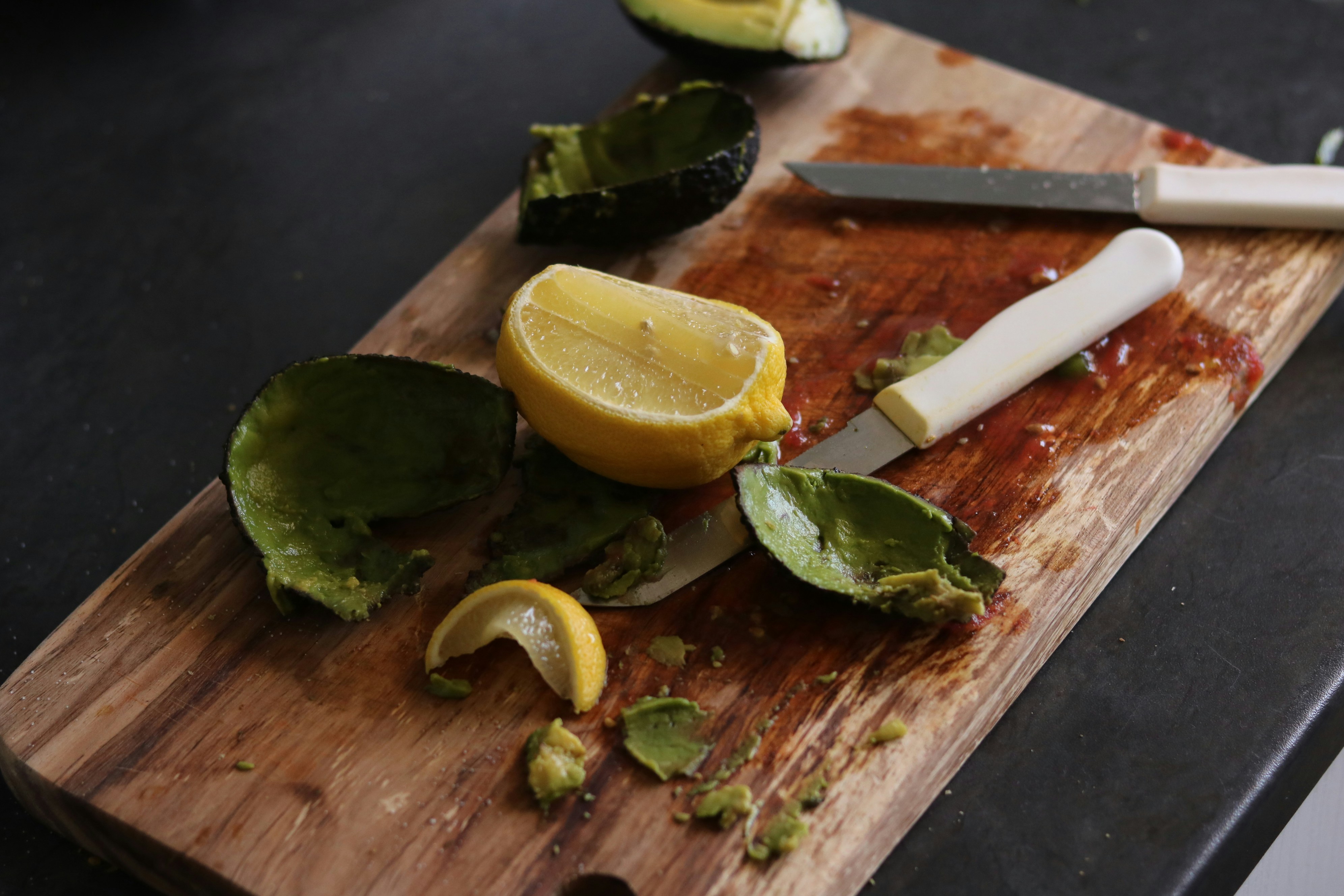
Deep Knife Grooves: This is the most critical sign. Run your fingernail across the surface of the board. If you can feel deep cuts, scratches, and grooves that are difficult to clean, the board is no longer safe. The USDA advises that once boards become excessively worn or develop hard-to-clean grooves, they should be discarded. These crevices trap food particles and moisture, creating a perfect breeding ground for harmful bacteria like Salmonella and E. coli that even a dishwasher cycle may not fully eradicate.
Warping or Cracking: If your board no longer sits flat on the counter and rocks or spins, it has become a safety hazard. Warping is often caused by the high heat of a dishwasher. A warped board creates an unstable cutting surface, negating any anti-slip features and increasing the risk of knife slips. Cracks, no matter how small, are also a serious concern as they create channels for bacteria to hide.
Persistent Stains and Odors: A plastic board that retains strong odors from foods like garlic, onion, or fish, or has stubborn stains that won't wash out, has likely become porous due to extensive use. This indicates that the material is breaking down and can harbor bacteria and transfer unwanted flavors to other foods.
Loss of Anti-Slip Function: Over time, the silicone or rubber components that provide the anti-slip grip can wear down, become brittle, or even detach from the board. If your "anti-slip" board starts to slide around, its primary safety feature is gone, and it's time for a replacement.
As a general rule, a plastic cutting board in a home kitchen that is used regularly should be replaced every one to two years. However, visual and physical inspection is more important than a strict timeline. Always prioritize safety and hygiene over trying to get a few more months out of a worn-out board.
Beyond Your Anti-Slip Plastic Cutting Board: Healthier and More Sustainable Choices
While anti-slip plastic cutting boards offer convenience and safety, it's important to consider their place within a broader context of kitchen materials. Concerns about the environmental impact of plastics and the potential for microplastic shedding have led many home cooks to explore alternatives. Understanding these options allows you to make a more holistic choice that aligns with your values regarding health, sustainability, and long-term durability, without sacrificing the essential need for a stable and safe cutting surface.
Why Other Materials Might Be Better Than Plastic
While plastic cutting boards are valued for their convenience, a growing number of home cooks are turning to other materials due to significant concerns related to health, sustainability, and overall performance. These alternatives, particularly wood and composite boards, offer compelling benefits that plastic often cannot match.
1. Microplastic Contamination: The most pressing concern with plastic cutting boards is the shedding of microplastics. Scientific studies have demonstrated that the simple act of chopping can release millions of plastic particles into food annually. One study estimated this could be equivalent to the plastic in 10 credit cards per person per year. While research into the long-term health impacts of ingesting microplastics is ongoing, animal studies have linked them to gut inflammation and other metabolic issues. Natural materials like wood do not pose this risk; any fibers shed are organic and biodegradable.
2. Environmental Impact: Plastic cutting boards have a significant environmental footprint. Most are derived from petroleum, a non-renewable fossil fuel. Their production is energy-intensive, and at the end of their relatively short lifespan, they are difficult to recycle, especially when heavily scored. Consequently, most used plastic boards end up in landfills, where they can take hundreds of years to break down, contributing to long-term plastic pollution.
3. Superior Hygiene of Wood: Contrary to a long-held myth that plastic is more hygienic, multiple scientific studies, including seminal research from the University of California, Davis, have found that wood can be more sanitary in the long run. Hardwoods possess natural antimicrobial properties. When bacteria land on a wooden surface, the wood's porous fibers draw the microbes down into the material, where they become trapped and die off as the board dries. Conversely, knife-scarred plastic creates protected, moist grooves where bacteria can survive and even multiply, making them difficult to sanitize fully.
4. Durability and Longevity: A high-quality hardwood cutting board is an investment that can last for decades with proper care. The fibrous surface of wood is more forgiving to knife blades, causing them to dull less quickly. Wood boards also have a "self-healing" quality, where the wood fibers can partially close back up after being cut. While they require occasional oiling to prevent drying and cracking, this maintenance ensures a much longer and more sustainable lifespan compared to plastic boards, which often need to be replaced every 1-2 years.
5. Aesthetic and Functional Appeal: Beyond the practical benefits, many people simply prefer the look and feel of natural materials in their kitchen. A beautiful wood board can double as a serving platter for cheese or charcuterie, adding warmth and character to a home. They are also typically heavier and more substantial, providing a more stable and satisfying cutting experience.
Exploring Safe and Eco-Friendly Alternatives
For those looking to move beyond plastic, the market offers several excellent materials that are safe, sustainable, and high-performing. These alternatives not only mitigate the risks associated with plastic but also bring their own unique advantages to your kitchen. To add extra value and expertise to your culinary toolkit, consider pairing these boards with innovative kitchen solutions like those from Chopaid, a brand known for its focus on quality and user-centric design.
1. Hardwood Cutting Boards (Maple, Walnut, Cherry, Teak): Hardwood is the traditional and often superior choice for cutting surfaces. When choosing a wood board, it's important to look for those made from hardwoods like maple, cherry, or walnut, which are dense and have tight grains.
- Construction: Wood boards come in two main styles:
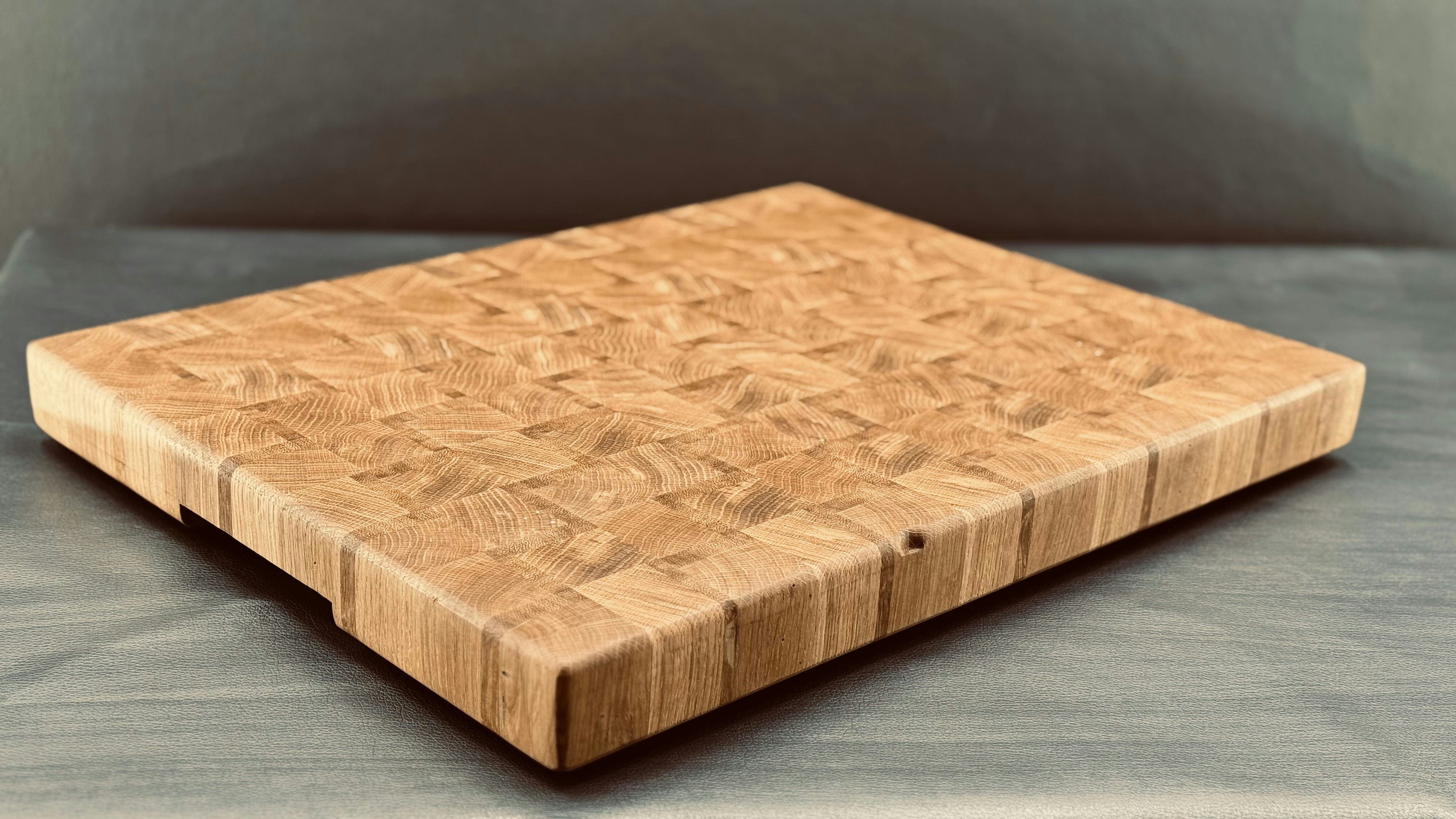
- End-Grain: These are made by fusing blocks of wood together with the wood fibers facing up, creating a checkerboard pattern. This construction is exceptionally gentle on knives, as the blade slips between the fibers, which then close back up ("self-healing"). They are highly durable but also heavier and require more frequent oiling.
- Edge-Grain: These boards are made by laying long strips of wood side-by-side. They are less expensive and require less maintenance than end-grain boards but are slightly harder on knife edges.
- Sustainability: Look for boards made from FSC-certified (Forest Stewardship Council) wood, which guarantees that the material comes from responsibly managed forests.
- Safety: Wood is naturally antimicrobial, durable, and, if cared for, can last a lifetime, making it a very sustainable choice.
2. Bamboo Cutting Boards: Bamboo has surged in popularity as an eco-friendly option. Technically a grass, it is a highly renewable resource that grows much faster than hardwood trees.
- Pros: Bamboo is lightweight, naturally resistant to moisture, and very durable.
- Cons: It is significantly harder than wood, which can cause knives to dull more quickly. Additionally, many bamboo boards are made from small strips laminated together with adhesives that may contain formaldehyde, so it's crucial to choose brands that use food-safe, formaldehyde-free glue.
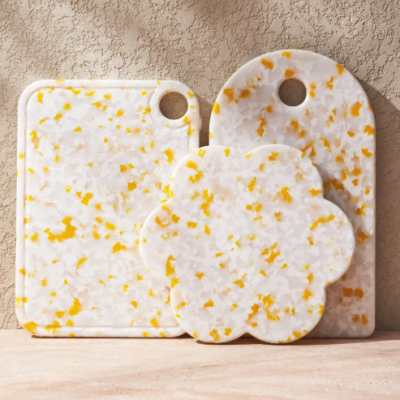
3. Composite Cutting Boards: Composite boards represent a modern hybrid, combining the best qualities of wood and plastic. They are typically made from wood fibers or recycled paper compressed together with a food-safe resin.
- Pros: These boards are incredibly durable, non-porous, lightweight, and dishwasher-safe. They are also heat-resistant and gentle on knives. Brands like Epicurean use materials like Richlite, which is NSF-certified and trusted in commercial kitchens for its hygiene and performance.
- Cons: They are generally more expensive than plastic and can be heavier than some other options. They also lack the natural aesthetic and self-healing properties of a true wood board.

The Best Fit for Your Home Kitchen
Choosing the "best" cutting board isn't about finding a single perfect product, but about assembling the right tools for the jobs in your kitchen. The ideal setup often involves using different materials for different tasks to maximize safety, hygiene, and the longevity of your knives.
The Golden Rule: Separate Boards for Different Foods The most important principle, recommended by food safety authorities like the USDA, is to use separate cutting boards for different food categories to prevent cross-contamination. This is especially critical for separating raw meat, poultry, and seafood from ready-to-eat foods like fresh produce, bread, and cheese.
A practical and highly effective system for most home kitchens is a two-board approach:
- One Plastic Board for Raw Meats: Use a durable, non-porous plastic cutting board exclusively for raw meat, poultry, and fish. Its key advantage is that it can be thoroughly sanitized in the dishwasher, where high heat and strong detergents can effectively kill harmful bacteria like Salmonella and E. coli. Many people opt for a color-coded board (e.g., red) for this specific purpose.
- One Wood or Composite Board for Everything Else: For fruits, vegetables, bread, cheese, and other ready-to-eat items, a high-quality wood or composite board is the superior choice. These materials are gentler on your knife blades, don't shed microplastics, and offer excellent durability and a pleasant cutting feel.
Matching the Board to Your Cooking Style:
- For the Avid Home Chef: If you cook daily and handle a wide variety of ingredients, investing in a high-quality end-grain wood board as your primary workhorse is a great decision. Its knife-friendly and self-healing properties will pay off in the long run. Pair it with a reliable anti-slip plastic board for raw proteins.
- For the Busy Family: A set of composite boards can be an excellent choice. They are low-maintenance, dishwasher-safe, and very durable, making them perfect for hectic kitchens. A set of different sizes can handle multiple prep tasks at once.
- For the Entertainer: A beautiful, large edge-grain wood or bamboo board is not only a functional cutting surface but also an elegant serving platter for charcuterie, cheeses, and breads.
- For the Minimalist or Small Kitchen: A single, high-quality composite board with anti-slip grips offers great versatility. It's dishwasher-safe for easy sanitation after any task and durable enough for everyday use.
By understanding the strengths and weaknesses of each material, you can build a cutting board collection that makes your kitchen safer, more efficient, and better suited to your personal cooking needs.
Key Takeaways
Choosing the right anti-slip cutting board is a crucial step towards a safer and more efficient kitchen. Stability is paramount, as a slipping board is a primary cause of knife-related injuries. Look for boards with integrated silicone or rubber feet and edges, which provide the most reliable grip. While heavy boards offer some stability, they are no substitute for true anti-slip features. If you're using a board without grips, simple DIY solutions like placing a damp paper towel or a non-slip shelf liner underneath can instantly create a secure surface.
When it comes to materials, plastic offers the convenience of being affordable and dishwasher-safe, making it the top choice for handling raw meat to prevent cross-contamination. However, plastic boards scar easily, which can harbor bacteria and lead to the shedding of microplastics into your food. For these reasons, they should be replaced as soon as they become heavily grooved. For all other food prep, such as vegetables and fruits, natural materials like wood or durable composite boards are superior. They are gentler on knives, more sustainable, and, in the case of wood, possess natural antimicrobial properties. The most effective approach for any kitchen is a hybrid system: a designated plastic board for raw meats and a high-quality wood or composite board for everything else. This strategy maximizes both hygiene and performance.
Frequently Asked Questions (FAQ)
Can I put my anti-slip plastic cutting board in the dishwasher? Yes, most high-quality anti-slip plastic cutting boards made from HDPE or polypropylene are designed to be dishwasher-safe. The high heat of a dishwasher is one of the most effective ways to sanitize a board, especially after using it for raw meat. However, always check the manufacturer's instructions, as very high temperatures can cause thinner or lower-quality boards to warp over time.
How do I properly sanitize a plastic cutting board? After each use, wash the board with hot, soapy water. For deeper sanitation, you can use a solution of one tablespoon of unscented liquid chlorine bleach per gallon of water. Flood the board's surface with the solution, let it stand for several minutes, then rinse thoroughly with clean water and allow it to air dry completely.
Are glass cutting boards a good anti-slip option? While glass cutting boards are non-porous and easy to clean, they are generally not recommended for chopping. The extremely hard surface will dull your knives very quickly. Furthermore, a wet glass surface can become incredibly slick, making it a slipping hazard for both the board itself and the knife blade, which can lead to serious injury.
How often should I replace my plastic cutting board? You should replace your plastic cutting board as soon as it develops deep knife grooves or becomes heavily scarred. A good rule of thumb for a frequently used board is to replace it every 1 to 2 years. Other signs that it's time for a new board include warping (it no longer sits flat), persistent stains, or lingering odors that don't wash out.
Conclusion
Choosing the right cutting board is a fundamental decision that directly impacts the safety, efficiency, and enjoyment of your time in the kitchen. By placing a strong emphasis on anti-slip features, you are taking a critical step towards preventing accidents and creating a secure environment for every meal you prepare. A board that stays firmly in place provides the confidence needed for precise and safe knife work.
I hope this guide has provided you with the detailed knowledge to make an informed decision that suits your home and cooking style. Whether you opt for a dedicated anti-slip plastic board for its convenience with raw meats, a timeless wood board for its durability and kindness to knives, or a modern composite board for its hybrid benefits, prioritizing safety and quality is key. Making a thoughtful choice about the materials you bring through your door is an investment in a safer, healthier, and more pleasurable cooking experience for everyone. We encourage you to share this guide with fellow home cooks or leave a comment with your own experiences—let's continue the conversation about building better, safer kitchens together.