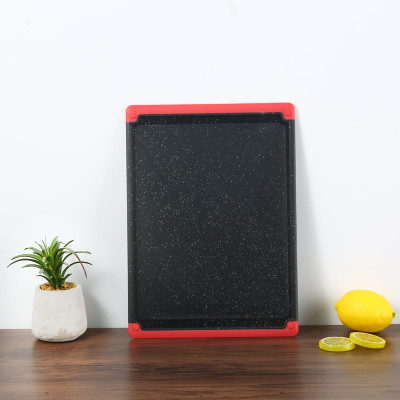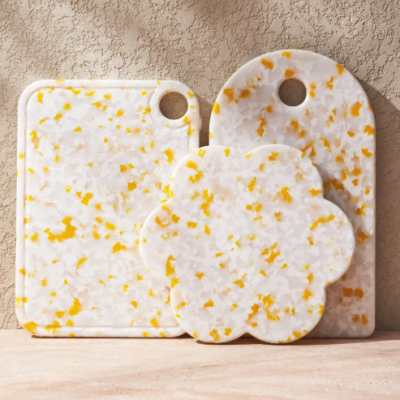
Everything You Need to Know About Dishwasher-Safe Wheat Straw Cutting Boards
As we embrace modern kitchen conveniences, a crucial tool often overlooked is the cutting board. Traditional wood or bamboo boards, while classic, often pose a challenge when it comes to thorough sanitization in the dishwasher. But what if there was a solution that offers hygiene, durability, and eco-friendliness?
That's where dishwasher-safe cutting boards made from innovative materials like wheat straw come into play. They promise to transform our daily meal prep, merging convenience with impeccable kitchen hygiene. Join us as we explore everything you need to know about these practical kitchen essentials.
Key Takeaways
- Hygiene is Paramount: The primary advantage of a dishwasher-safe wheat straw cutting board is its ability to be sanitized effectively. The high temperatures and potent detergents in a dishwasher cycle are far more effective at killing harmful bacteria like E. coli and Salmonella than standard hand washing, significantly reducing the risk of cross-contamination in your kitchen.
- Superior Durability: Unlike traditional wood or bamboo, which can warp, crack, or split when exposed to the high heat and moisture of a dishwasher, wheat straw composite boards are engineered for this environment. They are non-porous and temperature-stable, ensuring they maintain their shape and integrity for years of use, saving you money and frustration in the long run.
- Understanding the Material: "Wheat straw" cutting boards are not made of pure, raw straw. They are advanced composites, typically blending reclaimed wheat straw fibers with a durable, food-safe polymer like polypropylene (PP). This combination creates a material that is tough, knife-friendly, and resistant to moisture, all while reducing the overall amount of petroleum-based plastic used.
- Making an Informed Choice: When selecting a board, consider size and thickness in relation to your counter space and dishwasher capacity. Look for crucial safety certifications like NSF (for commercial-grade sanitation standards), FDA-compliant (ensuring materials are safe for food contact), and BPA-free, which guarantees the absence of this harmful chemical.
- Eco-Conscious, Not Eco-Perfect: Wheat straw boards represent a positive step in sustainability. They repurpose agricultural waste that would otherwise be burned or discarded, and they reduce the reliance on virgin plastics. However, it's important to recognize that due to the polymer binder, most are not biodegradable or compostable in a home setting. Their longevity, however, means less frequent replacement and reduced landfill waste over time.
The Advantages of a Dishwasher-Safe Wheat Straw Cutting Board for Your Kitchen
The modern kitchen is a hub of efficiency and creativity, and the tools we use should reflect that. A cutting board is foundational to nearly every meal, but its role in kitchen hygiene and workflow is often underestimated. Opting for a dishwasher-safe wheat straw cutting board introduces a suite of benefits that can elevate your entire cooking experience.
Unparalleled Hygiene and Safety: Why Dishwasher Safe Matters
The number one enemy in a safe kitchen is cross-contamination. When you prep raw chicken and then use the same surface for salad greens, you risk transferring dangerous pathogens like Salmonella, E. coli, and Campylobacter. While hand washing helps, it's often not enough to eliminate these invisible threats, especially from the microscopic knife grooves on a cutting board's surface.
This is where the "dishwasher-safe" feature becomes a non-negotiable for health-conscious cooks. Here’s why it’s a game-changer:
- Thermal Sanitization: To be effective, water must reach a high temperature to kill bacteria. Most home dishwashers use water heated to between 130°F and 170°F (55°C to 75°C), especially during high-heat or sanitizing cycles. These temperatures are difficult and unsafe to achieve with hand washing but are highly effective at neutralizing common foodborne pathogens.
- Chemical Disinfection: Dishwasher detergents contain powerful surfactants, enzymes, and bleaching agents that are specifically formulated to break down food residues and kill microorganisms. The combination of these chemicals with hot water provides a one-two punch against germs that soap and a sponge simply can't replicate.
- Complete Coverage: A dishwasher's spray arms ensure that every inch of the cutting board's surface, including the edges and any juice grooves, is blasted with hot, soapy water, leaving no corner for bacteria to hide.
By placing your wheat straw board in the dishwasher after use, you are employing a systematic, science-backed method of sanitization, ensuring the surface you prepare your family's food on is as clean and safe as possible.
Durability Designed for Modern Kitchens: Resisting Warping and Wear
Anyone who has ever mistakenly put a beloved wooden or bamboo cutting board in the dishwasher knows the heartbreak that follows. The intense heat and prolonged exposure to water cause the natural fibers to swell unevenly, leading to devastating consequences:
- Warping: The board no longer lies flat, creating an unstable and dangerous cutting surface.
- Cracking and Splitting: As the wood dries out, it can crack along the grain or split at the seams if it's a glued board.
- Loss of Oils: The natural oils that protect the wood are stripped away, leaving it dry, brittle, and even more susceptible to moisture damage.
Dishwasher-safe wheat straw cutting boards are specifically engineered to overcome these challenges. They are made from a composite material, typically wheat straw fibers suspended in a matrix of food-grade polypropylene. This construction grants them remarkable resilience. The non-porous nature of the composite means it doesn't absorb water like wood, so it won't swell. The polymer binder provides high-temperature stability, so it won't lose its shape or integrity even in the hottest dishwasher cycle. This durability means your investment lasts longer, and you can rely on a flat, safe cutting surface every single time.

The Convenience Factor: Easy Cleaning, More Time for What You Love
Our time is valuable. The last thing anyone wants after creating a beautiful meal is to spend an extra 15 minutes scrubbing and oiling a cutting board. The convenience of a dishwasher-safe board cannot be overstated.
| Cleaning Method | Traditional Wood/Bamboo Board | Dishwasher-Safe Wheat Straw Board |
|---|---|---|
| Step 1 | Scrape off debris. | Scrape off debris. |
| Step 2 | Wash with hot, soapy water. | Place in the dishwasher. |
| Step 3 | Sanitize with vinegar or bleach solution. | Run the dishwasher cycle. |
| Step 4 | Rinse thoroughly. | Remove from the dishwasher. |
| Step 5 | Dry immediately and completely with a towel. | Air dry or put away. |
| Step 6 | Store upright to ensure even air circulation. | Store in a drawer or cabinet. |
| Step 7 (Periodic) | Apply food-grade mineral oil. Let soak. | N/A |
The workflow is dramatically simplified. You eliminate multiple steps, harsh chemicals, and the time-consuming monthly maintenance of oiling. This isn't just about saving a few minutes here and there; it's about removing a point of friction from your daily routine, making the entire cooking process more enjoyable and less of a chore.
Beyond Basic: Understanding the Materials in Your Dishwasher-Safe Wheat Straw Cutting Board and Other Options
The term "wheat straw cutting board" can be slightly misleading. It evokes images of a purely natural, fibrous surface. However, the true innovation lies in the material science that transforms agricultural waste into a high-performance kitchen tool. Understanding this composition is key to appreciating its benefits and comparing it to other available options.
What Makes a Wheat Straw Cutting Board Dishwasher Safe?
A dishwasher-safe wheat straw cutting board is not made from 100% wheat straw. It is a composite material. The process typically involves:
- Harvesting the Byproduct: After wheat is harvested for grain, the leftover stalks (straw) are collected. This is an agricultural byproduct that might otherwise be burned or tilled back into the soil.
- Processing the Fiber: The straw is cleaned and ground into a fine, fibrous powder.
- Compounding: This wheat straw powder is then mixed with a food-safe polymer, most commonly polypropylene (PP). This plastic acts as a binder, encapsulating the wheat fibers. Colorants and other food-safe additives may also be included at this stage.
- Molding: The resulting composite material is heated and injection-molded into the shape of a cutting board.
It is the polypropylene binder that is the secret to the board's dishwasher-safe properties. Polypropylene is a thermoplastic known for its excellent resistance to heat, chemicals, and moisture. It provides the structural integrity and non-porous surface that prevents the board from warping, cracking, or absorbing water and bacteria, even under the harsh conditions of a dishwasher. The wheat straw fibers add rigidity and reduce the total amount of petroleum-based plastic needed to produce a sturdy board, lending an eco-friendlier profile to the final product.
Comparing Wheat Straw with Other Dishwasher-Safe Materials
Wheat straw composites occupy a unique middle ground, but they aren't the only dishwasher-safe option. Here’s how they stack up against other common choices.
Plastic (Polypropylene/HDPE): The Workhorse Option
High-Density Polyethylene (HDPE) and Polypropylene (PP) boards are the most common and affordable dishwasher-safe options. They are lightweight, available in a rainbow of colors (great for preventing cross-contamination by color-coding), and are generally gentle on knife edges. However, their primary drawback is their relative softness. Over time, they can develop deep knife grooves. These scratches can be difficult to clean and may become a breeding ground for bacteria, sometimes necessitating more frequent replacement.
Composites: Blending Beauty and Brawn
This category includes high-end materials made from compressed wood fiber (like Epicurean) or even paper (like Richlite). These boards are exceptionally durable, non-porous, heat-resistant up to 350°F, and completely dishwasher safe. They often have a sleek, modern look. The trade-off is that they are significantly harder than plastic or wheat straw composites. This means they can dull knife edges more quickly and are often the most expensive option.
The Unique Case of Titanium/Wheat Straw Hybrids: A Premium Choice
Pushing the boundaries of material science, some premium brands offer hybrid boards that combine wheat straw composites with other materials, such as titanium. For example, the Sumzzz cutting board inlays a sheet of pure titanium into a wheat straw composite base. The concept is to provide an ultra-durable, completely non-porous, and stain-proof cutting surface that is theoretically impervious to knife scarring. While the titanium surface is exceptionally hygienic, it is also extremely hard, which could be detrimental to the fine edge of high-end kitchen knives. These hybrid boards represent a luxury, specialized choice for those prioritizing ultimate durability and hygiene over blade preservation.
Material Comparison Table
| Material | Knife Friendliness | Durability | Dishwasher Safety | Price |
|---|---|---|---|---|
| Wheat Straw Composite | Good to Very Good | Very Good | Excellent | $$ |
| Plastic (PP/HDPE) | Excellent | Good | Excellent | $ |
| Wood Fiber Composite | Fair to Good | Excellent | Excellent | $$$ |
| Titanium Hybrid | Poor | Ultimate | Excellent | $$$$ |
Materials to Avoid in the Dishwasher: A Word of Caution
To truly appreciate dishwasher-safe materials, it helps to know what should never go near the machine's bottom rack.
- Wood (Maple, Walnut, Cherry, etc.): As discussed, the combination of intense heat and water will strip natural oils, cause the grain to swell, and lead to warping and cracking. Wood boards require hand washing and regular oiling to maintain their beauty and function.
- Bamboo: Although technically a grass, bamboo behaves like wood in the dishwasher. It is often constructed from multiple strips of bamboo laminated together. The heat and water will destroy the adhesives, causing the board to delaminate and fall apart, in addition to warping and cracking.
- Glass or Marble: While these surfaces are non-porous and technically can survive a dishwasher, they are extremely damaging to your knives. Chopping on a glass or stone board will dull a knife edge almost instantly. They are better suited for serving cheese or as a pastry slab than for daily chopping.
Essential Factors When Selecting the Perfect Dishwasher-Safe Wheat Straw Cutting Board
You're convinced of the benefits and ready to upgrade your kitchen. But with a growing market, choosing the right board can feel overwhelming. By focusing on a few essential factors, you can confidently select a cutting board that perfectly matches your culinary habits, kitchen space, and safety standards.
Size and Thickness: Matching Your Needs and Your Dishwasher
Cutting boards are not one-size-fits-all. The ideal size and thickness depend on what you cook and how much space you have.
- Small Boards (approx. 8" x 10"): Perfect for small tasks like slicing a lemon, mincing a clove of garlic, or preparing bar garnishes. They are easy to store and handle but offer limited space for larger projects.
- Medium Boards (approx. 11" x 14"): This is the all-purpose workhorse for most home kitchens. It provides ample space for chopping a few vegetables, dicing an onion, or trimming a couple of chicken breasts. It's generally the best balance of workspace and manageability.
- Large Boards (approx. 15" x 20" or larger): A must-have for serious cooks. Ideal for carving a roast, breaking down a whole chicken, dicing large quantities of vegetables for meal prep, or kneading dough.
Before you buy a large board, measure your dishwasher. A beautiful, oversized cutting board is much less convenient if it doesn't fit in the rack and you have to wash it by hand anyway.
Thickness is also a key consideration. A thicker board (around 1/2" or more) will feel more stable and substantial on the countertop and is less likely to slide around during vigorous chopping. Thinner boards are lighter and easier to store but may feel less robust.
Certifications and Safety Standards: What to Look For (NSF, BPA-Free, FDA)
When a product is designed to come into direct contact with your food, you want assurance that it's safe. Reputable manufacturers will submit their products for testing and certification. Here are the key labels to look for:
- NSF Certified: This is a gold standard for commercial kitchen equipment. The National Sanitation Foundation (NSF) tests products to ensure they are made from safe materials, are non-absorbent, and are designed to be easily cleaned and sanitized. While not essential for home use, an NSF mark is a strong indicator of a high-quality, hygienically designed product.
- BPA-Free: Bisphenol-A is a chemical that was once widely used in plastics but has been linked to health concerns. Virtually all modern food-grade plastics and composites are now BPA-free, but seeing this label provides explicit assurance that this specific chemical is not present in your board.
- FDA-Compliant: This means the U.S. Food and Drug Administration has determined that the materials used in the cutting board are safe for direct contact with food. This is a baseline requirement for any cutting board sold in the United States.
These certifications offer peace of mind, confirming that your cutting board is not leaching harmful chemicals into your food.
Knife-Friendliness and Material Durability
There is an inherent trade-off in cutting board materials: surfaces that are extremely durable and scar-resistant are often harder and thus more likely to dull your knives. Surfaces that are very gentle on your knife's edge are typically softer and will show wear more quickly.
Wheat straw composites are prized for finding a happy medium. They are generally considered knife-friendly, with a hardness that is less than wood fiber composites but greater than soft plastics. They will eventually show some minor scarring with heavy use—which is normal for any functional cutting surface—but are resistant to the deep, bacteria-trapping gouges that can plague cheaper plastic boards. The durability of the composite material ensures that even with surface wear, the board remains structurally sound and will not splinter or peel.
Sustainability and Eco-Friendliness: Making a Conscious Choice
For many, the "wheat straw" name implies a green, environmentally friendly product. The reality is nuanced but largely positive.
- The Pros: The primary environmental benefit is waste reduction. Wheat straw is a byproduct of grain farming. By using it in composites, manufacturers give value to a material that would otherwise be agricultural waste. This also means that for every pound of wheat fiber used, one less pound of petroleum-based polypropylene is needed, reducing the overall carbon footprint of the product.
- The Considerations: It's crucial to understand that because of the polypropylene binder, most wheat straw cutting boards are not biodegradable or compostable under normal conditions. They will not break down in a landfill or a home compost bin.
However, their durability and longevity present another form of sustainability. A high-quality wheat straw board that lasts for five to ten years creates far less landfill waste than a cheap plastic board that needs to be replaced annually. When choosing a board, you are investing in a long-lasting tool, which is a sustainable act in itself.
Our Top Recommendations and the Future of Dishwasher-Safe Wheat Straw Cutting Boards
Navigating the market for the perfect cutting board means looking at both established options and exciting innovations. From reliable wheat straw composites to premium hybrids and leading brands, the right choice depends on your specific needs and priorities.
Spotlight on Promising Wheat Straw Polypropylene Options
The most common and popular type of wheat straw board is the polypropylene composite. These boards have become a favorite in home kitchens for their excellent balance of performance, affordability, and aesthetics. When shopping for these, you'll find they often come in sets of various sizes, frequently featuring practical design elements like deep juice grooves to catch liquids and non-slip silicone feet or edges to keep the board securely in place during use. User reviews consistently praise these boards for their light weight, ease of cleaning, and gentle-on-knives surfaces. They represent a significant upgrade from basic plastic boards without the high cost and maintenance of premium wood.
Premium Alternatives: Exploring the Sumzzz Titanium & Wheat Straw Cutting Board
For those who prioritize ultimate hygiene and cutting-edge design, premium alternatives like the Sumzzz Titanium & Wheat Straw cutting board are worth exploring. This innovative product addresses the one potential downside of any polymer board: eventual knife scarring. By inlaying a solid, medical-grade titanium surface into a sturdy wheat straw composite base, it creates a cutting area that is virtually impervious to scratches, stains, and bacteria. The titanium is completely non-porous and non-reactive, ensuring that flavors don't transfer. While this type of ultra-hard surface is not ideal for preserving the razor-sharp edge of a delicate Japanese chef's knife, it is an unparalleled choice for cooks who demand the highest level of food safety and durability, and are willing to invest in a product designed to last a lifetime.
Other Reputable Dishwasher-Safe Choices to Consider
The world of high-quality kitchenware is vast, and many brands offer excellent dishwasher-safe cutting solutions. Brands like OXO Good Grips are renowned for their user-focused designs, offering plastic boards with brilliant features like non-slip edges and juice grooves. For those who prefer a more rigid and substantial feel, Epicurean's wood-fiber composite boards are a professional-grade choice, offering extreme durability and heat resistance. Exploring the offerings from established kitchenware innovators such as Chopaid can also reveal new materials and designs that are constantly pushing the boundaries of what kitchen tools can offer in terms of convenience and efficiency. By looking at these reputable alternatives, you can gain a fuller picture of the market and make the most informed decision for your kitchen.
The Evolving Landscape of Cutting Board Technology
The humble cutting board is currently a field of surprising innovation. Looking ahead, we can expect to see several exciting trends continue to develop:
- Smarter Materials: Research is ongoing into creating truly biodegradable bioplastics that can offer the durability of polypropylene but will break down safely at the end of their life cycle. We may also see more boards with antimicrobial properties infused directly into the material.
- Self-Healing Surfaces: Imagine a cutting board that can mend its own knife scars. This technology, already existing in other industries, could find its way into the kitchen, creating perpetually smooth and hygienic surfaces.
- Integrated Technology: The "smart kitchen" will eventually include the cutting board. We are already seeing concepts and products with integrated scales, timers, and even connectivity to recipe apps that can guide you through a prep list.
While these future technologies are exciting, today's dishwasher-safe wheat straw cutting boards already represent a major leap forward, offering a practical, safe, and convenient solution that meets the demands of the modern cook.
Frequently Asked Questions (FAQ)
1. Are wheat straw cutting boards truly eco-friendly?
The eco-friendliness of wheat straw cutting boards is a nuanced topic. They are "eco-friendlier" than full-plastic boards in that they repurpose agricultural waste (the straw) and reduce the amount of petroleum-based plastic (polypropylene) needed. This is a significant positive. However, because they are a composite material, they are generally not biodegradable or compostable in a home environment. Their sustainability also comes from their durability; a long-lasting board that doesn't need frequent replacement is inherently better for the environment than a disposable one.
2. Will a wheat straw cutting board dull my expensive knives?
Wheat straw composite boards are generally considered very knife-friendly. They strike a good balance, being hard enough to provide a stable cutting surface and resist deep gouging, but soft enough not to prematurely dull a knife's edge. They are much gentler on blades than glass, stone, or even hard wood-fiber composites. While any cutting will eventually wear down a knife edge, these boards are a safe choice for daily use with both standard and high-end cutlery.
3. How do I remove stubborn stains like turmeric or beet juice from my board?
Because wheat straw composites are non-porous, they are highly resistant to staining. However, powerful pigments in foods like beets, turmeric, or red berries can sometimes leave a surface-level stain if left for a long time. For a quick remedy, try making a paste of baking soda and a little water. Apply it to the stain, let it sit for 15-30 minutes, then scrub gently with a brush before washing as usual. For very stubborn stains, a brief soak in a diluted solution of water and white vinegar can also help lift the color.
4. Can I use the same wheat straw board for raw meat and vegetables?
While you can because the board is sanitizable in the dishwasher, it is still best practice in food safety to use separate cutting boards. The safest method is to have at least two boards: one dedicated exclusively to raw meat, poultry, and fish, and another for everything else (vegetables, fruits, bread, cheese). Many wheat straw board sets come in different colors, making it easy to color-code your system and prevent any risk of cross-contamination.
5. How long does a dishwasher-safe wheat straw cutting board typically last?
With proper care, a high-quality wheat straw cutting board can last for many years. Its lifespan depends on usage frequency and how it's cared for. The key is its resistance to warping and cracking, which are the main reasons wood or bamboo boards fail. While it will accumulate cosmetic knife marks over time, it should remain structurally sound. You should consider replacing any cutting board (of any material) if it develops deep, prominent grooves that are difficult to clean.
6. Are there any health concerns with wheat straw plastic? Is it safe for my family?
Reputable wheat straw cutting boards are perfectly safe. The "plastic" component used is food-grade polypropylene (PP), the same stable and non-toxic material used for yogurt containers, medicine bottles, and other food packaging. Always look for boards that are explicitly labeled as BPA-free, FDA-compliant, or NSF-certified to ensure they have been tested and verified as safe for food contact and will not leach harmful chemicals into your food.
Conclusion
Choosing a high-quality dishwasher-safe wheat straw cutting board is more than just a purchase; it's an investment in kitchen hygiene, convenience, and sustainability. We encourage you to consider the factors we've discussed—from material science and safety certifications to the right size for your needs—to find the perfect board that meets your culinary demands and simplifies your clean-up routine.
By making an informed choice, you can enhance your cooking experience and maintain a healthier kitchen environment with ease. Say goodbye to concerns about lingering bacteria and warping, and hello to effortless, hygienic meal preparation with your ideal wheat straw cutting board. We hope this guide has been helpful, and we encourage you to share it with fellow food enthusiasts