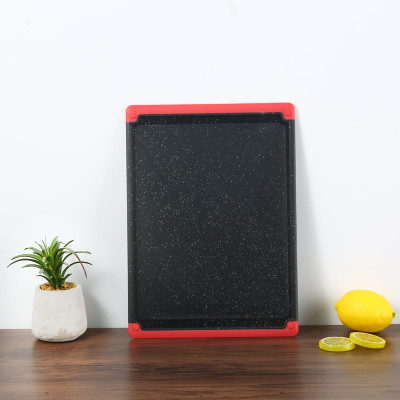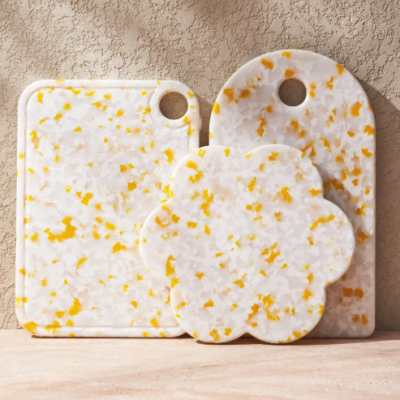
Everything You Should Know About Stainless Steel Cutting Boards for Modern Cooking
Everything You Should Know About Stainless Steel Cutting Boards for Modern Cooking
Choosing the right cutting board is more important than you might imagine for modern cooking. It affects everything from food safety and knife longevity to your overall kitchen experience. A high-quality prep surface provides a stable foundation for every slice and dice, making meal preparation more enjoyable and safe.
As I navigate the myriad of options available, I consider factors like durability, material toxicity, and environmental impact. Today, I'm diving deep into various cutting board materials, with a special focus on the intriguing world of metal boards, particularly the stainless steel cutting board. While some may wonder if stainless steel is a good material for cutting boards, its durability, hygiene, and heat-resistant properties have made it a popular choice in modern kitchens.
Join me as I explore the pros and cons of different types, helping you decide if a stainless steel cutting board or another material is the perfect fit for your culinary adventures.
Key Takeaways
- Hygiene is Paramount: Stainless steel cutting boards offer superior hygiene due to their non-porous surface, which prevents bacteria, moisture, and odors from being absorbed. This makes them an excellent choice for preparing raw meat, poultry, and fish.
- Durability and Longevity: Built to last, stainless steel boards do not warp, crack, or stain like their wood and plastic counterparts. Their resistance to heat also allows them to double as a surface for hot pots and pans.
- Knife Care is a Trade-Off: The primary downside of stainless steel is its hardness, which can dull knife blades faster than softer materials like wood. However, high-quality boards are engineered with finishes that can mitigate this effect.
- Surface Matters: Cutting boards are either porous (wood, bamboo) or non-porous (stainless steel, plastic, glass). Non-porous surfaces are generally easier to clean and sanitize, but porous woods have natural antimicrobial properties.
- Choose the Right Board for the Job: The ideal kitchen has multiple cutting boards. Consider a non-porous board like stainless steel for high-risk items like raw meat, and a knife-friendly wood board for vegetables and bread to prevent cross-contamination and preserve your knives.
- Maintenance Varies by Material: Wood boards require regular oiling, while stainless steel and plastic are low-maintenance and often dishwasher-safe. All boards should be replaced when they become excessively worn or develop deep grooves.
Understanding Cutting Board Basics: What I Need to Know Before Considering a Stainless Steel Cutting Board
Before you can appreciate the specific benefits of a stainless steel board, it's essential to grasp the fundamental factors that define a good cutting surface. The choice you make has a direct impact on your knife's longevity, your food's safety, and your overall efficiency in the kitchen.
My Guide to Key Considerations: Durability, Food Safety, and My Kitchen's Health
When I evaluate any cutting board, I focus on three critical areas. These pillars guide my decision-making process, ensuring the tool I choose is a true asset to my kitchen.
- Durability: A cutting board is a workhorse. I need a surface that can withstand the daily rigors of chopping, slicing, and dicing without warping, cracking, or splitting. Materials that hold their form for years are not only a better investment but also safer, as a warped board can be unstable.
- Food Safety: This is non-negotiable. A cutting board can be a source of cross-contamination if not chosen and maintained correctly. Bacteria from raw meat can easily transfer to vegetables or other ready-to-eat foods if you're not careful. The material's ability to resist bacteria and be cleaned effectively is paramount. The CDC estimates that millions of Americans suffer from foodborne illnesses annually, and proper cutting board hygiene is a key preventative measure. I recommend having separate boards for different food types—one for raw proteins and another for produce—to minimize this risk.
- Knife Longevity: My knives are a significant investment, and the cutting surface is their most important partner. A surface that is too hard will dull a blade's edge with just a few uses. The best cutting boards offer a balance, providing a surface firm enough for efficient cutting but gentle enough to preserve a knife's sharpness. Hardwood boards are often considered the best for knife longevity.
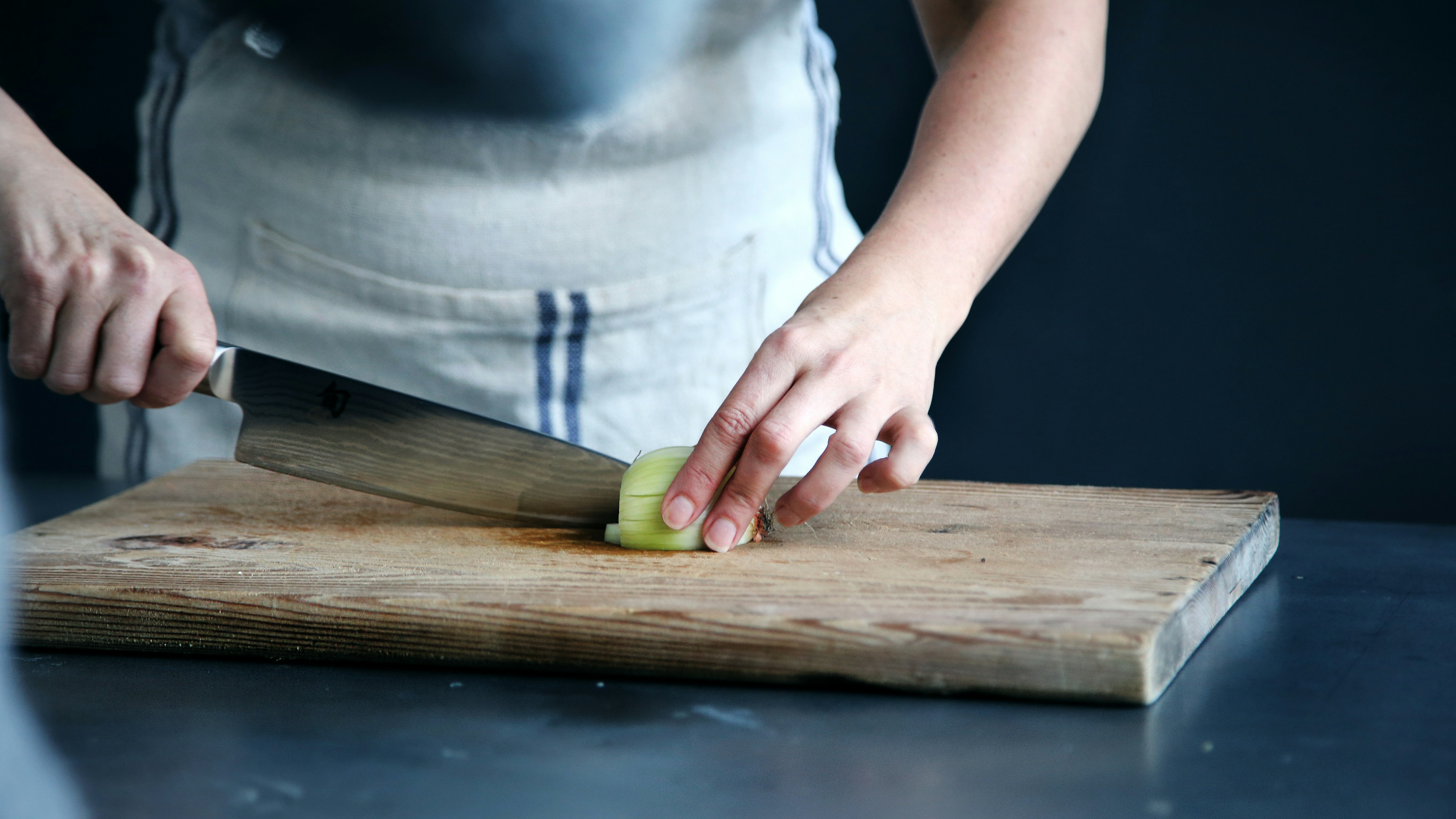
Porous vs. Non-Porous Surfaces: How This Affects My Choice and the Role of a Stainless Steel Cutting Board
Cutting board materials fall into two primary categories: porous and non-porous. Understanding this distinction is crucial for making an informed choice.
Porous Surfaces (Wood and Bamboo): These materials, like wood and bamboo, contain tiny pores that can absorb liquids and juices. For a long time, this was seen as a hygiene risk. However, research has shown that hardwoods like maple have fine grains with a capillary action that pulls bacteria down into the wood, where they are trapped and die as the board dries. Wood also contains natural antimicrobial compounds, adding another layer of protection. The downside is that they require more maintenance, including regular oiling to prevent them from drying out and can't be soaked or put in a dishwasher.
Non-Porous Surfaces (Stainless Steel, Plastic, Glass): These materials have a smooth, solid surface that does not absorb moisture, odors, or bacteria. This makes them incredibly easy to clean and sanitize, often being dishwasher-safe. This quality is why non-porous boards are highly recommended for preparing high-risk foods like raw meat, poultry, and seafood, as they significantly reduce the risk of cross-contamination.
A stainless steel cutting board is a prime example of a non-porous surface. Its key advantage is hygiene; since nothing can seep in, germs and smells from items like garlic, onion, or fish are washed away easily. This makes it an exceptionally safe and clean choice for food preparation.
| Feature | Porous Boards (Wood, Bamboo) | Non-Porous Boards (Stainless Steel, Plastic) |
|---|---|---|
| Material Examples | Maple, Walnut, Cherry, Bamboo | Stainless Steel, HDPE Plastic, Glass, Marble |
| Food Safety | Natural antimicrobial properties; bacteria are pulled in and die as the board dries. | Do not absorb bacteria, making them easy to sanitize. Excellent for raw meat. |
| Knife Friendliness | Generally gentle on knives, helping to maintain their sharpness. | Varies greatly. Stainless steel and glass are hard on knives, while plastic can be softer. |
| Maintenance | Requires hand washing and regular oiling to prevent cracking and warping. | Low maintenance; many are dishwasher-safe. |
| Durability | Can last for years if properly maintained but can warp or crack if improperly cared for. | Highly durable; stainless steel won't warp or crack. Plastic boards need replacement when heavily grooved. |
| Odor/Stain Resistance | Can absorb strong odors and stains over time. | Highly resistant to odors and stains. |
By understanding these fundamentals, I can better evaluate where a stainless steel cutting board fits into the modern kitchen and whether it aligns with my personal cooking philosophy.
Exploring Metal Options: The Robust World of Titanium and the Stainless Steel Cutting Board
While wood and plastic have long dominated the market, metal cutting boards are gaining serious traction for their durability and hygienic properties. Among these, titanium and stainless steel stand out as the leading contenders. Let's explore what makes these materials unique and how they perform in a modern kitchen.
Titanium Cutting Boards: An Investment in Unparalleled Safety and Durability
Titanium is a premium material, and its presence in the kitchen is a testament to its exceptional qualities. Often seen as a luxury item, a titanium cutting board is an investment for the serious home cook.
Why I'm Impressed by Titanium's Strength and Purity
The first thing that strikes me about titanium is its incredible strength-to-weight ratio. These boards are remarkably durable and resistant to warping, cracking, and scratching, yet they feel surprisingly lightweight and easy to handle. Pure titanium is non-porous, meaning it's naturally antibacterial, won't absorb odors, and is exceptionally easy to clean. Most are dishwasher safe, adding to their convenience. What's particularly appealing is its purity; high-quality titanium is non-toxic and free from harmful chemicals, offering peace of mind for health-conscious cooks. It's also more resistant to corrosion from food acids than stainless steel.
Considering the Cost and Potential Noise of Titanium
The most significant barrier to entry for titanium cutting boards is their cost. They are typically much more expensive than stainless steel or any other material, reflecting the high price of extracting and processing titanium. While they last virtually forever, the initial investment is substantial. Another consideration is the user experience. Some people find them noisy to chop on, with a distinct "clang" of metal on metal. The surface can also feel slippery, which requires a bit more caution during prep. While some sources claim titanium is "gentle on knives," controlled tests suggest it still dulls blades faster than wood, though significantly less so than glass or even stainless steel.
Deciphering the Stainless Steel Cutting Board: My Honest Assessment
Stainless steel is the workhorse of professional kitchens for a reason. It's tough, sanitary, and reliable. Bringing this material into the home as a cutting board offers many of the same benefits, but with a few important trade-offs.
The Hygiene and Longevity That Draws Me to Stainless Steel
The number one feature that attracts me to a stainless steel cutting board is hygiene. Made from food-grade 304 or 316 stainless steel, these boards have a non-porous surface that is impervious to bacteria, moisture, and odors. This makes them the ideal surface for handling raw meat, fish, and pungent ingredients like garlic and onions without fear of cross-contamination or lingering smells. They are exceptionally durable, resisting warping, cracking, and staining over years of use. Plus, they are often dishwasher-safe and require no special maintenance like oiling, making cleanup effortless. As a bonus, their heat resistance allows them to double as a trivet for hot pans.
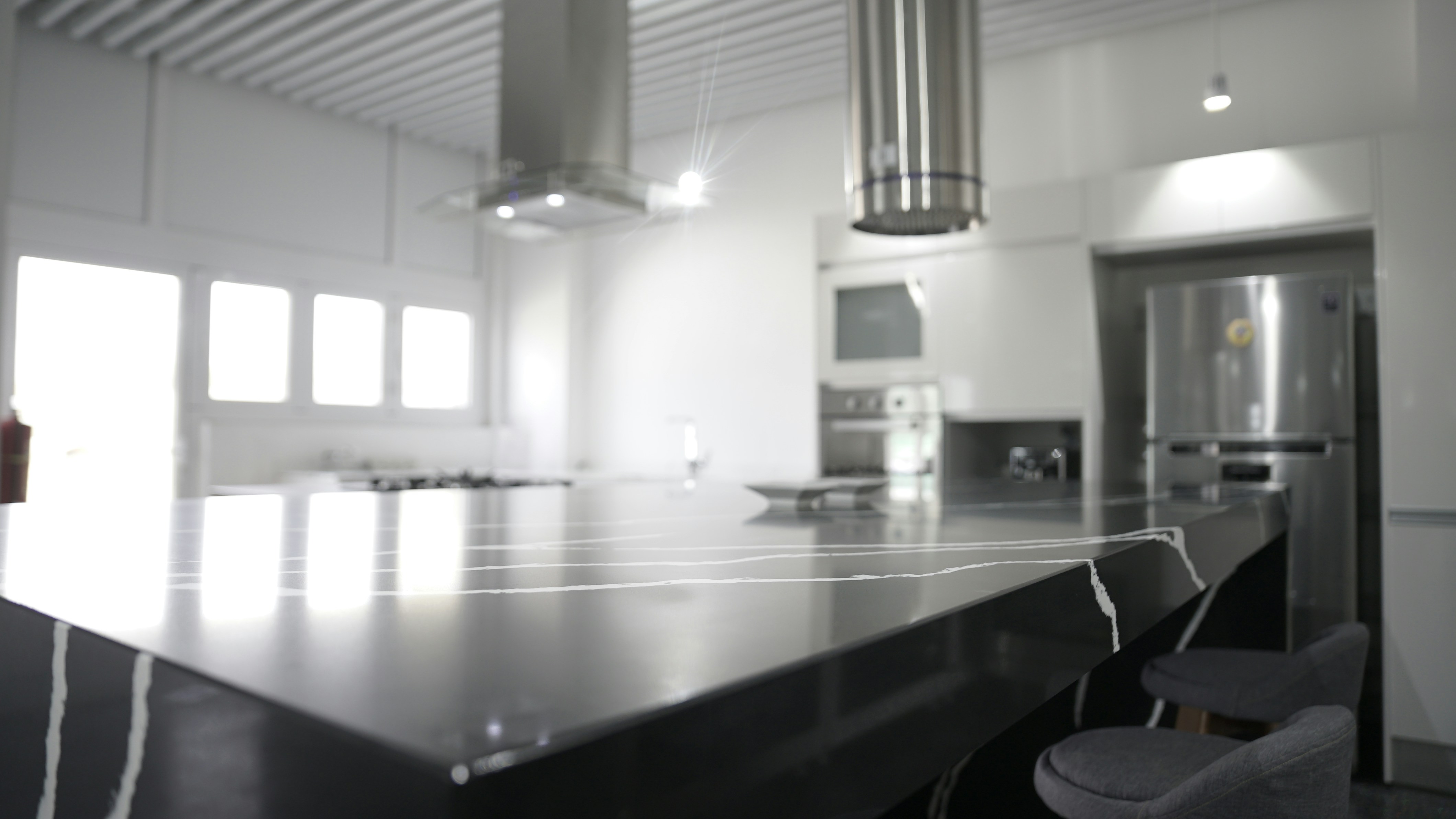
A sleek, brushed stainless steel cutting board provides a modern aesthetic and professional-grade hygiene.
Potential Downsides: How a Stainless Steel Cutting Board Can Affect My Knives and User Experience
The most significant drawback of a stainless steel cutting board is its effect on knives. The metal-on-metal contact is unforgiving and will dull a knife's edge much faster than wood or plastic. This is the primary trade-off: you get supreme hygiene at the cost of more frequent knife sharpening. Many knife manufacturers even caution against using them. For someone who has invested in high-quality knives, this is a serious consideration.
The user experience can also be a mixed bag. The sound of chopping on steel can be loud and unpleasant for some in a quiet home kitchen. Like titanium, the surface can feel slippery, requiring a damp towel or a non-slip mat underneath for stability. However, some brands like Calmchop are addressing these concerns with innovative designs, such as dual-sided boards that offer a knife-friendly surface on one side and stainless steel on the other, or by adding textured finishes to improve grip. These designs offer a smart balance for cooks who want the hygienic benefits of steel without fully sacrificing knife care.
Ultimately, both titanium and stainless steel represent a significant upgrade in durability and cleanliness from traditional materials. While titanium offers a lighter, more premium experience (at a premium price), the stainless steel cutting board stands as a practical, professional-grade tool that brings unmatched hygiene to the home kitchen.
Beyond the Stainless Steel Cutting Board: Other Materials and Their Practicality in My Kitchen
While stainless steel offers compelling advantages, it's just one piece of the puzzle. A well-equipped kitchen often benefits from having a variety of cutting surfaces, each suited to different tasks. Let's look at some other popular materials to see how they stack up.
Glass Cutting Boards: A Health-Conscious Choice, But Not for My Prized Knives
Glass cutting boards are often praised for their hygienic properties. Made from tempered glass, their non-porous surface is incredibly easy to clean, doesn't absorb stains or odors, and can often be sanitized in a dishwasher. This makes them an attractive option for those prioritizing food safety above all else.
However, this is where the advantages end for me. The core issue with glass is its extreme hardness. Chopping on a glass board is akin to cutting on a stone countertop; there is zero "give." With every impact, the fine edge of a knife is slammed against an unyielding surface, which can rapidly dull, roll, or even chip the blade. Tests have shown that knives can lose their sharpness up to 50% faster on glass compared to wood. Beyond the damage to my tools, the experience itself is often unpleasant. The clattering sound of a knife on glass can be loud and grating, and the slippery surface can make controlling food difficult, posing a safety risk.
For these reasons, I reserve glass surfaces for serving cheese or as a decorative platter, keeping my good knives far away from them.
Marble Cutting Boards: Beautiful to Look At, But Often Impractical for Daily Use
Like glass, marble cutting boards bring a sense of elegance and luxury to the kitchen. Their natural veining is beautiful, and they make a stunning backdrop for serving charcuterie, pastries, or desserts. One of marble's key practical advantages is its naturally cool surface, which is ideal for pastry work and tempering chocolate, as it helps prevent ingredients from getting too warm. Because it is non-porous, marble is also hygienic, resisting bacteria and odors when properly sealed and cleaned.
However, as a primary cutting surface, marble shares the same fatal flaw as glass: it is incredibly hard. Daily chopping on a marble board will quickly dull the blades of your kitchen knives. They are also quite heavy, making them cumbersome to move and clean. While durable, they can chip if dropped.
My advice is to use a marble board as a specialty tool. Bring it out for pastry, serving, or light slicing of soft cheeses and fruits, but rely on a more knife-friendly board for everyday heavy-duty chopping.

My Everyday Favorites: The Timeless Appeal of Wood and Bamboo Cutting Boards
For daily meal prep, I find myself consistently reaching for wood and bamboo boards. They offer a warmth and practicality that's hard to beat.
Wood Cutting Boards: High-quality hardwood boards (like maple, walnut, or teak) are the gold standard for many chefs, and for good reason. Their primary advantage is that they are gentle on knives, as the wood fibers have a slight "give" that cushions the blade's edge, preserving its sharpness for longer. Many woods also have natural antimicrobial properties; the porous surface can draw bacteria in, where they become trapped and die off as the board dries. With proper care—hand washing and regular oiling—a good wooden board is exceptionally durable and can last for decades, sometimes even featuring "self-healing" properties where minor scratches close up over time.
Bamboo Cutting Boards: Bamboo has surged in popularity as an eco-friendly choice, as it's a fast-growing, sustainable grass. Bamboo boards are harder and less porous than many hardwoods, which makes them highly resistant to moisture and scarring. This density helps limit bacterial growth. However, this same hardness means bamboo can dull knives faster than traditional wood. There are also concerns about the adhesives used to laminate the bamboo strips, so it's important to choose a board made with food-safe glue.
When comparing the two, well-maintained hardwood is often considered safer in the long run because it's less prone to developing deep scars where bacteria can hide. That said, both wood and bamboo are excellent choices for an everyday cutting board when cared for properly, offering a fantastic balance of knife care, durability, and natural beauty.
| Material | Knife Friendliness | Hygiene | Maintenance | Best For |
|---|---|---|---|---|
| Glass | Very Poor | Excellent | Very Low | Serving, light tasks with soft foods. |
| Marble | Very Poor | Excellent | Low (Hand wash) | Pastry, serving, light slicing. |
| Wood | Excellent | Good (Naturally antimicrobial) | High (Oiling required) | Everyday all-purpose chopping. |
| Bamboo | Good | Good (Less porous) | Medium (Oiling required) | Everyday chopping, good for wet ingredients. |
Making My Final Decision: Is a Stainless Steel Cutting Board the Right Fit for My Cooking Style?
After exploring the vast landscape of cutting board materials, the final choice comes down to personal needs, kitchen habits, and priorities. A stainless steel cutting board isn't a one-size-fits-all solution, but for certain scenarios, it's an unparalleled tool.
When I Might Opt for a Stainless Steel Cutting Board
For me, the decision to use a stainless steel cutting board is driven by a "task-specific" approach. It shines brightest in situations where hygiene and durability are the top priorities. Most professional chefs suggest a "dual-board strategy," and I find this works perfectly in a home kitchen.
I reach for my stainless steel board primarily for these tasks:
- Prepping Raw Meat, Poultry, and Seafood: This is the number one reason to own a stainless steel board. Its non-porous surface ensures that no harmful bacteria from raw proteins can seep in, and it can be thoroughly cleaned and sanitized afterward, drastically reducing the risk of cross-contamination.
- Handling Pungent Ingredients: When I'm chopping garlic, onions, or hot peppers, a stainless steel board is my go-to. It doesn't absorb odors, so a quick wash ensures no lingering smells will transfer to the apples I slice next.
- Working with Staining Foods: For ingredients like beets, pomegranates, or turmeric that can permanently stain wood or plastic, stainless steel offers a worry-free surface.
- As a Multi-Functional Surface: Its sleek look and heat resistance make it great for serving charcuterie or sushi, and I can confidently place a hot pan on it without causing any damage.
By contrast, for general vegetable chopping or for tasks where I'm using my most delicate, high-end knives, I still prefer the gentle, forgiving surface of a wooden board to preserve their edges.
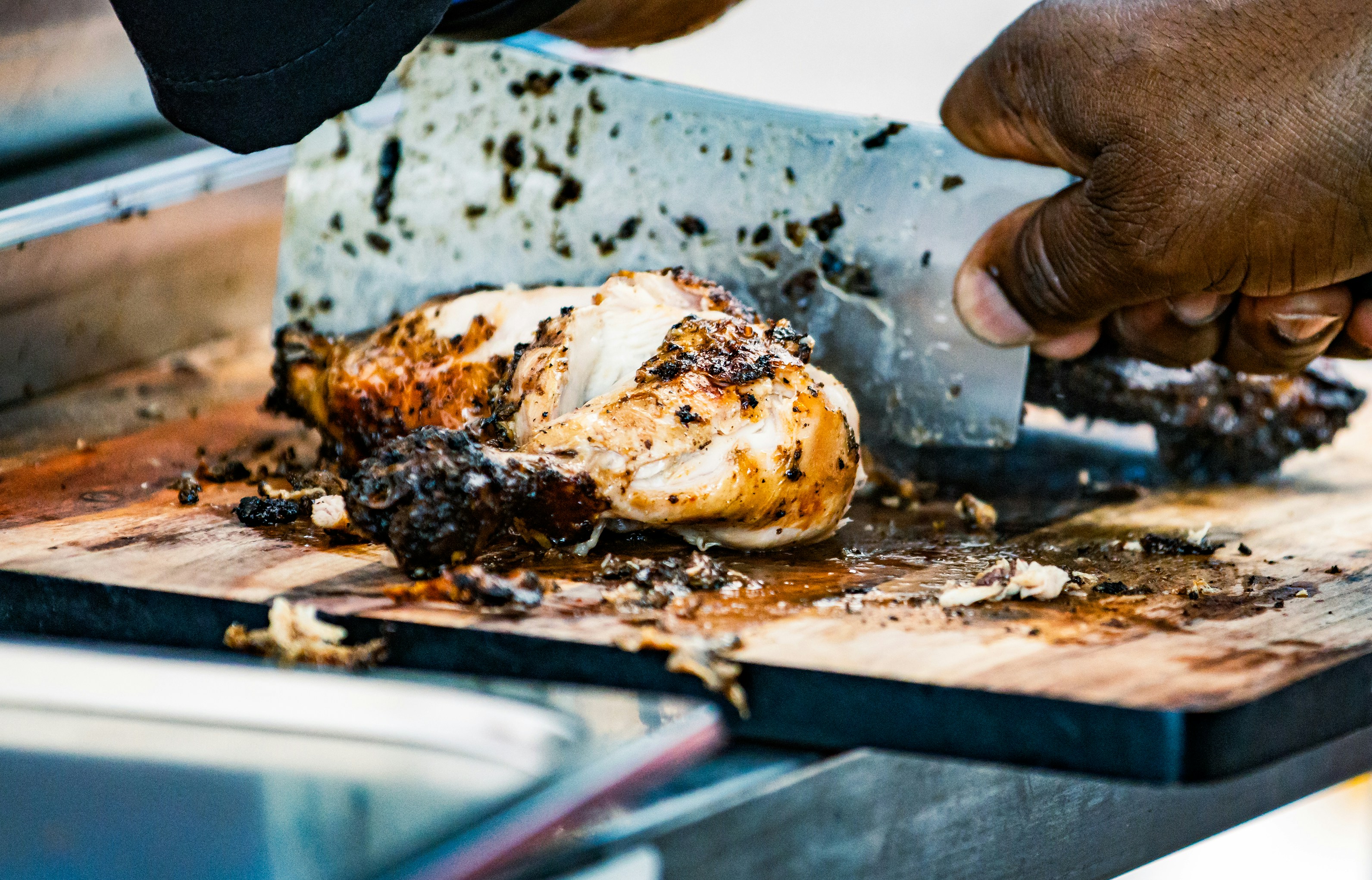
Essential Care and Maintenance for My Stainless Steel Cutting Board and Other Options
Proper care extends the life and safety of any cutting board. Fortunately, stainless steel is one of the easiest to maintain.
For my Stainless Steel Board:
- Daily Cleaning: Immediately after use, I rinse it with warm water and scrub gently with mild dish soap and a soft sponge.
- Deep Cleaning & Sanitizing: Most stainless steel boards are dishwasher safe, which is a great way to sanitize them. For a manual deep clean, especially after handling raw meat, I sprinkle baking soda on the surface, spray it with white vinegar, and let it fizz for a few minutes before scrubbing and rinsing thoroughly.
- Avoid Abrasives: I never use steel wool or harsh abrasive cleaners, as they can scratch the surface.
For my Other Boards (Wood, Plastic):
- Wood/Bamboo: These should only be hand-washed with hot, soapy water and never soaked or put in the dishwasher. I dry them upright to ensure complete air circulation and oil them monthly with a food-grade mineral oil to prevent cracking. To sanitize, a solution of one tablespoon of unscented bleach per gallon of water can be used, followed by a thorough rinse.
- Plastic: Most plastic boards are dishwasher-safe, which cleans and sanitizes them effectively. For handwashing, hot soapy water is sufficient. A bleach solution can also be used for extra sanitization.
Knowing When It's Time for Me to Replace My Cutting Boards
No cutting board lasts forever. Knowing when to retire one is crucial for kitchen safety. Here are the clear signs I look for:
- Deep Grooves or Scars: When my plastic or wooden board has deep knife grooves that can't be easily cleaned, it's time for it to go. These grooves are breeding grounds for bacteria. If a wooden board is thick enough, it can sometimes be sanded down and refinished, but heavily scarred plastic boards must be replaced.
- Warping or Instability: A board that rocks or wobbles on the counter is a safety hazard. Warping often happens when wooden boards are improperly washed or dried. Once a board won't sit flat, it's unsafe for chopping.
- Cracks and Splitting: Any cracks in a wooden or bamboo board compromise its structural integrity and create havens for bacteria. These boards should be replaced immediately.
- Persistent Stains or Odors: If a board retains strong smells or stains after a thorough cleaning, it's a sign that it's become too porous and is holding onto bacteria.
- Material Degradation: A wooden board that feels dry and brittle despite oiling, or a bamboo board that looks fuzzy as fibers detach, has reached the end of its life. Plastic boards should be replaced every 1-3 years with daily use, while well-cared-for wood and bamboo boards can last 3-5 years or even longer.
Stainless steel boards, with their exceptional durability, sidestep most of these issues, offering a lifetime of use with proper care. This makes them a sustainable, long-term investment for a hygienic kitchen.
Frequently Asked Questions (FAQ)
1. Are stainless steel cutting boards safe for my health? Yes, when made from food-grade stainless steel like 304 or 316L, they are perfectly safe. Their non-porous surface prevents the absorption of food juices, bacteria, and odors, making them one of the most hygienic options available. They also do not shed microplastics like some plastic boards can.
2. Will a stainless steel cutting board really dull my knives? Yes, this is the primary trade-off. The metal-on-metal contact causes knife edges to wear down and dull faster than they would on softer surfaces like wood or plastic. However, some high-quality stainless steel boards are designed with a finely brushed or textured surface to minimize this effect. For many, the superior hygiene is worth the extra knife maintenance.
3. What is the best way to clean and sanitize a stainless steel cutting board? For daily cleaning, simply use warm water, mild dish soap, and a soft sponge. They are also typically dishwasher-safe for easy sanitization. For a deeper clean, you can create a paste of baking soda and water or spray it with a solution of white vinegar and water, let it sit for a few minutes, then scrub and rinse.
4. How does a stainless steel cutting board compare to a wooden one? Stainless steel is superior in terms of hygiene, durability, and ease of maintenance, as it's non-porous, dishwasher-safe, and won't warp or crack. Wood is superior for knife care, as its softer surface is much gentler on blades. Many chefs use both: stainless steel for raw meat and wood for vegetables and general prep.
5. Is a stainless steel cutting board noisy or slippery to use? It can be. The sound of chopping on metal is noticeably louder than on wood. The smooth surface can also be slippery, especially with wet ingredients. An easy fix for slipperiness is to place a damp cloth or a non-slip mat underneath the board to keep it stable.
6. When should I use a stainless steel cutting board? It is ideal for tasks where hygiene is critical. Use it for preparing raw meat, poultry, and fish to prevent cross-contamination. It's also great for pungent foods like garlic and onions, or staining ingredients like beets, as it won't absorb odors or colors.
7. Are stainless steel cutting boards environmentally friendly? Yes, they are considered an eco-friendly option. Their extreme durability means they can last a lifetime, reducing the waste associated with replacing worn-out plastic or wood boards. Additionally, stainless steel is fully recyclable.
Conclusion
From the robust, hygienic nature of a stainless steel cutting board to the classic, knife-friendly charm of wood, each material offers a unique set of advantages and disadvantages. My goal in this exploration has been to help you weigh these factors—hygiene, durability, knife care, and aesthetics—against your specific cooking needs and personal preferences.
Ultimately, the 'best' cutting board is the one that fits seamlessly into your lifestyle, provides absolute confidence in food safety, and protects your valuable kitchen tools. For me, a hybrid approach works best: a stainless steel board for high-risk foods and a beautiful wooden board for everything else. I encourage you to consider all aspects—what you cook, how you clean, and what you value most in a tool—before making your next purchase.
By making informed choices about the surfaces we prep our food on, I can create a more efficient, hygienic, and enjoyable kitchen environment for myself and my family. The right cutting board is a small but powerful step toward a better cooking experience.