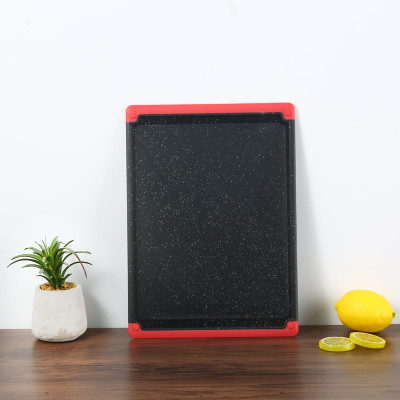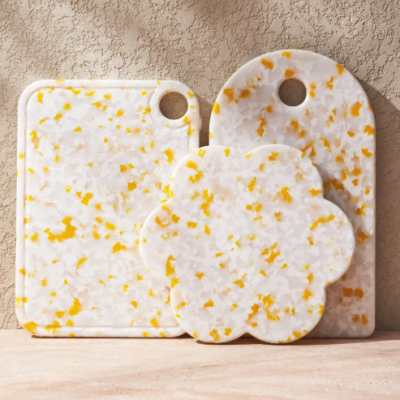
How Eco-Friendly Plastic Wheat Straw Cutting Boards Level Up Your Kitchen Safety
As we spend more time in our kitchens, it's become critically important to choose the right tools—not just for creating delicious meals, but for the well-being of our health and the planet. Cutting boards, in particular, are a foundational element of any kitchen, yet they are often overlooked. Many companies highlight "eco-friendly" features, but navigating the marketing claims, especially about the ubiquitous eco-friendly plastic wheat straw cutting board, can be confusing. What truly makes a cutting board safe and sustainable?
This guide is your resource for exploring the facts behind different cutting board materials. We will uncover the hidden dangers lurking in common options, demystify the "green" labels, and share professional insights for selecting the best cutting boards. Join me as we level up your kitchen safety, moving beyond the hype to make choices that are genuinely better for you and your family.
Unmasking the Truth: What's Really Behind the Eco-friendly Plastic Wheat Straw Cutting Board Hype?
The term "eco-friendly" is everywhere, but when it comes to materials that directly contact our food, we need to look closer. The popularity of wheat straw cutting boards is a perfect example of how good intentions can be misled by clever marketing. Let's peel back the layers and examine what these products are often made of and the potential risks they carry.
The Hidden Dangers of Common Plastic and Blended Boards in Our Kitchens
For decades, plastic cutting boards have been promoted as a hygienic and convenient option. They are affordable, lightweight, and often dishwasher-safe. However, emerging science reveals a darker side to these kitchen staples, posing risks that every home cook should be aware of.
Microplastics and their silent journey into our bodies
Every time you chop on a plastic cutting board, you're not just slicing your carrots—you're also releasing microscopic plastic particles into your food. Research has shown that a single chopping session can generate millions of microplastic particles, leading to an estimated annual ingestion of 7.4 to 50.7 grams of plastic from this one source alone. A 2023 study found that chopping on polyethylene and polypropylene boards can produce between 14 to 71 million particles, respectively. While the full spectrum of health effects is still being studied, scientists have raised concerns about the potential for chronic inflammation and oxidative stress as these particles accumulate in the body. Studies in mice have already linked a diet prepared on plastic boards to intestinal inflammation and disruptions in gut bacteria.

Toxic chemicals like BPA and phthalates lurking in everyday plastics
Beyond the physical particles, the chemical makeup of plastic poses another significant threat. Many plastic kitchen products, including some cutting boards, contain endocrine-disrupting chemicals like Bisphenol A (BPA) and phthalates. These substances can mimic hormones in the body, and exposure has been linked to a host of health problems. For developing fetuses, infants, and children, the risks are especially high, with potential impacts on brain development, reproductive health, and behavior. Phthalates, used to make plastics more flexible, have been associated with altered reproductive organ development and increased allergies, while BPA is linked to issues like early puberty, obesity, and an increased risk of certain cancers. Although the FDA banned BPA in baby bottles and sippy cups in 2012, it is still present in many other consumer products.
Why scratches on plastic create bacterial havens, impacting food safety
The very nature of a cutting board's function—being cut on repeatedly—is what makes plastic a problematic material for hygiene. Initially, a new plastic board has a non-porous surface that is easy to clean. However, with each knife cut, deep grooves and scratches form. These fissures become a perfect breeding ground for dangerous bacteria like Salmonella and E. coli. Once a board becomes heavily scarred, these microscopic crevices can trap food particles and pathogens, making them incredibly difficult to sanitize, even in a dishwasher. Research from UC Davis has indicated that heavily used plastic boards can harbor more bacteria than wood boards, whose natural properties can help neutralize trapped bacteria. This makes worn plastic boards a significant cross-contamination risk in the kitchen. It is recommended to replace plastic boards once they develop deep grooves, which can be as often as every one to two years.
Navigating 'Wheat Straw': When the Eco-friendly Plastic Wheat Straw Cutting Board Claims Fall Short
Riding the wave of eco-consciousness, "wheat straw plastic" has emerged as a popular material for everything from coffee cups to cutting boards. The marketing paints a picture of a natural, plant-based product. However, the reality is often more complex and less green than it appears.
Understanding composites: often wheat straw fiber mixed with plastic like polypropylene
The most crucial detail that many consumers miss is that the majority of "wheat straw cutting boards" are not made of 100% wheat straw. They are composite materials. In these products, wheat straw fibers—an agricultural byproduct—are mixed with a binder to create a solid, durable board. Most commonly, this binder is a plastic resin like food-grade polypropylene (PP). The wheat straw content can range from 20% to 50%, with the remainder being plastic. This means that while they use less virgin plastic than a conventional board, they are still fundamentally plastic products. Consequently, they share one of the same major drawbacks as regular plastic boards: they can shed microplastics into your food when cut upon.
The problem with toxic adhesives: how formaldehyde can hide in your cutting board
When creating composite materials, whether from wood, bamboo, or wheat straw, adhesives are necessary to bind the fibers together. A significant concern in this process is the potential use of glues containing formaldehyde. Formaldehyde is a known carcinogen and can cause irritation to the eyes, nose, and throat, even at low levels of exposure through a process called off-gassing. Long-term exposure is linked to more severe health effects, including cancer. While regulations in the U.S., such as those from the California Air Resources Board (CARB), have pushed for lower emissions, the risk isn't entirely eliminated. Consumers should specifically look for products certified as "formaldehyde-free" to ensure the adhesives used are non-toxic.
Why a typical 'eco-friendly plastic wheat straw cutting board' might not be truly biodegradable
One of the biggest misconceptions about wheat straw composite boards is their end-of-life impact. While pure wheat straw is biodegradable, mixing it with polypropylene plastic renders the final product non-biodegradable and non-compostable in a typical home or municipal setting. The plastic matrix encapsulates the straw fibers, preventing them from breaking down naturally. As a result, these composite boards usually end up in a landfill, where they behave much like any other plastic, persisting for centuries. A truly biodegradable product should be able to decompose into natural elements within a relatively short period, and brands making such claims should provide clear details on the required composting conditions. If a brand markets a composite board as fully biodegradable, it's often a sign of greenwashing.
My Criteria for a Truly Safe and Sustainable Eco-friendly Plastic Wheat Straw Cutting Board, Featuring Chopaid Standards
After researching the pitfalls of common cutting boards, I’ve developed a strict set of criteria for what I allow in my kitchen. It’s about moving past misleading marketing and focusing on tangible qualities that ensure both safety and true sustainability. This philosophy is at the core of the standards set by brands like Chopaid, which prioritize health and transparency.
The Paramount Importance of Pure, Plant-Based, Food-Grade Materials for Your Kitchen Safety
The foundation of a safe cutting board is the material itself. My primary rule is to choose boards made from pure, plant-based, food-grade materials. This means moving away from anything that contains petroleum-based plastics and ensuring every component that could touch my food is verified as safe.
Defining 'food-grade': what it truly means for direct food contact
The term "food-grade" is a regulatory label indicating that a material is safe for direct or indirect contact with food. In the U.S., the Food and Drug Administration (FDA) oversees these standards for "food contact substances." For a material to be considered food-grade, it must not leach harmful substances into food under its intended conditions of use. This includes withstanding different temperatures, food types (like acidic or fatty foods), and cleaning methods without degrading or releasing toxins. However, "food-grade" is not a universal guarantee of safety in all situations. For example, a plastic container might be food-grade for cold storage but not for microwaving. Therefore, it's crucial to understand the specific properties of a material and not just rely on a generic label.
Seeking clarity on hidden components and avoiding petroleum-based plastics
True transparency means knowing every ingredient in your cutting board. The easiest way to ensure safety is to avoid petroleum-based plastics altogether. Well-known plastics like polyethylene and polypropylene are derived from fossil fuels and come with the inherent risks of microplastic shedding and potential chemical leaching. Instead, I advocate for materials like solid wood, bamboo, or innovative plant-based composites that explicitly state they are 100% plastic-free. When choosing any product for my kitchen, especially one for food prep, I look for brands that provide complete material transparency, allowing me to make an informed decision and avoid the hidden dangers of petrochemicals. Some simple ways to reduce plastic in the kitchen include switching to glass or stainless steel for food storage and using wooden or bamboo cutting boards.
Transparency in Manufacturing: Trustworthy Adhesives and Finishes for Chopaid Quality
A cutting board is more than just its primary material; the adhesives that hold it together and the finishes that protect its surface are just as critical for food safety. This is where manufacturing transparency becomes non-negotiable, a standard that defines the Chopaid quality I look for.

Why formaldehyde-free glues are non-negotiable for my household
For any cutting board made from multiple pieces of wood, bamboo, or composite fibers, the glue is a key component. Some manufacturers use adhesives that contain formaldehyde, a chemical classified as a known human carcinogen. Even at low levels, formaldehyde can off-gas, contaminating the air in your home and potentially your food. It can cause irritation and allergic reactions, and long-term exposure carries serious health risks. Because of this, I will only consider cutting boards that are explicitly labeled as "formaldehyde-free." This certification provides peace of mind that the manufacturer has used a safe, food-grade adhesive that won't compromise my family's health.
The benefits of natural, food-safe oils and waxes for cutting board longevity
The finish on a cutting board serves to protect the material from moisture, prevent cracking, and create a hygienic surface. Many commercial boards come pre-finished, but it's important to know what was used. I steer clear of synthetic film finishes like polyurethane or varnish, as these can chip or flake off into food over time. Instead, the best and safest finishes are natural, food-grade oils and waxes. Food-grade mineral oil is a common and effective choice that penetrates the wood to prevent it from drying out. For an even better protective barrier, a blend of mineral oil and natural waxes like beeswax or carnauba wax creates a "board butter" that seals the surface against moisture and bacteria. These natural treatments not only extend the life of the board but also enhance its natural beauty without introducing any harmful chemicals. Regular application is key to keeping wood and plant-based boards in top condition.
Durability and Knife-Friendliness: Essential Qualities for an Eco-friendly Plastic Wheat Straw Cutting Board, and Beyond
A cutting board is a workhorse in the kitchen. It needs to be durable enough to withstand daily use and designed to work in harmony with your most important tool: your knife. These qualities are essential not just for performance but for safety and sustainability as well.
My take on why a cutting board needs to last and protect your valuable knives
A high-quality cutting board is an investment, and so are good kitchen knives. The ideal cutting board material should be gentle on your blades to keep them sharper for longer. Extremely hard surfaces like glass, stone, or ceramic are notorious for dulling knives rapidly, sometimes after just a few uses. This is because the unyielding surface causes the fine metal edge of the knife to roll or chip on impact. A dull knife is not only inefficient but also dangerous, as it requires more force to cut and is more likely to slip. Materials like wood, bamboo, and some composites offer a much better balance; they are firm enough to provide a stable cutting surface but have enough "give" to be forgiving to the knife's edge.
Materials that withstand daily use without rapid degradation or toxic release
Durability is paramount. A cutting board should resist warping, cracking, and deep scoring from normal use. When a board degrades quickly, it not only becomes a hygiene risk but also contributes to waste, negating any "eco-friendly" claims. The best materials are those that are dense and resilient. Hardwoods like maple and walnut are classic choices for their longevity and natural antimicrobial properties. High-quality composite boards can also be extremely durable and non-porous. The key is to choose a material that maintains its structural integrity over time, ensuring it doesn't release particles—whether microplastics or wood splinters—into your food and remains a safe, stable surface for all your culinary tasks.
Beyond the Hype: Exploring Exceptional Eco-friendly Plastic Wheat Straw Cutting Board Alternatives and Innovations
While the marketing for "eco-friendly plastic wheat straw" boards is appealing, safer and more sustainable alternatives have been in our kitchens for centuries, and new innovations are constantly improving upon them. By looking beyond the hype, we can find materials that offer superior performance, safety, and a genuinely smaller environmental footprint.
The Timeless Appeal of Natural Hardwoods and Bamboo for Your Kitchen
Long before the invention of plastic, kitchens relied on the natural durability and beauty of wood. Today, these classic materials remain some of the best choices for a safe and sustainable kitchen, offering a range of benefits that modern composites still struggle to match.
FSC-certified wood: a truly sustainable, self-healing, and knife-friendly choice
Solid hardwood cutting boards made from materials like maple, walnut, or cherry are a top-tier choice for any discerning chef. When sourced from responsibly managed forests, as indicated by a Forest Stewardship Council (FSC) certification, wood is an undeniably sustainable and renewable resource. These woods are prized for being "knife-friendly"—they are soft enough to not dull your blades but durable enough to withstand years of chopping. One of the most remarkable qualities of wood is that it can be self-healing; the wood fibers can swell and close back up over minor cuts. Furthermore, hardwoods have natural antimicrobial properties that help to trap and kill bacteria, making them a hygienic choice when properly maintained.

Bamboo's benefits and the crucial adhesive caveat to watch out for
Bamboo has gained immense popularity as an eco-friendly material because it is a fast-growing, renewable grass. As a cutting board material, it is lightweight, durable, and naturally resistant to moisture. However, there is a significant catch: bamboo boards are constructed from many small strips of bamboo that must be laminated together. The safety of a bamboo board depends entirely on the adhesive used. Low-quality boards may use glues that contain formaldehyde, a toxic chemical that can off-gas and contaminate food. To ensure a bamboo board is safe, it is imperative to choose one from a reputable brand that explicitly certifies its products as "formaldehyde-free" and uses food-safe, water-based adhesives. While bamboo is harder than wood and can be tougher on knives, a well-made, certified board is a very good alternative to plastic.
My practice of using dedicated Chopaid boards for raw meat to prevent cross-contamination
One of the most critical food safety practices in any kitchen is preventing cross-contamination. This is the transfer of harmful bacteria, such as Salmonella or E. coli, from one food item to another. The Centers for Disease Control and Prevention (CDC) strongly advises using separate cutting boards for raw meat, poultry, and seafood, and a different one for ready-to-eat foods like vegetables, fruits, and bread. In my kitchen, I follow this rule without exception. I use dedicated boards, such as those from the Chopaid line, for preparing raw proteins. These boards are immediately washed and sanitized after use. For all other food prep, I use a separate set of boards. This simple habit dramatically reduces the risk of foodborne illness and is a cornerstone of kitchen safety.
The Rise of Innovative Composites: A Modern Solution for the Eco-Conscious Cook
As consumer demand for sustainable and high-performance kitchenware grows, innovators are developing new materials that aim to provide the best of both worlds. These modern composites offer the durability and low maintenance of plastic while being made from safer, more eco-friendly ingredients.
Exploring paper-based composites (like Richlite/Epicurean): durability, hygiene, and dishwasher safety
One of the most promising innovations is the paper-based composite board, famously used by brands like Epicurean. These boards are made from layers of FSC-certified paper that are pressed together with a food-safe resin under intense heat and pressure. The result is a thin, lightweight, yet incredibly durable and non-porous surface. Unlike wood, these composite boards do not require any oiling and are dishwasher-safe, making them exceptionally easy to clean and sanitize. They are also gentle on knives, performing much better than plastic in this regard. While the resin used is technically a form of plastic, it is NSF-certified and free from harmful chemicals like BPA, and the boards do not shed microplastics. Some users note a slight "off-gassing" smell when the boards are new, but this typically dissipates quickly.
The promise of truly plant-based, microplastic-free composite Chopaid Eco-friendly Plastic Wheat Straw Cutting Board options
The ultimate goal for a sustainable cutting board is a material that is 100% plant-based, completely non-toxic, and fully biodegradable, all while delivering top-tier performance. Exciting new options are emerging that fit this description. These boards are made from materials like recycled plant fibers and sugarcane, bound without petroleum-based plastics or toxic glues. This means they offer the convenience of being lightweight and dishwasher-safe without the risk of leaching chemicals or shedding microplastics. Brands like Chopaid are at the forefront of developing these innovative, truly eco-friendly plastic wheat straw cutting board alternatives. These products represent the future of kitchenware, where you don’t have to choose between convenience, safety, and environmental responsibility.
Caring for Your Eco-friendly Plastic Wheat Straw Cutting Board (and All Others): Best Practices for Longevity and Kitchen Safety
Choosing a high-quality cutting board is the first step toward a safer kitchen. The second, equally important step is proper care and maintenance. No matter the material, following the right cleaning, restoring, and disposal practices will extend the life of your board, ensure it remains hygienic, and protect your investment.
Daily Cleaning and Sanitizing Rituals for Your Chopaid Cutting Boards
Proper daily cleaning is the most important habit for maintaining a hygienic kitchen. The right method depends on your cutting board's material, but the goal is always the same: remove food particles and kill harmful bacteria.
Handwashing versus dishwashers: understanding what's best for various materials
The convenience of a dishwasher is tempting, but it can be destructive to certain materials. Here’s a quick guide:
- Wood and Bamboo: Never put wooden or bamboo cutting boards in the dishwasher. The prolonged exposure to high heat and moisture will cause them to warp, crack, and split, creating irreparable damage and havens for bacteria. Always handwash these boards with hot, soapy water immediately after use, rinse them, and dry them upright to allow for proper air circulation.
- Plastic and Composites: Most plastic, paper composite, and plant-fiber composite boards are dishwasher-safe. The high temperatures of a dishwasher are effective for sanitizing. However, very thin or cheap plastic boards may melt or warp on the lower rack. Always check the manufacturer's instructions.
- Glass, Marble, and Steel: These non-porous materials are generally dishwasher-safe, providing an easy and effective way to sanitize them.
My go-to natural sanitizing methods using vinegar or hydrogen peroxide
For a deeper clean, especially after working with raw meat, I turn to natural, food-safe disinfectants. It's crucial to clean the board with soap and water first before sanitizing, as sanitizers work best on a visibly clean surface.
My preferred method involves a two-step process with vinegar and hydrogen peroxide. Important: Do not mix vinegar and hydrogen peroxide together, as this creates peracetic acid, which can be corrosive and irritating.
- Vinegar Spray: After washing and drying the board, spray it with distilled white vinegar and let it sit for about 10 minutes. Vinegar is a great natural disinfectant that effectively combats common pathogens like E. coli and Salmonella.
- Hydrogen Peroxide Spray: After wiping off the vinegar, spray the board with 3% hydrogen peroxide. You'll see it fizz as it kills germs. Let it stand for another 5-10 minutes, then rinse and dry the board thoroughly. This combination provides a powerful, non-toxic sanitizing punch.
Protecting and Restoring Your Investment: Extending the Life of Your Boards
With just a little periodic care, you can dramatically extend the life of your cutting boards, especially those made from wood or other plant-based materials. This not only saves you money but also reduces waste.
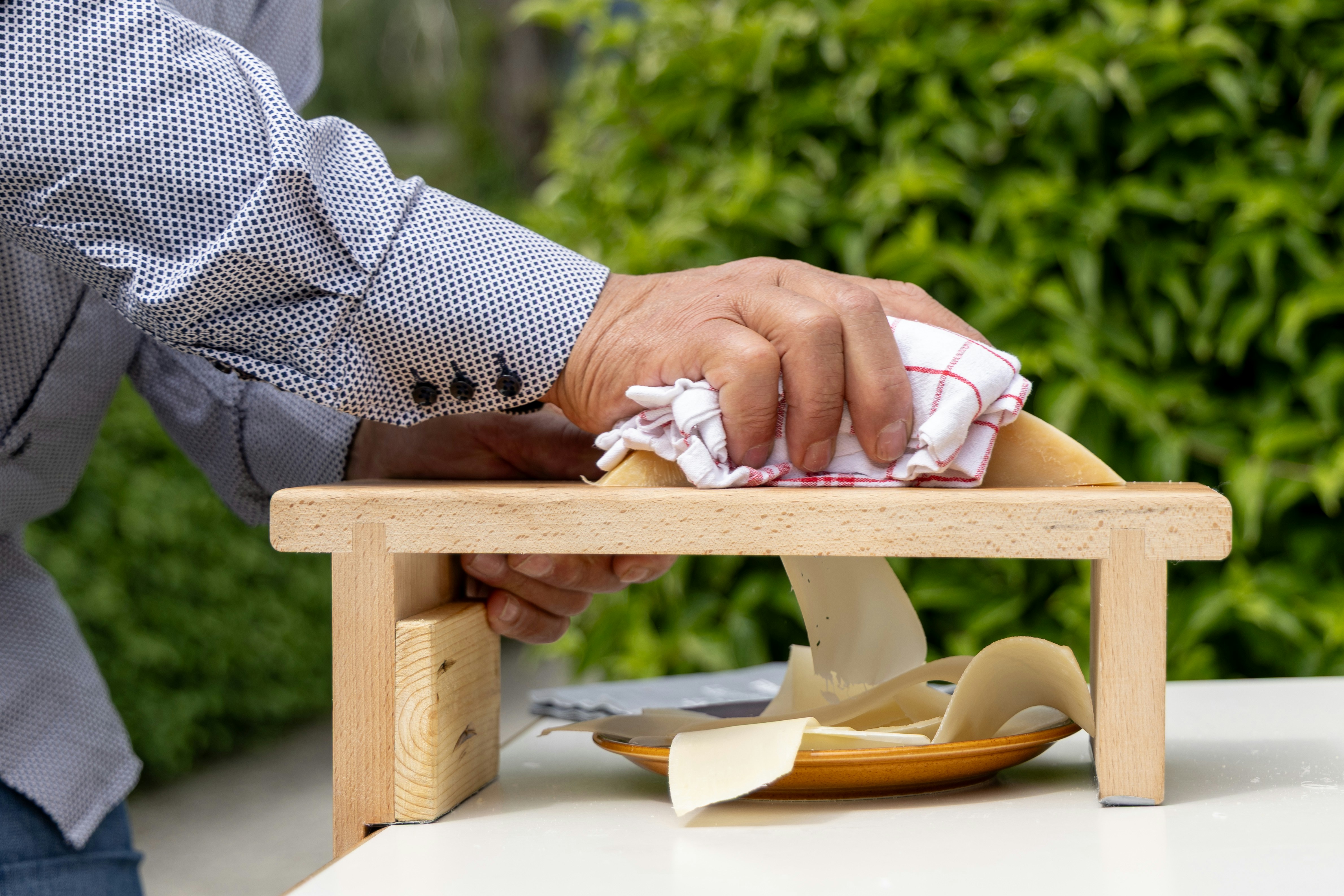
The transformative power of food-grade oils and waxes for wood and plant-based boards
Wooden and bamboo boards need regular "moisturizing" to prevent them from drying out, cracking, or warping. This is best done with a food-grade mineral oil, which penetrates deep into the wood fibers. A board conditioner, which is typically a blend of mineral oil and beeswax or carnauba wax, is even better. The oil hydrates the wood, while the wax creates a protective barrier on the surface that repels water and prevents bacteria from penetrating. I recommend oiling your boards every 2-4 weeks, or whenever they start to look dry or faded. This simple act restores their rich color and ensures they remain healthy and resilient.
Simple steps to revive worn boards and make them last longer
If your wooden board has developed deep knife marks or a rough texture, you don't have to throw it out. You can easily restore its surface.
- Clean and Sanitize: First, give the board a thorough cleaning and sanitizing using the methods described above. Let it dry completely.
- Sand the Surface: Using fine-grit sandpaper (starting with 120-grit and finishing with 220-grit), sand the entire surface of the board, moving with the grain of the wood. This will smooth out knife marks and remove any fuzzy, raised fibers.
- Wipe and Oil: Wipe away all sanding dust with a damp cloth and let the board dry again. Then, apply a generous coat of food-grade mineral oil or board conditioner, letting it soak in for several hours or overnight before buffing off the excess. This process can make an old board look and feel brand new.
Knowing When to Let Go: Responsible Disposal and Replacement of Your Eco-friendly Plastic Wheat Straw Cutting Board
Even the best cutting boards have a limited lifespan. Knowing when to retire a board is crucial for kitchen safety. And when it’s time, disposing of it responsibly completes its sustainable lifecycle.
Visible signs it’s time for a new board to ensure ongoing kitchen safety
It's time to replace your cutting board, regardless of the material, when you see these warning signs:
- Deep Grooves or Scratches: When a board has cuts so deep they can't be easily cleaned or sanded out, it's a permanent home for bacteria. For plastic boards, which can't be sanded, this is a clear sign for replacement.
- Warping or Cracking: A board that wobbles is a safety hazard, and any cracks or splits in the material are impossible to properly sanitize.
- Persistent Stains or Odors: If smells from foods like garlic, onion, or raw meat linger after deep cleaning, it means they have permanently penetrated the material.
- Visible Mold: Any sign of black or green spots indicates that mold has taken root deep within the board and it should be discarded immediately.
Food safety experts generally recommend replacing heavily used boards every 1-2 years.
Eco-friendly disposal options for truly biodegradable materials versus mixed composites
How you dispose of your old board depends on its material:
- Truly Biodegradable Boards: A board made from 100% untreated wood or bamboo can be composted. You may need to break it into smaller pieces to help it decompose in a home compost pile. Some can also be repurposed as kindling.
- Composite Boards (Wheat Straw/Plastic, Paper/Resin): Unfortunately, because these boards contain plastic or resin binders, they are not biodegradable or recyclable through most municipal programs. They typically must be thrown in the general waste.
- Repurposing: Before throwing any board away, consider if it can be repurposed. Old wooden boards can be turned into serving trays, wall decor, or small shelves.
Key Takeaways
- Plastic Dangers are Real: Standard plastic cutting boards can release millions of microplastic particles into your food and may contain endocrine-disrupting chemicals like BPA. Scratches in plastic become havens for bacteria that are difficult to sanitize.
- "Eco-Friendly" Claims Warrant Scrutiny: Many "wheat straw" cutting boards are actually plastic composites, containing polypropylene binders. This means they are not truly biodegradable and still pose a risk of microplastic shedding.
- Prioritize Pure Materials: The safest cutting boards are made from 100% plant-based materials like FSC-certified solid wood or innovative, plastic-free composites. Always look for transparency in materials and manufacturing.
- Adhesives and Finishes Matter: Ensure any board made from multiple pieces uses formaldehyde-free glue. The best finishes are natural, food-grade mineral oil and beeswax, which protect the board without adding toxins.
- Care is Crucial for Longevity: Proper cleaning, sanitizing, and periodic oiling (for wood/bamboo) are essential for hygiene and extending the life of your board. Handwash wood boards, and know when a board is too worn to be safe.
- Implement a Two-Board System: To prevent dangerous cross-contamination, use separate cutting boards for raw meat/poultry/seafood and for ready-to-eat foods like vegetables and bread, as recommended by the CDC.
Frequently Asked Questions (FAQ)
Q: Are wheat straw cutting boards actually safer than plastic ones?
A: Not necessarily. Most wheat straw cutting boards are composites made of wheat straw fibers mixed with a plastic binder like polypropylene. This means they can still shed microplastics just like regular plastic boards and are not biodegradable. A truly safer option would be a 100% plant-based composite or a solid wood board.
Q: How often should I oil my wooden cutting board?
A: It is recommended to oil your wooden cutting board every 2-4 weeks, or whenever the wood starts to look dry or faded. Regular oiling with a food-grade mineral oil or a beeswax blend prevents the wood from drying out, cracking, and warping, which extends its life and keeps it hygienic.
Q: Is BPA the only chemical I should be worried about in plastic cutting boards?
A: No. While BPA is a well-known endocrine disruptor, other chemicals like phthalates are also commonly used in plastics and carry health risks, including potential impacts on reproductive health and development. Furthermore, the physical shedding of microplastics is a significant concern in itself.
Q: Can I use a wooden cutting board for raw meat?
A: Yes, you can, provided you clean and sanitize it properly immediately after use. However, the safest practice recommended by food safety experts, including the CDC, is to use a separate, dedicated cutting board for raw meat, poultry, and seafood to prevent cross-contamination with ready-to-eat foods. Many people prefer a non-porous board (like a high-quality composite or even titanium) for raw meat as it can be sanitized in a dishwasher.
Q: What is the most knife-friendly cutting board material?
A: Wood, particularly end-grain hardwood like maple or walnut, is considered the most knife-friendly material. It has enough give to protect the sharp edge of the blade, helping your knives stay sharper for longer. Hard surfaces like glass and stone are the worst for knives and will dull them very quickly.
Conclusion
Ultimately, choosing the right cutting board extends far beyond kitchen aesthetics; it's a vital decision for both our health and our planet's future. The journey through the world of "eco-friendly" marketing reveals that not all green claims hold up to scrutiny. An informed choice requires looking past the labels and demanding transparency.
By understanding the nuanced meaning of 'eco-friendly' and seeking out transparent, high-quality brands that prioritize pure, food-grade materials and non-toxic manufacturing processes, like Chopaid, you can confidently create a safer, more sustainable kitchen. It's about consciously moving away from petroleum-based plastics and questionable adhesives toward materials that are genuinely better for you and the environment.
I encourage you to use this knowledge to make informed decisions for your home. Invest in cutting boards that truly support your well-being and align with your commitment to environmental responsibility. Let's elevate our kitchens from spaces of mere food preparation to havens of health, safety, and mindful living.