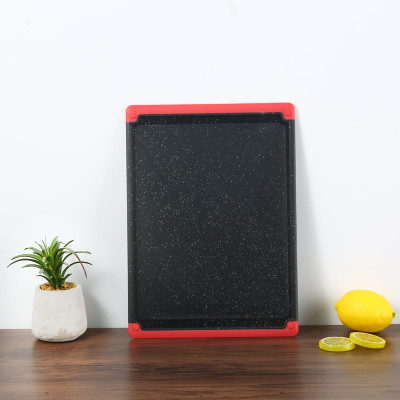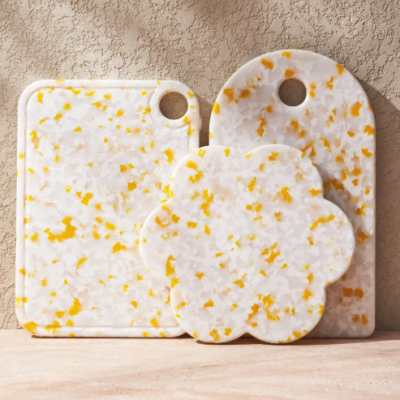
How Food-Grade Plastics Enhance Your Food Processing Cutting Board's Performance.
In any kitchen, whether it's the heart of a high-volume commercial operation or a creative home culinary space, the food processing cutting board stands as an indispensable tool. But what truly elevates a cutting board from a simple surface to a high-performance instrument? The secret lies in the science behind the materials.
Today, we're diving deep into how specialized food-grade plastics are revolutionizing the safety, hygiene, and efficiency of these essential kitchen workhorses. The transition to advanced polymers like HDPE and UHMW is not a mere trend; it's a fundamental shift towards a higher standard of food preparation.
Choosing the right plastic for your food processing cutting board is a decision that extends far beyond durability. It's a critical choice that safeguards health, optimizes kitchen performance, and ensures a consistently cleaner and safer environment for every meal you prepare. By understanding these materials, you empower yourself to make the best choice for your kitchen's integrity and safety.
Key Takeaways
For those in a hurry, here’s a snapshot of what makes food-grade plastics the superior choice for your cutting boards:
- Unmatched Safety and Hygiene: Food-grade plastics like High-Density Polyethylene (HDPE) and Ultra-High Molecular Weight Polyethylene (UHMW) are non-porous. This fundamental quality prevents bacteria, mold, and moisture from seeping into the board, drastically reducing the risk of foodborne illness and cross-contamination.
- Certified for Food Contact: These materials are rigorously tested to meet stringent standards set by the FDA (U.S. Food and Drug Administration) and NSF (National Sanitation Foundation). This certification guarantees that the plastic will not leach harmful chemicals into your food, ensuring it remains pure and safe for consumption.
- Exceptional Durability and Longevity: HDPE and UHMW are engineered for toughness. They resist deep cuts, chipping, and warping, even under the strain of heavy daily use in a commercial kitchen. This durability not only provides a stable and reliable cutting surface but also means the board will last longer, offering better long-term value.
- Effortless Maintenance: The non-absorbent, smooth surface of a plastic cutting board makes it incredibly easy to clean and sanitize. Unlike porous materials that can harbor stains and odors, food-grade plastics can be washed thoroughly with soap and water or run through a high-temperature commercial dishwasher for complete sterilization.
- The Critical Role of Color-Coding: The use of color-coded cutting boards is a simple yet highly effective system for preventing cross-contamination. By assigning different colors to different food types (e.g., red for raw meat, green for vegetables), kitchens can easily implement HACCP (Hazard Analysis and Critical Control Points) principles, ensuring that pathogens from raw foods do not transfer to ready-to-eat items.
- A Warning on Maintenance: Never sand or re-texture a plastic cutting board. Doing so removes the original safe texture and creates microscopic grooves that become impossible-to-clean breeding grounds for bacteria. A deeply scarred board should always be replaced to maintain a hygienic environment.
The Foundational Benefits of Food-Grade Plastics for Your Food Processing Cutting Board
The shift towards plastic cutting boards in professional and home kitchens is driven by a clear and compelling set of advantages rooted in modern food safety science. Food-grade plastics offer a trifecta of benefits—safety, hygiene, and durability—that porous materials like wood simply cannot match. This foundation is built on the specific molecular structure of polymers like HDPE, which are engineered to create the most secure surface possible for food preparation.
Unwavering Safety: Preventing Contamination
The primary responsibility of any food contact surface is to be safe. This means it must not transfer any harmful substances to the food, nor should it provide a habitat for dangerous microorganisms. Food-grade plastics excel in both these areas, providing a level of assurance that is critical in today's food processing environments.
Food-grade plastics like HDPE and UHMW meet stringent FDA and NSF standards, ensuring no harmful chemical leaching. Their non-porous nature actively prevents bacterial growth, crucial for a hygienic food processing cutting board. We understand the paramount importance of a safe food processing environment.
When a plastic is labeled "food-grade," it signifies that it has been certified safe for direct contact with food by regulatory bodies. In the United States, the two most important certifications come from the U.S. Food and Drug Administration (FDA) and the NSF (National Sanitation Foundation). The FDA, under regulations such as CFR 21, specifies which polymers and additives are considered safe for food contact applications. High-Density Polyethylene (HDPE) and Ultra-High Molecular Weight Polyethylene (UHMW) are prime examples of polymers that meet these stringent requirements, ensuring they are free from plasticizers, stabilizers, or other chemicals that could leach into food.
Perhaps the most significant safety feature of these plastics is their non-porous surface. Materials like wood, despite their traditional appeal, are inherently porous. This means they contain microscopic voids that can absorb moisture, food juices, and, consequently, bacteria like Salmonella, E. coli, and Listeria. Once these bacteria establish themselves deep within the pores, even thorough cleaning may not be sufficient to eliminate them, creating a persistent risk of cross-contamination.
In contrast, HDPE and UHMW have a solid, non-porous structure. Bacteria cannot penetrate the surface, so they remain on top where they can be easily washed away and eliminated through proper sanitation. This resistance to bacterial absorption is a cornerstone of a hygienic food processing cutting board and is a key reason why food safety authorities often recommend plastic boards for handling high-risk foods like raw meat, poultry, and fish.
Superior Hygiene and Easy Maintenance for Your Chopaid Food Processing Cutting Board
A surface that is inherently safe must also be easy to keep clean. The hygiene of a food processing cutting board is directly linked to its ease of maintenance. Food-grade plastics are designed with this in mind, offering a surface that simplifies the cleaning process and ensures a higher level of sanitation can be achieved with minimal effort.
These plastics are exceptionally easy to clean and sanitize. Their resistance to moisture and stains extends board life and helps maintain a sterile food preparation area, making every Chopaid food processing cutting board a reliable choice.
The smooth, non-absorbent nature of HDPE makes it incredibly easy to clean. Unlike wood, which can swell, warp, or crack when exposed to excessive water, plastic boards can be completely submerged and scrubbed without risk of damage. Most are certified dishwasher-safe, allowing for a high-temperature wash and sanitizing cycle that effectively kills any remaining surface bacteria. This is a significant advantage in both commercial kitchens, where speed and efficacy are paramount, and in homes, where convenience is key.
Furthermore, these plastics are highly resistant to stains and odors. Foods with strong pigments, such as beets or turmeric, or those with pungent smells, like garlic and onions, will not penetrate the board and leave a lasting trace. The board can be washed clean, returning to a neutral state ready for the next task. This is an essential feature for maintaining the integrity and flavor of different foods.
This ease of maintenance and superior hygiene is what makes a Chopaid food processing cutting board such a dependable tool. By choosing a material that actively resists contamination and is simple to sterilize, you are investing in a safer food preparation environment and extending the functional life of your cutting board.
HDPE: The Durable and Versatile Heart of Many Food Processing Cutting Boards
High-Density Polyethylene, or HDPE, is the undisputed champion material for food processing cutting boards, and for good reason. It strikes an optimal balance of durability, safety, cost-effectiveness, and knife-friendliness, making it the go-to choice for manufacturers and culinary professionals worldwide. Its unique molecular structure lends it a set of physical properties that are almost perfectly suited for the demanding environment of a kitchen.
Robust Durability and Structural Strength
A cutting board must endure constant punishment: the repeated impact of sharp knives, the weight of heavy ingredients, and the occasional accidental drop. HDPE is engineered to withstand this abuse day in and day out without failing.
HDPE's high strength-to-density ratio, impressive tensile strength, and superior impact resistance make it the ideal, resilient material for food processing cutting boards, including those from Chopaid. It's built to last through rigorous daily use.
HDPE is known for its high strength-to-density ratio, which means it is lightweight yet incredibly strong. This material exhibits excellent tensile strength, allowing it to resist stretching or breaking under tension, and it has high impact resistance, so it won't easily crack or shatter if dropped. For a cutting board, this translates into a surface that resists deep gouging from knives. While all cutting boards will show knife marks over time, HDPE is resilient enough to prevent the kinds of deep cuts that can harbor bacteria and compromise the board's structure.
This durability makes it an ideal material for professional settings where boards are in constant use. A well-made HDPE board can withstand years of heavy chopping, dicing, and filleting. This resilience ensures a stable and safe cutting surface, which is crucial for preventing knife slips and injuries. Products like a Chopaid food processing cutting board are designed with this longevity in mind, providing a reliable work surface that professionals can count on.
Chemical Resilience and Thermal Stability
A modern kitchen environment involves more than just food; it also involves aggressive cleaning chemicals and high temperatures used for sanitation. A cutting board material must be able to withstand these elements without degrading, and HDPE is exceptionally well-suited for this challenge.
HDPE resists various chemicals and can withstand temperatures up to 275°F (135°C). This thermal stability allows for thorough sanitization without material degradation, vital for a long-lasting and safe food processing cutting board.
HDPE is highly resistant to a wide range of chemicals, including acids, bases, and various cleaning compounds. This means you can use strong sanitizers to ensure your board is hygienically clean without worrying that the chemicals will corrode or weaken the material. It also resists acids found naturally in foods like tomatoes or citrus fruits, preventing pitting or degradation of the surface over time.
Furthermore, HDPE boasts excellent thermal stability. It can handle continuous temperatures of around 180°F (82°C) and intermittent temperatures up to 248°F (120°C), well above the sanitizing temperature of commercial dishwashers. This allows for heat-based sterilization—one of the most effective methods for killing pathogens—without the risk of the board warping, softening, or leaching chemicals. This combination of chemical and thermal resistance is vital for maintaining a sterile food preparation surface and ensuring the long-term safety and integrity of the cutting board.
Specialized Performance and Essential Care for Your Food Processing Cutting Board
While HDPE is the all-around workhorse, the world of food-grade plastics also includes highly specialized materials designed for extreme conditions. Additionally, maximizing the performance and safety of any plastic cutting board requires understanding proper care practices and proven safety systems. This includes knowing which materials to use for specific applications, how to properly maintain them, and how to use organizational tools like color-coding to create a foolproof system for food safety.
UHMW: Unrivaled for Extreme Wear Resistance in Specific Food Processing Cutting Board Applications
For applications that go beyond simple chopping and dicing, where industrial-level wear resistance is required, Ultra-High Molecular Weight Polyethylene (UHMW) is the superior choice. Its unique properties make it an indispensable material in large-scale food processing operations.
When your food processing setup demands the utmost in wear resistance and low friction, Ultra-High Molecular Weight Polyethylene (UHMW) is the answer. While not always forming the entire food processing cutting board, UHMW is perfect for critical components such as conveyor guides, ensuring smooth handling and minimizing contamination from wear particles. Its non-stick properties also resist bacterial growth effectively.
UHMW is a step above HDPE in terms of abrasion resistance and impact strength; in fact, it is considered one of the most wear-resistant plastics available. Its molecular chains are extremely long, which gives it immense toughness and a very low coefficient of friction. This "self-lubricating" property means that materials slide across its surface with minimal resistance.
While you might not find an entire cutting board made of UHMW in a typical kitchen (due to its higher cost and density), it is the gold standard for components in food processing machinery. Think of conveyor guides, scraper blades, and chute liners in a factory that processes thousands of pounds of food per hour. Using UHMW in these high-friction areas minimizes wear and tear on the equipment. More importantly, it significantly reduces the generation of plastic dust or particles from friction, preventing physical contamination of the food product. Its non-stick, non-porous surface also shares the same hygienic benefits as HDPE, resisting bacterial adhesion and making it easy to clean.

Critical Warning: Why Re-texturing Your Plastic Food Processing Cutting Board is Dangerous
As a plastic cutting board ages, it will inevitably accumulate knife scars. A common but dangerous misconception is that these scratches can be "fixed" by sanding or planing the surface to make it smooth again. This practice should be avoided at all costs, as it severely compromises food safety.
A common misconception is that sanding or re-texturing a worn plastic food processing cutting board can restore it. This is a critical error. The original semi-rough texture of plastics like HDPE prevents food from slipping. Removing this texture increases the risk of accidents and, more importantly, creates microscopic crevices that trap food particles. These hidden residues become breeding grounds for bacteria, posing significant contamination risks. For health and safety, including with our Chopaid food processing cutting board products, we strongly advise replacing a worn board rather than sanding it down.
New plastic cutting boards are manufactured with a specific, lightly textured surface. This texture is not just for aesthetics; it is a safety feature designed to provide grip and prevent food from sliding around during cutting. Sanding the board removes this texture, creating a dangerously slick surface that increases the risk of knife slips and injuries.
Even more alarmingly, sanding creates a network of microscopic scratches and grooves on the plastic's surface. While the board might feel smooth to the touch, these crevices are deep enough to trap moisture and tiny food particles. No amount of scrubbing or sanitizing can effectively reach and clean out these microscopic havens. Consequently, they become ideal breeding grounds for dangerous bacteria. Studies have shown that knife-scarred surfaces are significantly harder to clean than new surfaces. Attempting to "resurface" the board only exacerbates this problem on a microscopic level. The only safe and responsible course of action for a deeply grooved or heavily scarred plastic cutting board is to discard it and replace it with a new one.
Boosting Safety with Color-Coded Food Processing Cutting Boards
Beyond the material itself, one of the most effective strategies for enhancing kitchen safety is implementing a color-coding system for your cutting boards. This simple organizational method is a cornerstone of professional food safety management systems like HACCP (Hazard Analysis and Critical Control Points).
Beyond material properties, systematic color-coding is another method to boost the safety and performance of your food processing cutting board use. Assigning specific colors for different food types—like red for raw meat or green for produce—is a proven practice to prevent cross-contamination in professional settings. This simple organizational technique ensures that every food processing cutting board plays its part in maintaining a safe and efficient kitchen flow.
Cross-contamination is one of the leading causes of foodborne illness. It occurs when pathogens are transferred from one food to another, often from a raw food (like chicken) to a ready-to-eat food (like salad greens) via a contaminated surface. Using a single cutting board for all tasks dramatically increases this risk.
A color-coded system provides a clear, visual cue that helps prevent these mistakes. By assigning a specific color to each food category, kitchen staff can instantly identify the correct board for the task at hand, creating a physical barrier between different types of foods.
Here is the most widely accepted color-coding system used in the food industry:
| Color | Food Category | Purpose |
|---|---|---|
| Red | Raw Meat (Beef, Pork, etc.) | Prevents bacteria like E. coli from contaminating other foods. |
| Yellow | Raw Poultry (Chicken, Turkey) | Separates poultry to prevent the spread of Salmonella and Campylobacter. |
| Blue | Raw Seafood (Fish, Shellfish) | Isolates potent allergens and specific bacteria associated with seafood. |
| Green | Fruits & Vegetables | Keeps produce that may be eaten raw away from raw meat contaminants. |
| Brown | Cooked Meats | Prevents contamination of cooked, ready-to-eat foods. |
| White | Dairy & Bakery | Used for general-purpose or "neutral" items like bread, cheese, and pastries. |
Implementing this system is a powerful, low-cost investment in food safety that empowers every member of a kitchen team to uphold the highest standards of hygiene.
Frequently Asked Questions (FAQ)
1. Are the knife grooves on my plastic cutting board a safety concern? Yes, they can be. While light scratches are a normal part of use, deep grooves and heavy scarring can become a problem. These cuts are difficult to clean thoroughly, and they can harbor food particles and bacteria. If your board becomes heavily scarred to the point where it feels rough or is difficult to wipe clean, it's time to replace it. Never try to sand it down, as this creates microscopic crevices that are even worse for trapping bacteria.
2. Which is better for a home kitchen, HDPE or UHMW? For virtually all home kitchen applications, HDPE is the ideal choice. It offers an excellent combination of durability, knife-friendliness, safety, and affordability. UHMW is an ultra-high-performance material with extreme abrasion resistance that is generally overkill—and significantly more expensive—for home use. Its benefits are most realized in industrial settings with high-friction machinery. Stick with a quality HDPE board for your home.
3. How often should I replace my food processing cutting board? There is no fixed timeline, as replacement depends on usage frequency and maintenance. The key indicator is the condition of the surface. A good rule of thumb is to inspect your boards regularly. When you see that the board has developed deep, extensive knife grooves that cannot be easily cleaned, or if it has become warped or stained despite cleaning, it is time for a replacement. In a busy commercial kitchen, this might be annually, while a home board may last for several years.
4. Can I put my plastic cutting board in the dishwasher? Most high-quality HDPE cutting boards are designed to be dishwasher safe. The material can withstand the high temperatures and detergents used in a dishwasher's sanitizing cycle without warping or degrading. This is one of their major advantages over wood boards. However, always check the manufacturer's recommendations to be certain. Very thin or low-quality plastic boards may warp in high heat.
5. Why is a color-coding system so important? A color-coding system is a simple but incredibly effective way to prevent cross-contamination, a major cause of foodborne illness. By physically separating the surfaces used for raw meats, poultry, seafood, and ready-to-eat produce, you create a barrier that stops harmful bacteria like Salmonella and E. coli from moving from a contaminated food to a clean one. It's a foundational practice for food safety in professional kitchens and a highly recommended one for home cooks.
Conclusion
Ultimately, the choice of material for your food processing cutting board has a profound and direct impact on kitchen hygiene, workflow efficiency, and overall food safety. The journey from traditional materials to advanced food-grade plastics is not just about a change in substance, but a commitment to a higher standard of care and responsibility in food handling.
By understanding the unique, scientifically-backed properties of food-grade plastics like HDPE and UHMW, along with the critical importance of proper maintenance practices, we can ensure our food processing cutting boards perform at their peak. It is this knowledge that transforms a simple slab of plastic into a guardian of health in the kitchen.
Invest wisely in high-quality, certified food-grade plastic cutting boards, and integrate best practices like color-coding and timely replacement into your routine. By doing so, you are taking a crucial step to protect public health, enhance your culinary creations, and optimize the vital processes of food preparation that form the heart of every kitchen. We invite you to share this knowledge and join the conversation on building safer kitchens for everyone.