How to Choose an Anti-Bacterial Cutting Board for a Safer Kitchen
I'm here to help you navigate the crucial choice of a cutting board, an essential tool that can significantly impact your kitchen's hygiene and your family's health. While many of us grab the cheapest option, understanding the science behind different materials – especially concerning bacterial growth – is key to creating a truly safer cooking space. Let's explore how wood, plastic, rubber, and bamboo stack up, focusing on their anti-bacterial properties, durability, and practical use to find the perfect fit for your home.
Key Takeaways
- Material Matters Most: The safety of a cutting board is determined by its material. Non-porous surfaces like high-density plastic, rubber, or composites are easier to sanitize, while some hardwoods like maple have natural antimicrobial properties.
- Plastic Isn't Perfect: Though convenient and often labeled "anti-bacterial," plastic cutting boards develop knife grooves that can harbor bacteria and become difficult to clean. They should be discarded when they become excessively worn.
- Wood's Natural Defense: Dense hardwoods contain natural compounds like tannins that have an antibacterial effect. They can also be "self-healing" to a degree, but require regular maintenance like oiling and are not dishwasher-safe.
- Cross-Contamination is Key: To prevent foodborne illness, the USDA recommends using separate cutting boards for raw meat, poultry, and seafood, and for ready-to-eat foods like bread and vegetables.
- Cleaning is Critical: Regardless of the material, proper cleaning is essential for hygiene. All boards should be washed with hot, soapy water after each use. A sanitizing step with a diluted bleach solution can be used for both wood and non-porous boards for added safety.
Exploring Cutting Board Materials: Beyond the Anti-Bacterial Plastic Offering
The cutting board is a fundamental pillar of kitchen safety, yet the debate over the best material is often clouded by marketing claims and outdated advice. While "anti-bacterial" plastic boards are heavily promoted, a truly hygienic kitchen relies on understanding the inherent properties of each material. The most critical factor distinguishing a safe board from a potential health hazard is its porosity—the tendency of a material to absorb moisture and, with it, bacteria. A non-porous surface is difficult for bacteria to penetrate, making it far easier to clean and sanitize effectively. Let's delve into the most common options to see how they truly perform.
Wood: Warmth, Knife-Friendliness, and Natural Defenses
For generations, wooden cutting boards have been a staple in kitchens, prized for their aesthetic warmth and satisfying feel under a knife. Contrary to old myths that porous wood must harbor germs, modern science has revealed that certain woods possess remarkable natural defenses. In fact, the USDA’s food code permits the use of close-grained hardwoods like maple for food preparation, acknowledging their safety when properly maintained. Studies, like those famously conducted at the University of Wisconsin, have shown that on some wooden boards, 99.9% of bacteria can begin to die within minutes of application.
This surprising characteristic is due to a few key factors. First, hardwoods have tight grain structures that can trap bacteria. The wood's natural capillary action wicks moisture away from the surface, pulling bacteria down into the wood fibers where they cannot multiply and eventually die as the board dries. Second, many types of wood contain natural antimicrobial compounds, such as tannins, that actively inhibit bacterial growth. This combination of physical and chemical properties makes a quality hardwood board a formidable opponent against kitchen pathogens. A significant benefit of wood is its "self-healing" nature; the wood fibers can gently part for the knife blade and then close back up, preventing deep, permanent grooves where bacteria might otherwise fester. Furthermore, wood is inherently knife-friendly, providing a surface that protects the sharp edge of your blades, unlike harder materials such as glass or stone.
Maple vs. Walnut: Hardness, Aesthetics, and Self-Healing
When selecting a wooden cutting board, maple and walnut are two of the most popular and highly recommended choices, but they offer distinct experiences. The decision between them often comes down to a balance of durability, knife maintenance, and kitchen aesthetics.
Maple: Often considered the industry standard, hard maple (or sugar maple) is a dense, fine-grained wood with a Janka hardness rating of around 1450. This high density makes it exceptionally durable and resistant to scratches and impacts, which is why it's a favorite in busy kitchens. Its small pores are effective at blocking moisture and bacteria, making it a very hygienic choice. The aestehtics of maple are classic and clean, with a light, creamy color that can brighten a kitchen space. However, this hardness means it can be slightly tougher on knife edges compared to softer woods, potentially requiring more frequent sharpening. Its light color also means stains can be more visible, requiring prompt cleaning.
Walnut: Prized for its rich, dark chocolate color and striking grain patterns, walnut offers a more dramatic and luxurious look. With a Janka hardness of about 1010, it is softer than maple. This softness is a key advantage for knife enthusiasts, as it is gentler on blade edges, helping to preserve their sharpness for longer. While still durable, walnut will show knife marks and scratches more readily than maple. Some users appreciate this quality, seeing it as part of the board's character. Walnut also has "self-healing" properties, where its fibers can close back up over minor cuts.
Comparison Table: Maple vs. Walnut
| Feature | Maple | Walnut |
|---|---|---|
| Janka Hardness | ~1450 (Harder) | ~1010 (Softer) |
| Durability | More resistant to scratches and dents | Softer, shows marks more easily |
| Knife Friendliness | Harder on knife edges | Gentler on knife edges |
| Aesthetics | Light, creamy color; uniform grain | Dark, rich brown; dramatic grain |
| Hygiene | Very hygienic due to small pores | Hygienic, but pores can be larger |
| Maintenance | Shows stains more easily; requires oiling | Hides stains better; may need more frequent oiling |
| Cost | Generally more affordable | Typically more expensive |
Ultimately, both maple and walnut are excellent food-safe choices. If your priority is maximum durability and a lower price point in a heavy-use environment, maple is an unmatched workhorse. If you prioritize the longevity of your high-end knives and desire a cutting board that doubles as a stunning serving piece, the elegance of walnut is a worthy investment.
Plastic: The Convenient But Compromising Anti-Bacterial Plastic Board
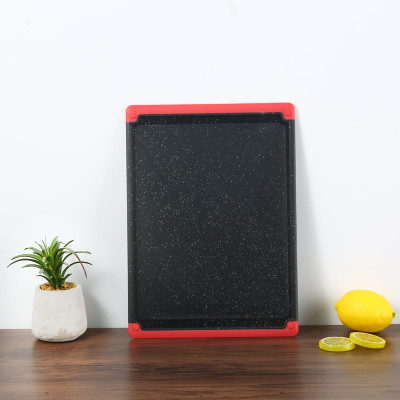
Plastic cutting boards are ubiquitous in modern kitchens, championed for their low cost, light weight, and the convenience of being dishwasher-safe. Often marketed with "anti-bacterial" claims, these boards seem like a straightforward, hygienic choice. However, the reality of plastic's performance over time reveals significant compromises that can impact kitchen safety. While a brand-new plastic board provides a non-porous, easy-to-clean surface, its advantage is fleeting. The very nature of its use—being cut upon by sharp knives—is also its primary weakness.
Dishwasher Appeal, Hidden Scratches, and Bacterial Havens
The single biggest advantage of a plastic board is its initial cleanability; being dishwasher-safe allows for high-heat sanitization that effectively kills common foodborne pathogens like Salmonella and E. coli. This is a significant benefit, especially for those concerned with sanitation after handling raw meat. However, this advantage diminishes with use. Every cut from a knife creates grooves and scratches on the plastic surface. While initially microscopic, these cuts deepen over time, creating a rough, scarred texture.
These grooves are the primary failing of plastic boards. They become tiny, protected channels where moisture, food particles, and bacteria can become trapped. Once a board is heavily scored, even a high-heat dishwasher cycle may not be able to effectively sanitize these crevices. This creates a hidden bacterial haven, turning a tool meant for hygiene into a potential source of cross-contamination. Deep cuts that you can feel with a fingernail, persistent stains, or lingering odors that survive washing are all signs that a plastic board is past its prime and can no longer be considered safe. The USDA advises that once cutting boards become excessively worn or develop hard-to-clean grooves, they should be discarded entirely.
Furthermore, a growing concern with aging plastic boards is the shedding of microplastics. The friction and force from chopping can release millions of tiny plastic particles that can mix with your food. While research into the long-term health effects is ongoing, minimizing exposure is a prudent goal for any health-conscious kitchen.

Rubber: The Professional Standard for Hygiene and Durability
For those seeking the pinnacle of hygiene, durability, and knife care, rubber cutting boards represent the professional standard. Favored in commercial kitchens and by serious home cooks, high-quality synthetic rubber boards combine the best attributes of both wood and plastic while mitigating their key weaknesses. They offer an exceptionally hygienic, long-lasting solution for intense food prep environments.
Non-Porous, Self-Healing, and Stable for Intense Prep
The primary advantage of a rubber cutting board is its material composition. Made from dense, food-grade synthetic rubber, these boards are completely non-porous. Unlike wood, they don't absorb liquids or odors, and unlike scarred plastic, there are no crevices for bacteria to penetrate. This makes them incredibly easy to clean and sanitize, as all contaminants remain on the surface and can be washed away effectively. Many rubber boards are certified by organizations like the NSF (National Sanitation Foundation), confirming they meet strict public health and safety standards.
A standout feature of quality rubber boards is their "self-healing" capability. The resilient material has a slight give, allowing it to absorb knife impacts without sustaining deep, permanent damage. Minor cuts tend to close back up, maintaining a smoother surface over a longer period. This not only preserves the board's hygienic properties but is also exceptionally gentle on knife edges, much like a soft wood. Chefs prize this quality for preserving the sharpness of their expensive blades.
Furthermore, rubber boards are known for their heft and stability. Their significant weight, combined with the material's natural grip, ensures they stay firmly planted on the countertop during vigorous chopping, enhancing safety. While they are a more significant upfront investment, their longevity and the fact that some can be sanded down to reveal a fresh surface make them a cost-effective choice in the long run. They won't warp or crack from moisture and can withstand the rigors of a busy kitchen for years, making them a top-tier choice for those who prioritize performance and safety above all else.
Bamboo: An Eco-Conscious Choice with Specific Limitations
Bamboo cutting boards have surged in popularity, largely promoted as an eco-conscious alternative to traditional wood and plastic. Bamboo is technically a grass that grows exceptionally fast, making it a highly renewable resource. This rapid growth gives it a strong "green" appeal for consumers looking to make sustainable choices in their kitchen. However, beyond its environmental credentials, the performance and safety of bamboo as a cutting surface come with specific and significant limitations that are crucial to understand.
Growth Speed vs. Knife Wear and Structural Integrity
One of the most touted benefits of bamboo is its hardness. It is significantly denser and less porous than many hardwoods, which helps it resist water absorption and, consequently, bacterial growth. While this sounds like a purely positive trait, it comes at a cost to your cutlery. The dense, silica-rich composition of bamboo is notoriously hard on knife edges, causing them to dull much more quickly than they would on friendlier surfaces like maple, walnut, or rubber. For anyone who invests in quality kitchen knives, this is a major drawback.
Furthermore, the structural integrity of most bamboo cutting boards is a point of concern. Unlike solid wood boards which can be made from a single slab, bamboo boards are composites. They are constructed from many small strips of bamboo that are laminated and glued together under high pressure. The safety of the board then depends heavily on the type of adhesive used. Cheaper boards may use glues that contain formaldehyde or other volatile organic compounds (VOCs), which can be a health concern. Even with food-safe glues, the numerous seams make the board susceptible to splitting or delaminating over time, especially with exposure to moisture. These cracks can become traps for bacteria, undermining the hygienic benefits of bamboo's naturally low porosity. While a solid, well-made bamboo board can be a decent option, its hardness and reliance on adhesives make it a compromised choice compared to solid hardwood or rubber.
Understanding Anti-Bacterial Performance: Is Your Plastic Board Enough?
The widespread belief that plastic cutting boards are inherently safer than wood is a persistent myth rooted in a misunderstanding of how bacteria behave on different surfaces. While "anti-bacterial" may be a powerful marketing term, the actual performance of any cutting board comes down to two things: its physical properties and your cleaning regimen. A plastic board's main advantage is being non-porous when new, which makes it easy to clean. However, this benefit is temporary and contingent on a perfectly smooth surface. The moment it gets scratched, its hygienic performance begins to degrade.
The simple act of preparing food can turn a cutting board into a hotspot for cross-contamination. Bacteria from raw meats like chicken or fish can easily transfer to the board and then to fresh produce if the surface isn't properly sanitized between tasks. Understanding how different materials handle this bacterial load is key to maintaining a safe kitchen.
Bacterial Traps: Surface Porosity and Microbe Survival
The single most important factor in a cutting board's hygiene is its surface integrity. Porosity refers to the presence of tiny holes or pores in a material. A non-porous surface, like new plastic, rubber, or glass, does not allow liquids to soak in. A porous surface, like wood, can absorb moisture. This key difference dictates how each material must be handled and how it interacts with bacteria.
However, porosity isn't the only factor. Knife scars create artificial pores on any surface, but how the material behaves around these cuts is what truly separates a safe board from an unsafe one. Even though plastic is non-porous by nature, knife grooves transform it into a minefield of microscopic crevices where bacteria can thrive, safe from a quick rinse or wash. This is where the debate between wood and plastic becomes more nuanced.
Wood's Natural Anti-Bacterial Action: Dehydration and Enzymes
For decades, the porous nature of wood led to the widespread belief that it was less hygienic than non-porous plastic. However, extensive research, most notably pioneered by Dr. Dean Cliver at the University of Wisconsin, has overturned this assumption, revealing wood's sophisticated and natural antibacterial mechanisms.
The key to wood's effectiveness lies in a process called capillary action. Wood is composed of countless microscopic tubes or fibers. When moisture from food—along with any surface bacteria—comes into contact with the board, these capillaries draw the liquid down from the surface and deep into the wood's structure. This action effectively traps the bacteria, pulling them away from the food and your knife. Once trapped inside the wood, the bacteria are deprived of the surface moisture they need to survive and multiply. As the wooden board air-dries, the bacteria ultimately die off. It's a natural, passive sanitizing process.
In addition to this physical trapping mechanism, many dense hardwoods contain natural antimicrobial compounds. Chemicals like tannins (found in woods like cherry and oak) and other polyphenols act as a natural defense for the tree and retain some of their bactericidal properties in the finished cutting board. Studies have demonstrated that on some wooden surfaces, 99.9% of bacteria like E. coli and Salmonella can die off within minutes, a stark contrast to plastic surfaces where they can persist and even multiply. This combination of dehydration via capillary action and natural chemical warfare makes a well-maintained hardwood board a surprisingly powerful tool for kitchen hygiene.
Plastic's Vulnerability: Scratches Harboring Harmful Germs
The very structure of plastic makes it vulnerable over time. Unlike wood, which has self-healing and absorbent properties, plastic has no defense against knife damage. Every slice and chop creates a permanent scar. These grooves become microscopic safe havens for harmful bacteria like Salmonella, E. coli, and Campylobacter. The bacteria, suspended in food juices, settle into these crevices, where they are shielded from the brief, superficial cleaning of a sponge or even the spray of a dishwasher.
Research has consistently shown that as plastic boards become more scarred, they become significantly harder to sanitize. While a new plastic board is easy to clean, a used, knife-scarred one can be nearly impossible to fully disinfect through manual washing. One study demonstrated that while bacteria on wooden boards naturally died off, they could actually multiply on plastic boards left at room temperature overnight. The grooves provide the perfect moist, protected environment for a biofilm—a colony of bacteria—to form.
This makes a worn plastic board a serious cross-contamination risk. Bacteria from raw chicken can easily survive in the scratches and then be transferred to a salad you chop next. Because these microscopic hazards are invisible, you may have a false sense of security after washing the board. For this reason, food safety experts stress that plastic boards should be considered disposable and must be replaced as soon as they develop deep grooves or become excessively worn.

Effective Sanitation for All Boards, Including Your Anti-Bacterial Plastic One
No cutting board is self-cleaning. Regardless of the material you choose, a consistent and thorough sanitation routine is the most important factor in preventing foodborne illness. "Anti-bacterial" labels can offer a false sense of security; hygiene is an active process, not a passive feature. The fundamental rule, recommended by food safety authorities like the USDA, is to prevent cross-contamination by using separate boards for raw meats and ready-to-eat foods. Beyond that, each material has an ideal cleaning protocol to maximize its safety and lifespan.
Wood Care: Oiling and Gentle Scrubbing
Proper care is essential to maintain the hygienic properties and longevity of a wooden cutting board. Follow these steps for daily cleaning and long-term maintenance:
Immediate Washing: After each use, wash the board with hot, soapy water. Use a brush or sponge to gently scrub away any food particles. It's important to wash both sides, not just the cutting surface, to ensure even moisture exposure and prevent warping.
Rinse and Dry Thoroughly: Rinse the board completely with clean, hot water. Immediately pat it dry with a towel and then stand it on its edge or in a dish rack to allow air to circulate around all sides. Never lay a wet board flat on the counter and absolutely never put a wooden board in the dishwasher, as the intense heat and prolonged moisture will cause it to warp and crack.
Regular Deodorizing and Stain Removal: For a deeper clean, especially after chopping pungent foods like garlic or onions, you can use natural abrasives and acids. Sprinkle the board with coarse salt (like kosher salt) and scrub it with half a lemon. The salt acts as an abrasive to lift stains, and the acidic lemon juice helps to neutralize odors and provides a mild sanitizing effect. Let it sit for a few minutes before rinsing and drying. A paste of baking soda and water is also effective for scrubbing away stubborn stains.
Sanitizing (When Necessary): For extra sanitation, especially after working with raw meat, you can use a diluted solution of white vinegar. Keep a spray bottle with a 1:4 mixture of white vinegar and water. Spray the board, let it sit for a few minutes, then rinse and dry. Vinegar is a natural disinfectant that is safe for the wood.
Essential Oiling: This is the most critical step for long-term care. Wood needs to be regularly conditioned to keep it from drying out and cracking. About once a month (or more if it looks dry), apply a generous layer of food-grade mineral oil or a specialized cutting board cream (often a mix of mineral oil and beeswax). Let the oil soak in for several hours or overnight, then wipe away any excess. This creates a protective barrier that repels water and prevents food juices from soaking into the wood. Do not use cooking oils like olive or vegetable oil, as they can turn rancid.
By following this routine of gentle washing, thorough drying, and regular oiling, your wooden cutting board will remain a safe, durable, and beautiful tool in your kitchen for many years.
Rubber and Plastic: Specific Cleaning Protocols
Because rubber and plastic are non-porous, they are relatively straightforward to clean. However, ensuring they are properly sanitized—especially after contact with raw meat—requires specific steps.
Cleaning Plastic Cutting Boards:
- Basic Wash: For general use (like chopping vegetables), a thorough scrub with hot, soapy water is sufficient.
- Dishwasher Sanitization: The easiest way to sanitize a plastic board is in the dishwasher. Use a hot water cycle (at least 165°F or 74°C) to effectively kill bacteria. However, be aware that very thin or cheap boards can warp in the dishwasher's heat.
- Manual Sanitization: If you don't use a dishwasher, you must sanitize the board by hand after washing. The USDA recommends using a solution of one tablespoon of unscented liquid chlorine bleach per gallon of water. Flood the board's surface with this solution, let it stand for several minutes, then rinse thoroughly with clean water and let it air dry.
- Stain and Odor Removal: For tough stains, a paste of baking soda and water can be effective. To deodorize, scrub the board with half a lemon and some coarse salt. For deeper disinfection, spraying it with 3% hydrogen peroxide, letting it sit for a few minutes, and then rinsing is also a good option.
Cleaning Rubber Cutting Boards:
- Daily Cleaning: Just like other boards, daily cleaning involves washing with hot water and a mild detergent. Their non-porous nature means food particles and liquids wash away easily.
- Sanitizing: While some high-end rubber boards are designed to withstand commercial dishwashers, many manufacturers recommend handwashing to preserve their longevity and prevent potential warping over time. To sanitize, you can use the same diluted bleach solution (1 tablespoon per gallon of water) recommended for plastic boards. Apply the solution, let it sit, rinse thoroughly, and allow it to air dry completely.
- Maintenance: Rubber boards are very low maintenance and do not require oiling. Their durability means they resist the deep grooves that plague plastic boards. If a high-quality rubber board does become heavily scarred over many years of use, it can often be resurfaced by sanding it down, which extends its life significantly.
For both plastic and rubber, the goal is the same: wash away debris, then kill any lingering bacteria. The non-porous surface of a board in good condition makes this process highly effective.
Chopaid's Best Practices for Optimal Hygiene
Achieving the highest level of kitchen hygiene isn't about finding a single "magic" board, but about implementing smart, consistent practices. At Chopaid, we believe that an informed cook is a safe cook. By combining knowledge of materials with proven food safety strategies, you can create a system that dramatically reduces the risk of foodborne illness.
Three Pillars of Cutting Board Hygiene:
Separate and Conquer: This is the most crucial rule in food safety. Cross-contamination—the transfer of bacteria from raw to ready-to-eat foods—is a primary cause of food poisoning. You should always use separate cutting boards for different food types. The simplest system for a home kitchen is to have at least two: one designated exclusively for raw meat, poultry, and seafood, and a second one for everything else, like fruits, vegetables, bread, and cheese. This physical separation is the most effective way to prevent harmful bacteria from reaching foods that won't be cooked further.
Adopt a Color-Coded System: To make separation foolproof, adopt the color-coded system used in professional kitchens. It’s a simple visual cue that prevents dangerous mistakes. A common standard is:
- Red: Raw Meat
- Yellow: Raw Poultry
- Blue: Raw Seafood
- Green: Fruits & Vegetables
- Brown: Cooked Meats
- White: Dairy & Bread Even adopting a simplified version (e.g., one red board for all raw proteins, one green for produce) creates a powerful safety barrier.
Clean, Sanitize, and Dry Immediately: No matter the material, every board must be cleaned after each use.
- Wash: Scrub the board with hot, soapy water.
- Sanitize: For an extra layer of safety after handling raw meat, use a sanitizing solution. A mixture of one tablespoon of unscented bleach per gallon of water is effective for plastic, rubber, and even wood. Let it sit for a few minutes, then rinse thoroughly.
- Dry: This step is vital. Bacteria need moisture to thrive. Never store a board while it is still damp. After washing and rinsing, pat the board dry with a clean towel or paper towel, and then allow it to air dry completely by standing it on its edge. This ensures air can circulate on all sides, preventing moisture from being trapped.
By integrating these best practices from Chopaid into your daily routine, you elevate your kitchen from just a cooking space to a truly safe food preparation environment.
Longevity, Cost, and Sustainability: Beyond the Anti-Bacterial Plastic Price Tag
When choosing a cutting board, the initial price tag is only one part of the equation. A truly informed decision considers the board's entire lifecycle: how long it will last, its environmental footprint, and what it will cost you over years of use. While a cheap plastic board might seem like a bargain, its short lifespan and hidden costs often make it the more expensive option in the long run.
Extending Board Life: When to Replace or Resurface
A cutting board is a tool that wears out with use. Knowing when its service life is over is critical for both hygiene and safety. The lifespan of a board depends entirely on its material and how well it's maintained. Different materials degrade in different ways, some offering opportunities for renewal while others are destined for the landfill.
Plastic and Bamboo's Shorter Lifespans
Plastic: Plastic cutting boards have the shortest lifespan of any common material. With daily use, a plastic board often needs to be replaced every 1 to 2 years. The definitive sign for replacement is the presence of deep knife grooves that you can feel with your fingernail. Once a plastic board becomes heavily scarred, warped, or retains persistent stains and odors, it's no longer hygienically safe and must be discarded. They are not repairable.
Bamboo: While often marketed as a durable wood alternative, bamboo boards also have a limited lifespan. Because they are constructed from laminated strips of grass, they are prone to splitting, cracking, or delaminating, especially with repeated exposure to moisture. The hardness of bamboo also makes it show knife scars clearly. A well-cared-for bamboo board might last 3 to 5 years, but cheaper models can fail much sooner. Key signs for replacement include visible cracking at the seams, splintering or a "fuzzy" surface texture, and significant warping. Like plastic, they cannot be effectively repaired.
Here are the primary indicators that your plastic or bamboo board has reached the end of its life:
- Deep Knife Grooves: If the surface feels rough and is covered in scratches that are hard to clean, it's a bacterial risk.
- Warping or Cracking: A board that doesn't sit flat is a safety hazard, and any cracks are impossible-to-clean bacterial traps.
- Persistent Stains or Odors: If smells or discoloration don't wash out, it means they are absorbed deep into the material (or trapped in grooves), signaling contamination.
- Visible Mold: Any sign of black or green mold spots means the board is compromised and must be thrown away immediately.
Chopaid's Guide to Maximizing Wood and Rubber Durability
Unlike plastic and bamboo, high-quality wood and rubber cutting boards are built for the long haul. Their durability isn't just about resisting damage—it's about their capacity for renewal, which is a core principle at Chopaid. With proper care, these boards can last for many years, even a lifetime, making them a far more sustainable and valuable investment.
Maximizing the Life of Your Wood Board: A solid hardwood board is a resilient tool that ages gracefully. Its longevity comes from its ability to be resurfaced.
- When to Resurface: Over years of use, even a quality wood board will accumulate knife marks and fine scratches. When the surface becomes noticeably rough or heavily scarred, it's time for a refresh.
- How to Resurface: Resurfacing is a simple DIY process. Using sandpaper, you can remove the damaged top layer to reveal a smooth, new surface underneath.
- Start with a medium-coarse grit sandpaper (around 80 to 120 grit) to sand out the deepest marks. Always sand with the grain of the wood.
- Progress to a finer grit (220 grit) to smooth the surface.
- Finish with a very fine grit (320 or higher) for a silky, polished feel.
- After sanding, wipe the board clean of all dust and apply a generous coat of food-grade mineral oil to season and protect the newly exposed wood.
- Lifespan: With this ability to be restored, a well-made wooden board can last for decades, often becoming a cherished kitchen heirloom.
Maximizing the Life of Your Rubber Board: Commercial-grade rubber boards are prized for their immense durability and low maintenance.
- Natural Resilience: Rubber's "self-healing" nature means it resists deep grooves from the start. Its surface is less prone to the kind of damage that compromises plastic boards.
- Resurfacing: Like wood, many high-quality rubber boards can also be sanded down if they eventually become heavily worn after years of intense use in a professional setting. This removes surface-level marks and restores a smooth, hygienic surface.
- Lifespan: Because they are non-porous, resistant to warping and cracking, and can often be repaired, rubber boards are a true long-term investment. In a home kitchen, a quality rubber board can easily last for over a decade.
By choosing a material that can be maintained and restored, you move away from the "disposable" mindset of cheaper boards. This approach, championed by Chopaid, not only ensures a safer kitchen but also promotes sustainability and delivers superior long-term value.
Environmental Impact: A Green Kitchen Choice
A cutting board's environmental impact is determined by its entire lifecycle, from raw material sourcing to its eventual disposal. Making a truly "green" choice means looking beyond simple labels and understanding the real-world consequences of each material. For conscious consumers, the contrast between natural, renewable materials and disposable, petroleum-based products is stark.
Renewable Materials vs. Petroleum-Based Plastics
Petroleum-Based Plastics: The overwhelming majority of plastic cutting boards are made from high-density polyethylene (HDPE) or polypropylene, which are derived from fossil fuels like oil and natural gas. The production of these plastics is an energy-intensive industrial process that contributes to greenhouse gas emissions and other forms of pollution. The environmental issues with plastic are well-documented:
- Non-Renewable Resource: They are made from finite fossil fuels, the extraction and processing of which have significant environmental costs.
- Microplastic Pollution: As a plastic board wears down, it sheds millions of microplastic particles. These particles contaminate food and are washed down the drain, ultimately polluting waterways, soil, and marine ecosystems.
- Landfill Waste: Because they become unhygienic and cannot be repaired, plastic cutting boards have a short lifespan and are typically thrown away. They are rarely recyclable in standard municipal programs, meaning they end up in landfills where they persist for hundreds of years.
Renewable Materials (Wood & Bamboo): In sharp contrast, wood and bamboo offer a more sustainable, circular lifecycle.
- Renewable & Carbon-Sequestering: Wood is a renewable resource sourced from managed forests. As trees grow, they absorb and store atmospheric carbon. When harvested for a long-lasting product like a cutting board, that carbon remains sequestered, making the board a small carbon sink. Likewise, bamboo is a rapidly growing grass that matures in just 3-5 years, making it an exceptionally renewable material.
- Biodegradable: At the end of its very long life, a wooden board is completely biodegradable and can return to the earth. It can be composted or repurposed, leaving no lasting pollution.
- No Microplastic Shedding: Wear and tear on a wooden or bamboo board produces only natural wood or grass fibers, not synthetic polymers. This completely avoids the issue of microplastic contamination in your food and the environment.
A Note on Bamboo Adhesives: While bamboo is a sustainable raw material, it's important to be aware of how the boards are constructed. Since they are laminated products, the type of glue used is a factor. Reputable manufacturers use non-toxic, food-grade adhesives that are free from harmful chemicals like formaldehyde. Always look for brands that are transparent about their manufacturing processes to ensure both environmental and personal health safety.
Ultimately, choosing a durable board made from a renewable material like wood is a clear winner for environmental sustainability. Its longevity reduces waste, and its natural composition avoids the pollution associated with petroleum-based plastics from creation to disposal.
Total Cost of Ownership: Initial Price vs. Long-Term Value
When evaluating any piece of kitchen equipment, savvy home cooks and professional chefs look beyond the sticker price. They consider the Total Cost of Ownership (TCO), a concept that accounts for all expenses over the product's entire life, including the initial purchase, maintenance, and replacement costs. A cheap plastic cutting board might seem like a bargain, but when you factor in its short lifespan and frequent need for replacement, it often proves to be a more expensive and wasteful choice over time.
Why Cheaper Aren't Always Cheaper: The Case for Quality
Let's break down the TCO of a cheap plastic board versus a quality hardwood or rubber board.
Initial Cost: Plastic is the undisputed winner here. A basic plastic cutting board can be purchased for a very low price, often under $20. In contrast, a high-quality hardwood or rubber board is a bigger upfront investment, potentially costing anywhere from $75 to over $150, depending on size and brand.
Lifespan and Replacement Costs: This is where the math flips. A plastic board, especially one used for daily cooking, will become heavily scarred and unhygienic within 1-2 years, necessitating replacement. Over a ten-year period, you could easily go through 5 to 10 plastic boards.
- Plastic Scenario (10 years): 5 boards x $20/board = $100 total replacement cost.
In contrast, a high-quality wood or rubber board, with proper care, is designed to last for a decade or more.
- Quality Wood/Rubber Scenario (10 years): 1 board x $100/board = $100 initial cost.
Maintenance Costs:
- Plastic: Requires no material maintenance, but its hygiene degrades, posing a health risk. The hidden "cost" is the potential for foodborne illness from bacteria harbored in scratches.
- Wood/Rubber: Requires minimal maintenance. A wooden board needs periodic oiling with food-grade mineral oil, which is very inexpensive. A bottle of mineral oil costing around $10 can last for years. A rubber board requires no material maintenance. The return on this small investment in time and oil is a board that remains hygienic and functional for its entire long life.
The Long-Term Value Proposition:
| Feature | Low-Cost Plastic Board | High-Quality Wood/Rubber Board |
|---|---|---|
| Initial Price | Low (~$15-$25) | High (~$75-$150+) |
| Typical Lifespan | 1-2 years | 10+ years |
| 10-Year Cost (Example) | $75 - $250 (multiple replacements) | $75 - $150 (one-time purchase) + minimal oil cost |
| Performance | Degrades quickly, becomes unhygienic | Maintains hygienic surface with care |
| Knife Care | Can dull knives quickly | Gentle on knife edges, preserving sharpness |
| Sustainability | Disposable, ends in landfill | Repairable, biodegradable (wood) |
As the table shows, while the upfront cost of a quality board is higher, the total cost of ownership over a decade is often comparable or even lower than repeatedly buying and discarding cheap plastic boards. You are not just buying a slab of wood or rubber; you are investing in durability, superior hygiene, better performance for your knives, and a more sustainable kitchen practice. In the end, a quality cutting board doesn't just cost less over time—it delivers a safer and more enjoyable cooking experience every single day.
Making the Right Choice: Your Anti-Bacterial Plastic Cutting Board Alternative
Choosing the right cutting board is a personal decision, but it should be an informed one. Moving beyond the simplistic appeal of a cheap "anti-bacterial" plastic board opens up a world of safer, more durable, and more enjoyable options. The best choice for you will depend on your cooking habits, your priorities—be it convenience, knife care, or sustainability—and your willingness to maintain your tools. By matching the right board to the right task, you can build a cutting board system that makes your kitchen safer and more efficient.
Matching Boards to Tasks: Preventing Cross-Contamination
The single most effective strategy for a safer kitchen is to physically separate foods to prevent cross-contamination. The USDA and other food safety organizations strongly recommend using multiple cutting boards dedicated to specific food categories. This simple habit is more important than the material of any single board. By assigning roles to your boards, you create a system that minimizes the risk of transferring harmful bacteria like Salmonella or E. coli from raw foods to those that are ready to eat.
Raw Meats, Vegetables, and Delicate Prep Specifics
Here is a practical guide to building a safe and efficient cutting board system for your kitchen:
- For Raw Meats, Poultry, and Seafood: This is the highest-risk category. A dedicated, non-porous board is often recommended for this task because it can be aggressively sanitized without worry of damage.
- Best Choices: A high-quality rubber board is the professional's choice due to its durability and non-porous surface. A plastic board is also a good, cost-effective option, provided it is in good condition (not heavily scarred) and is sanitized properly after each use, either in a hot dishwasher cycle or with a bleach solution.
- Why: These materials don't absorb juices and can withstand the rigorous cleaning needed to eliminate pathogens from raw proteins. Using a distinct color, like red for meat, makes it easy to prevent mix-ups.
For Vegetables, Fruits, and Bread: These are ready-to-eat foods, so it is crucial that the board used for them is never contaminated by raw meat juices. This is where the qualities of wood shine.
- Best Choices: A hardwood board (maple or walnut) is the ideal surface for all general-purpose chopping. It is gentle on your knives, which is especially important for the fine knife work often used with vegetables and herbs. Its natural antimicrobial properties provide an extra layer of safety.
- Why: A large wooden board provides a stable, enjoyable, and hygienic workspace for the bulk of your kitchen prep. A green-colored board can be designated for this category if you use a color-coded plastic set.
For Delicate or Pungent Prep: For items with strong flavors and odors like garlic, onions, or chiles, a smaller, separate utility board can be useful to prevent those flavors from transferring to other ingredients.
- Best Choices: A small plastic or rubber board is perfect for this role. It won't absorb the strong odors and can be washed easily. A small bamboo board could also be used here, though it will be harder on your knife.
- Why: Having a dedicated small board for these aromatic tasks keeps your main vegetable board free from lingering smells that could taint delicate fruits or other foods.
By creating this simple two- or three-board system, you build a powerful defense against cross-contamination, ensuring that what happens with your raw chicken stays far away from your fresh salad.
Home Kitchen vs. Professional Demands: Different Priorities
While the fundamental principles of food safety are universal, the specific demands placed on cutting boards in a home kitchen can differ significantly from those in a high-volume professional restaurant. Understanding these differences helps in selecting the right board for your specific environment. A professional chef's priorities are often centered around extreme durability, speed of sanitization, and compliance with health codes, whereas a home cook might place more value on aesthetics, knife care, and long-term cost-effectiveness.
In a restaurant, a board must withstand hours of constant, heavy use every single day. This is why NSF-certified rubber and thick, high-density polyethylene (plastic) boards dominate professional settings. They can be quickly washed and sanitized, often in high-temperature commercial dishwashers, and their non-porous surfaces are crucial for passing health inspections. While wood is permitted in some cases, many health departments restrict its use due to concerns about improper maintenance in a fast-paced environment. The ability to quickly swap out color-coded plastic boards for different tasks is a critical part of a professional kitchen's workflow to prevent cross-contamination under pressure.
In a home kitchen, the pace is slower and the usage less intense. This allows for materials that require a bit more mindful care but offer other benefits. A hardwood board (like maple or walnut) is often the centerpiece of a home kitchen. Its knife-friendly surface, natural beauty, and inherent antibacterial properties make it a joy to use for daily prep. Since a home cook has the time to properly hand-wash, dry, and oil a wooden board, its longevity and performance can be fully realized. While a plastic board is still useful for raw meat, the main workhorse for a home cook is often a quality wooden board that serves as both a tool and a piece of the kitchen's decor.
Chopaid's Recommendations for Every Culinary Setting
At Chopaid, we understand that the "best" cutting board depends on the user. We tailor our recommendations to fit the unique needs of both the dedicated professional and the passionate home cook.
For the Professional Kitchen: Efficiency, durability, and uncompromising hygiene are paramount.
- The Workhorse: A set of heavy-duty, NSF-certified rubber or high-density polyethylene (HDPE) plastic boards is essential.
- System: A color-coded system is non-negotiable. Use red for raw meat, yellow for poultry, blue for seafood, and green for produce to maintain strict separation and comply with health codes.
- Rationale: These boards can withstand the rigors of constant use, aggressive cleaning, and high-temperature sanitization. Their non-porous surfaces are key for preventing cross-contamination in a fast-paced environment where speed and safety must go hand-in-hand.
For the Home Kitchen: A balance of performance, safety, aesthetics, and long-term value is the goal.
- The All-Rounder (Primary Board): A high-quality end-grain or edge-grain hardwood board (maple or walnut) should be your go-to surface. A large board provides ample, stable space for chopping vegetables, fruits, herbs, and bread.
- The Meat Specialist (Secondary Board): A dedicated non-porous board for raw proteins is a must. A small-to-medium sized plastic (HDPE) board is perfect for this. It can be put directly in the dishwasher for easy sanitization after handling raw chicken, meat, or fish. A rubber board is also an excellent, albeit more premium, choice for this task.
- Rationale: This two-board system offers the best of all worlds. You get the superior feel and knife-friendly nature of wood for the majority of your prep work, while isolating high-risk ingredients on an easy-to-sanitize plastic or rubber board. This strategy, recommended by Chopaid, maximizes safety without sacrificing the quality and enjoyment of using a beautiful wooden board.
My Final Advice: Investing in a Safer Kitchen
After exploring the science, durability, and practical uses of different cutting board materials, my advice is to think of your cutting boards not as a single purchase, but as a food safety system. The belief that a single "anti-bacterial" plastic board is the safest option is a myth. True kitchen safety comes from a combination of the right materials for the right tasks and a commitment to proper hygiene.
An investment in a high-quality cutting board system is an investment in the health of you and your family. It means moving away from the disposable mindset of cheap, easily damaged plastic and embracing tools that are designed to last. A quality board not only performs better and feels better to use, but it also provides a more reliably hygienic surface over years of cooking.
Prioritizing Hygiene, Durability, and Personal Preference with Chopaid
Your ideal cutting board setup should be a reflection of how you cook and what you value. At Chopaid, we encourage you to build your system based on these core principles:
Prioritize Hygiene Above All: The non-negotiable first step is preventing cross-contamination. At a minimum, invest in two boards: a non-porous plastic or rubber board exclusively for raw meat, poultry, and fish, and a high-quality hardwood board for all your ready-to-eat items like vegetables, fruits, and bread. This simple separation is the single most effective action you can take for a safer kitchen.
Invest in Durability for Long-Term Value: Resist the temptation of a cheap board that will need to be thrown away in a year. A solid hardwood (maple or walnut) or commercial-grade rubber board is a true long-term investment. While the upfront cost is higher, they will outlast dozens of cheap plastic boards, making them more economical and sustainable over their lifetime. Their ability to be resurfaced means they are tools you can maintain, not just discard.
Honor Your Personal Preference: The tactile experience of cooking matters. If you love the feel of a sharp knife on a yielding wood surface and appreciate the warm aesthetic of a beautiful maple or walnut board, make that the centerpiece of your prep station. You are more likely to care for tools that you enjoy using. Let your passion for cooking guide your choice of a primary board, while ensuring you have the right secondary board in place for high-risk foods.
By following the guidance from Chopaid, you can confidently select a set of cutting boards that not only elevates your cooking experience but, most importantly, establishes a foundation of safety and hygiene that will protect your household for years to come.
Frequently Asked Questions (FAQ)
1. Is it really unsafe to cut everything on one plastic cutting board? Yes, it is unsafe. Using a single board for both raw meat and ready-to-eat foods like vegetables creates a high risk of cross-contamination. Bacteria from the raw meat can easily transfer to the vegetables, leading to foodborne illness. This is why food safety experts universally recommend using separate boards.
2. How often should I truly replace my cutting boards? It depends on the material. Plastic boards should be replaced as soon as they have deep, hard-to-clean grooves, typically every 1-2 years. Bamboo boards should be replaced if they crack, split, or a have a fuzzy surface, usually every 3-5 years. High-quality wood and rubber boards can last for decades because they can be resurfaced by sanding them down when they get too worn.
3. What is the single most hygienic cutting board I can buy? For raw meat, the most hygienic option is a non-porous board that is easy to sanitize, like high-density plastic or rubber. For general use, a well-maintained hardwood board is exceptionally hygienic due to its natural antimicrobial properties. The most hygienic system is having at least two separate boards: one for raw proteins and one for everything else.
4. Does oiling a wood cutting board actually help with bacteria? Yes, indirectly. Oiling a wood board creates a protective barrier that prevents moisture (and bacteria) from soaking deep into the wood. It keeps the wood from drying out and cracking, which would create places for bacteria to hide. A well-oiled, conditioned board is more hygienic and will last much longer.
5. Are glass or marble cutting boards a safe option? While glass and marble are non-porous and easy to clean, they are not recommended for general chopping. They are extremely hard surfaces that will dull and potentially chip your knives very quickly. They are best used as serving platters or for tasks that don't involve sharp blades, like rolling out pastry dough.
Ultimately, the best cutting board for your kitchen depends on your specific needs, cooking style, and willingness to maintain it. While the convenience of an anti-bacterial plastic cutting board might be tempting, I've shown that options like wood and rubber often offer superior hygiene and durability with proper care, reducing bacterial risks more effectively. By understanding the unique properties and maintenance requirements of each material, you're now equipped to make an informed decision and invest in a cutting board that keeps your kitchen safer and healthier for years to come. Remember, a clean board is a happy board