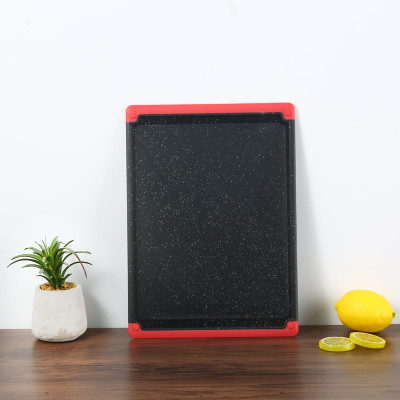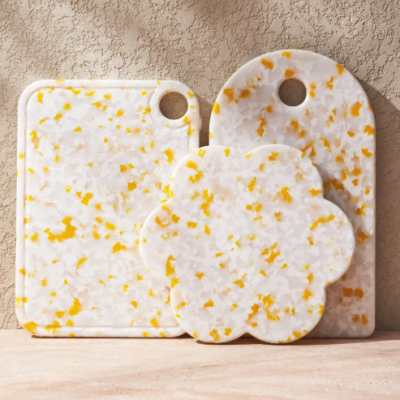
How to Choose the Best Antibacterial Plastic Cutting Board for Your Home
Choosing the right cutting board is far more important for the safety and efficiency of your kitchen than you might realize. This essential tool is not just a surface for chopping; it's a frontline defense in protecting your family from unseen microbial threats and a key player in making your cooking experience smoother and more enjoyable. With a vast array of options available today—from classic wood to modern composites—finding the ideal cutting board can feel overwhelming. This guide will explore why an antibacterial plastic cutting board is an excellent choice for any home and what critical factors you should consider before making a purchase. We all strive for a clean and safe kitchen, and your choice of cutting board plays a monumental role in achieving that goal. Let's delve into how the right antibacterial plastic cutting board can revolutionize your food preparation, keeping your meals hygienic and your knives sharp for years to come.
Key Takeaways
- Hygiene is Paramount: The primary role of a cutting board is to provide a safe surface for food preparation. Antibacterial plastic cutting boards are specifically designed with non-porous surfaces and antimicrobial agents to inhibit the growth of harmful bacteria like E. coli and Salmonella, significantly reducing the risk of cross-contamination.
- Material Matters: While wood has natural antimicrobial properties, it is porous and requires significant maintenance. Plastic is non-porous, dishwasher-safe, and generally more affordable, making it a practical choice for handling high-risk foods like raw meat. However, it's crucial to choose high-quality plastic, like HDPE, which is more durable and less prone to deep grooves where bacteria can hide.
- Protect Your Tools and Surfaces: A good cutting board protects two of your most important kitchen assets: your knives and your countertops. Hard materials like glass or stone will dull knives quickly, while a quality plastic or wood board offers a more forgiving surface. Using any cutting board is essential to prevent scratches and damage to your countertops.
- Smart Features Enhance Safety: Modern cutting boards come with features designed to improve safety and convenience. Look for non-slip edges or feet to prevent the board from sliding during use, and juice grooves to catch liquids from fruits or meats, keeping your workspace clean and tidy.
- Know When to Replace It: All cutting boards wear out over time. Once a plastic cutting board develops deep, hard-to-clean grooves, it's time to replace it. These cuts can harbor bacteria that even a dishwasher or sanitizing solution can't effectively eliminate, posing a health risk.
- A System for Safety: For optimal food safety, the USDA and other food safety experts recommend using separate cutting boards for different food types—one for raw meat, poultry, and seafood, and another for produce and ready-to-eat foods. A color-coded system can make this practice simple and effective.
Why an Antibacterial Plastic Cutting Board Is a Kitchen Essential
In the daily rhythm of a busy kitchen, the cutting board is an unassuming yet indispensable hero. It serves as the primary stage for nearly every meal we prepare, yet its critical role in food safety is often underestimated. Understanding its importance is the first step toward a healthier home cooking environment.
The Foundation of Safe Food Preparation
A cutting board is more than just a piece of wood or plastic; it's a fundamental tool that creates a necessary barrier between our food and other surfaces, ensuring both hygiene and the longevity of our kitchen tools.
Our Daily Reliance on Cutting Boards
From slicing fruit for breakfast to dicing vegetables for dinner and preparing raw meat for the main course, the cutting board is a constant presence. It provides a stable and dedicated surface for all our chopping needs, which is crucial for efficient and safe food prep. Without it, our culinary tasks would be more cumbersome, and the risk of spreading germs would increase significantly. This daily reliance underscores the need to choose a board that is not only durable but also actively contributes to a clean cooking process.
Protecting Our Countertops and Knives
A primary function of any cutting board is to protect the surfaces beneath it. Sharp knives can easily scratch and gouge expensive countertops made of granite, quartz, or wood, causing permanent damage. Using a cutting board creates a protective buffer that preserves the aesthetic and structural integrity of your kitchen surfaces.
Equally important is the board's impact on your knives. Cutting on overly hard surfaces like glass, ceramic, or stone can quickly dull, chip, or even break a knife's delicate edge. A good cutting board, whether made of plastic or wood, provides a surface that is soft enough to be gentle on blades, helping to maintain their sharpness and extend their lifespan.
Understanding Cross-Contamination and Bacteria Risks
One of the most significant yet invisible dangers in any kitchen is cross-contamination, the process by which harmful bacteria are unintentionally transferred from one food item to another. Your cutting board can be a primary culprit if not managed correctly.
The Invisible Danger in Our Kitchen
Raw meat, poultry, and seafood can harbor dangerous pathogens like Salmonella, E. coli, and Campylobacter. When you use a cutting board to prepare these items, these germs can be left behind on the surface. If you then use the same uncleaned board to chop vegetables for a salad or slice bread, you risk transferring those pathogens to ready-to-eat foods, which can lead to serious foodborne illness. The U.S. Food and Drug Administration (FDA) emphasizes that washing hands and surfaces is a critical step in preventing foodborne illness, as these pathogens are invisible and spread easily.
How Worn Boards Can Harbor Germs
Over time, every cutting board will develop knife scars, cuts, and grooves from repeated use. On a worn board, these tiny crevices become the perfect hiding places for bacteria. Food particles can get trapped in these grooves, and if the board is not meticulously cleaned and sanitized, these microscopic havens can become breeding grounds for germs. Once a board becomes excessively worn or develops deep, hard-to-clean grooves, it should be discarded, as even thorough washing may not be enough to eliminate the bacterial risk. This is why the integrity of the board's surface is paramount for food safety.
How an Antibacterial Plastic Cutting Board Boosts Safety
To combat these risks, an antibacterial plastic cutting board offers a proactive and effective solution. These modern kitchen tools are engineered with hygiene as a top priority, providing an extra layer of defense in your daily cooking routine.
A Proactive Step Towards Hygienic Cooking
Antibacterial plastic cutting boards are designed to do more than just provide a cutting surface; they actively fight against microbial growth. This is typically achieved in two ways:
- Non-Porous Material: High-quality plastic cutting boards are made from non-porous materials, which means they do not absorb juices, odors, or bacteria from foods. This makes them significantly easier to clean and sanitize compared to porous materials like wood.
- Antimicrobial Agents: Many of these boards are manufactured with antimicrobial technology, such as embedded silver ions or other compounds, that inhibits the growth of bacteria on the cutting surface. This technology works continuously to disrupt the ability of bacteria to survive and reproduce, helping to keep the board cleaner between washes and reducing the overall risk of cross-contamination.
By choosing an antibacterial plastic cutting board, you are not just reacting to germs after they appear; you are using a tool designed to prevent them from thriving in the first place, making it an essential component of a truly safe and modern kitchen.
Deciding on Materials: Is an Antibacterial Plastic Cutting Board Your Best Bet?
When choosing a cutting board, the material is the most critical factor. It affects hygiene, knife longevity, maintenance, and overall value. While antibacterial plastic offers a compelling set of advantages, it's helpful to understand the full landscape of options to make an informed decision that suits your kitchen's needs.
Exploring Other Popular Cutting Board Materials
Beyond plastic, several other materials are commonly used for cutting boards, each with a distinct profile of benefits and drawbacks.
The Charm and Care of Wood and Bamboo Boards
Wood and bamboo cutting boards are praised for their aesthetic appeal and knife-friendly nature. Hardwoods like maple, walnut, and cherry are soft on blades and possess natural antimicrobial properties. Research has shown that bacteria can be drawn into the wood's fibers, where they are trapped and eventually die as the board dries. Bamboo, a fast-growing grass, is harder and less porous than many woods, making it resistant to moisture and knife scarring.
However, these organic materials require more maintenance. They are porous, meaning they must be hand-washed and dried immediately to prevent warping, cracking, and bacterial growth. They should never be put in a dishwasher. To maintain their durability and water resistance, wood and bamboo boards need regular oiling with a food-grade mineral oil.
The Downsides of Glass, Stone, and Metal
Cutting boards made from glass, stone (like marble or granite), or metal are non-porous and easy to clean. From a purely sanitization standpoint, they seem like a good option. However, these materials are widely discouraged for general chopping tasks for one major reason: they are extremely hard on knives.
Every time a knife strikes one of these rigid surfaces, the blade's fine edge takes a significant impact, causing it to dull, roll, or even chip with alarming speed. The slippery nature of these surfaces also increases the risk of the knife slipping during use, creating a safety hazard. While they can be useful for serving cheese or as a pastry board, they are not recommended for daily cutting and dicing.
The Advantages of an Antibacterial Plastic Cutting Board
Antibacterial plastic cutting boards stand out for their blend of hygiene, convenience, and practicality, making them a kitchen staple for many home cooks and professionals.
Ease of Cleaning and Dishwasher Safety
Perhaps the biggest advantage of plastic cutting boards is their ease of cleaning. Because they are non-porous, they don't absorb liquids or bacteria. They can be washed quickly with hot, soapy water, and most are dishwasher-safe, allowing for high-heat sanitization that effectively kills germs. This convenience is a significant factor for busy households and for maintaining strict hygiene standards.
Affordability and Versatility for Raw Foods
Plastic cutting boards are generally more affordable than high-quality wood or rubber boards, making them accessible for any budget. This affordability also means they can be replaced more frequently without a major financial outlay once they become heavily scored. Due to their non-porous nature and ease of sanitization, the USDA recommends using plastic or other non-porous surfaces for preparing raw meat, poultry, and seafood to prevent cross-contamination.
Preventing Cross-Contamination with Color-Coding
The availability of plastic boards in various colors facilitates an easy-to-implement color-coding system, a practice widely used in professional kitchens to prevent cross-contamination. Assigning different colors to different food types is a simple yet highly effective food safety strategy.
Here is a common color-coding system:
| Color | Food Type |
|---|---|
| Red | Raw Meat |
| Yellow | Raw Poultry |
| Blue | Raw Seafood |
| Green | Fruits & Vegetables |
| White | Dairy & Bread |
| Brown | Cooked Meats |
Using a system like this ensures that bacteria from raw meat never come into contact with a surface used for ready-to-eat foods like salad greens or bread.
Addressing the Challenges of Antibacterial Plastic Cutting Boards
Despite their many benefits, plastic cutting boards are not without their drawbacks. Understanding these challenges is key to using them safely and responsibly.
Knife Blade Wear and Stubborn Grooves
While softer than glass or stone, some hard plastics can still be tough on knife edges, causing them to dull faster than wood. Over time, all plastic boards will develop grooves and scars from knives. These cuts can become a haven for bacteria if not cleaned properly, and once the grooves become too deep and numerous, the board should be replaced to avoid hygiene risks.
Considering the Environmental Impact
Plastic cutting boards are derived from fossil fuels and are not biodegradable. The issue of microplastics is also a growing concern. Studies have shown that chopping on plastic boards can release millions of tiny plastic particles, which may end up in our food and waterways. While the long-term health effects of ingesting microplastics are still under investigation, some studies in animals have linked them to intestinal inflammation. To mitigate these concerns, it's important to replace heavily worn boards and consider alternatives made from sustainable materials if environmental impact is a top priority. Opting for high-quality, durable plastic boards can also reduce the frequency of replacement and the rate of microplastic shedding.
Key Features to Look for in Your Chopaid Antibacterial Plastic Cutting Board
Choosing the perfect antibacterial plastic cutting board involves more than just picking one off the shelf. To ensure you're getting a tool that is safe, durable, and a joy to use, it's important to evaluate several key features. When considering a specialty brand like Chopaid, which focuses on innovative and health-conscious kitchenware, these details become even more critical.
Size and Shape: Matching Your Kitchen and Tasks
The physical dimensions of your cutting board are fundamental to its usability. A board that's too small for the job is inefficient and unsafe, while one that's too large can be cumbersome.
Finding the Perfect Fit for Your Space
Before you buy, assess your kitchen workspace. A good rule of thumb is to choose a cutting board that leaves ample room on your countertop for other ingredients and tools. Common sizes range from small (under 12 inches), ideal for quick tasks like slicing a lemon, to medium (12-18 inches), which is versatile for most daily meal prep, and large (18+ inches), perfect for big jobs like carving a turkey or preparing multiple ingredients at once. For most home kitchens, a medium board around 12x18 inches provides a great balance of functionality and convenience. Also, consider the board's thickness. A thicker board (1/2 inch or more) is generally more stable and less prone to warping over time.
Versatility of Rectangular Designs
While cutting boards come in various novelty shapes, the classic rectangular design remains the most practical and versatile. It offers the maximum cutting surface area for its footprint, making it efficient for a wide range of tasks, from chopping long vegetables like celery to dicing multiple onions. Round or oval boards can be aesthetically pleasing for serving but are less efficient for prep work due to their reduced surface area.
Durability and Knife Friendliness for Longevity
A great cutting board should last for a reasonable amount of time without quickly becoming a hygiene risk or ruining your knives.
Minimizing Deep Cuts to Maintain Hygiene
The best plastic cutting boards are made from high-density polyethylene (HDPE) or polypropylene (PP). HDPE is particularly favored in commercial settings because it is dense, durable, and resistant to chipping and warping. A harder surface resists deep knife scores, which is crucial because these grooves can harbor bacteria and become difficult to clean. While no plastic board is completely immune to scoring, a high-quality material will wear more gracefully and remain hygienic for longer. Softer plastics, like low-density polyethylene (LDPE), are gentler on knives but will score more easily and need to be replaced sooner.
Enhancing Functionality with Thoughtful Features
Modern cutting boards often include design elements that go beyond a simple flat surface. These features can significantly improve the safety and convenience of your food prep experience.
Juice Grooves and Non-Slip Edges for a Safer Experience
A juice groove is a shallow channel carved around the perimeter of the board. This simple feature is incredibly effective at catching liquids from juicy fruits, vegetables, or resting meats, preventing them from spilling onto your countertops. This not only keeps your workspace cleaner but also reduces the effort needed for cleanup.
Non-slip edges or rubber feet are another crucial safety feature. They grip the countertop to prevent the board from sliding around while you're chopping, which is a common cause of knife accidents. A stable board allows for more precise and confident cuts, making your entire cooking process safer and more efficient.
Multi-Purpose Designs, Such as Heat Resistance
Some cutting boards are designed for more than just cutting. Certain materials, like high-density plastics or wood composites, offer a degree of heat resistance. While you should generally avoid placing scorching hot pans directly on most plastic boards as it can cause warping or melting, some specialized boards can withstand moderate temperatures, making them a convenient resting spot for warm pots. Always check the manufacturer's specified temperature limit. Materials like Richlite, a wood-fiber composite, can be heat resistant up to 350°F (177°C), offering a durable surface that doubles as a trivet.
Ensuring True Antibacterial Efficacy for Your Chopaid Selection
The "antibacterial" claim is a significant selling point, but it's important to understand what it means and how to verify it.
Researching Brands for Proven Bacterial Inhibition
Truly effective antibacterial cutting boards incorporate technology that actively inhibits or kills bacteria on the board's surface. Reputable brands like Chopaid use advanced technologies, such as embedded silver ions, which work at a cellular level to disrupt microbial growth.
When choosing, look for brands that provide clear information about their antibacterial technology and have their products tested by third-party organizations. Certifications from bodies like the NSF (National Sanitation Foundation) indicate that a product meets strict standards for public health protection and is approved for use in professional food service environments. Also, look for claims backed by EPA (Environmental Protection Agency) registration, which ensures the antimicrobial agents used are approved and effective. By researching the brand and looking for these certifications, you can be confident that you are purchasing a product with proven efficacy.

Best Practices for Maintaining Your Antibacterial Plastic Cutting Board
An antibacterial plastic cutting board is a fantastic tool for promoting a hygienic kitchen, but its effectiveness relies on proper care and maintenance. Following best practices for cleaning, knowing when to replace it, and storing it correctly will ensure it remains a safe and durable part of your culinary toolkit for years to come.
Cleaning and Sanitizing for Optimal Hygiene
Consistent and thorough cleaning is the most critical step in maintaining your cutting board. Even with antibacterial properties, physical debris and surface germs must be removed.
Everyday Washing and Dishwasher Use
For daily cleaning, the process is simple and straightforward. Immediately after each use, scrape off any loose food scraps. Then, wash the board with hot, soapy water, using a sponge or brush to scrub the entire surface. Rinse it thoroughly with clean, hot water. Most high-quality plastic cutting boards are dishwasher-safe, which provides an excellent method for sanitization. The high heat of a dishwasher cycle is effective at killing bacteria. However, to prevent warping, it's often recommended to place the board on the top rack where the heat is less intense. If your dishwasher has a sanitizing cycle, that is even better for ensuring a germ-free clean.
Deep Cleaning with Recommended Solutions
Even with daily washing, it's a good practice to periodically deep clean and sanitize your board, especially after it has been in contact with raw meat, poultry, or fish. There are several effective methods for this:
- Bleach Solution: The USDA recommends using a solution of one tablespoon of unscented, liquid chlorine bleach per gallon of water to sanitize cutting boards. After washing the board, flood its surface with the bleach solution and let it stand for several minutes before rinsing thoroughly with clean water and allowing it to air dry.
- Vinegar: For a natural disinfectant, full-strength white vinegar is an excellent choice. Its acetic acid can kill certain types of bacteria. Simply spray or wipe the board with vinegar, let it sit for a few minutes, and then rinse it off. Vinegar is also great for neutralizing odors.
- Hydrogen Peroxide: A 3% hydrogen peroxide solution is another effective sanitizer. You can pour it over the board, let it fizz and work for a few minutes, then rinse it clean. For extra power, some sources suggest a two-step process of spraying with vinegar, rinsing, and then spraying with hydrogen peroxide (do not mix them together).
- Stain and Odor Removal: To tackle tough stains or persistent odors from foods like garlic or onion, you can create a paste from baking soda and water. Scrub this paste onto the board, let it sit for a few minutes, and then rinse it away. Scrubbing with half a lemon and coarse salt is another popular and effective natural cleaning method.
When to Replace Your Antibacterial Plastic Cutting Board
No cutting board lasts forever. Knowing the signs of wear can help you decide when it's time to retire your board to maintain a safe kitchen environment. On average, a plastic cutting board may last anywhere from one to five years depending on use.
The Risks of Deep Cuts and Grooves
The primary reason to replace a plastic cutting board is the development of deep cuts, grooves, and heavy scarring. These crevices are not just cosmetic flaws; they are prime locations for bacteria to hide and multiply. Once these grooves become difficult to clean, they can harbor food particles and pathogens that even a dishwasher or sanitizing solution might not reach, posing a significant risk of cross-contamination.
Regular Inspection for Safety
Make it a habit to regularly inspect your cutting board for signs that it needs to be replaced. Look for:
- Deep Knife Grooves: If your fingernail catches in the cuts, they are likely deep enough to trap bacteria.
- Warping or Cracking: A board that no longer lies flat is a safety hazard, as it can slip during use. Cracks also provide a place for bacteria to hide.
- Persistent Stains or Odors: If stains and smells remain after a deep cleaning, it's a sign that the board is too porous and worn to be fully hygienic.
- Excessive Roughness: When the surface feels overly rough or "furry," it has become too worn to be cleaned effectively and should be retired.
Proper Storage for Longevity and Safety
How you store your cutting board is just as important as how you clean it. Proper storage prevents damage like warping and ensures the board stays hygienic between uses.
Preventing Warping and Mildew Growth
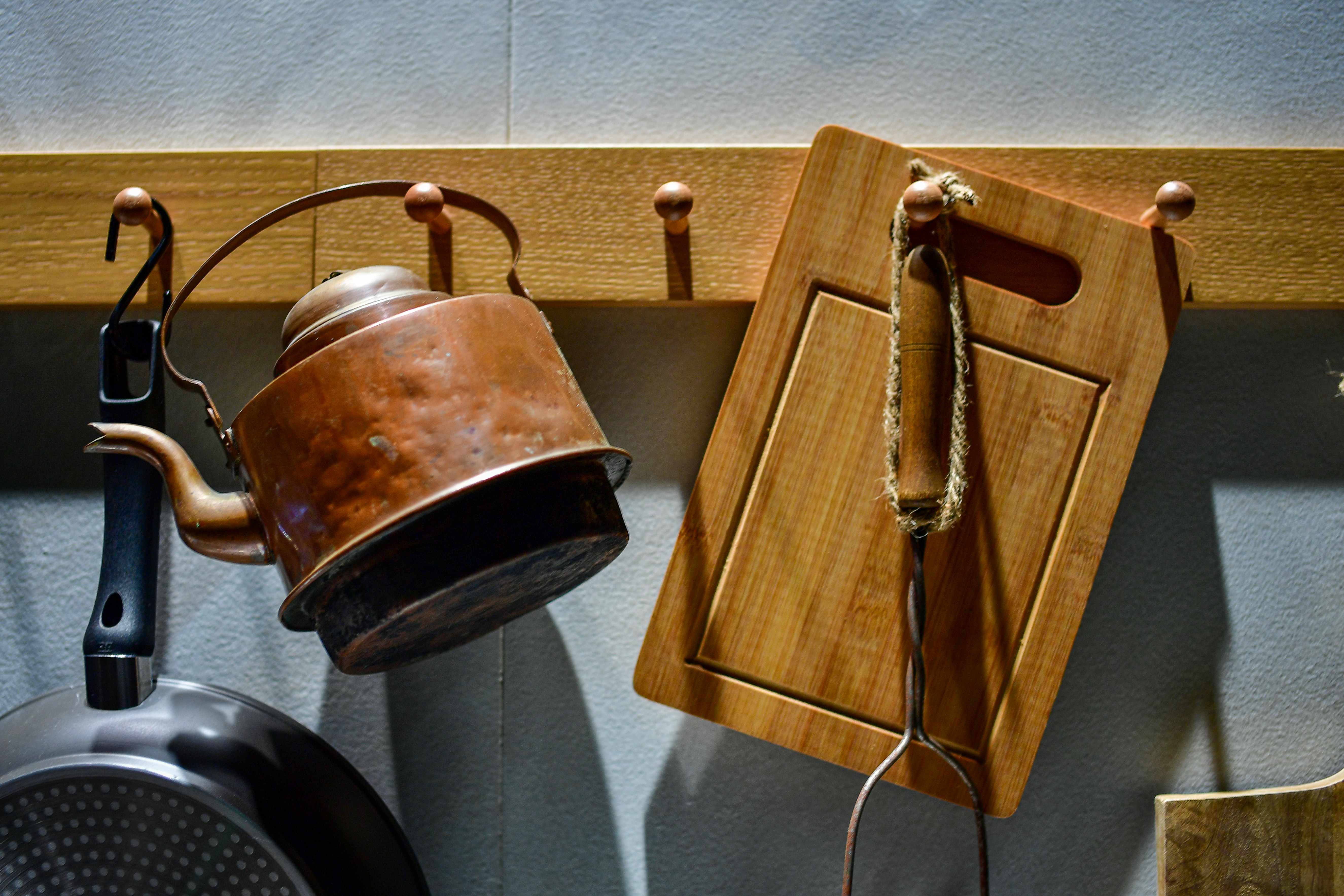
Moisture is the enemy of any cutting board. After washing, always ensure your board is completely dry before storing it. The best way to store cutting boards—both plastic and wood—is vertically on their edge or in a rack. This allows for complete air circulation around all surfaces, preventing moisture from getting trapped underneath, which is a primary cause of warping. Storing boards flat, especially if they are stacked, can trap dampness and create a breeding ground for bacteria or mildew. Whether you use a cabinet divider, a countertop rack, or a wall-mounted holder, storing your boards upright will keep them flat, dry, and ready for your next meal.
Frequently Asked Questions (FAQ)
1. Are antibacterial plastic cutting boards really safer than wood?
Both materials can be safe when used and maintained properly. Plastic's main advantage is its non-porous surface, which prevents it from absorbing juices and makes it dishwasher-safe for easy sanitization. This is why many food safety experts recommend plastic for raw meat. Wood has natural antimicrobial properties where bacteria are drawn into the wood fibers and die as the board dries. However, wood is porous and requires more diligent hand-washing and regular oiling to prevent it from cracking and harboring germs. An antibacterial plastic board adds an extra layer of protection by actively inhibiting bacterial growth on its surface.
2. Can microplastics from cutting boards get into my food?
Yes, studies have shown that chopping on plastic cutting boards can generate microplastics that may get into your food. Research from 2023 estimated that annual exposure could be equivalent to a significant number of grams of plastic per year. While the long-term health effects of ingesting microplastics are still being studied, animal studies have suggested potential links to gut inflammation. To minimize this risk, avoid using heavily scarred or worn-out plastic boards, as deep grooves are more likely to release particles.
3. How often should I replace my plastic cutting board?
The lifespan of a plastic cutting board typically ranges from one to five years, depending on the quality of the material and how frequently it is used. The most important thing is to inspect it regularly for signs of wear. You should replace your board when it develops deep knife grooves that are difficult to clean, becomes excessively stained, retains odors, or starts to warp.
4. What is the best way to remove stubborn stains and odors?
For natural stain and odor removal, several household items are very effective. You can make a paste of baking soda and water, apply it to the stained area, let it sit, and then scrub and rinse. Another popular method is to sprinkle coarse salt over the board and scrub it with half a lemon. The salt acts as an abrasive, while the lemon juice helps to clean, disinfect, and deodorize. For a simple deodorizer, wiping the board down with white vinegar is also highly effective.
5. Are all plastic cutting boards dishwasher-safe?
Most cutting boards made from high-quality plastics like HDPE and polypropylene are designed to be dishwasher-safe. However, very thin or cheap plastic boards may warp or melt, especially on the lower rack where the heating element is strongest. It's always best to check the manufacturer's instructions to confirm if your specific board can be safely washed in a dishwasher and if it should be placed on the top rack.
6. What's the point of a juice groove?
A juice groove is a shallow channel carved around the edge of a cutting board designed to catch and contain liquids. This feature is incredibly useful when you're cutting juicy items like tomatoes, watermelons, or carving roasted meats. It prevents juices from spilling onto your countertop, which keeps your workspace cleaner, reduces the risk of cross-contamination, and makes cleanup much easier.
7. Why shouldn't I use a glass or stone cutting board?
Glass, stone, marble, and ceramic cutting boards are extremely hard surfaces. While they are non-porous and easy to clean, they are very damaging to knives. Each chop on such a hard surface causes the knife's fine edge to roll, dull, or even chip. This means you'll have to sharpen your knives far more frequently, and it shortens their overall lifespan. They can also be slippery, which poses a safety risk during cutting.
Choosing the right antibacterial plastic cutting board is a fundamental step toward creating a safer, more efficient, and enjoyable cooking environment in your home. Through this guide, we've learned that an antibacterial plastic cutting board offers a strong balance of hygiene, convenience, and functionality that is hard to beat. By carefully considering the material, size, durability, and special features like juice grooves and non-slip grips, you can confidently select a cutting board that protects your family from harmful bacteria, keeps your prized knives sharp, and simplifies your daily cooking routines. Remember, an informed choice is always a healthy choice for any kitchen.
Ultimately, the best antibacterial plastic cutting board for you is one that seamlessly fits your cooking style, is easy to maintain, and provides reliable, long-lasting protection against germs. With this knowledge in hand, you're now equipped to make a smart selection that will elevate your kitchen's safety and your culinary creations. Let's make thoughtful choices and enjoy the peace of mind that comes with a cleaner, safer kitchen! If you found this guide helpful, feel free to share it with friends and family who might also benefit from upgrading their kitchen essentials.