How to Choose the Best Plastic Cutting Board: A Comprehensive Buyer's Guide
As an enthusiastic home cook, I understand how essential the right tools are for a joyful and efficient kitchen experience. Today, I want to dive deep into a cornerstone of any culinary workspace: the cutting board. Specifically, we'll be exploring how to choose the best plastic cutting board, a crucial item for home chefs and bustling commercial kitchens alike. This comprehensive buyer's guide will unpack why plastic cutting boards, particularly those crafted from High-Density Polyethylene (HDPE), are frequently hailed as the top choice for their unmatched durability, superior hygiene, and exceptional overall value. My goal is to equip you with the knowledge to make a confident and informed decision that will elevate your culinary practice.
Key Takeaways
- Material Is Paramount: The type of plastic used in a cutting board is the most critical factor. High-Density Polyethylene (HDPE) is the industry gold standard, offering superior durability, a non-porous surface, and resistance to knife scarring compared to softer plastics like Low-Density Polyethylene (LDPE).
- Hygiene and Safety First: HDPE plastic cutting boards are non-porous, meaning they do not absorb juices or bacteria from raw foods. [10, 11] Many are dishwasher-safe, allowing for high-temperature sanitization. For preventing cross-contamination, a color-coded system is highly recommended, especially in busy kitchens.
- Durability and Longevity: A quality HDPE board resists chipping, warping, and cracking. [6] It is also gentle on your knife blades, helping them stay sharper for longer. While it will show knife marks over time, its dense structure prevents the deep, bacteria-trapping gouges that can form on softer boards.
- Maintenance Is Key: Proper cleaning is essential for any cutting board. Plastic boards should be washed with hot, soapy water after each use and sanitized regularly. A dishwasher provides an effective cleaning and sanitizing cycle. Deep grooves are a sign that a board needs to be replaced to ensure food safety.
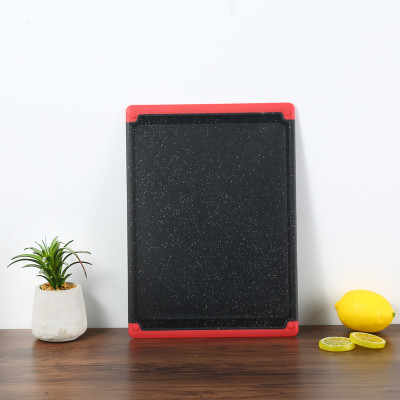
- Size, Thickness, and Texture Matter: Choose a board size that fits your workspace and the tasks you perform most often. A thicker board is less likely to warp and provides a more stable cutting surface. A matte or textured finish offers a better grip for food, preventing it from slipping during prep.
- Color-Coding for Cross-Contamination Prevention: Adopting a color-coded cutting board system is one of the most effective strategies to prevent the spread of bacteria. The standard HACCP system assigns specific colors to different food types (e.g., red for raw meat, green for vegetables), minimizing the risk of foodborne illness.
- Plastic vs. Other Materials: Compared to wood, bamboo, rubber, and composite boards, HDPE plastic offers the best overall balance of hygiene, durability, ease of maintenance, and value. Wood is porous and requires significant upkeep, while bamboo can be hard on knives. A high-quality HDPE board, like those from Chopaid, provides a reliable and practical solution for most kitchen environments.
Picking Your Plastic Cutting Board: Understanding Key Materials
The first step in selecting the perfect plastic cutting board is understanding that not all plastics are created equal. The term "plastic" covers a vast range of synthetic polymers, each with distinct properties. For a cutting board, you need a material that is durable, non-toxic, and easy to clean. The most common material used for this purpose comes from the polyethylene family, and the specific type of polyethylene makes all the difference.
The Polyethylene Family: What It Means for Your Plastic Cutting Board
Polyethylene (PE) is one of the most widely produced plastics in the world, known for its resilience and safety. It's the material behind milk jugs, food containers, and, of course, cutting boards. However, its density is the key variable that determines its suitability for your kitchen counter.
LDPE and LLDPE: Flexible, But Not for a Sturdy Plastic Cutting Board
Low-Density Polyethylene (LDPE) and Linear Low-Density Polyethylene (LLDPE) are on the softer, more flexible end of the spectrum. You'll find LDPE in products like plastic bags and squeeze bottles. While its flexibility is an advantage in those applications, it's a significant drawback for a cutting board. A board made from LDPE would be too soft, leading to deep knife gouges almost immediately. These grooves not only ruin the cutting surface but also become breeding grounds for bacteria that are difficult to clean out. They are simply not robust enough for the repetitive stress of chopping and dicing.
HDPE: The Gold Standard for Every Quality Plastic Cutting Board
High-Density Polyethylene (HDPE) is where quality begins. This material is rigid, strong, and has a much denser molecular structure than LDPE. [1] This density is precisely what makes it the ideal material for a cutting board. It provides a surface that is hard enough to resist deep scratches but has enough "give" to not dull your knife blades prematurely. [1] HDPE is non-porous, meaning it won't absorb liquids or harbor bacteria, which is a massive advantage for food safety. [2, 3] Furthermore, it is resistant to most chemicals and has a high strength-to-density ratio, ensuring it can withstand the rigors of a busy kitchen.
Why HDPE is the Choice for Commercial Plastic Cutting Boards
When you look at professional kitchens, you'll almost exclusively see HDPE cutting boards. There's a good reason for this. Commercial kitchens operate under strict health and safety regulations, such as those set by NSF International (National Sanitation Foundation). HDPE is one of the few materials that consistently meets these rigorous standards for food-contact surfaces. [4]
Commercial-grade HDPE boards are prized for their ability to endure constant, heavy use without warping, chipping, or cracking. Their non-absorbent nature is crucial in an environment where cross-contamination is a serious concern. [2] The ease with which they can be cleaned and sanitized—many being dishwasher-safe—allows chefs to maintain a hygienic workspace efficiently. [5] This combination of durability, safety, and compliance makes HDPE the undisputed champion for professionals, a testament to its quality that translates directly to home kitchen use.
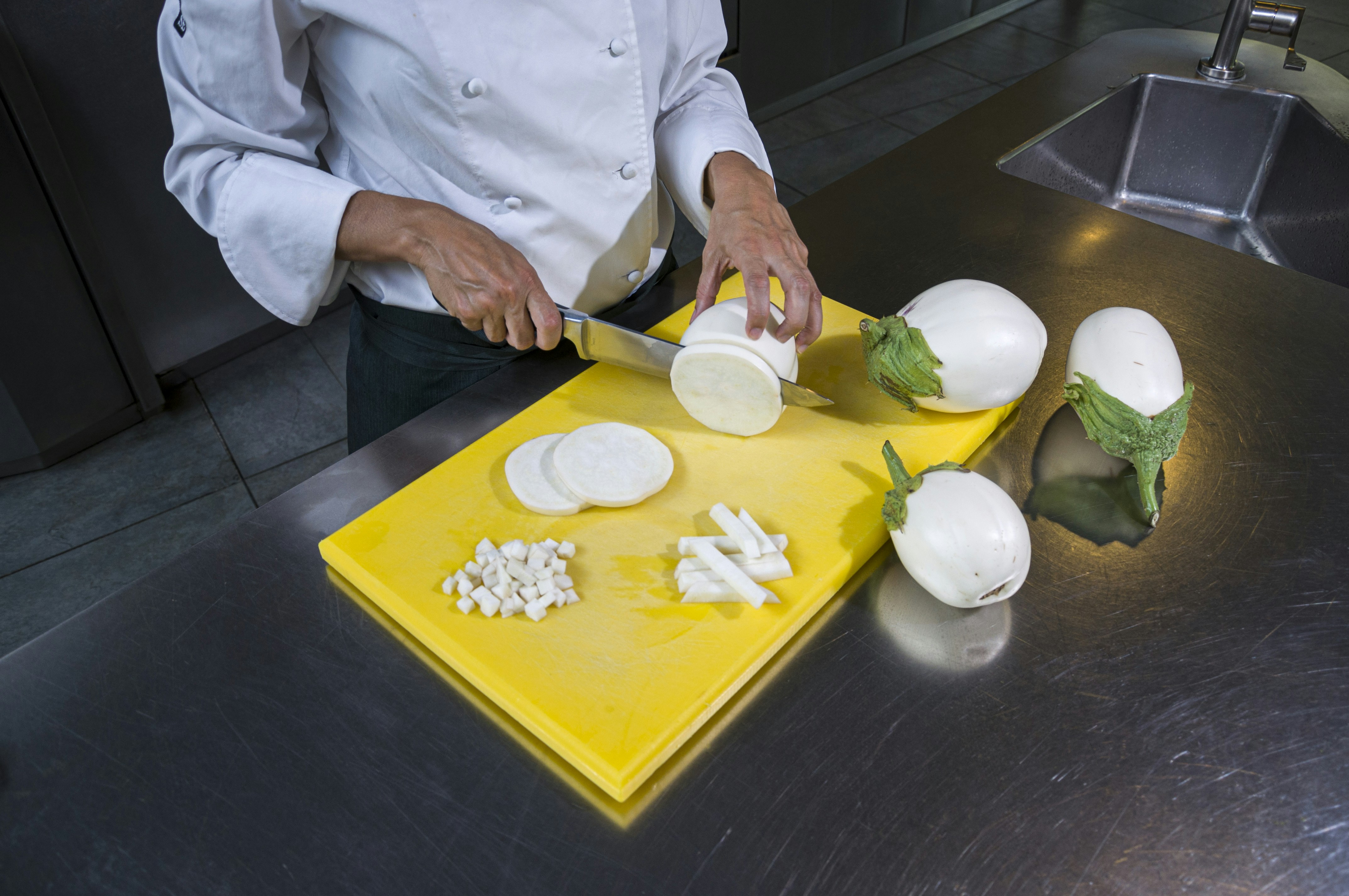
Why an HDPE Plastic Cutting Board, Like Chopaid's, Stands Out
While HDPE is the superior material, not all HDPE boards are created equal. A premium brand like Chopaid elevates the standard by focusing on quality manufacturing and thoughtful design, delivering a product that truly shines in every aspect of its performance. Let's break down the tangible benefits.
Exceptional Durability for Your Daily Prep: The Plastic Cutting Board Advantage
The primary job of a cutting board is to provide a stable and resilient surface for chopping, slicing, and dicing, day in and day out. This is where a high-quality HDPE plastic cutting board truly excels. Its dense composition ensures that it can take a beating from your sharpest knives without sustaining damage that compromises its integrity.
Unlike softer plastics that scar deeply, HDPE is formulated to resist deep cuts. [6] While light surface scratches are normal and expected, they are shallow and smooth, unlike the bacteria-trapping gouges found on inferior boards. A well-made HDPE board also resists warping, even with repeated washing and temperature changes. It won't split, swell, or crack like wood or bamboo can when exposed to moisture, giving you a reliable, flat surface for years of use. This long-term durability makes it not just a purchase, but an investment in your kitchen's functionality.
Hygiene and Easy Cleaning: Essential for Every Plastic Cutting Board
Hygiene is non-negotiable in the kitchen. One of the most significant advantages of an HDPE plastic cutting board is its non-porous nature. [10, 11] Wood and bamboo boards are porous and can absorb liquids, including juice from raw meat, which can lead to bacterial growth deep within the board. In contrast, an HDPE surface prevents anything from seeping in. All food residues, juices, and potential bacteria stay on the surface, where they can be washed away easily.
Dishwasher Safe: The Ultimate Convenience for Our Plastic Cutting Boards
The convenience of a dishwasher-safe cutting board cannot be overstated. Many high-quality HDPE cutting boards are designed to withstand the high temperatures and potent detergents of a dishwasher cycle. [8] This not only cleans the board thoroughly but also sanitizes it, killing off any lingering bacteria like Salmonella and E. coli. This feature saves time and provides peace of mind, ensuring your cutting surface is hygienically clean after every use. Always check the manufacturer's recommendations, but this is a common and highly valued benefit of HDPE.
Sanitization Beyond Washing: Keeping Your Chopaid Plastic Cutting Board Pristine
For times when a deeper clean is needed or a dishwasher isn't available, sanitizing an HDPE board is simple. After washing with hot, soapy water, you can easily sanitize the surface. A common and effective method is to use a solution of one tablespoon of unscented liquid chlorine bleach per gallon of water. [9] Simply flood the surface with this solution, let it stand for a few minutes, then rinse thoroughly and allow it to air dry. This process effectively eliminates pathogens and helps to remove stubborn stains, keeping your board bright and clean.
Beyond the Basics: Temperature Resilience and Environmental Benefits of Your Plastic Cutting Board
A quality HDPE cutting board's benefits extend beyond the cutting surface. These boards demonstrate remarkable temperature resilience. They can handle a wide range of temperatures, from freezing conditions to the heat of a dishwasher cycle, without becoming brittle or warping. This makes them versatile for various food prep tasks, including resting hot pots on them for a short duration (though direct, prolonged contact with very hot pans is not recommended).
From an environmental standpoint, HDPE is also a responsible choice. It is one of the most easily and commonly recycled plastics, often labeled as "Recycling #2." [7] Choosing a board made of HDPE means you are opting for a product that can be recycled at the end of its long life, contributing to a more circular economy.
Choosing the Right HDPE Plastic Cutting Board: A Buyer's Checklist
Now that you're convinced of HDPE's superiority, how do you pick the right one for your kitchen? Consider these factors to ensure you get a board that perfectly matches your needs.
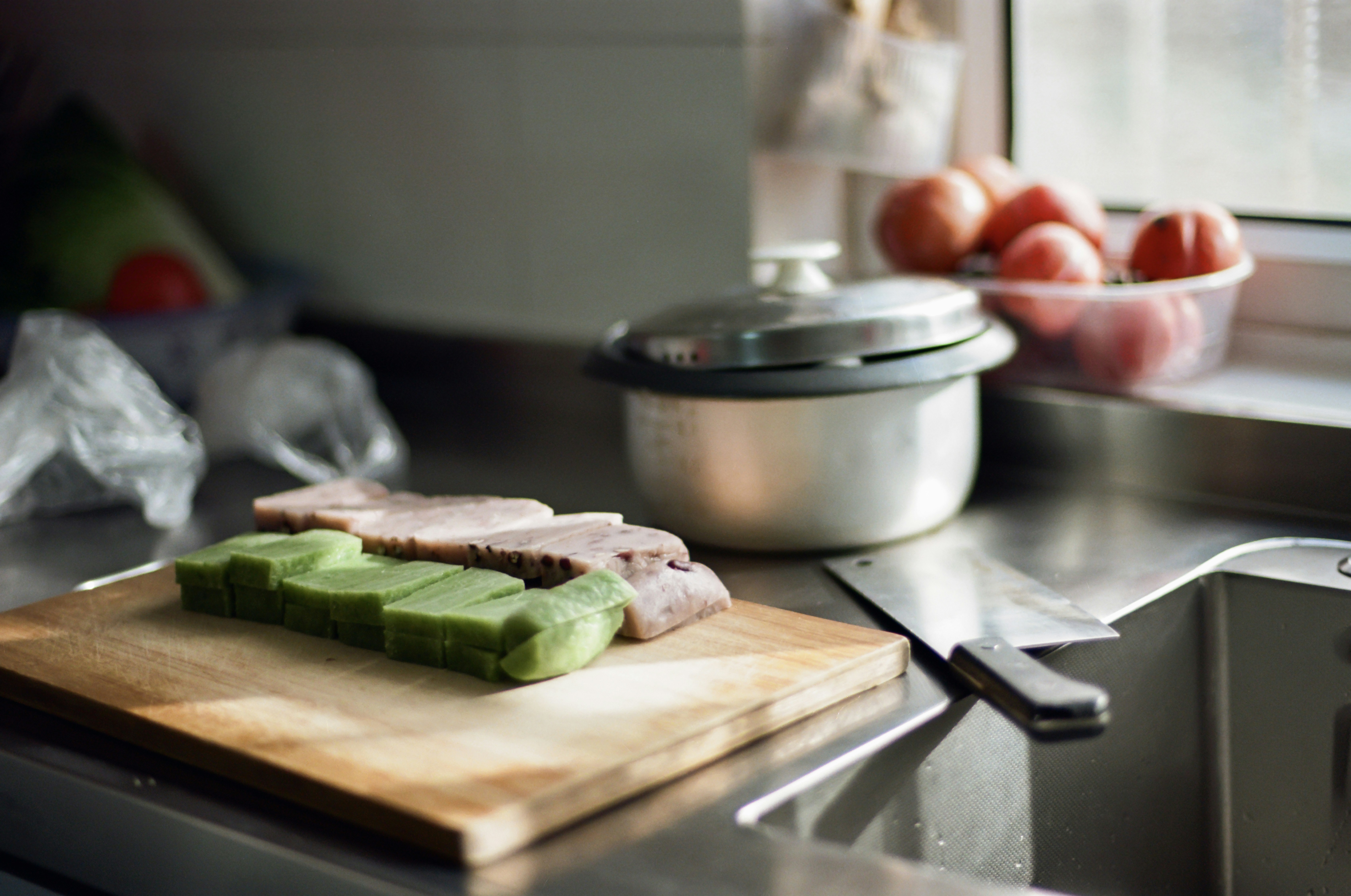
Matching Size and Types to Your Kitchen's Needs for the Perfect Plastic Cutting Board
Cutting boards are not one-size-fits-all. The ideal size and thickness depend on your cooking habits and kitchen space.
- Size: A small board (around 8x10 inches) is perfect for quick tasks like slicing cheese or a single piece of fruit. A medium, all-purpose board (around 12x18 inches) is a kitchen workhorse, suitable for most daily chopping needs. [12] A large board (15x20 inches or bigger) is essential for carving a roast, preparing large batches of vegetables, or rolling out dough. Consider your counter space and sink size—the board should be comfortable to work on and easy to wash.
- Thickness: Thickness contributes to stability and durability. A thin, flexible mat is useful for funneling chopped ingredients into a pot, but for general chopping, a thicker board (½ inch to 1 inch) is preferable. [13] Thicker boards are less likely to warp and provide a more stable, secure cutting surface that won't slide around. [13]
Matte vs. Smooth: Which HDPE Plastic Cutting Board is Right for You?
When you browse HDPE cutting boards, you might notice different surface finishes. Some are perfectly smooth, while others have a light texture or a "matte" finish.
- Smooth Finish: A smooth surface is easy to wipe clean, but it can cause some wet vegetables to stick or slip slightly.
- Matte/Textured Finish: This is often the preferred choice for chefs. The slight texture provides a bit of extra grip on the food, preventing it from sliding as you chop. [14] It also helps to hide minor knife scratches, keeping the board looking newer for longer. This texture is engineered to be subtle enough that it doesn't catch food particles and is still easy to sanitize completely.
The Importance of Color-Coding: A Smart Strategy for Your Chopaid Plastic Cutting Board
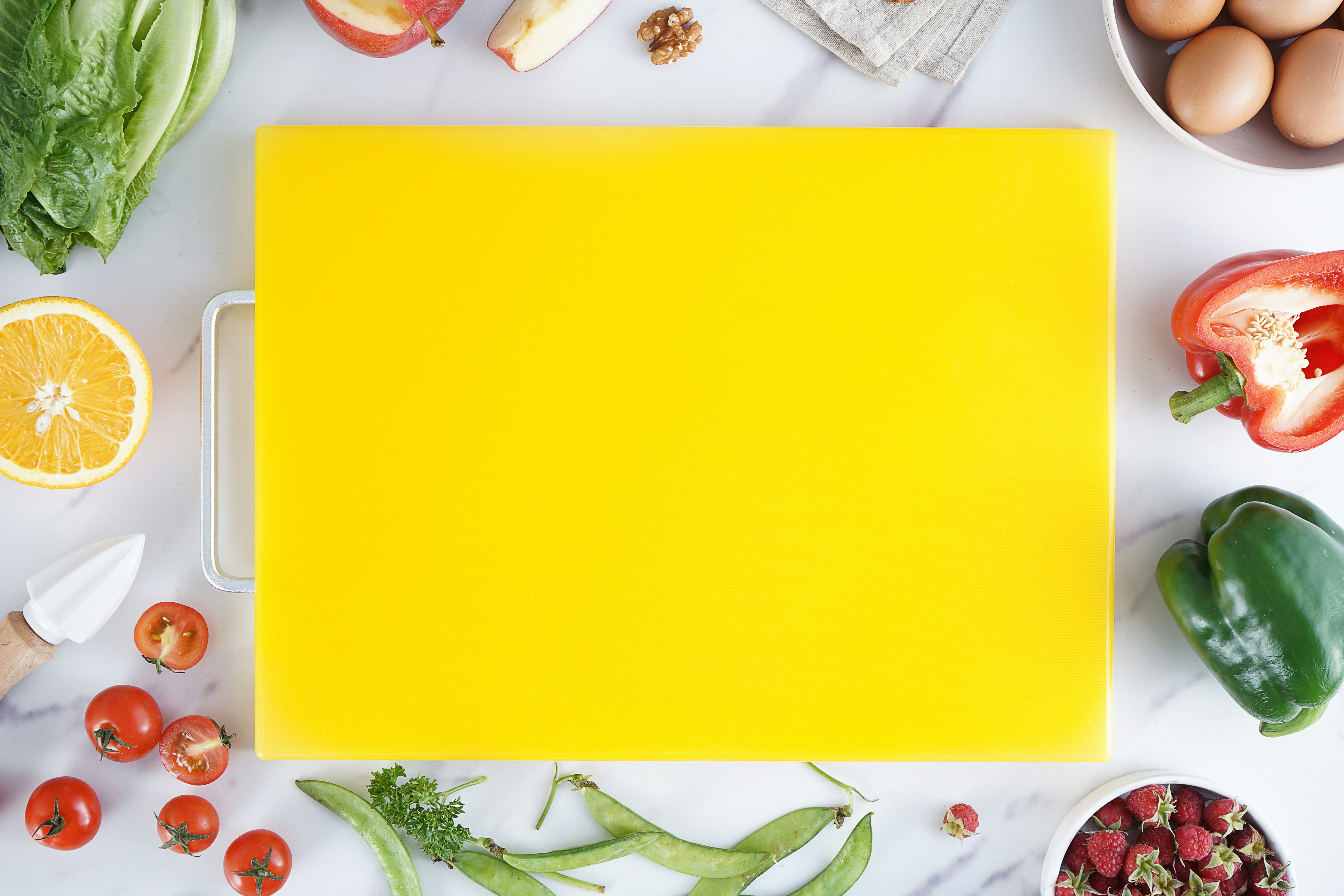
One of the most professional food safety practices you can adopt at home is using a color-coded cutting board system. This is a simple but incredibly effective way to prevent cross-contamination between different types of food. The system, often based on HACCP (Hazard Analysis Critical Control Point) guidelines, assigns a specific color to each food group. [15]
Using a designated board for each food type drastically reduces the risk of transferring bacteria like Salmonella from raw chicken to a fresh salad. Here is a typical color-coding system:
| Color | Food Group | Purpose |
|---|---|---|
| Red | Raw Meat | Prevents spreading bacteria from beef, pork, lamb, etc. |
| Yellow | Raw Poultry | Isolates chicken, turkey, and other poultry. |
| Blue | Raw Seafood | For fish and shellfish to avoid fishy odors/allergens on other foods. |
| Green | Fruits & Vegetables | Keeps fresh produce clean and away from raw meat pathogens. |
| White | Dairy & Bread | Provides a neutral surface for cheese, bread, and ready-to-eat items. |
| Brown | Cooked Meats | Separates cooked foods from raw ones to prevent re-contamination. |
Investing in a set of colored boards is a small step that makes a huge impact on the safety and organization of your kitchen.
Plastic Cutting Boards vs. Alternatives: Why I Trust Chopaid's Choice
The cutting board market is filled with options, from traditional wood to trendy bamboo and professional-grade rubber. While each has its merits, a high-quality HDPE plastic board often strikes the perfect balance of performance, safety, and practicality. Let's compare the materials.
Comparing Materials: Wood, Bamboo, Rubber, and Composites
To make an informed decision, it's helpful to see how different materials stack up against each other.
| Material | Hygiene | Knife Friendliness | Maintenance | Durability | Cost |
|---|---|---|---|---|---|
| HDPE Plastic | Excellent (Non-porous, dishwasher-safe) | Very Good | Low (Wash, sanitize) | Excellent | $-$$ |
| Wood | Good (Porous, needs oiling, not dishwasher-safe) [16] | Excellent | High | Good (Can crack) | $$-$$$ |
| Bamboo | Fair (Porous, harder than wood, not dishwasher-safe) [17] | Fair (Can dull knives faster) | Medium | Fair (Can split) | $-$$ |
| Rubber | Excellent (Non-porous, often self-healing) | Excellent | Low | Very Good | $$$ |
| Composite | Excellent (Non-porous, dishwasher-safe) | Poor (Very hard on knives) | Low | Excellent | $$-$$$ |
As the table shows, wood is great for knives but is porous and requires significant upkeep (oiling) and can't go in the dishwasher. [16] Bamboo is an eco-friendly option but is even harder than wood, which is tough on your knife edges, and it can also trap bacteria. [17] Rubber boards are excellent and favored by many chefs, but they come with a very high price tag. Composite boards are durable and easy to clean but are notoriously hard and can quickly dull your expensive knives.
Why a Quality Plastic Cutting Board Offers the Best Balance
When you weigh all the factors, a high-quality HDPE plastic cutting board offers an unbeatable combination of features for both home cooks and professionals. It delivers top-tier hygiene with its non-porous, dishwasher-safe surface. [10, 11] It's durable enough to last for years yet gentle on your knife blades. [1, 6] It requires minimal maintenance and is available in various sizes, thicknesses, and colors to suit any kitchen's needs.
This exceptional balance of performance, safety, and value is why it remains the most trusted and practical choice in so many kitchens. A thoughtfully chosen board from a reputable brand like Chopaid brings professional-grade quality and safety into your home, providing a reliable foundation for all your culinary creations.
Frequently Asked Questions (FAQ)
Q: How often should I replace my plastic cutting board?
A: The lifespan of a plastic cutting board depends on its use. The most important indicator for replacement is the condition of its surface. You should replace your board when it develops deep knife grooves or scratches that are difficult to clean. [18] These deep cuts can harbor bacteria that hot water and soap may not reach, posing a food safety risk. If the board is severely warped and no longer sits flat on the counter, it should also be replaced for safety reasons.
Q: Can deep knife grooves in a plastic cutting board really harbor bacteria?
A: Yes, absolutely. While a new or well-maintained plastic board has a smooth, non-porous surface, deep cuts and gouges create microscopic hiding places for food particles and bacteria like Salmonella, E. coli, and Listeria. [18] Once bacteria colonize these grooves, they can be very difficult to remove, even with thorough washing. This is why it's crucial to replace a heavily scarred board.
Q: Are all plastic cutting boards BPA-free?
A: Most high-quality plastic cutting boards today, especially those made from High-Density Polyethylene (HDPE) or Polypropylene (PP), are BPA-free. BPA (Bisphenol A) is a chemical that was more commonly used in polycarbonate plastics and epoxy resins, not typically in the types of polyethylene used for modern cutting boards. However, to be certain, always look for a "BPA-free" label from the manufacturer. [19] Reputable brands will clearly state this as a feature.
Q: What's the best way to remove stubborn stains from a white plastic cutting board?
A: Stains from foods like tomatoes, carrots, or turmeric can be persistent. For effective stain removal, create a paste of baking soda and a small amount of water. Spread the paste over the stained area and let it sit for several hours or overnight before scrubbing and rinsing. For very tough stains, you can also use a diluted bleach solution (1 tablespoon of bleach per gallon of water), letting it sit for 5-10 minutes before rinsing thoroughly. [9] Soaking the board in white vinegar can also help lighten stains and deodorize it.
Q: Can I use the same plastic cutting board for raw meat and vegetables?
A: It is strongly advised not to use the same cutting board for raw meat and ready-to-eat foods like vegetables without thoroughly sanitizing it in between. The safest practice is to have separate cutting boards. This is where a color-coded system is invaluable. [15] Use a red board for raw meats and a green board for vegetables and fruits. This simple habit is one of the most effective ways to prevent dangerous cross-contamination and foodborne illness in your kitchen.
I trust this comprehensive guide has illuminated the path to selecting the perfect plastic cutting board for your kitchen. By understanding the critical role of materials like HDPE, prioritizing hygiene through proper cleaning and color-coding, and selecting the right size and style for your needs, you are making a decision that elevates both the safety and efficiency of your culinary space. After a thorough review of all the options, it’s clear why HDPE plastic cutting boards stand out as a superior choice, offering an unmatched blend of durability, cleanliness, and value.
I hope this guide empowers you to choose a plastic cutting board with confidence, one that will serve you reliably for many years of safe and seamless food preparation. Remember, a well-chosen cutting board is more than just a tool; it's a fundamental investment in your kitchen's future and your culinary well-being. A high-quality option from a trusted brand like Chopaid is an excellent place to start. Happy cooking!