How to Choose the Best Stainless Steel and Plastic Double-Sided Cutting Board for Your Kitchen
Choosing the right cutting board for your kitchen can feel overwhelming with so many options available. We want something that keeps our food safe and makes cooking easier. Today, we're going to explore why a high-quality stainless steel and plastic double-sided cutting board might just be the perfect solution for nearly every home cook. We'll dive into the amazing benefits of having a versatile board that helps us handle everything from raw meat to fresh veggies with confidence and hygiene.
Key Takeaways
Choosing the right cutting board is a crucial decision for any home cook, impacting kitchen hygiene, knife longevity, and overall cooking efficiency. A double-sided cutting board featuring both stainless steel and plastic surfaces presents a uniquely versatile and safe solution. Here’s a quick overview of the essential points covered in this guide:
- Hygiene is Paramount: The stainless steel side offers a non-porous surface that is exceptionally hygienic. [1] It resists bacteria, is easy to sanitize, and doesn't absorb odors or juices from raw meat, poultry, or fish. This makes it the ideal surface for handling ingredients that pose a high risk of cross-contamination.
- Knife Protection Matters: The plastic side is designed to be gentler on your knife blades, preventing premature dulling and wear. It’s perfect for the daily, repetitive tasks of chopping vegetables, fruits, and other general-purpose preparations.
- Prevent Cross-Contamination: The dual-surface design is an intuitive system for separating food types. A common best practice is to dedicate the stainless steel side to raw meats and the plastic side to produce and cooked foods, drastically reducing the risk of spreading harmful bacteria like Salmonella and E. coli.
- Material Quality is Non-Negotiable: When selecting a board, prioritize high-quality materials. Look for food-grade 304 stainless steel, which is known for its durability and corrosion resistance. For the plastic side, opt for BPA-free and durable materials that resist deep scratching.
- Smart Design Features Enhance Safety and Convenience: Essential features to look for include non-slip silicone or rubber edges for stability, deep juice grooves to keep countertops clean, and an appropriate thickness and weight to ensure the board remains flat and stable during use.
- Proper Care Extends Lifespan: While many dual-sided boards are dishwasher-safe, hand washing is often recommended to prolong their life. It's crucial to clean the board thoroughly after each use, especially after contact with raw meat. Pay attention to deep knife grooves on the plastic side, as these can harbor bacteria and indicate it's time for a replacement.
By combining the sterile durability of stainless steel with the knife-friendly nature of plastic, a double-sided cutting board offers a comprehensive solution that addresses the most critical needs in a modern kitchen.
Why a Stainless Steel and Plastic Double-Sided Cutting Board is a Game Changer for Your Kitchen
A cutting board isn't just a place to chop vegetables; it's a foundational tool for meal preparation that directly impacts food safety and kitchen workflow. The innovation of combining stainless steel and plastic into a single, two-sided board represents a significant leap forward, addressing the distinct drawbacks of using a single-material board for all tasks. This hybrid design provides a dedicated surface for every type of ingredient, streamlining the cooking process and elevating hygiene standards. By flipping the board, you can move seamlessly from preparing raw chicken to slicing fresh salad ingredients without missing a beat or risking cross-contamination. This versatility makes it an indispensable asset for both novice cooks and seasoned chefs alike.
The Super-Clean Side: Benefits of Stainless Steel in Our Double-Sided Cutting Board
The stainless steel side of a dual cutting board is its superpower, bringing a level of cleanliness and durability previously reserved for professional kitchens. Its non-porous nature is the key to its superior performance, creating an impenetrable barrier against bacteria, odors, and stains.

Unmatched Hygiene: No Hiding Spots for Germs
Unlike wood or even well-worn plastic, stainless steel has a non-porous surface. [1] This means there are no microscopic cracks, pores, or fibers where bacteria like E. coli and Salmonella from raw meat can hide and multiply. [1] When you slice chicken or fish on a stainless steel surface, the juices and potential pathogens rest on top, allowing them to be wiped away and sanitized completely. Research has consistently shown that stainless steel is one of the most hygienic food-contact surfaces available, which is why it's the standard material for commercial kitchens, hospitals, and food processing plants. [1, 2] This feature provides invaluable peace of mind, knowing that you're minimizing the risk of foodborne illness in your home.
Easy Sanitization and Odor Elimination for Raw Foods
One of the biggest challenges with preparing foods like garlic, onions, and raw fish is the lingering odor they can leave on a cutting board. The non-porous quality of stainless steel means it doesn't absorb these strong smells. [2] After dicing a pungent onion or filleting fish, a simple wash with soap and water is all it takes to leave the surface completely odor-free for its next use. Furthermore, sanitizing is incredibly straightforward. You can easily wipe it down with a disinfectant or wash it in hot, soapy water to ensure it's sterile. Some studies even suggest that the chromium oxide layer on stainless steel has mild antimicrobial properties, further inhibiting bacterial growth.
Durability and Resistance: Our Stainless Steel Won't Warp or Crack
Stainless steel is exceptionally strong and resilient. It won't warp when exposed to hot water in the dishwasher, nor will it crack or splinter from age or enthusiastic chopping, problems often seen with wood and plastic boards. [3] This durability ensures a long-lasting, flat, and stable cutting surface. While it can show superficial scratches from knives over time, these are purely cosmetic and don't create the deep, bacteria-trapping gouges that plague softer materials. This resilience makes it a sustainable, long-term investment for any busy kitchen.
The Knife-Friendly Side: Why We Love the Plastic Surface of Our Double-Sided Cutting Board
While stainless steel excels in hygiene, the plastic side of the board champions a different, equally important cause: protecting your knives. This is the workhorse surface, designed for the vast majority of your daily chopping needs where blade maintenance is a top priority.
Protecting Our Precious Knives from Excessive Wear
Hard surfaces like steel, glass, or granite are notorious for dulling knife edges rapidly. The plastic (often polypropylene or polyethylene) used in dual-sided boards is specifically chosen for its "give." When the knife blade makes contact, the plastic material yields slightly, absorbing the impact and preventing the fine edge of the blade from rolling or chipping. This means your high-quality chef's knife or santoku will stay sharper for much longer, requiring less frequent honing and sharpening. [4] A sharper knife is also a safer knife, as it requires less force to cut and is less likely to slip.
Versatility for Everyday Prep: Fruits, Veggies, and Cooked Meals
The plastic surface is the perfect all-rounder for non-hazardous prep work. It's ideal for slicing bread, dicing vegetables, mincing herbs, or carving a cooked roast. Its forgiving nature makes the repetitive, high-volume chopping associated with preparing salads, stir-fries, and fruit platters more comfortable and efficient. Because it’s designated for these lower-risk foods, you can work quickly without the constant need for deep sanitization that raw meat requires, streamlining your meal prep process.
Choosing Safe Plastic: Avoiding Microplastics in Our Food
A valid concern with plastic cutting boards is the potential for microplastics—tiny particles of plastic shaved off by the knife—to mix with food. Reputable manufacturers address this by using high-quality, dense, and durable plastics like food-grade polypropylene (PP). [5] These materials are more resistant to deep scoring and shredding. Additionally, choosing BPA-free plastic is crucial to avoid harmful chemical leaching. [5] Regular replacement of a plastic board once it becomes heavily scarred is an important safety practice to minimize any risk of microplastic ingestion.
The Power of Two in One: Preventing Cross-Contamination with Our Double-Sided Cutting Board
The true genius of a dual-sided board lies in its inherent ability to enforce good food safety habits. Cross-contamination, the transfer of harmful bacteria from one food to another, is a leading cause of foodborne illness, and this board is designed to combat it head-on.
Dedicated Surfaces for Raw and Cooked Ingredients
The two distinct surfaces provide a clear and intuitive system for keeping raw and ready-to-eat foods separate. The industry-standard best practice is to use the impenetrable stainless steel side exclusively for raw meat, poultry, and seafood. [1] Once those items are prepared, the board can be flipped to its plastic side for chopping vegetables, fruits, cheese, bread, and other ingredients that won't be cooked. This simple habit virtually eliminates the risk of transferring bacteria from the raw meat to the salad, creating a safer cooking environment for you and your family.
| Surface Type | Primary Use Case | Key Benefits |
|---|---|---|
| Stainless Steel | Raw Meat, Poultry, Fish, Onions, Garlic | Non-porous, highly hygienic, no odor absorption, easy to sanitize |
| Plastic | Fruits, Vegetables, Bread, Cooked Meats, General Prep | Knife-friendly, protects blade edges, versatile for everyday use |
Saving Kitchen Space with Our Efficient Design
Instead of cluttering your countertops or cupboards with multiple cutting boards for different food types, a single dual-sided board consolidates two essential tools into one sleek package. This is particularly beneficial for those with smaller kitchens or anyone who appreciates minimalist, efficient design. It reduces clutter, simplifies your toolset, and ensures you always have the right surface for the job at hand without having to search for a separate board. This space-saving efficiency is a practical advantage that enhances the entire kitchen workflow.
How to Choose the Best Stainless Steel and Plastic Double-Sided Cutting Board for Our Home
Now that the benefits are clear, the next step is selecting the right board. Not all dual-sided boards are created equal. Making an informed choice involves looking closely at the materials used, the functional design features, and how well the board aligns with your specific cooking style. Investing in a high-quality board will pay dividends in safety, durability, and user experience.
Material Matters: Prioritizing Food-Grade Steel and Quality Plastic for Our Double-Sided Cutting Board
The foundation of a great cutting board is the quality of its materials. This is non-negotiable, as the board is in direct contact with your food. Insisting on certified food-grade materials ensures that the board is not only durable but also safe and free from harmful chemicals.
Understanding 'Food-Grade 304' Stainless Steel (18/8 Standard)
When a product is labeled "304 stainless steel," it refers to a specific grade of steel that is highly resistant to corrosion and rust. It is also known as 18/8 stainless steel, which signifies its composition of 18% chromium and 8% nickel. The chromium is what provides the rust resistance, while the nickel enhances its durability and luster. [6] This is the same type of steel used in high-quality cookware, food processing equipment, and surgical instruments because it is non-reactive and does not leach harmful substances into food. [6] When choosing a board, always look for a confirmation that it uses 304 or 18/8 food-grade stainless steel as a guarantee of its safety and longevity.
Opting for Durable, BPA-Free Plastic or Wheat Straw PP
The plastic side also demands careful consideration. The best options are made from high-density polypropylene (PP) or polyethylene (PE), which are durable, non-porous (when new), and resistant to knife scarring. [5] Most importantly, ensure the plastic is certified BPA-free. Bisphenol A (BPA) is a chemical that has been linked to health concerns, and it has no place in your kitchen. [5] Some innovative brands also use a composite of wheat straw and PP, which is a more eco-friendly choice that reduces the amount of plastic used while maintaining excellent durability and food-safe properties.
Design and Stability: Essential Features for a Safe and Practical Stainless Steel and Plastic Double-Sided Cutting Board
A well-designed cutting board is a safe cutting board. Look for thoughtful features that prevent slipping, manage messes, and contribute to the board's overall sturdiness and longevity. These details can transform the chopping experience from a chore into a pleasure.
Anti-Slip Protection: Silicone Edges or Rubber Feet for Stable Cutting
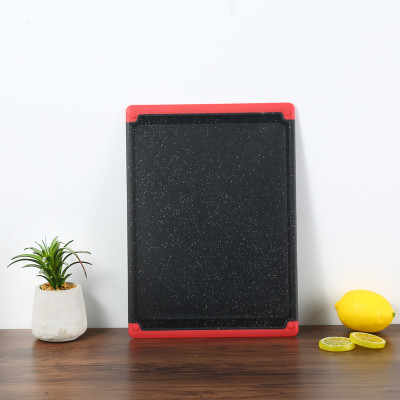
A cutting board that slides around on the countertop is a major safety hazard. The best dual-sided boards incorporate non-slip elements to ensure they stay firmly in place during use. Look for boards with a full perimeter of thermoplastic rubber (TPR) or silicone. This not only grips the counter but also slightly elevates the bottom surface, keeping it clean. Some models may have discreet rubber feet at the corners. This stability is critical, as it allows you to apply pressure and chop with confidence, significantly reducing the risk of a knife slip. [7]
Juice Grooves: Keeping Our Countertops Clean
A juice groove, also known as a drip catcher, is a channel carved around the perimeter of the cutting board. This simple feature is incredibly effective at catching liquids from juicy fruits like tomatoes and watermelon, or run-off from resting meats. By containing these liquids, juice grooves keep your countertops clean, dry, and sanitary. [7] This minimizes cleanup time and prevents sticky messes from spreading across your workspace. For maximum effectiveness, look for a groove that is deep and wide enough to handle a significant amount of liquid without overflowing.
Thickness and Weight: Ensuring Longevity and Avoiding Warping
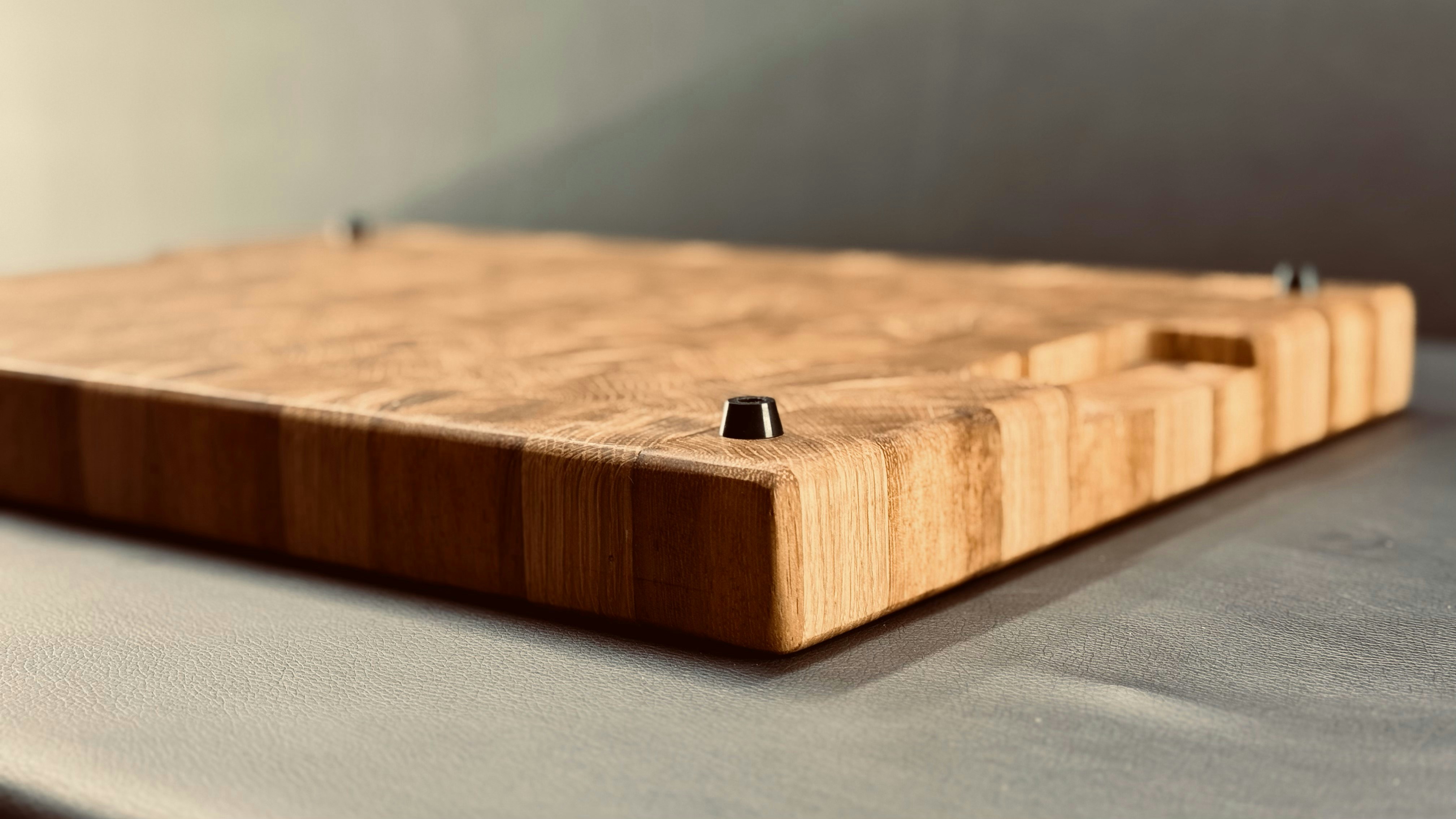
A board that is too thin and light will feel flimsy, be more prone to sliding, and is more likely to warp over time, especially with repeated exposure to heat and moisture. A thicker, heavier board provides a more substantial and stable cutting platform. A good target thickness is around 1 inch (2.5 cm). This heft helps the board lie flat and resist bending or warping, ensuring a consistent and safe cutting surface for years to come. While it shouldn't be so heavy that it's difficult to lift and clean, a solid weight is a hallmark of a well-made, durable product.
Considering Our Cooking Habits: Matching the Board to Our Needs
The "best" cutting board is ultimately the one that fits seamlessly into your kitchen routine. Before making a final decision, take a moment to reflect on your personal cooking habits, the layout of your kitchen, and the tools you use most often.
Frequency of Raw Meat Preparation
If you frequently prepare raw chicken, fish, or beef, the hygienic benefits of the stainless steel side will be a major asset. In this case, a dual-sided board is not just a convenience—it's an essential tool for maintaining a safe kitchen. The ease of sanitizing the steel surface after every use provides invaluable peace of mind. If you handle raw meat less often, the dual-board system still offers an excellent way to organize your prep work and protect your knives.
Kitchen Size and Storage Space
Consider the dimensions of the board. A larger board provides more workspace, which is great for big chopping jobs or carving a turkey, but it can be cumbersome in a small kitchen. Measure your counter space and your sink to ensure the board you choose will be comfortable to use and easy to wash. Also, think about storage. Will it fit in your cabinets, or does it have a handle for hanging? Choosing a size that matches your space will ensure it gets used regularly rather than becoming a hassle.
Knife Collection: Protecting Our Investment
If you have invested in high-quality knives, protecting their sharp edges should be a priority. Using the plastic side of the board for the majority of your chopping will significantly extend the life of your blades and reduce the time you spend sharpening them. [4] While the steel side is indispensable for hygiene, reserving it for specific tasks and using the gentler plastic side for everything else is a smart strategy to care for both your board and your knives.
Making the Most of Our Stainless Steel and Plastic Double-Sided Cutting Board Experience
Owning a great dual-sided cutting board is the first step. The next is learning how to use and care for it properly to maximize its benefits and extend its lifespan. Smart techniques for both cutting and cleaning will ensure your board remains a safe, effective, and reliable kitchen companion for years to come.
Knife Care on Our Stainless Steel and Plastic Double-Sided Cutting Board
Balancing the use of both surfaces is key to protecting your knives. While stainless steel is a fantastic material for hygiene, it is much harder than a knife's steel edge. Understanding this relationship is crucial for blade maintenance.
Understanding How Stainless Steel Affects Knife Edges
Cutting on a stainless steel surface will dull a knife faster than cutting on plastic or wood. [4] This is because the hardness of the board's steel (designed for durability) is greater than the hardness of the knife's edge (designed for sharpness). Each cut can cause a microscopic amount of wear on the blade's fine edge. Therefore, the stainless steel side should be used strategically—primarily for tasks where hygiene is the absolute top priority, such as portioning raw chicken or fish, or when dealing with very smelly foods like garlic. For heavy, repetitive chopping, the plastic side is the better choice.
Smart Cutting Techniques for Blade Preservation (e.g., slicing vs. chopping)
How you cut also makes a difference. When using the stainless steel side, favor a smooth slicing motion over a forceful, vertical chop. A slicing motion, where the blade glides through the food, is less aggressive on the knife's edge compared to hacking straight down. Reserve heavy-duty chopping and dicing for the more forgiving plastic surface. This simple adjustment in technique can significantly reduce the wear on your knives while still allowing you to take full advantage of the steel's hygienic properties.
When to Rely on the Chopaid Dual-Sided Solution for Every Task
A well-designed board like the Chopaid dual-sided cutting board makes this decision-making process intuitive. Use this simple guide:
- Use the Stainless Steel Side For:
- Slicing raw meat, poultry, and fish.
- Chopping pungent ingredients like onions, garlic, and ginger to prevent odor transfer.
- Portioning dough or pastry, as the cool surface helps prevent sticking.
- Use the Plastic Side For:
- All general-purpose chopping of fruits and vegetables.
- Slicing bread.
- Dicing cooked meats or cheese.
- Any task involving repetitive, heavy chopping.
Keeping Our Stainless Steel and Plastic Double-Sided Cutting Board Pristine
Proper cleaning and maintenance are vital for both food safety and the longevity of your cutting board. A consistent cleaning routine will prevent bacterial buildup and keep the board in top condition.
Simple Daily Cleaning and Dishwasher Safe Options
For daily cleaning, wash the board with hot, soapy water immediately after use. This is especially critical after it has been in contact with raw meat. Use a sponge or brush to scrub both surfaces and pay special attention to any knife grooves. Many modern dual-sided boards are listed as dishwasher safe, which is an excellent option for thorough sanitization. The high temperatures of a dishwasher are effective at killing bacteria. [8] However, some experts suggest that frequent dishwashing can, over the long term, be harsher on the materials, particularly the non-slip edges. Handwashing is a gentle and effective alternative for daily care.
Knowing When to Replace Our Board for Continued Safety
No cutting board lasts forever, especially the plastic side. Over time, the plastic surface will accumulate deep cuts and grooves from knife use. These grooves are difficult to clean thoroughly and can become a breeding ground for bacteria. [9] Once the plastic surface feels rough or has many deep, hard-to-clean scratches, it is time to replace the board. The stainless steel side will remain hygienic much longer, but the integrity of the plastic side is the limiting factor for the board's safe lifespan. Regular inspection is a key part of responsible kitchen hygiene.
Why We Trust Our Chopaid Stainless Steel and Plastic Double-Sided Cutting Board
When it comes to kitchen tools that have a direct impact on our family's health, choosing a trustworthy brand is essential. A brand's commitment to using verified, high-quality materials and designing practical, user-centric features can make all the difference. This is why a brand like Chopaid stands out, as it emphasizes safety and functionality in its kitchenware.
Chopaid's Commitment to Quality: Food-Grade SUS304 Steel and Durable Polymer
The core of a reliable cutting board lies in the materials it's made from. A trustworthy brand will be transparent about the materials used, ensuring they meet rigorous safety standards for food contact.
The Assurance of Verified Materials for Our Family's Safety
A brand like Chopaid builds confidence by specifying the use of high-grade materials. By selecting food-grade SUS304 stainless steel, they ensure the steel surface is non-porous, corrosion-resistant, and won't leach any harmful substances, providing a truly safe surface for handling raw meats. [6] For the reverse side, the use of a durable, BPA-free polymer means the board is both knife-friendly and free from potentially harmful chemicals. This commitment to verified, premium materials provides the ultimate assurance that you are preparing food on a surface that is designed with your family's safety as the top priority.
Designed for Our Kitchen: The Practicality of Chopaid's Double-Sided Approach
Beyond materials, a great cutting board is defined by its design. Thoughtful features that enhance stability, cleanliness, and ease of use are what elevate a board from a simple slab to an indispensable kitchen tool.
Integrated Features for Stability and Ease of Use
A well-designed board from a brand like Chopaid incorporates the features that home cooks need. This includes a full wrap-around non-slip edge made of TPR or silicone, which grips the countertop securely to prevent any dangerous sliding during chopping. [7] The inclusion of a deep juice groove effectively contains messes, keeping work surfaces clean. Furthermore, features like an integrated handle not only make the board easy to carry and maneuver but also provide a convenient option for hanging storage. These practical design elements demonstrate an understanding of the real-world needs of a home cook, making the entire meal prep process safer, cleaner, and more efficient.
Frequently Asked Questions (FAQ)
Here are answers to some common questions about stainless steel and plastic double-sided cutting boards.
1. Are stainless steel cutting boards really bad for your knives?
It's more accurate to say they are harder on your knives than softer surfaces like plastic or wood. A stainless steel surface will dull a knife edge more quickly with repeated, heavy use because steel is not a forgiving material. [4] However, this doesn't mean you should avoid them. The key is to use the steel side strategically. Reserve it for tasks where its hygienic, non-porous properties are most needed, such as when handling raw meat, poultry, or fish. For general chopping of vegetables, use the more forgiving plastic side. By using a slicing motion rather than a forceful chopping motion on the steel side, you can also minimize blade wear.
2. Is a dual-sided board better than having two separate boards (one plastic, one wood)?
A dual-sided board offers several advantages over two separate boards. First is efficiency and space. It combines two functions into one tool, reducing kitchen clutter. Second is safety. The built-in, two-sided system serves as a constant visual reminder to separate raw meats from produce, helping to prevent cross-contamination. While a dedicated wood board for produce and a plastic board for meat is a viable system, the all-in-one nature of a dual board is often more convenient and foolproof for busy home cooks.
3. How do I properly clean and sanitize a dual-sided cutting board?
Always wash your cutting board with hot, soapy water after every use. For the stainless steel side, after washing, you can easily sanitize it by wiping it down with a solution of vinegar and water or a food-safe kitchen sanitizer. For the plastic side, a thorough scrub is important to clean out any shallow knife grooves. Many boards are dishwasher-safe, and the high heat of a dishwasher cycle is very effective for sanitization. [8] However, to preserve the life of the non-slip edges and prevent potential long-term warping, hand-washing is often the best practice. Never put a wet board away; allow it to air dry completely to prevent moisture from getting trapped.
4. When should I replace my cutting board?
The lifespan of your board depends on the plastic side. You should replace your cutting board once the plastic surface develops deep, extensive grooves and scratches that are difficult to clean. [9] These grooves can harbor bacteria and become a food safety risk. [9] If the surface feels rough to the touch or looks heavily worn and shredded, it's time for a new one. The stainless steel side will last much longer, but the board's safety is determined by its weakest link.
5. Are microplastics from plastic cutting boards a serious health concern?
The topic of microplastics is an area of ongoing research. While cutting on a plastic board can generate tiny plastic particles, choosing a high-quality board can minimize this. [5] Boards made from dense, durable, food-grade polypropylene (PP) are more resistant to shredding than cheaper, softer plastics. To reduce your risk, avoid using excessively aggressive or serrated knives on the plastic side, and most importantly, replace the board once it becomes heavily scarred. Opting for BPA-free plastic also eliminates the risk of exposure to that specific chemical.
A well-chosen stainless steel and plastic double-sided cutting board is more than just a kitchen tool; it's an investment in hygiene, efficiency, and peace of mind. By understanding the unique benefits of both stainless steel and plastic, we can confidently select a board that supports all our cooking adventures. Embrace the versatility and safety that a high-quality double-sided cutting board brings to your kitchen, making meal prep enjoyable and worry-free.