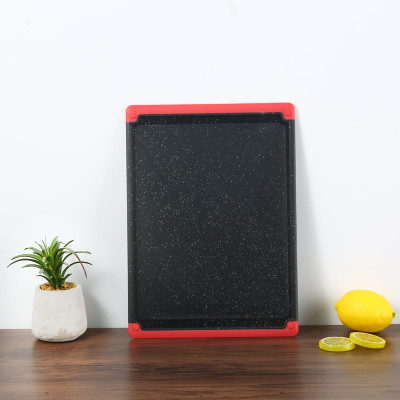
Marble Cutting Boards Explained: Why They Dull Even the Best Knives
We often get drawn to beautiful kitchen items, and a glossy marble cutting board definitely catches the eye. I know I do! But sometimes, what looks good isn't what's best, especially for our precious kitchen knives. It's a common mistake many of us make, prioritizing aesthetics over function. Today, I want to talk about why that stunning marble board might be doing more harm than good to your blades, dulling even the sharpest edges and turning your smooth prep work into a frustrating chore.
Key Takeaways
- Aesthetics vs. Function: Marble cutting boards are undeniably beautiful, adding a touch of elegance to any kitchen. However, their primary appeal is visual and they are better suited for serving or pastry work, not for daily chopping.
- The Hardness Problem: The core issue is the material's hardness. Marble and other stone surfaces are significantly harder than the steel of your knife blade. This causes the fine edge of the knife to roll, chip, and dull at an accelerated rate.
- Knife Damage and Costs: Using a marble board leads to a frustrating cycle of constantly needing to sharpen your knives, which removes metal and shortens their lifespan. This premature wear and tear results in added costs for knife sharpening services or replacement.
- Superior Alternatives Exist: Materials like wood, high-quality plastic, and rubber composites are far better for your knives. Wooden boards, particularly end-grain, are considered the "gold standard" as they are gentle on blades and can even "self-heal" from minor cuts.
- Smart Kitchen Choices: The function of a cutting board should be to protect your knives and make prep work safer and more efficient. Choosing a board based on its material properties rather than just its looks is a key investment in the longevity of your culinary tools and your overall cooking enjoyment.
The Allure of the Marble Cutting Board: A Closer Look at its Appeal
Why we are drawn to the elegance and aesthetic of marble in our kitchens.
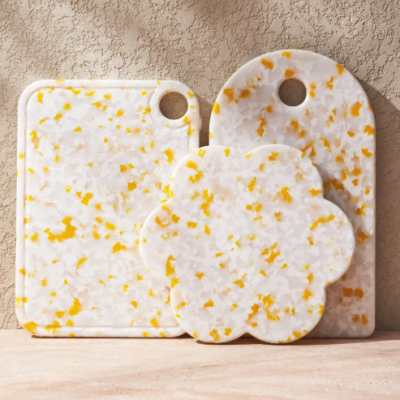
It's no secret that marble holds a special place in kitchen design. Its natural, unique veining means no two pieces are exactly alike, lending an air of bespoke luxury to your countertop. The stone's polished, cool surface reflects light beautifully, which can make a kitchen feel brighter and more spacious. This visual appeal is a primary reason why marble cutting boards have become a popular decorative and functional item. They often double as elegant serving platters for cheese, charcuterie, or appetizers, instantly elevating the presentation of a meal. The cool-to-the-touch nature of marble is not just a pleasant sensation; it's also highly functional for specific culinary tasks, especially baking.
My initial thoughts on why marble seems like a good, sturdy choice for a cutting surface.
At first glance, a marble cutting board seems like the perfect kitchen companion. It's heavy, stable, and feels incredibly durable. The common assumption is that a hard, resilient surface is exactly what you need for the repetitive impact of chopping and slicing. Marble's density suggests it can withstand heavy use without getting scratched or damaged, unlike softer materials like wood or plastic.
Furthermore, its non-porous surface is a major selling point. Unlike wood, marble doesn't readily absorb liquids, which makes it seem like a more hygienic option that won't harbor bacteria or stains from foods. This resistance to staining and odors, combined with how easy it is to simply wipe clean, makes it appear to be a low-maintenance and long-lasting choice. These qualities together create a compelling argument for marble as a superior, ultra-durable cutting surface—an argument that, as we'll see, unfortunately, falls apart under the pressure of a sharp knife.
The Hard Truth: How Marble Cutting Boards Affect Your Knives
Understanding the significant hardness difference between your knife's blade and a marble cutting board.
This is where the science gets a little sharp. The problem with using marble as a cutting surface comes down to a simple battle of hardness, and it’s a battle your knife will always lose. Materials are often rated on the Mohs scale of mineral hardness. Marble, a type of stone, typically falls around 3 to 4 on the Mohs scale. In contrast, the hardened steel used for quality kitchen knives, while very strong, is softer.
Even the hardest, most expensive knife steel is designed to hold a very fine, thin edge—that's what makes it sharp. When this delicate edge repeatedly strikes a surface that is harder than itself, the edge is the part that deforms. Glass and ceramic boards are even worse, rating as high as 7 on the Mohs scale, and will destroy a knife's edge with shocking speed. The fundamental rule for preserving a knife is that the cutting surface should always be softer than the blade.
| Material | Hardness (Approx. Mohs Scale) | Effect on Knife Edge |
|---|---|---|
| Glass/Ceramic | 5.5 - 7 | Severe dulling, high risk of chipping |
| Granite/Stone | 4-5 | Rapid dulling and chipping |
| Marble | 3 - 4 | Significant dulling and edge rolling |
| Knife Steel | 2.5 - 3 (Relative) | The part that gets damaged |
| Bamboo | Softer than steel but hard | Can be tough on knives |
| Wood (Maple/Walnut) | Softer than steel | Gentle, protects the edge |
I'll explain how the rigid, unyielding surface of a marble cutting board can microscopically chip and roll your knife's delicate edge.
Imagine your knife's edge at a microscopic level. It’s a finely honed 'V' shape, tapering to a point that might be only a few molecules thick. When you chop on a forgiving surface like wood, the fibers of the board have a slight "give," cushioning the blade's impact and allowing the edge to sink in slightly.
A marble board offers zero forgiveness. When your knife's edge hits the stone surface, the impact forces the delicate 'V' shape to either roll over onto its side or chip away entirely.
- Edge Rolling: The sharp point deforms and bends, creating a rounded edge that can no longer slice cleanly. It feels dull, even though the steel isn't gone.
- Micro-chipping: Tiny fragments of the steel break off upon impact. This is physical damage that can't be fixed by simple honing; it requires grinding away more steel through sharpening to create a new edge.
This damage happens with every single cut. That clacking sound your knife makes on a stone or glass board is the sound of its edge being destroyed.
We'll see why even the best steel knives can't stand up to the unforgiving nature of marble over time.
It doesn't matter if you own a $20 knife or a $500 handmade Japanese blade forged from legendary steel. The basic physics remain the same: a harder material will abrade and damage a softer one. While high-end steels (like high-carbon or Damascus steel) are designed for superior edge retention, this is in the context of being used on an appropriate surface. Their ability to stay sharp longer is negated when pitted against a material like marble.
In fact, some very hard Japanese knives with acute edge angles are even more susceptible to chipping on a hard surface because their edges are more brittle. Using such a knife on marble is a recipe for disaster. No matter the quality or cost of your knife, regular contact with a surface harder than its own steel will lead to rapid dulling and damage, requiring much more frequent and aggressive sharpening to restore its performance.
The Hidden Costs of Using a Marble Cutting Board for Your Culinary Tools
The never-ending cycle: Constantly sharpening dull knives, and the valuable time and effort it consumes from your cooking.
A sharp knife is a joy to use; it makes cooking faster, safer, and more enjoyable. A dull knife, on the other hand, turns simple prep work into a frustrating chore. It crushes delicate herbs, slips off onion skins, and mangles tomatoes. When your cutting board is the culprit behind your constantly dulling knives, you get trapped in a vicious cycle.
You might find yourself needing to sharpen your knives every couple of weeks instead of every few months. This frequent maintenance eats up your time and energy. Whether you're doing it yourself with stones or taking them to a professional, it’s a recurring task that pulls you away from the actual pleasure of cooking. Over time, this constant battle against a dull edge can make you dread food prep altogether.
The accelerated wear and tear on your entire knife collection, leading to premature replacement and added expenses.
Sharpening isn't a magic fix; it works by grinding away steel to create a new, sharp edge. Every time you sharpen your knife, you are removing a small amount of its life. While this is a normal part of knife maintenance, using a marble board dramatically accelerates this process.
Because marble dulls and chips the blade so aggressively, you'll need to sharpen more often and potentially more aggressively to repair the damage. This accelerated wear will significantly shorten the lifespan of your knives. A quality chef's knife that could have lasted a decade or more might be worn down to a nub in a fraction of that time. This leads to the premature and costly expense of having to replace your entire knife collection far sooner than you should have to.
I've found that investing in a knife-friendly surface, like those thoughtfully offered by Chopaid, saves money and frustration in the long run by preserving your blades.
Initially, a high-quality wooden or composite cutting board might seem like a bigger investment than a cheap plastic board or even a stylish marble one. However, when you consider the long-term health of your knives, the afunctional choice becomes the most economical one. A board that protects your knife's edge is an investment in your entire culinary toolkit.
By switching to a surface that is gentle on your blades, you dramatically reduce how often you need to sharpen them. This not only saves you the time and effort of constant maintenance but also preserves the life of your knives, saving you the hundreds or even thousands of dollars it would cost to replace them. Innovative brands that prioritize function, like Chopaid, design their surfaces with knife longevity in mind. Making this switch transforms your relationship with your most essential kitchen tool, saving you money and immense frustration in the long run.
Smart Alternatives to a Marble Cutting Board: Protecting Your Investment
Exploring the numerous benefits of traditional wooden cutting boards for exceptional knife longevity and feel.
Wooden cutting boards are widely considered the "gold standard" by chefs and serious home cooks for a reason. Their primary benefit is that they are exceptionally gentle on knives. The natural wood fibers have a "give" that cushions the blade's impact, preventing the edge from rolling or chipping. This helps maintain your knife's sharpness for significantly longer periods.
There are two main types of wooden boards:
- End-Grain: These boards are made with the wood fibers oriented vertically, like a bundle of straws. The knife edge slides between the fibers, which then close back up. This "self-healing" property makes end-grain boards the most-gentle option for knives and helps the board resist showing deep cut marks. They are the top choice for professionals and those with high-end knives.
- Edge-Grain: These are made with the wood fibers running horizontally. While they are still much better for knives than marble or plastic, the blade cuts across the fibers, which causes slightly more wear over time. They are typically more affordable and require less maintenance than end-grain boards.
Beyond knife care, wood also possesses natural antimicrobial properties, making it a surprisingly hygienic choice when properly cleaned and maintained.
Discussing the practicality, hygiene aspects, and safety of high-quality plastic or composite cutting surfaces.
While wood is a top contender, high-quality plastic and composite boards offer their own set of practical advantages.
Plastic/Rubber Boards: High-Density Polyethylene (HDPE) or solid rubber boards are favorites in commercial kitchens. They are non-porous, meaning they don't absorb liquids or bacteria, and can be sanitized in a dishwasher. However, they are not all created equal. Cheap, thin plastic boards can be almost as hard as marble and will scar deeply, creating grooves that can trap bacteria. A good quality, thick plastic or rubber board provides some cushion for the blade and is a solid, low-maintenance choice, especially for handling raw meat.
Composite Boards: These boards are made from materials like wood fibers or paper compressed with a food-safe resin. They aim to offer the best of both worlds: they are durable, non-porous, and often dishwasher-safe like plastic, but can be gentler on knives than hard plastics. However, some composite materials can still be quite hard and may dull knives faster than wood, so it's important to choose a brand known for being knife-friendly.
How innovative brands like Chopaid design and create cutting surfaces that genuinely cherish your blades while providing excellent performance.
The cutting board is no longer just a simple slab of material; it's a piece of engineered kitchen equipment. Recognizing the damage that poor surfaces can cause, innovative brands focus on creating materials and designs that protect a cook's most important tool. Companies like Chopaid understand that a cutting board's primary function is to provide a safe, stable, and knife-friendly workspace.
This involves carefully selecting materials that strike the perfect balance between durability and forgiveness. They might develop unique composite materials or refine the construction of traditional wood boards to maximize knife-edge preservation. Features such as non-slip feet for stability, juice grooves to keep counters clean, and materials that resist warping are all part of a design philosophy that prioritizes the user's experience and the longevity of their tools. By investing in a brand that focuses on functional excellence, you're not just buying a cutting board; you're adopting a smarter approach to cooking.
My Final Verdict on the Marble Cutting Board and Smart Kitchen Choices
Emphasizing that prioritizing the long-term health of your knives is key to an enjoyable and efficient cooking experience.
A sharp knife is the most fundamental tool in the kitchen; it impacts safety, efficiency, and even the quality of your food. A sharp blade allows for precise, clean cuts, which helps ingredients cook more evenly and preserves their texture and appearance. Perhaps counter-intuitively, a sharp knife is also a safer knife. It glides through food with minimal pressure, making it less likely to slip and cause an accident. When your tools work with you instead of against you, cooking becomes a fluid, enjoyable, and creative process rather than a frustrating struggle. Therefore, every decision in the kitchen, including your choice of cutting board, should be made with the goal of keeping that essential tool in peak condition.
Why choosing the right cutting material, based on function rather than just aesthetics, makes all the difference for your blades.
While the beauty of a marble board is tempting, we must remember its purpose. A cutting board is a functional work surface, not just a decorative item. Its performance should be judged by how well it protects your knives, ensures food safety, and provides a stable cutting area. Choosing a board based solely on looks is a classic case of form over function—a choice that directly harms your most valuable kitchen tools. The right material is one that is softer than your knife's steel, creating a partnership where both tools can perform their best for years to come.
Here is a final comparison to guide your choice:
| Feature | Marble Board | Wood Board | High-Quality Plastic/Composite |
|---|---|---|---|
| Knife Friendliness | Very Poor (Dulls & damages knives) | Excellent (Protects the edge) | Good to Fair |
| Aesthetics | Excellent | Excellent (Rustic, elegant) | Functional |
| Primary Use | Serving, Pastry | Chopping, Slicing, All-Purpose | All-Purpose, especially raw meat |
| Hygiene | Good (Non-porous) | Good (Antimicrobial, if maintained) | Excellent (Dishwasher safe) |
| Maintenance | Low (Wipe clean) | High (Oiling required) | Low (Dishwasher safe) |
| Long-Term Cost | High (Due to knife replacement) | Low (Protects knives) | Low (Protects knives) |
I encourage you to consider the lasting benefits of a quality cutting board, such as those expertly crafted by Chopaid, for a truly sharp and satisfying kitchen journey.
Think of a quality cutting board not as a simple accessory, but as a long-term investment in your culinary passion. It's the silent partner to your chef's knife, working to keep it sharp, effective, and ready for any task. By making a conscious choice to select a surface designed for performance, you are setting yourself up for a more efficient, safer, and ultimately more joyful time in the kitchen. I encourage you to set aside the purely aesthetic options and explore a board designed with purpose. The lasting benefits of a quality cutting board, such as those expertly crafted by brands like Chopaid, will be evident with every clean slice you make, ensuring a truly sharp and satisfying kitchen journey for years to come.
Frequently Asked Questions (FAQ)
Q1: Are marble cutting boards safe for any kitchen use at all? Yes, but not for cutting. Marble boards excel as serving platters due to their elegant appearance and ability to stay cool, which is perfect for serving cheese, fruit, and charcuterie. Their naturally cool surface also makes them ideal for pastry work, such as rolling out pie crusts or cookie dough, as it helps prevent the butter in the dough from melting too quickly. Just keep your sharp chef's knives away from it during prep work.
Q2: I've been using a marble cutting board and my knives are very dull. How can I fix them? To restore a knife that has been dulled by a hard surface, you will need to do more than just hone it. Honing realigns a slightly rolled edge, but marble often causes microscopic chips that require sharpening. Sharpening involves using an abrasive material—like a whetstone, an electric sharpener, or a manual sharpening system—to grind away steel and create a brand new, fine edge. For significant damage, it's often best to take your knives to a professional sharpening service to ensure the edge is restored correctly without removing excessive material.
Q3: Are glass and ceramic cutting boards also bad for knives? Yes, they are even worse than marble. Glass and ceramic are extremely hard materials, typically rating much higher on the Mohs scale than even the hardest knife steel. Cutting on glass or ceramic will dull, roll, and chip a knife's edge almost instantly. They are widely considered by chefs to be the most destructive surfaces you can use and should be avoided for any cutting tasks.
Q4: Is there a noticeable difference between end-grain and edge-grain wood boards? For the average home cook, a quality edge-grain board is an excellent and affordable choice that is far superior to marble or hard plastic. However, for culinary enthusiasts or those with high-end (especially hard, brittle Japanese) knives, the difference is noticeable. End-grain boards are measurably gentler on a knife's edge because the blade slides between the wood fibers rather than cutting across them. This "self-healing" nature not only preserves the knife's sharpness longer but also helps the board itself look better over time by hiding cut marks.
Q5: How do I properly care for a wooden cutting board to keep it hygienic? Proper care is key to ensuring a wooden board is both long-lasting and hygienic. After each use, wash it with warm, soapy water, but never soak it or put it in the dishwasher, as this can cause it to warp and crack. Dry it immediately with a towel and let it air dry completely standing on its edge. To maintain the wood and prevent it from drying out, periodically treat it with food-grade mineral oil. This creates a protective barrier that repels moisture and bacteria. Wood's natural antimicrobial properties also help to inhibit bacterial growth.
So, while a marble cutting board might look absolutely stunning on your kitchen counter, I've learned it’s a remarkably tough match for your delicate knife blades. It's beautiful for serving, but a nightmare for chopping. Remember, the primary role of a good cutting board should be to protect your knives and enhance your cooking, not to dull them prematurely. Choose wisely when selecting your next kitchen surface for a sharper, happier, and more efficient culinary adventure