Plastic Cutting Boards Explained: Strength, Durability, and Easy Cleaning
As passionate cooks, we all know that a reliable cutting board is the unsung hero of any kitchen. It's where the magic happens – from delicate slicing to robust chopping. But have you ever really thought about what makes a cutting board truly great? From hygiene to durability, there is more to these essential tools than meets the eye. Today, we're diving deep into the world of plastic cutting boards, specifically those made from High-Density Polyethylene (HDPE), to uncover why they are a superior choice for strength, lasting durability, and incredibly easy cleaning.
Key Takeaways
- Superior Material: High-Density Polyethylene (HDPE) is a food-safe, BPA-free thermoplastic known for its exceptional strength and durability. Its dense molecular structure makes it ideal for resisting knife cuts and heavy impacts.
- Unmatched Hygiene: HDPE cutting boards feature a non-porous surface that prevents bacteria, moisture, and odors from penetrating the material. This makes them easy to clean, dishwasher-safe, and more hygienic than porous materials like wood.
- Long-Lasting Durability: These boards are highly resistant to chemicals, stains, and moisture, ensuring they won't warp, crack, or splinter over time. This resilience makes them a cost-effective, long-term investment for any kitchen.
- Sustainable Choice: HDPE is designated by the recycling code #2, making it one of the most widely recycled plastics. Choosing an HDPE board is an environmentally responsible decision, as it can be repurposed at the end of its life.
Understanding HDPE: The Core of Our Exceptional Plastic Cutting Boards
To truly appreciate the quality of a premium plastic cutting board, we first need to understand the material it's made from. Not all plastics are created equal, and High-Density Polyethylene (HDPE) stands in a class of its own. It's the foundation of our commitment to quality, providing the strength, safety, and durability that modern kitchens demand.
What is High-Density Polyethylene (HDPE)?
High-Density Polyethylene, commonly known as HDPE, is a thermoplastic polymer made from petroleum. It's one of the most versatile and widely used plastics in the world, found in everything from milk jugs and shampoo bottles to corrosion-resistant piping and playground equipment. Its defining characteristic is its high strength-to-density ratio, which gives it remarkable durability and rigidity. Unlike some other plastics, HDPE is known for being hard-wearing and resistant to impacts, making it an excellent material for tools that need to withstand daily use, such as a cutting board. Its production involves a process that results in a material with minimal branching in its molecular structure, giving it its signature density and strength.

The Molecular Advantage: Why HDPE Excels for Plastic Cutting Boards
The secret to HDPE's success lies in its molecular structure. HDPE is composed of long, linear chains of ethylene molecules packed tightly together. This dense, crystalline structure is what gives the material its exceptional rigidity and tensile strength. When it comes to a cutting board, this translates to a surface that can endure the repeated impact of a chef's knife without easily scratching or gauging. While all cutting boards will eventually show some knife marks, HDPE's resilience means it resists deep cuts that can harbor bacteria. Furthermore, this structure provides a slight "give" that is gentler on knife edges compared to harder materials like glass or stone, helping to keep your blades sharper for longer. It's this perfect balance of hardness and forgiveness that makes HDPE the ideal surface for all your chopping needs.
Food Safety First: Our Plastic Cutting Boards and Your Health
When preparing food, safety is non-negotiable. HDPE is universally recognized as a food-grade plastic, meaning it is safe for direct contact with food. It is free from harmful substances like BPA, phthalates, and other toxins that can be a concern in lower-quality plastics. Reputable HDPE cutting boards are often certified by organizations like the NSF (National Sanitation Foundation), which confirms the material is non-toxic, non-absorbent, and safe for use in professional and home kitchens. The inherent properties of HDPE prevent it from leaching chemicals into your food, ensuring that your meals remain pure and healthy. When you choose a high-quality HDPE board like those from Chopaid, you are selecting a product designed with your health and safety as the top priority.
The Unmatched Durability of Chopaid Plastic Cutting Boards
Durability isn't just a feature; it's a promise. A cutting board is one of the most frequently used items in the kitchen, and it must be able to withstand constant wear and tear. Our HDPE plastic cutting boards are engineered to do just that, offering unmatched longevity that makes them a wise investment for any culinary enthusiast.
Built to Last: Strength and Impact Resistance
HDPE's remarkable strength-to-density ratio makes it exceptionally resistant to impact. Whether you're forcefully chopping through tough vegetables or a heavy cleaver comes down on the surface, an HDPE cutting board is designed to absorb the force without cracking, chipping, or shattering. This impact resistance ensures that the board maintains its structural integrity over years of use. While a wooden board might splinter or a glass board could break if dropped, an HDPE board is far more forgiving. Its robust nature means it's built for the rigors of a busy kitchen, providing a reliable and stable surface day after day. This durability is a hallmark of professional-grade equipment, brought directly into your home.
Resilience in Spite of Everything: Chemical and Environmental Resistance
A kitchen is a dynamic environment filled with various substances, from acidic fruit juices to powerful cleaning agents. HDPE is highly resistant to a wide range of chemicals, including acids, alcohols, and bases. This means that contact with ingredients like lemon juice, vinegar, or even harsh sanitizers won't degrade the board's surface.
Furthermore, one of HDPE's most significant advantages is its extremely low moisture absorption rate. Unlike wood, which can absorb liquids, leading to warping, swelling, and staining, HDPE is non-porous. It repels water and other fluids, so it will never bend or lose its shape, even with frequent washing. This also contributes to its excellent stain resistance, as pigments from foods like beets or turmeric have nowhere to seep into.
| Feature Comparison | HDPE Plastic Cutting Board | Traditional Wood Cutting Board |
|---|---|---|
| Moisture Absorption | Virtually non-existent; non-porous | High; porous and can absorb liquids |
| Warping/Cracking | Highly resistant to warping and cracking | Prone to warping and splitting if not oiled |
| Chemical Resistance | Excellent resistance to acids and cleaners | Can be damaged by harsh chemicals |
| Stain Resistance | High; repels most food stains | Can stain easily from pigmented foods |
Long-Term Value: Why Our Plastic Cutting Boards Stand the Test of Time
While some cutting boards may seem like a bargain initially, they often need frequent replacement, making them more expensive in the long run. An HDPE cutting board, however, is a long-term investment in quality. Its inherent durability, resistance to damage, and inability to warp or degrade mean it will outlast many other types of boards on the market. There's no need for regular oiling or conditioning, as is required for wooden boards. The combination of minimal maintenance and a long lifespan translates to superior cost-effectiveness. By choosing a durable HDPE board, you are saving money over time and investing in a reliable kitchen tool that will serve you faithfully for years to come.
Effortless Cleaning and Superior Hygiene with Plastic Cutting Boards
A clean kitchen is a safe kitchen, and the cutting board is a critical control point for preventing cross-contamination. The design and material of an HDPE plastic cutting board are centered on promoting the highest standards of hygiene with minimal effort, giving you peace of mind with every meal you prepare.
A Non-Porous Surface: The Secret to Our Hygienic Plastic Cutting Boards
The single most important feature for a hygienic cutting surface is its porosity. HDPE is a non-porous material, which means there are no microscopic holes or crevices for liquids, food particles, and dangerous bacteria like Salmonella or E. coli to penetrate. Studies have shown that while bacteria can be cleaned from both wood and plastic surfaces, plastic boards are generally easier to sanitize because the bacteria remain on the surface rather than soaking into the material itself. This makes HDPE cutting boards inherently more hygienic, as a simple wash can effectively remove contaminants. With a porous wood board, bacteria can embed deep within the grain, making complete sanitization more challenging.
Cleaning Made Simple: Quick Tips for Your Chopaid Plastic Cutting Board
Maintaining the pristine condition of your HDPE cutting board is incredibly simple. Its non-porous and durable nature makes it compatible with the most effective cleaning methods.
Here are some easy steps to keep your board clean and sanitized:
- Daily Cleaning: After each use, simply wash the cutting board with hot, soapy water. Use a sponge or brush to scrub the surface and remove any food residue. Rinse thoroughly with hot water.
- Dishwasher Safe: For ultimate convenience and sanitization, most high-quality HDPE cutting boards are dishwasher safe. The high temperatures and strong detergents of a dishwasher cycle are highly effective at cleaning and sanitizing the board.
- Deep Sanitization: To periodically deep clean your board or after cutting raw meat, you can use a sanitizing solution. A simple and effective method is to apply a solution of one tablespoon of liquid bleach per gallon of water. Let it stand for a few minutes, then rinse thoroughly with water and allow it to air dry.
This ease of cleaning ensures you can confidently maintain a safe food preparation environment without any complicated maintenance routines.
Resisting Bacteria and Odors: Keeping Your Kitchen Fresh
Strong food odors from ingredients like garlic, onions, or fish can linger on kitchen tools and transfer to other foods. Because HDPE is non-porous, it does not absorb the oils and juices that cause these smells. While a wooden board might retain the scent of garlic for days, an HDPE board can be washed clean, leaving no residual odor behind. This same principle applies to bacteria. Since bacteria cannot find a permanent home within the material, their growth is inhibited, and they are easily washed away. This resistance to both odors and bacteria ensures your cutting board remains fresh, and your ingredients taste exactly as they should.
Beyond the Kitchen: Versatility and Sustainability of Plastic Cutting Boards
The benefits of HDPE extend far beyond its use in cutting boards. Understanding the material's broader applications and its environmental profile helps paint a complete picture of why it's such a reliable and responsible choice for your home.
More Than Just Chopping: Other Uses for HDPE
The trustworthiness of HDPE is demonstrated by its widespread use in countless applications where safety and durability are paramount. It is the same material trusted for packaging milk, water, and juice (in the form of #2 plastic jugs), which requires non-toxic and non-leaching properties. In civil engineering, it's used to make durable pipes for water and gas mains because of its corrosion resistance and long lifespan. You'll also find it in children's toys and playground equipment, where its impact resistance and safety are essential. This extensive use across different industries underscores HDPE's reputation as a reliable, safe, and robust material, making it a perfect candidate for the demanding environment of a kitchen.
A Greener Choice: The Recyclability of Our Plastic Cutting Boards
In an era of growing environmental awareness, the lifecycle of the products we buy matters more than ever. HDPE is one of the most easily and commonly recycled plastics. It is identified by the resin identification code #2, which is accepted by the vast majority of recycling programs across the country. When you decide it's time to replace your old HDPE cutting board (typically when it has very deep grooves that are difficult to clean), you can do so responsibly. Recycled HDPE can be transformed into a variety of new products, including plastic lumber, pipes, rope, and more. By choosing a recyclable HDPE cutting board, you are making a sustainable choice that helps reduce waste and supports a circular economy.
Frequently Asked Questions (FAQ)
Q: Are HDPE plastic cutting boards better than wood? A: Both have their advantages, but HDPE excels in hygiene and ease of maintenance. Plastic is non-porous, preventing bacteria from soaking in, and is dishwasher safe, making sanitization easier. Wood is porous and requires more maintenance, like regular oiling, to prevent cracking and warping.
Q: Will an HDPE cutting board dull my knives? A: HDPE is an ideal cutting surface for maintaining knife sharpness. It is firm enough to provide a stable cutting surface but has enough "give" to be gentle on the blade's edge. It is significantly better for your knives than hard surfaces like glass, granite, or ceramic.
Q: How do I know when it's time to replace my plastic cutting board? A: You should replace your plastic cutting board when it develops deep scratches or grooves that are difficult to clean. These deep cuts can harbor bacteria that regular washing may not remove, posing a hygiene risk.
Q: Are all plastic cutting boards the same? A: No, they are not. High-quality boards are made from HDPE, which is durable, non-porous, and food-safe. Cheaper boards may be made from other, less durable plastics that can get deep scratches more easily and may not be as heat-resistant or long-lasting.
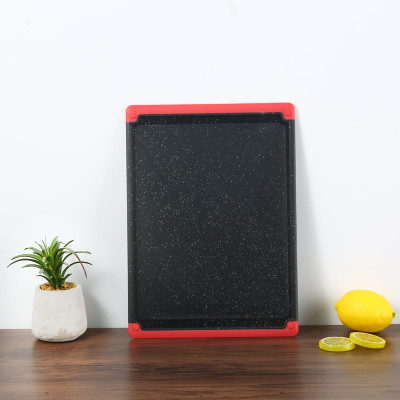
In conclusion, when we choose an HDPE plastic cutting board, we're not just picking a kitchen tool; we're investing in strength, incredible durability, and unparalleled ease of cleaning. From its robust molecular structure and food-grade safety to its resistance against daily wear and chemical exposure, it's clear why quality plastic cutting boards like the Chopaid are a top contender for any home chef. By understanding these benefits, we can make informed decisions that enhance our cooking experience and maintain a hygienic, efficient kitchen for years to come.