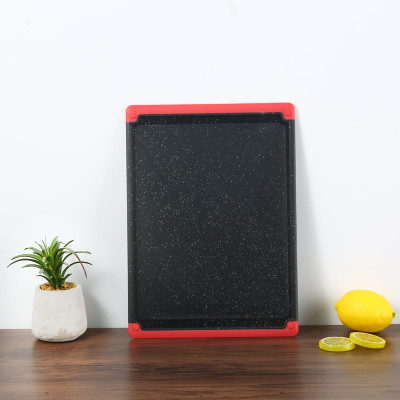
TPU Scratch-Resistant Cutting Boards Explained: Why They're Best for Hygiene and Health.
As someone deeply invested in kitchen safety, I've spent a lot of time pondering the unsung hero of our kitchens: the cutting board. It's more than just a surface; it's a critical tool that directly impacts the health and hygiene of our food. Many of us don't realize that our choice of cutting board can introduce hidden dangers, from lurking bacteria to harmful chemicals. Today, I want to share my insights on why a high-quality, non-toxic option, specifically a TPU scratch-resistant cutting board, has become my go-to for ensuring a healthier cooking environment.
Key Takeaways
- Hygiene is Paramount: Traditional cutting boards, especially porous wood and scratched plastic, can harbor dangerous bacteria like Salmonella and E. coli, leading to cross-contamination. Choosing a non-porous material is your first line of defense against foodborne illness.
- Material Matters Most: Glass and stone dull knives and can be slippery, while wood requires significant maintenance and can absorb bacteria. Low-quality plastics can shed microplastics and leach chemicals. Thermoplastic Polyurethane (TPU) offers a superior alternative that is non-porous, durable, and food-safe.
- Scratch Resistance is a Health Feature: Deep grooves and scratches in cutting boards are breeding grounds for germs that are difficult to eliminate, even with thorough washing. A scratch-resistant surface like TPU stays smoother for longer, making it easier to clean and sanitize effectively.
- Safety Beyond Bacteria: A truly safe cutting board is also free from harmful chemicals like BPA, phthalates, and formaldehyde, which can be found in some plastics and composite wood boards. This is especially critical when preparing food for children and babies.
- Convenience Enhances Safety: Features like dishwasher-safe materials and non-slip edges are not just about convenience; they are integral to a safe and hygienic kitchen routine. Easy cleaning ensures proper sanitation, and a stable board prevents dangerous knife slips.
Navigating the World of Cutting Boards: Why a TPU Scratch-Resistant Cutting Board Is My Top Choice for Kitchen Hygiene.
The journey to a safer kitchen often starts with re-evaluating the basics. For me, that meant taking a hard look at my cutting boards. This everyday tool, which contacts almost everything I cook, held more risks than I had ever imagined. From the material it's made of to the tiny cuts on its surface, every detail plays a role in the safety and cleanliness of my meals.
Unmasking the Hidden Dangers: How Traditional Cutting Boards Can Harbor Bacteria and Leaching Chemicals.
Any cutting board, regardless of material, can hide harmful germs if not cared for properly. The primary danger is cross-contamination, which happens when bacteria like Salmonella, E. coli, and Listeria from raw foods transfer to ready-to-eat foods. This is a significant risk with high-risk foods like raw meat, poultry, and seafood.
However, certain materials significantly increase this risk:
- Porous Surfaces: Materials that absorb moisture, like some woods, can become a breeding ground for bacteria. These pathogens can embed themselves deep within the material, surviving even after cleaning, and contaminate the next food item placed on the board.
- Knife Grooves: Over time, every-day use creates scratches and deep grooves on a cutting board's surface. These crevices are havens for bacteria, making the board incredibly difficult to sanitize completely. The USDA advises that once a board becomes excessively worn or develops these grooves, it should be discarded.
- Chemical Leaching: Beyond biological threats, some cutting boards pose chemical risks. Certain plastics may contain BPA and phthalates, which can leach into food, especially when exposed to heat or acidic ingredients. Similarly, some composite or bamboo boards use glues and finishes that could contain formaldehyde or other toxins that migrate into your food.
 Alt text: A visual comparison of a heavily scarred plastic cutting board and a dark, stained wooden board, representing hidden kitchen dangers.
My Personal Journey: Understanding the Risks of Materials Like Porous Woods, Glass, and Certain Plastics.
My own kitchen once housed a collection of different cutting boards, each with its own set of problems that I came to understand over time.
Porous Wood: I loved the aesthetic of my wooden cutting board. However, I learned that wood's porous nature can be a double-edged sword. It can absorb raw meat juices and bacteria, creating a perfect environment for microbial growth if not meticulously cleaned and dried. Furthermore, some exotic woods contain natural toxins or oils that can irritate or cause allergic reactions. The need for regular oiling to prevent cracking and warping also made it a high-maintenance option.
Glass: My sleek glass board seemed like the epitome of cleanliness. It was non-porous and easy to wipe down. The harsh reality, however, was the damage it was doing to my knives. Glass is incredibly hard and offers no "give," causing knife blades to dull and even chip with just a few uses. The surface is also slippery, especially when wet, which poses a serious safety risk during chopping. I quickly realized that what I perceived as hygienic was actually unsafe and destructive to my expensive cutlery.
Plastic: The convenience of a lightweight, dishwasher-safe plastic board was undeniable. But as it aged, it became covered in a web of deep knife scars. Not only did this look unappealing, but I learned that these grooves are impossible-to-clean bacterial hideouts. Even more concerning was the discovery of microplastic shedding; tiny plastic particles were potentially ending up in our food with every chop. Realizing that even "BPA-free" plastics could contain other undesirable chemicals pushed me to search for a better material.
What I've Learned About Food Safety: The Core Principles of a Truly Hygienic Cutting Surface.
Through research and experience, I've distilled the essence of a hygienic cutting board down to a few core principles. These are the non-negotiables I now look for, which are in line with standards for professional kitchens.
Non-Porous Material: The single most important feature is a non-absorbent surface. This prevents juices from raw foods from seeping into the board, which is the first step in stopping bacteria from setting up a permanent residence. This is a key requirement for boards that receive NSF (National Sanitation Foundation) certification, a standard for food service equipment ensuring public health protection.
Durability and Smoothness: A hygienic board must be able to withstand daily use without developing deep cuts and grooves where bacteria can multiply. It needs to be made from a material resilient enough to resist scarring but not so hard that it ruins your knives.
Ease of Sanitization: A safe cutting board is one that can be easily and effectively cleaned. The USDA recommends washing boards with hot, soapy water after each use and sanitizing them with a mild bleach solution. Materials that are dishwasher-safe and can withstand high temperatures offer a significant advantage, as this ensures proper sanitation compliance.
Material Purity: The board itself should not be a source of contamination. This means it must be free of toxins, BPA, phthalates, and other harmful chemicals that could leach into food. Looking for certifications like FDA compliance is a good way to ensure material safety.
The best practice, as recommended by food safety experts, is to use separate cutting boards for different food types—one for raw meat, poultry, and seafood, and another for ready-to-eat foods like vegetables and bread—to prevent cross-contamination.
The Unmatched Health Benefits I Found in a TPU Scratch-Resistant Cutting Board for My Family's Well-being.
My search for the perfect cutting board was driven by a single goal: to protect my family's health. When I discovered Thermoplastic Polyurethane (TPU), I realized it offered a combination of safety features that other materials simply couldn't match. It addresses all my core principles of hygiene—being non-porous, chemically inert, and durable—making it the clear winner for my kitchen.
A Smooth, Non-Porous Surface: My Family's Crucial Barrier Against Bacterial Growth and Cross-Contamination.
The most significant advantage of a TPU cutting board is its completely non-porous surface. Unlike wood, which can absorb liquids and harbor bacteria, or scarred plastic, which creates hiding spots for germs, TPU presents a solid barrier. This is fundamental to preventing cross-contamination, the process by which harmful bacteria from raw foods spread to ready-to-eat foods.
Here's why a non-porous surface is a game-changer for kitchen hygiene:
- No Absorption: Juices from raw meat, fish, or even vibrant vegetables like beets cannot penetrate the surface. Everything stays on top, which means it can be washed away completely.
- Prevents Biofilm Formation: Because bacteria have nowhere to embed themselves, they cannot form a biofilm—a tough, slimy layer of microorganisms that is notoriously difficult to remove.
- Effective Sanitization: Cleaning is simple and effective. A wash with hot, soapy water is often sufficient for daily cleaning, and because the material can withstand high temperatures, it can be safely sterilized with boiling water or in a dishwasher for a thorough disinfection.
Bacterial culture tests have demonstrated that TPU surfaces can support 99.7% less bacterial growth compared to used plastic boards after identical contamination protocols. This stark difference highlights how a non-porous material is a superior choice for maintaining a sanitary food preparation environment.
 Alt text: A graphic comparing the porous structure of wood with the smooth, impenetrable surface of a TPU cutting board.
Ensuring Zero Harm: Why Chemical-Free, Non-Toxic Materials Are Paramount for Baby Food and Everyday Meals.
When preparing food, especially for the most vulnerable members of my family like children, eliminating chemical exposure is just as important as preventing bacterial contamination. Babies' immune systems are still developing, making them more susceptible to harm from even small amounts of chemicals. TPU stands out as an exceptionally safe material in this regard.
Reputable TPU cutting boards are:
- BPA-Free and Phthalate-Free: TPU does not contain these known endocrine disruptors, which are common in other plastics and can pose health risks.
- Chemically Inert: The material is stable and does not react with acids from foods like tomatoes or lemons, nor does it degrade when cleaned with standard detergents. This ensures that no harmful substances leach into your food.
- Food-Grade and Certified: High-quality TPU used for kitchenware is typically food-grade, often meeting stringent standards set by bodies like the FDA. This certification guarantees the material is safe for direct food contact.
Many low-quality plastic and composite boards can be sources of hidden toxins. A 2023 study highlighted that chopping on common plastic boards can release millions of microplastic particles into food. Some wooden and bamboo boards use glues containing formaldehyde, a known carcinogen. By choosing a cutting board made from pure, food-safe TPU, I have peace of mind knowing that my family's meals are free from these invisible chemical threats.
The ChopAid Difference: How Our Commitment to Materials Like Antibacterial Polypropylene Elevates Safety Standards.
While TPU is an excellent material, innovation in kitchen hygiene is constantly evolving. As a leader in kitchen safety, Chopaid has pushed the boundaries further by focusing on advanced materials like high-grade antibacterial polypropylene (PP). This material embodies the core principles of a safe cutting board while offering its own unique advantages.
Like TPU, antibacterial polypropylene is:
- Non-Porous and Hygienic: It prevents the absorption of liquids and microorganisms, significantly reducing the risk of cross-contamination.
- Durable and Easy to Clean: It is resistant to wear and can be easily washed and sanitized, often being dishwasher-safe.
- Chemically Safe: Reputable manufacturers use BPA-free, food-grade PP that is rigorously tested to ensure no harmful substances migrate into food.
The key differentiator in advanced PP boards is the integration of antimicrobial agents. These additives are incorporated during the manufacturing process and work actively to inhibit the growth of bacteria on the cutting surface, providing an additional layer of protection against foodborne pathogens.
At ChopAid, the commitment to safety is uncompromising. Every cutting board is engineered to meet global safety standards, from the sourcing of raw materials to the final inspection, ensuring that every product you bring into your home is a guardian of your family's health.
Experiencing Durability and Unprecedented Convenience with My TPU Scratch-Resistant Cutting Board.
Beyond the fundamental health benefits, the practical advantages of a TPU cutting board have transformed my daily kitchen routine. Its unique material properties offer a perfect balance of durability, convenience, and safety that I haven't found in any other type of board. This combination not only makes cooking more enjoyable but also reinforces a hygienic environment with every use.
Built to Endure: My Insights into How Scratch Resistance Prevents Deep Grooves Where Germs Can Hide.
One of the most significant flaws in traditional plastic and even some wooden cutting boards is their susceptibility to damage. Every cut creates a groove, and over time, these boards become a mess of deep scars. These aren't just cosmetic issues; they are microscopic trenches where food particles and dangerous bacteria can hide, making thorough cleaning nearly impossible.
This is where the durability of TPU truly shines. Here’s what I've observed:
- Impressive Scratch Resistance: TPU has a remarkable ability to resist scoring. The material is what chemists call a "viscoelastic" polymer, meaning it has both the strength of plastic and the elasticity of rubber. When a knife slices into it, the material gives slightly and then recovers, preventing the formation of deep, permanent grooves.
- Enhanced Hygiene: A smoother surface is a cleaner surface. With fewer places for bacteria to lodge, the board is inherently more hygienic. This feature directly supports food safety by minimizing the risk of cross-contamination from lingering pathogens.
- Long-Term Durability: While no cutting board is completely scratch-proof, TPU boards maintain their surface integrity far longer than standard plastic boards. A typical plastic board can become heavily scarred and may need replacement in as little as one to three years, whereas a quality TPU board is built to last, making it a more sustainable and cost-effective investment. This long-term durability is essential for maintaining high standards of hygiene day after day.
The Joy of Easy Cleaning: Why Dishwasher-Safe Materials Make Sanitation Simple and Worry-Free for Me.
Proper sanitation is a non-negotiable pillar of kitchen safety. A cutting board must be both cleaned (to remove food debris) and sanitized (to kill pathogens) after every use, especially after contact with raw meat. The convenience of a TPU board makes this critical task effortless.
Most high-quality TPU cutting boards are dishwasher-safe. This is a massive advantage for several reasons:
- High-Heat Sterilization: A dishwasher's hot water cycle is one of the most effective ways to sanitize a non-porous surface, killing off bacteria that simple hand washing might miss.
- Effortless Convenience: The ability to simply place the board in the dishwasher after use eliminates the hassle and guesswork of manual sanitation. For me, this means I'm more likely to sanitize my board properly every single time, without exception.
- Chemical-Free Cleaning: While disinfecting with solutions like diluted vinegar or hydrogen peroxide is effective for handwashing, the dishwasher provides powerful sanitation using just heat and water.
For manual cleaning, the non-porous nature of TPU makes it a breeze. A simple scrub with hot, soapy water, followed by a rinse, is all that's needed for general use. Unlike wood, there's no need for special oils or conditioners, and no risk of the material warping or cracking from exposure to water.
 Alt text: A flexible TPU cutting board being loaded into a dishwasher, demonstrating its ease of cleaning.
Enhanced Safety and Grip: My Appreciation for TPE Edges That Keep the Board Secure on Any Surface.
A wobbly or sliding cutting board is a major kitchen hazard. It can lead to knife slips and serious injuries, turning a simple prep task into a dangerous situation. An unstable surface also makes it difficult to achieve precise cuts, affecting both the quality of your cooking and your efficiency.
Many premium TPU cutting boards address this issue with an ingenious design feature: non-slip edges made from Thermoplastic Elastomer (TPE). Here's why this is so important:
- Superior Stability: TPE is a rubber-like material that provides an excellent grip on virtually any countertop surface—from granite and quartz to laminate. This creates a stable, secure foundation that prevents the board from shifting during use. A stable board allows for faster, safer, and more precise knife work.
- Friction, Not Adhesion: High-quality TPE grips the counter through friction, meaning it won't leave behind any sticky residue or damage your countertops.
- Integrated Safety System: This built-in non-slip feature is far superior to temporary fixes like placing a damp towel underneath the board. A wet towel can dry out, bunch up, and become a breeding ground for bacteria itself. An integrated TPE edge provides reliable, hygienic, edge-to-edge stability every time.
This thoughtful design element is more than a convenience; it's a critical safety feature that protects you and allows you to work with confidence. Investing in a board with a secure grip is investing in accident-proof chopping.
My Definitive Guide to Choosing the Right TPU Scratch-Resistant Cutting Board for a Healthier Home.
Making the switch to a healthier cutting board is one of the most impactful changes you can make in your kitchen. After navigating the pros and cons of various materials, I've developed a clear guide to help you choose a board that truly prioritizes hygiene and health. It starts with knowing what to avoid and what features to demand.
Critical Materials to Avoid: Lessons Learned from Problematic Choices Like Fragile Glass or Contaminant-Prone Plastics.
My journey taught me that many popular cutting board materials come with significant drawbacks that can compromise food safety and the longevity of your kitchen tools. Here are the materials I now actively avoid:
Glass and Stone (Marble, Granite): While they appear hygienic because they are non-porous, these materials are a disaster for your knives. Their extreme hardness dulls blades with incredible speed, which not only ruins expensive cutlery but also makes cutting less safe by requiring more force. Their slick surfaces increase the risk of your knife slipping, and there's a danger of the board chipping or even shattering, potentially contaminating food with sharp fragments.
Low-Quality and Worn Plastic Boards: Cheap plastic boards are a false economy. They score very easily, creating deep grooves that become breeding grounds for bacteria and are nearly impossible to clean effectively. A significant concern is the shedding of microplastics directly into your food, with some studies showing millions of particles can be released in a single prep session. Furthermore, some plastics can contain and leach harmful chemicals like BPA and phthalates.
Porous and Soft Woods: While some hardwoods can be a good choice, soft woods (like pine) and highly porous woods should be avoided. They can easily absorb moisture and bacteria from raw meats, leading to persistent contamination and odors. Boards made of composite wood or bamboo pieces may also use formaldehyde-based glues, which can release toxins. If a board becomes warped or cracked, it should be discarded as these faults can trap bacteria irretrievably.
Material Comparison: The Hard Truth
| Material | Pro | Con |
|---|---|---|
| Glass/Stone | Non-porous, easy to wipe down. | Extremely hard on knives, slippery, can shatter or chip. |
| Wood | Knife-friendly, some antimicrobial properties. | Porous, requires high maintenance (oiling), can crack. |
| Plastic (Low-Quality) | Inexpensive, lightweight. | Scratches easily, harbors bacteria, sheds microplastics. |
| TPU | Non-porous, scratch-resistant, knife-friendly, dishwasher-safe, non-toxic. | Higher initial cost than cheap plastic. |
What to Prioritize: My Checklist for Identifying Key Features in a High-Quality, Hygienic Cutting Board.
When shopping for a cutting board, a few key features separate the best from the rest. Here is the checklist I use to ensure I'm getting a product that ensures both safety and performance:
1. Is the Material Genuinely Non-Porous? This is the most critical feature for hygiene. A non-porous surface prevents absorption of liquids and bacteria, making the board easy to sanitize and stopping cross-contamination at the source. Look for materials like high-grade TPU, advanced polypropylene, or solid (non-porous) composites.
2. Is it Scratch-Resistant and Knife-Friendly? The ideal board offers a balance. It should be durable enough to resist deep scoring but have enough "give" to protect your knife's edge. TPU excels here, providing a resilient surface that doesn't dull blades prematurely.
3. Is it Certified Non-Toxic and Food-Safe? Your cutting board should never add chemicals to your food. Look for explicit claims like "BPA-free," "non-toxic," and "food-grade." Certifications from bodies like the FDA or NSF provide an extra layer of assurance.
4. How Easy is it to Clean and Sanitize? Convenience encourages good habits. A dishwasher-safe board is the gold standard for easy and effective sanitation. For manual washing, the material should be smooth and able to withstand hot water and common, food-safe disinfectants without degrading.
5. Does it Offer Stability and Safety Features? A board that stays put is crucial for preventing accidents. Look for built-in non-slip elements like TPE or rubber feet/edges. Secondary features like juice grooves can also be very useful for catching liquids from meats or juicy fruits, keeping your countertop clean.
6. What is the Size and Thickness? Choose a size that fits your typical cooking tasks and your counter space. A larger board is great for big meal preps, while a smaller one can be handy for quick jobs. Thickness contributes to stability and durability, but modern materials like TPU can offer excellent performance even in a slimmer, lightweight profile.
 Alt text: A shopper carefully examines the features of a high-quality TPU cutting board, following a buying checklist.
A Final Thought from Me: Investing in a Safe Cutting Board Is an Investment in Your Family’s Health.
Switching to a superior cutting board isn't just about buying a new kitchen gadget; it's a strategic investment in your family's well-being. Food safety is a cornerstone of a healthy home, and the surfaces we prepare our food on play a fundamental role. By choosing a tool designed to minimize bacterial growth, eliminate chemical leaching, and reduce the risk of accidents, you are actively creating a safer kitchen environment.
The peace of mind that comes from knowing your food is prepared on a clean, safe, and hygienic surface is invaluable. It transforms cooking from a task filled with hidden risks into an act of care. For me, taking this step has reinforced my commitment to providing the healthiest possible meals for my loved ones, and it's a choice I would encourage every home cook to consider.
Conclusion
Ultimately, the heart of a healthy kitchen begins with safe practices, and choosing the right tools is a big part of that. For me, a TPU scratch-resistant cutting board combines the best of all worlds: hygiene, durability, and peace of mind. It addresses the critical flaws of other materials—the porosity of wood, the knife-dulling hardness of glass, and the bacterial-harboring scratches of cheap plastic—into one superior, thoughtfully designed product.
I encourage you to re-evaluate your own cutting board situation. Take a close look at the deep grooves, the persistent stains, or the high-maintenance routines they require. Making the switch to a safer, more advanced option like a high-quality TPU board is a simple yet impactful step toward a cleaner and healthier cooking experience for everyone you feed. I invite you to share this article with friends and family and to join the conversation on creating safer kitchens for all.
Frequently Asked Questions (FAQ)
Q1: Is a TPU cutting board really more hygienic than wood or plastic? A: Yes, due to its material properties. TPU is non-porous, which means it doesn't absorb liquids or bacteria like wood can. While new plastic is also non-porous, it scratches very easily, creating deep grooves where bacteria can hide and become difficult to remove. A scratch-resistant TPU board maintains a smoother, easier-to-sanitize surface for much longer, making it inherently more hygienic over its lifespan.
Q2: Will a TPU cutting board dull my knives? A: No, TPU cutting boards are designed to be knife-friendly. The material has a unique elasticity that gives slightly under the pressure of a knife, protecting the blade's sharp edge. This makes it far superior to hard surfaces like glass, stone, or even some hard plastics that can dull knives quickly.
Q3: Are TPU cutting boards safe for my family? Are they non-toxic? A: High-quality TPU cutting boards are very safe. They are made from food-grade material that is BPA-free, phthalate-free, and contains no other harmful chemicals. Reputable manufacturers ensure their products meet strict safety standards (like FDA compliance), so no toxins will leach into your food.
Q4: How do I clean and sanitize my TPU cutting board? A: Cleaning is simple. Most TPU cutting boards are dishwasher-safe, which is the easiest way to clean and sanitize them with high heat. For hand washing, use hot, soapy water and a scrub brush to clean the surface. To sanitize manually, you can use a solution of white vinegar and water or spray it with 3% hydrogen peroxide, let it sit for a few minutes, then wash and rinse thoroughly.
Q5: What is the difference between TPU and TPE on a cutting board? A: TPU (Thermoplastic Polyurethane) is the primary material for the cutting surface itself, chosen for its durability, scratch resistance, and non-porous nature. TPE (Thermoplastic Elastomer) is a softer, rubber-like material often used for the non-slip edges or feet of the cutting board. The combination gives you a durable, hygienic cutting surface with excellent, built-in stability.
Q6: Are TPU cutting boards environmentally friendly? A: TPU is a type of plastic, but it offers a more sustainable option compared to cheap, disposable plastic boards. Because of their superior durability and longevity, TPU boards do not need to be replaced nearly as often, which reduces landfill waste. Additionally, TPU is technically recyclable, though facilities may vary.
Q7: Is it really necessary to have separate cutting boards for meat and vegetables? A: Yes, this is a core principle of food safety recommended by the USDA and other health organizations to prevent cross-contamination. Using one board for raw meat, poultry, and seafood and a separate one for ready-to-eat foods like fruits, vegetables, and bread is one of the most effective ways to prevent the spread of harmful bacteria like Salmonella and E. coli. Using color-coded boards can make this practice even easier.