The Complete Guide to Wheat Straw Cutting Boards: Materials, Safety, and Sustainability
As we become more conscious about what we bring into our homes, especially our kitchens, the materials of our cooking tools are getting more attention. Cutting boards, an essential kitchen item, are no exception. We're exploring a rising star in kitchenware: the wheat straw cutting board. Is it truly a sustainable and safe choice for your culinary space?
Join us as we delve deep into the world of wheat straw cutting boards, uncovering their unique composition, evaluating their safety features, and assessing their environmental footprint. We aim to provide a comprehensive guide to help you make an informed decision for your kitchen.
Key Takeaways
This guide offers an in-depth exploration of wheat straw cutting boards, and here are the essential points to consider:
- Material Composition: Wheat straw cutting boards are not made of 100% straw. They are composite products, blending natural wheat straw fibers with a polymer binder, most commonly food-grade polypropylene (PP). This combination is crucial for creating a durable, non-porous, and functional kitchen tool. The wheat straw content typically ranges from 30% to 50%, reducing the overall plastic required compared to conventional cutting boards.
- Safety and Health:
- Non-Toxic: Reputable manufacturers ensure their boards are free from harmful chemicals. For example, all Chopaid cutting boards are certified BPA-free and are not made with PFAS, ensuring a non-toxic food-prep surface.
- Gluten-Free: The high-heat manufacturing process breaks down the lignin in the wheat straw, which may also remove gluten proteins. This makes the final product safe for individuals with celiac disease or gluten sensitivities, as the allergenic proteins are eliminated.
- Durability and Hygiene: The composite material is shatter-proof and non-porous. Unlike wood, it doesn't harbor bacteria as easily and is less prone to deep knife scarring that can trap food particles.
- Sustainability and Environmental Impact:
- Upcycling Agricultural Waste: The primary eco-friendly aspect is the use of wheat straw, a byproduct of wheat harvesting that is often burned or discarded. By repurposing this material, we reduce waste and the air pollution associated with burning it.
- Reduced Plastic Consumption: By incorporating natural fibers, these cutting boards use significantly less plastic than their traditional counterparts.
- End-of-Life: While not fully biodegradable in a home compost setting due to the polymer binder (like PP), they represent a step toward more circular-economy-friendly products. Some PLA-bound versions may be industrially compostable, but recycling options for these mixed materials are still developing.
- Performance and Care:
- User-Friendly: These boards are lightweight, easy to handle, and gentle on knives.
- Easy Maintenance: A key advantage is that they are generally dishwasher-safe, simplifying the cleaning process and ensuring proper sanitation. They are also often microwave-safe for certain uses, though this should be verified with the manufacturer.
- Comparison to Other Materials:
- vs. Plastic: Wheat straw boards offer a more sustainable alternative by reducing fossil fuel-based plastic content and upcycling waste.
- vs. Wood/Bamboo: They are less porous, more hygienic, and easier to maintain (dishwasher-safe) than wood or bamboo boards, which require regular oiling and are prone to cracking or warping.
In essence, a wheat straw cutting board from a trusted brand like Chopaid offers a compelling balance of safety, durability, and enhanced sustainability, making it an excellent choice for the modern, eco-conscious kitchen.
Understanding the Wheat Straw Cutting Board: More Than Just Straw
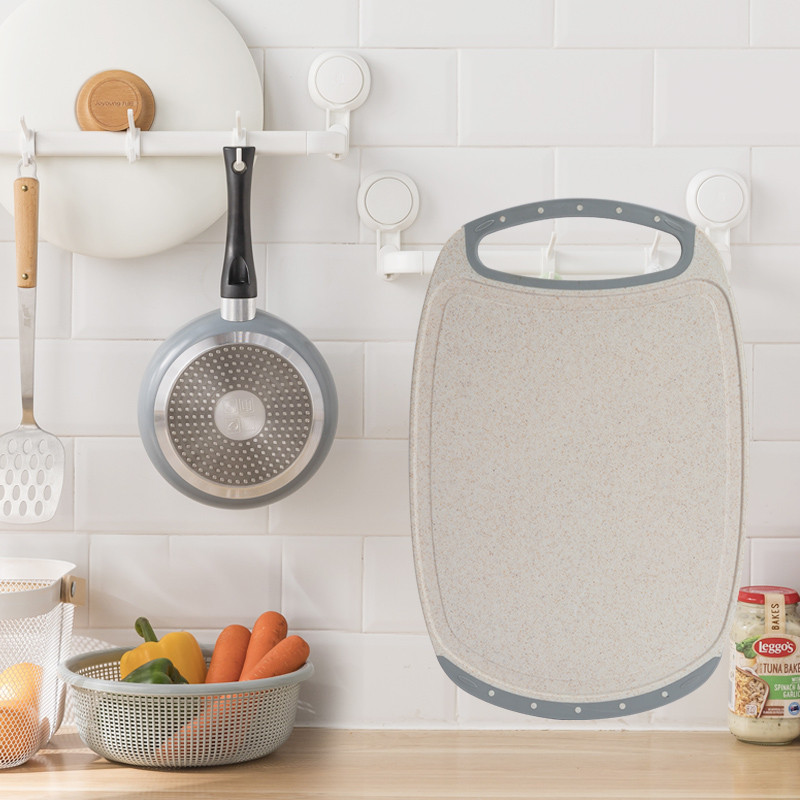
The term "wheat straw" might conjure images of rustic farm fields, but in the context of kitchenware, it represents an innovative leap in material science. To truly appreciate what makes these cutting boards unique, we need to look beyond the surface and understand their composition, which is a clever blend of nature and technology designed for the modern kitchen.
What Exactly is a Wheat Straw Cutting Board Made Of?
The Blend: Wheat Straw Fibers and Polymer
A wheat straw cutting board isn't carved from a block of pure, compressed straw. Instead, it's a sophisticated composite material. The primary ingredient is, of course, wheat straw—the stalk left over after wheat grains are harvested. This agricultural byproduct, which would otherwise be discarded or burned, is collected, cleaned, and ground into fine fibers.
These natural fibers provide the structure and the "eco-friendly" part of the board's identity. However, on their own, they wouldn't be durable or non-porous enough for a cutting board. To achieve the necessary strength and functionality, the wheat straw fibers are blended with a polymer resin in a heated compounding machine. This process creates a stable, uniform, and robust material suitable for the rigors of a kitchen. The resulting product is a bioplastic that feels similar to conventional plastic but is lighter and has a distinct matte finish with natural-looking flecks.
Common Polymers: PP vs. PLA in Wheat Straw Cutting Boards
The type of polymer used as a binder is critical to the cutting board's safety, durability, and environmental footprint. The two most common polymers you'll encounter are Polypropylene (PP) and Polylactic Acid (PLA).
Polypropylene (PP): This is the most prevalent binder for wheat straw cutting boards. PP is a food-grade plastic known for its strength, heat resistance, and safety. It's the same material used in yogurt containers, baby bottles, and medical equipment, trusted for its non-toxic properties. When blended with wheat straw, it creates a cutting board that is durable, non-porous, and typically dishwasher-safe. Boards made with PP are a significant step up from 100% petroleum-based plastic boards because they reduce the overall plastic content by incorporating upcycled agricultural waste. The presence of PP means the board is not fully biodegradable, a crucial point for end-of-life considerations.
Polylactic Acid (PLA): PLA is a bioplastic derived from renewable resources like corn starch or sugarcane. Unlike PP, which is petroleum-based, PLA is plant-based and, under the right conditions, can be industrially compostable. Wheat straw products made with PLA are often marketed as a more "green" alternative because their components are entirely derived from plants. However, PLA is generally less resistant to heat than PP, which might impact its suitability for hot kitchen environments or dishwasher use.
Material Composition Comparison
| Feature | Wheat Straw + PP | Wheat Straw + PLA |
|---|---|---|
| Binder Origin | Petroleum-based | Plant-based (Corn, Sugarcane) |
| Durability | High, very tough and shatter-proof | Moderate, can be more brittle |
| Heat Resistance | Generally higher, often dishwasher-safe | Lower, may warp with high heat |
| Biodegradability | Not biodegradable (PP component) | Commercially compostable |
| Eco-Impact | Reduces plastic, upcycles waste | Fully plant-based, renewable |
At Chopaid, our cutting boards utilize a high-quality, food-grade PP binder to ensure maximum durability, longevity, and safety for your kitchen.
Distinguishing a Wheat Straw Cutting Board from Other Wheat Straw Products
You might see "wheat straw" used for a variety of products, from disposable plates and cutlery to more durable items like our cutting boards. The key difference lies in the intended use and, therefore, the material composition. Disposable wheat straw items are designed for single use and prioritize biodegradability, often using binders like PLA or other plant-based materials that break down more easily.
However, a cutting board has to withstand years of chopping, washing, and exposure to different foods. This requires a much higher standard of durability and hygiene.
Why Our Chopaid Wheat Straw Cutting Boards Aren't 100% Straw
It's a common misconception that a wheat straw cutting board is made purely from plant fibers. While this sounds appealing from an environmental standpoint, such a product would be impractical for kitchen use. A board made of 100% compressed wheat straw would be porous, absorb liquids and bacteria, and would likely warp, crack, or splinter under the pressure of a knife.
To create a functional and long-lasting kitchen tool, we must combine the wheat straw fibers with a strong, food-safe polymer. The polymer acts as a binder, creating a non-porous and solid surface that is hygienic and easy to clean. This composite structure is what gives the cutting board its strength and a service life of 5-10 years. At Chopaid, we've engineered our boards with an optimal ratio of wheat straw to food-grade PP, creating a product that is both eco-conscious and high-performing. This blend reduces the amount of new petroleum-based plastic needed while ensuring the board meets the functional demands of a modern kitchen.
The Role of Durability and Functionality
The primary job of a cutting board is to provide a safe, stable, and knife-friendly surface for food preparation. The composite nature of wheat straw cutting boards is what allows them to excel in this role.
- Durability: The blend of wheat straw and PP results in a shatter-proof, warp-resistant, and crack-resistant board. It can withstand the daily impacts of chopping without falling apart.
- Functionality: Unlike wood, the non-porous surface of a wheat straw composite board prevents it from absorbing juices, stains, and odors from food. This makes it more hygienic and easier to clean.
- Knife-Friendly Surface: The material is hard enough to provide a stable cutting surface but soft enough that it won't prematurely dull your high-quality kitchen knives, striking a balance that materials like glass or stone fail to achieve.
By consciously choosing a composite design, we prioritize a product that is not only a step in a greener direction but one that is also practical, safe, and durable for everyday culinary tasks.
Safety First: Is a Wheat Straw Cutting Board a Secure Bet for Your Kitchen?
When introducing any new material into your kitchen, especially one that comes into direct contact with your food, safety is the top priority. Wheat straw cutting boards are often marketed as a "natural" alternative, but it's crucial to examine their properties closely to ensure they are a truly safe choice for your family.
Strength and Durability: The Shatter-Proof Advantage of Wheat Straw Cutting Boards
One of the primary safety features of a kitchen tool is its structural integrity. A cutting board that chips, cracks, or shatters can be dangerous, creating an unstable cutting surface and potentially introducing foreign fragments into your food.
Wheat straw cutting boards, made from a composite of wheat fibers and polypropylene (PP), are engineered for exceptional durability. Unlike glass or ceramic cutting boards, which are notorious for shattering if dropped, wheat straw boards are virtually shatter-proof. This makes them a much safer option, especially in busy kitchens or households with children. The material is lightweight yet strong, designed to withstand daily use without splintering or cracking, a common issue with lower-quality plastic or poorly maintained wooden boards. This inherent toughness ensures a reliable and long-lasting surface that you can depend on for all your chopping needs. With an expected lifespan of 5-10 years under normal use, they offer excellent long-term value.
Chemical Concerns: Ensuring Our Wheat Straw Cutting Boards are BPA and PFAS-Free
A significant concern with plastic kitchenware is the potential for harmful chemicals to leach into food. Two of the most well-known culprits are Bisphenol A (BPA) and Per- and polyfluoroalkyl substances (PFAS).
BPA (Bisphenol A): This industrial chemical has been used to make certain plastics and resins since the 1950s. It is a known endocrine disruptor, and exposure has been linked to various health issues. High-quality wheat straw cutting boards are made with food-grade polypropylene (PP), a plastic that is naturally free of BPA. Responsible manufacturers will always label their products as "BPA-free," providing an essential layer of assurance. When choosing a board, you should always look for this explicit guarantee.
PFAS (Per- and polyfluoroalkyl substances): Often called "forever chemicals," PFAS are a group of man-made chemicals used to make surfaces resistant to heat, oil, and water. They have been used in some food packaging and non-stick cookware. These chemicals are highly persistent in the environment and the human body and are linked to serious health risks. Although more common in disposable molded fiber products, it is crucial to ensure that any reusable kitchenware is free from these compounds.
This is a cornerstone of our philosophy at Chopaid, where we guarantee all our wheat straw cutting boards are certified BPA-free and are not treated with any PFAS chemicals. Our commitment is to provide a completely non-toxic food preparation surface, giving you peace of mind with every slice.
Food Allergies: Addressing Gluten in Wheat Straw Cutting Boards
The presence of the word "wheat" in the name naturally raises a valid question for individuals with celiac disease or gluten sensitivity: are these cutting boards safe to use? The good news is, yes, they are overwhelmingly considered safe.
Here’s the science behind it: Gluten is a protein found in the grain of the wheat plant—the part that is harvested for food like flour. A wheat straw cutting board, however, is made from the stalk of the plant, which is left over after the grain is harvested. This stalk is primarily composed of cellulose and lignin and does not naturally contain gluten.
Furthermore, the manufacturing process provides an additional layer of safety. The wheat stalks undergo a rigorous cleaning and processing procedure. They are then compounded with a polymer binder at high temperatures, a process which would denature any residual protein fragments, effectively eliminating any potential allergen risk. While some very sensitive individuals may worry about cross-contamination from the field, third-party testing of finished wheat straw products has consistently shown that they are gluten-free, with gluten levels far below the FDA's threshold of 20 parts per million (ppm). Therefore, individuals with gluten allergies can confidently use a high-quality wheat straw cutting board without fear of a reaction.
Care and Maintenance: Dishwasher and Microwave Safety of Your Wheat Straw Cutting Board
One of the standout advantages of a wheat straw cutting board is its ease of care. Proper maintenance is key to hygiene and longevity, and these boards are designed to be incredibly low-maintenance.
Dishwasher Safety: Most high-quality wheat straw cutting boards, especially those made with a PP binder, are completely dishwasher-safe. This is a significant advantage over wooden boards, which can warp, crack, or become waterlogged in a dishwasher. Being able to run your cutting board through a dishwasher cycle with hot water ensures it is properly cleaned and sanitized, effectively killing harmful bacteria. Regular dish soap and hot water are also perfectly sufficient for hand washing.
Microwave Safety: This is where caution is needed. While some wheat straw products like plates or bowls might be labeled as microwave-safe for brief reheating, it is generally not recommended to place a cutting board in the microwave. The intense, concentrated heat can cause the polymer binder to soften or warp, compromising the board's structural integrity. Cutting boards are designed for food preparation, not for cooking or heating. Always check the manufacturer's specific instructions, but as a rule of thumb, keep your cutting board out of the microwave.
Thanks to their non-porous surface, these boards resist staining and odors far better than their wooden counterparts. A simple wash is usually all that's needed to keep your Chopaid board clean, sanitary, and ready for your next culinary creation.
The Sustainability Story: How Green Is Your Wheat Straw Cutting Board?
In an era of increasing environmental awareness, the "sustainability" of a product is a major purchasing factor. Wheat straw cutting boards are positioned as an eco-friendly choice, but it's important to have a nuanced understanding of their environmental impact, from creation to disposal.
Reducing Environmental Harm: The Origin of Wheat Straw in Our Cutting Boards
The core of the sustainability argument for wheat straw cutting boards lies in the innovative use of an agricultural byproduct. After farmers harvest wheat grains, a massive amount of straw is left behind. Globally, this agricultural residue is often dealt with in one of two ways: it's left to decompose, or it's burned.
Stubble burning is a common practice in many agricultural regions, but it comes with significant environmental costs. Burning releases large amounts of particulate matter (PM2.5 and PM10), carbon dioxide (CO2), and other pollutants into the atmosphere. This contributes to smog, respiratory health issues, and the loss of valuable nutrients and organic carbon from the soil. Approximately 80% of the carbon in the straw returns to the atmosphere as CO2 during burning.
This is where upcycling comes in. By collecting this "waste" straw and using it as a raw material for bioplastics and composite goods, we create a value-added product from something that would have otherwise been a source of pollution. This process is a stellar example of a circular economy in action:
- It prevents air pollution from stubble burning.
- It reduces agricultural waste.
- It provides farmers with an additional potential source of income.
- It turns a low-value byproduct into a durable, long-lasting consumer good.
At Chopaid, we are proud that our cutting boards start with this principle of intelligent resource use, transforming potential pollutants into high-performance kitchen essentials.
Addressing Plastic Content: The Eco-Balance of a Wheat Straw Cutting Board
While upcycling straw is a clear environmental win, it's also important to be transparent about the plastic content. Most wheat straw cutting boards are composites, typically containing 60-70% polypropylene (PP) and 30-40% wheat straw fiber. This means they are not plastic-free.
However, the environmental calculus is still favorable compared to a 100% plastic cutting board:
- Reduced Fossil Fuel Consumption: Polypropylene is a petroleum-based plastic. By replacing a significant portion of it with a renewable, plant-based filler (wheat straw), the overall reliance on virgin fossil fuels is reduced.
- Lower Carbon Footprint: The production process for wheat straw plastic generally has a lower carbon footprint than manufacturing 100% virgin plastic.
- A "Reduced Plastic" Product: While not "plastic-free," a wheat straw cutting board is a "reduced plastic" product. It represents a tangible step away from full dependency on synthetic materials, balancing ecological goals with the need for a durable and safe product.
It's a common example of greenwashing for companies to label these products simply as "biodegradable" without acknowledging the plastic binder. Transparency is key. A wheat straw and PP composite board is a more sustainable alternative to a conventional plastic board, and that is its true environmental advantage.
End-of-Life: Biodegradability and Recycling Options for Wheat Straw Cutting Boards
The final stage of a product's life is a critical component of its sustainability profile. How you dispose of your cutting board matters. Here, the specific composition of the board is paramount.
Biodegradability: This is a point of common confusion and greenwashing.
- Wheat Straw + PP Boards: These are not biodegradable. Polypropylene (PP) is a conventional plastic that does not break down in a compost environment, whether at home or in an industrial facility. While the wheat straw fibers themselves are organic, they are encapsulated within the plastic matrix, preventing them from decomposing. These boards are designed for durability and reuse over many years, which itself is a form of sustainability, but they should not be placed in a compost bin.
- Wheat Straw + PLA Boards: Boards made with Polylactic Acid (PLA) may be industrially compostable. PLA can break down under the high-temperature, high-humidity, and specific microbial conditions of an industrial composting facility, typically within 6-12 months. However, it will not biodegrade in a typical backyard compost pile or in a landfill.
Recycling Options: Recycling composite materials is challenging.
- Most municipal recycling programs are not equipped to handle mixed materials like a wheat straw and PP composite. They are designed to process pure streams of plastic (like PET #1 or HDPE #2). Throwing a composite board into a standard recycling bin can contaminate the recycling stream.
- Therefore, at the end of its long life, a wheat straw and PP cutting board should typically be disposed of in general waste. The primary environmental benefit comes from the reduced use of plastic during its creation, not from its end-of-life disposal.
Before disposal, consider repurposing a worn-out cutting board for non-food tasks, such as a base for crafts, a mat in the garage, or a surface for potting plants, extending its useful life even further.
Chopaid's Commitment: Our Vision for Sustainable Wheat Straw Cutting Boards
At Chopaid, our vision for sustainability is rooted in transparency and tangible impact. We believe that an eco-friendly product must be honest about its lifecycle and deliver on its promises of performance and safety.
Our commitment is threefold:
- Smarter Material Sourcing: We start by upcycling agricultural waste, turning leftover wheat straw into the core of our products. This commitment to using renewable resources and reducing pollution is the foundation of our design philosophy.
- Durable, Safe Design: We consciously choose a blend of wheat straw and food-grade, BPA-free polypropylene to create a cutting board that lasts for years. By prioritizing durability, we advocate for a culture of "buy once, buy well" over disposable convenience. Longevity is a key pillar of sustainability, and our boards are built to withstand the test of time, reducing the need for frequent replacements.
- Honest Communication: We are upfront about the composition of our boards. We won't label them as "biodegradable" because we know that isn't accurate for a PP-composite product. Instead, we highlight their true benefits: reduced plastic content, upcycled materials, superior hygiene, and long-lasting durability.
We are continuously exploring innovations in material science to improve the end-of-life options for our products. Our goal is to lead the way in creating kitchenware that is not only good for your home today but also better for our planet tomorrow.
Wheat Straw Cutting Board vs. The Competition: Making the Right Choice
Choosing a cutting board in today's market can be overwhelming. From traditional wood and plastic to modern composites, each material comes with its own set of strengths and weaknesses. Understanding how a wheat straw cutting board stacks up against the competition is key to deciding if it's the right fit for your kitchen.
Comparing Popular Alternatives to a Wheat Straw Cutting Board
To make an informed decision, let's break down the pros and cons of the most common cutting board materials available.
Traditional Plastic and Melamine Cutting Boards: Pros and Cons
Plastic cutting boards, typically made from High-Density Polyethylene (HDPE), are ubiquitous in kitchens due to their affordability and convenience.
Pros:
- Inexpensive: They are the most budget-friendly option on the market.
- Lightweight: Easy to handle and store.
- Dishwasher-Safe: Simple to clean and sanitize.
Cons:
- Microplastic Shedding: A significant and growing concern is that every knife cut can release tiny plastic particles into your food. Studies have shown that plastic boards can shed a substantial amount of microplastics over time.
- Harbors Bacteria: Plastic is a relatively soft material that scars easily. These deep grooves and scratches become breeding grounds for bacteria like Salmonella and E. coli, which can be difficult to remove even with thorough washing.
- Poor Durability: They wear out quickly, requiring frequent replacement, which contributes to plastic waste.
- Environmental Impact: Made from petroleum, they have a high carbon footprint and are difficult to recycle, often ending up in landfills.
Melamine, a type of plastic resin, is sometimes used as well. While very hard and durable, it shares many of the same environmental drawbacks and can pose risks of chemical leaching if not sourced from a reputable manufacturer.
Wooden and Bamboo Cutting Boards: Natural Beauty and Limitations
Wooden and bamboo cutting boards are prized for their natural aesthetic and feel. Hardwoods like maple, walnut, and teak are popular choices.
Pros:
- Durable & Long-Lasting: A high-quality, thick wooden board can last for decades with proper care.
- Knife-Friendly: Wood is gentle on knife edges, helping them stay sharper for longer.
- Naturally Antimicrobial: Research has shown that wood's porous structure can trap and kill bacteria through a process of desiccation. Bacteria tend to die within minutes on a wood surface.
- Aesthetic Appeal: They offer a timeless, warm look that many cooks prefer.
Cons:
- High Maintenance: Wood requires regular oiling with food-grade mineral oil to prevent it from drying out, cracking, or warping.
- Not Dishwasher-Safe: They must be hand-washed and dried immediately. Soaking or using a dishwasher will ruin the board.
- Porous: If not properly maintained, wood can absorb liquids, stains, and odors.
- Heavy: Large wooden butcher blocks can be cumbersome to move and clean.
Bamboo is often grouped with wood but is technically a grass. It is harder and less porous than many woods, making it more resistant to water. However, its extreme hardness can dull knives more quickly than traditional hardwood. Additionally, many bamboo boards are constructed using adhesives that may contain formaldehyde, a potential health concern.
The Advantages and Disadvantages of Owning a Wheat Straw Cutting Board
Now, let's consolidate everything we've learned into a clear list of pros and cons for wheat straw cutting boards.
Advantages:
- Eco-Friendlier Profile: By using agricultural waste and reducing the amount of petroleum-based plastic, they have a smaller environmental footprint than 100% plastic boards.
- Durable and Lightweight: They are strong, shatter-proof, and resistant to warping or cracking, yet they remain lightweight and easy to handle.
- Hygienic and Non-Porous: The solid composite surface resists absorbing juices, bacteria, and odors, making it easier to clean and more hygienic than wood.
- Low Maintenance: Most are dishwasher-safe, offering a significant convenience advantage over high-maintenance wooden boards.
- Non-Toxic and Safe: Reputable brands produce boards that are BPA-free, PFAS-free, and gluten-free, ensuring a safe surface for food preparation.
- Knife-Friendly: The surface is generally gentle on knife blades, helping to maintain their sharpness longer than harder materials like bamboo or glass.
Disadvantages:
- Not 100% Plastic-Free: It's crucial to remember that these are composite products containing a plastic binder (usually PP). This makes them a "reduced plastic" item, not a "plastic-free" one.
- Not Fully Biodegradable: The polypropylene component is not biodegradable, so the board will not break down in a home compost or landfill.
- Limited Recyclability: As a mixed-material composite, they cannot be recycled in most standard municipal recycling streams.
- Can Show Knife Marks: Like any cutting board that is soft enough to be knife-friendly, the surface will eventually show scratches over time.
- Potential for Lower Quality Imports: The market has a wide range of quality. It's important to choose a trusted brand that certifies its materials as food-grade and non-toxic to avoid unsafe additives.
Here is a summary table comparing the different materials:
| Feature | Wheat Straw Board | Plastic Board | Wood Board | Bamboo Board |
|---|---|---|---|---|
| Durability | High | Low to Medium | High | High |
| Hygiene | Very High (Non-Porous) | Low (Scratches harbor bacteria) | Medium (Naturally antimicrobial but porous) | High (Less porous than wood) |
| Maintenance | Very Low (Dishwasher-safe) | Very Low (Dishwasher-safe) | High (Hand-wash, requires oiling) | Medium (Hand-wash, can be brittle) |
| Knife Friendliness | Good | Good | Excellent | Fair (Can dull knives) |
| Sustainability | Good (Upcycles waste, reduces plastic) | Poor (Petroleum-based, microplastics) | Good (Renewable, biodegradable) | Good (Fast-growing, renewable) |
| Cost | Low to Medium | Very Low | High | Low to Medium |
Ultimately, the wheat straw cutting board emerges as a powerful contender, offering a unique "best of both worlds" solution. It combines the low maintenance and hygiene of plastic with a significantly improved environmental and safety profile, making it a compelling choice for the modern, conscious consumer.
Frequently Asked Questions (FAQ)
1. Can wheat straw cutting boards really go in the dishwasher? Yes, one of the main advantages of high-quality wheat straw cutting boards, particularly those made with a polypropylene (PP) binder like ours at Chopaid, is that they are dishwasher-safe. The high heat of a dishwasher cycle effectively sanitizes the board, which is crucial for kitchen hygiene. Unlike wood, which can warp or crack, the composite material is stable and built to withstand repeated washing.
2. Do wheat straw cutting boards stain or absorb odors? Thanks to their non-porous surface, wheat straw composite boards are highly resistant to staining and absorbing odors. Foods with strong pigments like beets, turmeric, or berries are less likely to leave permanent marks compared to wooden boards. Similarly, pungent foods like garlic, onion, and fish won't leave lingering smells after the board is washed.
3. Will a wheat straw cutting board dull my expensive knives? Wheat straw cutting boards are designed to be knife-friendly. The surface is softer than materials like glass, stone, or even hard bamboo, but firm enough for a stable cutting experience. This balance helps protect the edge of your knives, keeping them sharper for longer. While they are gentler than many alternatives, they are comparable to standard plastic boards in terms of their effect on knife edges.
4. Are these boards truly better for the environment than regular plastic? Yes, they represent a significant environmental improvement over 100% petroleum-based plastic boards. Their eco-friendly credentials come from two main factors:
- Upcycling Waste: They utilize leftover wheat straw, an agricultural byproduct that is often burned, thus preventing air pollution.
- Reducing Plastic: By incorporating natural plant fibers (typically 30-50% of the material), they reduce the amount of new, fossil fuel-derived plastic needed in their production. While not fully biodegradable (due to the PP binder), their creation process is inherently more sustainable.
5. How long does a wheat straw cutting board last? With proper care, a high-quality wheat straw cutting board can last for many years, typically in the range of 5 to 10 years for regular household use. Their durability is a key feature; they are resistant to shattering, cracking, and warping. You should replace any cutting board, regardless of material, when it develops deep grooves or scratches that are difficult to clean.
6. Is there a risk of microplastic shedding like with normal plastic boards? This is a valid concern for any product containing plastic. Because wheat straw boards are a composite material bound with plastic, there is a potential for microplastic release, though the risk profile differs from a standard, softer plastic board. The higher density of the composite material makes it more resistant to the "micro-shaving" seen in softer polyethylene boards. However, to minimize any risk, it's best to replace the board when it becomes heavily scored. Choosing a board from a reputable manufacturer ensures the plastic component is stable and food-grade.
Conclusion
In evaluating the wheat straw cutting board, we've found it presents a compelling blend of durability, safety, and improved environmental impact compared to many traditional kitchen options. By transforming agricultural waste into a functional, long-lasting product, it addresses environmental concerns without compromising on the performance needed in a busy kitchen. While not entirely plastic-free, its thoughtful design and hybrid composition make it a robust and intelligent contender for the eco-conscious consumer. It successfully bridges the gap between the high maintenance of wood and the environmental drawbacks of conventional plastic.
Ultimately, choosing the right cutting board depends on your personal priorities—whether they be ease of cleaning, knife care, aesthetic appeal, or sustainability. We believe that Chopaid's wheat straw cutting boards offer a valuable and practical balance, empowering you to make choices that are good for your kitchen and a positive step for the planet. We encourage you to consider this innovative and responsible material for your next kitchen upgrade and invite you to share your experiences or questions with our community.