The Essential Guide to Anti-bacterial Plastic Cutting Boards for Kitchen Hygiene
As home cooks, we all strive for a clean and safe kitchen, particularly when it comes to the surfaces where we prepare our food, like cutting boards. The market is saturated with choices, but understanding which materials truly promote kitchen hygiene is essential for protecting our health and safety. We're here to slice through the confusion and delve into what genuinely makes a cutting board safe and hygienic for our families.
Key Takeaways
- Plastic's Pitfalls: Despite being marketed as "anti-bacterial," plastic cutting boards develop deep knife grooves that can harbor dangerous bacteria like Salmonella and E. coli, making them difficult to sanitize completely.
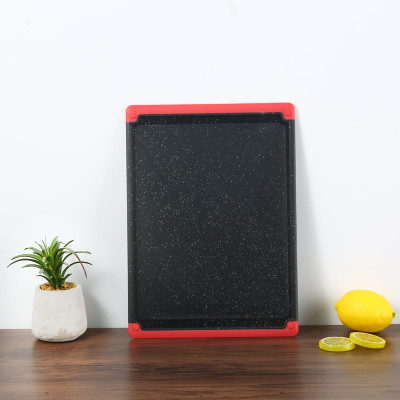
- Hidden Dangers: Plastic boards can shed microplastics into your food and may leach harmful chemicals, such as BPA and phthalates, especially when worn or exposed to heat. Black plastic, often made from recycled electronic waste, can be particularly toxic.
- The Wood Advantage: High-quality hardwood cutting boards, like those made from hard rock maple, possess natural antimicrobial properties. Their wood fibers are also "self-healing," closing up minor knife cuts, and are gentler on your knives.
- Superior Alternatives: Materials like sustainable wood, food-grade stainless steel, and platinum silicone are safer, more durable, and more hygienic choices compared to plastic for food preparation.
- Proper Care is Key: Regardless of the material, proper cleaning, sanitizing, and maintenance are crucial. For wood boards, this includes regular washing, thorough drying, and periodic oiling to maintain their protective, water-resistant surface. Look for NSF-certified boards as an indicator of quality and safety.
The Truth About Anti-bacterial Plastic Cutting Boards: A Chopaid Investigation into Hygiene Claims
The promise of an "anti-bacterial" plastic cutting board is compelling. It suggests a sterile, worry-free surface perfect for any kitchen. However, a closer look reveals that these claims often don't hold up under the pressures of daily use. We’ll investigate the disparity between marketing allure and hygienic reality, uncovering why plastic may not be the safest choice for your food preparation.
The Allure vs. The Reality: Why Plastic Boards Often Fall Short
Plastic cutting boards are popular due to their low cost and the perception that they are easy to clean and sanitize. They often come in various colors, allowing for a color-coded system to prevent cross-contamination. However, the very nature of their material leads to significant hygiene challenges over time, turning a seemingly clean surface into a hidden bacterial breeding ground.
Micro-grooves and Bacterial Havens: Plastic's Hidden Dangers
When a plastic cutting board is new, its non-porous surface is smooth and easy to wipe clean. However, with every slice, chop, and dice, your knife blade carves tiny canyons into the plastic. Over time, these small scratches become deep grooves and fissures that are nearly impossible to clean thoroughly.
These micro-grooves become the perfect hiding spots for dangerous bacteria like Salmonella, E. coli, and Campylobacter, especially after preparing raw meat, poultry, or fish. Even a run through the dishwasher often isn't enough to blast germs out of these deep scratches, turning your prep surface into a hotspot for cross-contamination. Research has shown that knife-scarred plastic can be notoriously difficult to clean effectively, and gut-related bacteria can be found on a significant percentage of household plastic boards. If you can feel deep grooves by running a fingernail across the surface, it's a clear sign that the board can trap bacteria that survive washing.

The Silent Threat: Microplastics and Chemical Leaching
Beyond the physical traps for bacteria, there's another invisible threat: the material itself. Each time your knife cuts into a plastic board, it doesn't just create a groove—it can also release tiny plastic particles called microplastics directly into your food. Studies have highlighted plastic cutting boards as a significant source of these particles in our diet. One study estimated that annual exposure could reach tens of millions of microplastic particles from a single board.
Furthermore, many common plastics, including those used for kitchenware, can contain chemical additives like Bisphenol-A (BPA) and phthalates. These substances are known as endocrine disruptors because they can interfere with the body's hormonal systems. Exposure to heat, such as from hot foods or a dishwasher, can increase the rate at which these chemicals leach out of the plastic and into your meal. Even plastic containers labeled "BPA-free" might not be completely safe, as manufacturers sometimes substitute BPA with other bisphenols like BPS, which may have similar health risks. Studies in mice have linked microplastics from cutting boards to intestinal inflammation and changes in the gut microbiome, suggesting that no plastic board can be considered entirely "safe".
Dispelling Myths: Dishwasher-Safe Doesn't Mean Hygienically Clean
Many plastic cutting boards are marketed as "dishwasher-safe," leading to the belief that a cycle through the machine is all that's needed for complete sanitization. While dishwashers use hot water and strong detergents that can kill many common foodborne pathogens, this method has its own set of critical flaws.
First, even the most powerful dishwasher spray may not penetrate the deep, narrow knife grooves where bacteria build a stronghold. It's like trying to clean a deep crack in the sidewalk with a garden hose; the surface might get wet, but the debris hiding inside remains untouched. For a board to be truly sanitized, the surface must be reached, which is impossible in a heavily scarred board.
Second, the high heat of a dishwasher's wash and dry cycles can cause plastic boards to warp. A warped board doesn't sit flat on the counter, creating a dangerous and unstable cutting surface. More importantly, the warping process can create new, wider cracks and further stress the plastic, potentially exacerbating the problems of bacterial growth and chemical leaching. Once a board becomes excessively worn with deep grooves, the USDA recommends it should be discarded. Therefore, while a brand-new plastic board might be cleaned effectively in a dishwasher, this perceived benefit quickly diminishes as the board ages and wears.

Unmasking the Flaws: Why Your 'Anti-bacterial Plastic Cutting Board' Might Not Be Protecting You
The issues with plastic cutting boards extend beyond surface-level hygiene. Their very composition, from origin to production, introduces a range of health and environmental concerns. Understanding these inherent flaws reveals why "anti-bacterial plastic" is often a misnomer and why these tools may pose more risks than benefits in a health-conscious kitchen.
The Problem with Plastic: From Oil-Based Origins to Harmful Additives
The journey of a plastic cutting board begins with crude oil, a non-renewable resource. Its production is an energy-intensive process that contributes to environmental pollution. To transform raw plastic into a durable kitchen tool, manufacturers often incorporate a cocktail of chemical additives. These are not ingredients you'd want anywhere near your food.
Flame Retardants and Other Unwanted Chemicals in Your Kitchen Tools
To improve qualities like flexibility or heat resistance, manufacturers add chemicals to plastic. This includes plasticizers like phthalates and hardeners like BPA, both of which are endocrine disruptors linked to a range of health issues.
Perhaps even more concerning is the presence of brominated flame retardants (BFRs). Studies have found that these toxic chemicals, commonly used in electronics, can contaminate the plastic recycling stream. Research has discovered BFRs and other flame retardants in a significant percentage of black plastic household items, including kitchen utensils. These chemicals can leach from the utensils into food, especially when heated. Exposure to BFRs has been associated with cancer, endocrine disruption, and developmental toxicity.
Black Plastic: A Particularly Nasty Culprit
While all plastic carries risks, black plastic poses a unique and elevated threat in the kitchen. The dark pigment used in these products often comes from carbon black, which can contain carcinogenic compounds. More alarmingly, black plastic is frequently made from recycled electronic waste (e-waste).
This means that plastics from old TV casings, computers, and other electronics—which are treated with high concentrations of flame retardants, heavy metals like lead and cadmium, and other toxic substances—get melted down and reformed into new consumer goods. Studies have uncovered dangerously high levels of these banned or restricted chemicals in black plastic items, including food trays and kitchen utensils. For example, one study found that a black plastic sushi tray contained a banned flame retardant at a concentration 1,200 times higher than the limit set in the EU. This "toxic loop" recycling reintroduces harmful substances barred from food-contact materials directly into our kitchens.
Beyond Cutting Boards: The Broader Issue with Plastic Kitchen Utensils
The concerns raised about plastic cutting boards are not isolated. They reflect a wider problem with the prevalence of plastic in our kitchens. Tools like plastic spatulas, spoons, and turners are subjected to high heat during cooking, which accelerates their degradation.
When a plastic spatula is used to stir food in a hot pan, it can melt, chip, and release microplastics and chemical byproducts directly into the meal. Studies from food safety authorities have warned that components of plastic utensils can migrate into food, especially at high temperatures, creating a health risk. One German Federal Institute for Risk Assessment (BfR) report noted that consuming even small amounts of these substances could pose significant health risks. This is particularly true for black plastic utensils, which are often made from recycled e-waste and have been found to leach toxic flame retardants into cooking oil. The constant exposure to heat causes these utensils to break down, crack, and become brittle, not only contaminating food but also creating surfaces that are impossible to keep sterile.
Embracing True Anti-bacterial Kitchen Hygiene: The Chopaid Commitment to Safer Alternatives
Moving away from the myth of the "anti-bacterial" plastic cutting board opens the door to genuinely safer and more hygienic kitchen practices. The key lies in choosing materials with inherent properties that resist bacteria and support a clean food prep environment. At Chopaid, our commitment is to guide home cooks toward these superior alternatives, ensuring that your tools enhance your health, not compromise it.
The Natural Advantage: Why Wood Outperforms the Anti-bacterial Plastic Cutting Board
For decades, a misconception has prevailed that wood cutting boards are less sanitary than plastic. However, extensive research and real-world use have proven the opposite to be true, especially when dealing with high-quality hardwoods. Wood possesses natural characteristics that make it an exceptional material for food preparation surfaces.
Self-Healing Fibers and Knife-Friendly Surfaces
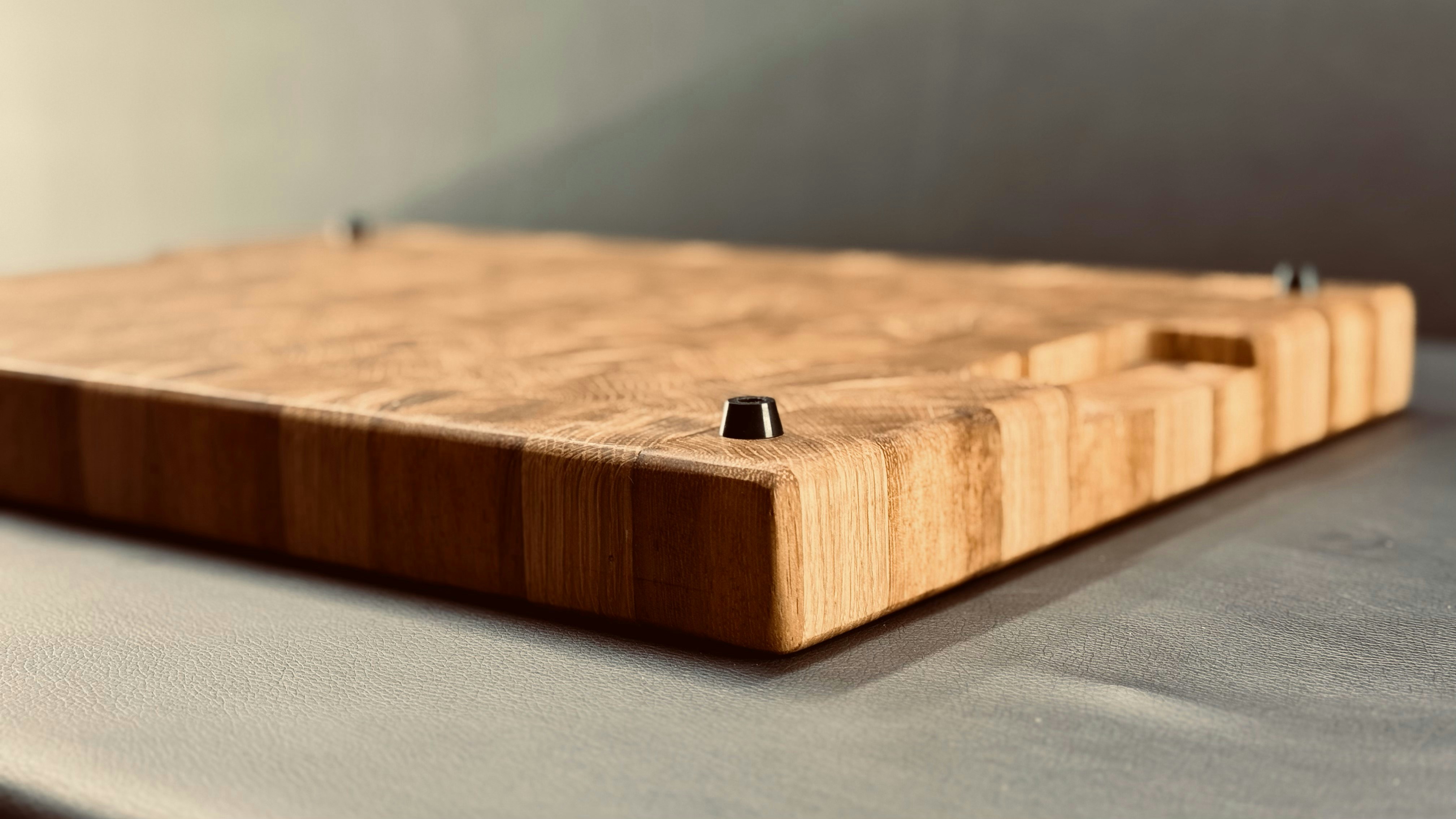
Unlike plastic, which scars permanently, high-quality wood cutting boards exhibit remarkable resilience. This is especially true for end-grain cutting boards, which are constructed with the wood fibers oriented vertically. When a knife slices into an end-grain surface, the blade slips between the fibers rather than cutting through them. The fibers then close back up after the knife is lifted, a "self-healing" property that significantly reduces the formation of deep, permanent grooves. This keeps the surface smoother for longer and provides fewer places for bacteria to hide.
This self-healing nature also makes wood boards exceptionally knife-friendly. A wooden surface has a slight "give" that cushions the blade's edge, preventing it from dulling quickly. Plastic, on the other hand, is more abrasive and can cause the fine edge of a knife to roll or chip, requiring more frequent sharpening. A well-made wood board preserves the investment you've made in quality knives.
Inherent Antibacterial Properties of Quality Hardwoods (e.g., Hard Rock Maple)
The most remarkable quality of certain hardwoods is their natural ability to combat bacteria. Landmark research from the University of Wisconsin discovered that wooden cutting boards can actually kill bacteria. When bacteria from food, such as E. coli or Salmonella, are deposited on a wood surface, the wood's porous fibers draw the fluid and bacteria down below the surface via capillary action. Once trapped within the wood, the bacteria are unable to multiply and eventually die as the board dries. Studies have shown that 99.9% of bacteria on a wooden board can die within minutes, while on a plastic board, they can persist and even multiply in knife grooves.
Hardwoods like hard rock maple are particularly effective. Their tight, dense grain structure makes them resistant to moisture absorption and provides fewer opportunities for bacteria to penetrate deeply. Additionally, some woods contain natural antimicrobial compounds, like tannins, that further inhibit bacterial growth. In contrast, a scarred plastic surface provides a safe, moist harbor where pathogens can thrive, making it significantly less hygienic than a well-maintained wooden board.
Chopaid's Recommended Materials: Stainless Steel, Platinum Silicone, and Sustainable Wood
To achieve the highest standards of kitchen hygiene, we advocate for moving beyond plastic and embracing materials proven to be safer, more durable, and more eco-friendly. Here are the top alternatives we recommend:
Sustainable Wood: As detailed above, hardwoods like North American hard rock maple offer a self-healing, knife-friendly, and naturally antibacterial surface. Look for boards from sustainable sources to ensure an environmentally responsible choice. A well-cared-for wooden board can last for decades, making it a sustainable and cost-effective investment in your kitchen's health.
Food-Grade Stainless Steel: For tasks involving raw meat, poultry, and fish, stainless steel is an outstanding non-porous option. It's incredibly durable, resistant to deep scratches, and can be sanitized completely with ease. While it is harder on knives than wood, its hygienic properties are unmatched for high-risk foods. It can withstand high-temperature washing and harsh cleaning agents without degrading, warping, or leaching chemicals.
Platinum Silicone: For flexible kitchen tools like spatulas, mats, and molds, platinum-cured silicone is a far safer choice than plastic. Unlike plastic, it is a stable material that does not leach harmful chemicals or microparticles, even at high temperatures. It's durable, non-stick, and easy to clean, providing all the convenience of plastic without the associated health risks. Make sure to choose 100% platinum silicone, as cheaper fillers can compromise its safety.
By integrating these superior materials into your kitchen, you replace the hidden risks of plastic with the proven safety and performance of tools designed for a lifetime of healthy cooking.
Maintaining Optimal Kitchen Hygiene with Chopaid: Beyond the Anti-bacterial Plastic Cutting Board Myth
Choosing the right materials is the first and most crucial step toward true kitchen hygiene. However, even the best tools require proper care to maintain their safety and longevity. Moving past the flawed promise of "anti-bacterial plastic" involves adopting cleaning and maintenance routines that genuinely protect your family's health. This is central to the Chopaid philosophy: empowering home cooks with both the right tools and the right knowledge.
Proper Care and Maintenance for Wooden Cutting Boards
A high-quality wooden cutting board is a lifetime investment that gets better with age, but only if cared for correctly. Unlike plastic, which degrades with every wash, proper maintenance enhances a wood board's natural protective qualities.
Cleaning, Drying, and Oiling for Long-lasting Protection
Follow these simple steps to keep your wooden board clean, beautiful, and hygienic for years to come.
- Cleaning: Immediately after each use, wash the board with hot, soapy water and a scrub brush. Pay extra attention to any visible food particles. Never put a wooden cutting board in the dishwasher or let it soak in the sink; the prolonged exposure to heat and water will cause it to warp and crack.
- Sanitizing (Especially after raw meat): For an extra layer of protection, you can sanitize the board after washing. A simple and effective method is to spray it with a solution of one part white vinegar to four parts water. Let it sit for a few minutes, then rinse and dry. This helps kill bacteria like E. coli and Salmonella without harsh chemicals.
- Drying: This step is critical. After washing and rinsing, wipe the board with a clean towel and then stand it on its edge in a dish rack or prop it against a wall. This allows air to circulate freely around all surfaces, ensuring it dries completely. Trapped moisture is the primary cause of warping and can encourage bacterial growth.
- Oiling and Conditioning: A well-oiled board is a well-protected board. Oiling repels water and prevents the wood from drying out and cracking. About once a month (or more often if it looks dry and pale), apply a generous coat of food-grade mineral oil. Let it soak in for a few hours or overnight, then wipe off any excess. Avoid using cooking oils like olive or vegetable oil, as they can go rancid. For an extra layer of protection, you can follow the oil with a board cream containing beeswax, which creates a protective surface barrier.
| Care Step | Frequency | Why It's Important | Best Practice |
|---|---|---|---|
| Cleaning | After Every Use | Removes food particles and surface bacteria. | Hand wash with hot, soapy water and a brush. |
| Sanitizing | After Raw Meat | Kills harmful pathogens like Salmonella and E. coli. | Spray with a 1:4 vinegar-to-water solution. |
| Drying | After Every Wash | Prevents warping, cracking, and moisture retention. | Towel dry, then stand on its edge to air dry completely. |
| Oiling | Monthly | Prevents wood from drying/cracking and repels water. | Apply food-grade mineral oil generously, let soak, wipe excess. |
NSF Certifications: What to Look for in a Truly Safe Board
When shopping for a cutting board or any kitchen equipment, seeing the NSF certification mark is a powerful indicator of safety and quality. NSF International (formerly the National Sanitation Foundation) is an independent organization that develops public health standards and certification programs to help protect the world’s food, water, and consumer products.
For a cutting board to earn NSF certification, it must undergo rigorous testing to meet strict standards for material safety, design, and performance. This certification verifies several key attributes:
- Material Safety: The material is non-toxic and will not leach harmful chemicals into food.
- Cleanability: The board is designed and constructed to be easily cleaned and sanitized, with a non-porous surface that resists harboring bacteria.
- Durability: The board is durable and can withstand the rigors of a commercial kitchen environment without easily chipping, cracking, or warping.
While often associated with commercial kitchens, NSF-certified products give home cooks the same peace of mind. The NSF mark shows that the product and its manufacturing facility have been tested and approved to meet standards designed to promote public health. It's an assurance that you are investing in a tool that is verifiably safe for food contact.

Eco-Friendly and Health-Conscious Choices for All Your Kitchen Tools
Achieving a truly hygienic kitchen goes beyond the cutting board. It involves a holistic re-evaluation of all the tools that come into contact with your food. The principles that make plastic a poor choice for cutting boards—chemical leaching, bacterial harboring, and environmental impact—apply to a wide range of kitchen utensils.
Transitioning to a healthier kitchen involves:
- Replacing plastic utensils: Swap plastic spatulas, spoons, and tongs for alternatives made from stainless steel, sustainable wood, or bamboo. These materials are more durable, do not melt, and do not release harmful toxins into your hot food.
- Choosing safer food storage: Use glass, stainless steel, or ceramic containers for storing food, especially for hot leftovers or for microwaving.
- Being mindful of cookware: Opt for cast iron, stainless steel, or ceramic-coated pans instead of non-stick pans with coatings that can degrade and release fumes at high temperatures.
Making conscious, informed choices allows you to create a kitchen environment where every tool supports your family's health and well-being, while also being kinder to the planet.
Frequently Asked Questions (FAQ)
Q1: Can I ever safely use a plastic cutting board? A new, unused plastic cutting board is non-porous and can be sanitized effectively. However, as soon as it develops knife scratches—which happens with normal use—it becomes a potential haven for bacteria and can shed microplastics. If you must use plastic, it's best reserved for low-risk foods like fruits and vegetables and should be replaced as soon as it shows significant wear.
Q2: How do I safely prepare raw meat? The best practice to prevent cross-contamination is to use a dedicated, non-porous cutting board exclusively for raw meat, poultry, and fish. A food-grade stainless steel board is an excellent choice for this purpose as it is extremely durable and can be completely sanitized. If using a wooden board, be sure to clean and sanitize it thoroughly immediately after use.
Q3: Is a bamboo cutting board a good alternative? Bamboo boards are often marketed as an eco-friendly option. While they are harder and less porous than some woods, they are technically a grass laminated together with adhesives. These glues can sometimes contain undesirable chemicals. Additionally, the hardness of bamboo can be more dulling on knife edges compared to hardwoods like maple. A high-quality, solid hardwood board is generally a superior choice for both hygiene and knife care.
Q4: How often should I replace my cutting board? For plastic boards, they should be replaced as soon as they have deep, hard-to-clean grooves or feel "fuzzy" to the touch. A warped plastic board should also be discarded immediately as it is a safety hazard. A high-quality wooden board, if properly cleaned, dried, and oiled, can last for many years, even decades. It can often be resurfaced by sanding if it develops minor wear, further extending its life.
Q5: Is it true that wood absorbs bacteria and is therefore unsanitary? While wood is porous, this property works to its advantage. Studies show that wood's capillary action pulls bacteria beneath the cutting surface, where they become trapped and die as the wood dries out. In contrast, bacteria on a plastic surface remain in knife grooves, where they can survive and multiply. Therefore, a properly maintained wooden board is often more hygienic than a used plastic one.
Conclusion
When it comes to something as vital as kitchen hygiene, the idea of a foolproof "anti-bacterial plastic cutting board" often presents more challenges than it solves. The reality of knife grooves harboring bacteria, the shedding of microplastics, and the leaching of harmful chemicals demonstrates that plastic is far from the ideal choice for a food preparation surface.
We believe that informed choices, guided by science and a commitment to health, lead to a safer home environment for everyone. By understanding the real-world performance of different materials, we can move beyond marketing myths and embrace genuinely hygienic solutions.
Opting for superior materials like high-quality sustainable wood, food-grade stainless steel, and platinum-cured silicone—and adhering to proper care and maintenance routines—ensures that we truly achieve the lasting kitchen hygiene we strive for. Making this switch is not just an upgrade for your kitchen tools; it's a meaningful investment in the health and safety of your family.