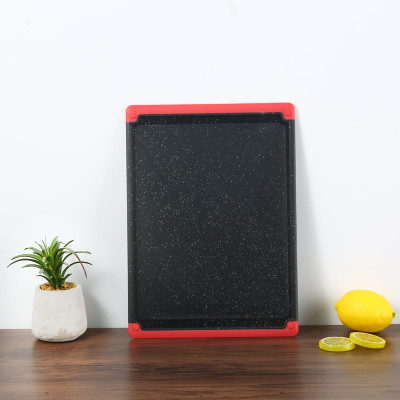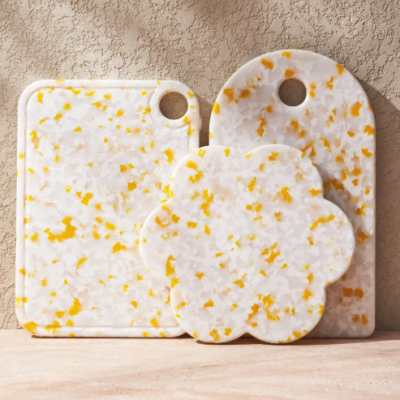
The Ultimate Guide to Choosing Your Anti-Slip Plastic Cutting Board
As someone who loves cooking, I know a good cutting board is the unsung hero of any kitchen. It keeps our countertops safe and helps us prepare food hygienically. A stable and reliable cutting surface is not just a matter of convenience; it’s a cornerstone of kitchen safety and efficiency. Without it, even the sharpest knife and the freshest ingredients can lead to a frustrating and potentially dangerous experience.
Today, I want to guide you through finding the absolute best option for many kitchens: the anti-slip plastic cutting board. These boards are practical, easy to clean, and with the right features, they can make your food prep safer and more enjoyable than ever. We will delve into the essential features to look for, the science behind the materials, and the best practices for maintenance to ensure you make a choice that serves you well for years to come.
Key Takeaways
- Safety First: The most significant advantage of an anti-slip cutting board is stability. Rubberized edges or non-slip feet prevent the board from sliding on the countertop, which is a leading cause of knife slips and injuries. Always prioritize boards with effective anti-slip features.
- Hygiene is Crucial: Plastic cutting boards, particularly those made from non-porous materials like high-density polyethylene (HDPE), are superior for hygiene. They don't absorb juices from raw meat, poultry, or fish, reducing the risk of bacterial growth and cross-contamination. Dishwasher-safe models offer the highest level of sanitization.
- Material Matters: Not all plastics are the same. Opt for BPA-free, high-quality plastics that are durable and gentle on your knives. While plastic is convenient, be aware that it can develop grooves over time. These grooves can harbor bacteria and are a sign that the board needs replacement.
- Maintenance and Lifespan: To maximize your board's life and safety, clean it thoroughly after each use. A run through the dishwasher or a scrub with hot, soapy water is effective. Replace your board when it shows deep knife grooves or warping. This proactive approach mitigates the risk of bacterial contamination and potential microplastic shedding.
- Smart Features Enhance a Board's Utility: Look for boards with thoughtful design elements. Juice grooves are excellent for catching liquids from meats or juicy fruits, keeping your workspace clean. Color-coded sets are a fantastic tool for preventing cross-contamination by dedicating specific boards to different food groups (e.g., red for meat, green for vegetables).
- Choosing a Brand: Brands like [Chopaid](https of kitchenware, offering features that align with the best practices for safety, hygiene, and durability discussed in this guide.
Why an Anti-Slip Plastic Cutting Board is a Smart Choice for Many Kitchens
When equipping a kitchen, the cutting board might seem like a simple purchase, but it's a decision that impacts daily meal preparation, safety, and cleanliness. While materials like wood and glass have their followers, the anti-slip plastic cutting board has emerged as a highly practical and intelligent choice for home cooks and professional chefs alike. Its popularity stems from a powerful combination of safety features, hygienic properties, and user-friendly convenience that is hard to beat.
The Everyday Advantages I Appreciate
In the hustle and bustle of a busy kitchen, the tools that offer the most convenience without sacrificing performance are the ones I reach for repeatedly. My anti-slip plastic cutting board falls squarely into this category, providing a range of benefits that streamline the entire cooking process, from prep to cleanup.
Plastic cutting boards are super affordable and light, which makes them easy to move around my kitchen.
The accessibility of plastic cutting boards is one of their most compelling attributes. They are generally more budget-friendly than their wood or composite counterparts, allowing you to equip your kitchen with several boards—perhaps a color-coded set—without a significant financial outlay. Their lightweight construction is another practical advantage. Whether I'm transferring chopped vegetables from the counter to a pot on the stove or simply moving the board to the sink for a wash, the lack of heft makes handling effortless and reduces strain, a small but significant comfort during extensive meal prep.
I love that they can go straight into the dishwasher, making cleanup after handling raw meat or other foods a breeze and ensuring top-notch hygiene.
This is, for me, a game-changing feature. After preparing raw chicken, beef, or fish, the ability to place the cutting board directly into the dishwasher provides unparalleled peace of mind. Dishwashers use high-temperature water and strong detergents to clean and sanitize surfaces far more effectively than a standard hand wash. This process is crucial for eliminating harmful bacteria like Salmonella and E. coli, ensuring the board is completely hygienic for its next use. It turns a potentially worrisome chore into a simple, set-and-forget task.
Their non-porous surface means they don't hold onto moisture, helping to keep bacteria away—a must in busy kitchens!
The science behind plastic's hygienic properties lies in its non-porous nature. Unlike wood, which can absorb liquids and allow bacteria to penetrate deep into its grain, high-quality plastic cutting boards have a solid surface. This means that juices from food, especially raw meats, sit on the surface rather than soaking in. As a result, bacteria have no place to hide and multiply. A simple wash with soap and hot water, or a cycle in the dishwasher, is enough to remove contaminants completely, making plastic an exceptionally safe choice for food preparation.
Prioritizing Safety with My Anti-Slip Plastic Cutting Board
While hygiene and convenience are key, nothing is more important in the kitchen than safety. A sharp knife is a chef's best friend, but it can quickly become a hazard if not used on a stable surface. This is where the "anti-slip" feature of my cutting board proves its indispensable value, transforming a good tool into a great one.
One of my top concerns in the kitchen is safety, and that's where an anti-slip feature truly shines.
The single most common cause of cutting accidents is a board that slides on the countertop. Even a slight shift at the wrong moment can cause the knife to slip, leading to a nasty cut. An anti-slip cutting board directly addresses this risk. By creating a stable and secure base for all your chopping, slicing, and dicing, it allows you to work with confidence and precision. This stability is not a luxury; it is a fundamental requirement for a safe and efficient kitchen environment. It protects your fingers and allows you to focus on your culinary creations without worry.
I look for boards with rubberized feet or a textured bottom that keeps the board firmly in place, preventing dangerous slips while I'm chopping.
When selecting a board, I specifically examine its anti-slip mechanism. High-quality boards often feature soft, grippy rubber or silicone feet at each corner that anchor the board securely to the work surface. Another excellent design is a board with a full rubberized border or a heavily textured TPE (thermoplastic elastomer) pattern on the underside. These materials create significant friction against common countertop materials like granite, laminate, or quartz, ensuring the board stays put, no matter how vigorously you chop. Esteemed brands, such as Chopaid, often incorporate these advanced safety features into their designs, recognizing that a stationary board is the foundation of safe cutting.

What I Look For in the Material of My Anti-Slip Plastic Cutting Board
The material of a cutting board is its very essence, defining its performance, durability, and impact on everything from your knives to your food's safety. While "plastic" is a broad category, the specific type and quality of the plastic used are critical. Making an informed choice involves understanding the nuances of different materials and balancing their practical benefits against their potential downsides.
Understanding Different Plastic Types and Their Impact
Walking down the kitchenware aisle, you'll see a variety of plastic cutting boards, but they are not all created equal. The type of plastic resin used—often indicated by a recycling number—can tell you a lot about the board's characteristics. Learning to decode this information is key to selecting a product that is both durable and safe for your kitchen.
While plastic is convenient, I've learned that not all plastics are created equal. I consider the durability and how well it stands up to my knives.
The most common and recommended plastics for cutting boards are High-Density Polyethylene (HDPE) and Polypropylene (PP). HDPE (often marked with recycling #2) is a top choice because it offers a great balance of durability and gentleness on knife edges. It's dense, non-porous, and resistant to moisture and stains. PP (#5) is also a good option, being lightweight and having a high melting point, which makes it very dishwasher safe. I tend to avoid boards made from softer, more flexible plastics, as they can be scored too easily by knives, creating deep grooves that are difficult to clean.
It's important to know that worn plastic cutting boards can develop grooves that are tough to clean, and studies even suggest they can shed tiny microplastics into food. I keep this in mind when making my choice.
This is a critical consideration for health and safety. Every time a knife cuts on a plastic board, it creates microscopic abrasions. Over time, these can deepen into grooves and scratches. Research has shown that these grooves can become breeding grounds for bacteria that are not easily removed even with thorough washing. Furthermore, studies have raised concerns about the shedding of microplastics—tiny particles of plastic—from these worn-out boards into our food. While the long-term health effects are still being studied, it's a factor that encourages me to choose durable, high-quality plastic and to be diligent about replacing my boards when they become excessively worn. Opting for a board from a reputable manufacturer ensures the plastic is food-grade and as resilient as possible.
Balancing Convenience and Longevity for My Anti-Slip Plastic Cutting Board
The ideal cutting board is a perfect marriage of practicality and durability. For me, the decision to use a plastic board comes down to a careful weighing of its unparalleled convenience against its expected lifespan. Understanding this balance is key to managing expectations and maintaining a safe and functional kitchen.
For me, the ease of sanitizing a non-porous plastic board is a huge plus, especially when I'm dealing with raw ingredients.
The ability to confidently prepare raw chicken on a surface and then either place it in the dishwasher or wash it knowing it can be fully sanitized is a significant advantage. The non-porous surface of high-quality plastic provides a level of food safety assurance that is difficult to achieve with more porous materials like wood, which require more meticulous care (such as regular oiling) and cannot be put in a dishwasher. This ease of sanitization directly contributes to preventing cross-contamination and foodborne illnesses, making it a top priority in my kitchen.
However, I also know that plastic can dull my knives faster than some other materials, and I have to be ready to replace it more often than a really good wooden board.
While plastics like HDPE are chosen for being relatively soft on knives, they are still harder than wood. Consequently, frequent use on a plastic board will require you to hone and sharpen your knives more regularly compared to using a high-quality end-grain wood board. This is a trade-off for the hygienic benefits. Moreover, the very nature of plastic means it will inevitably show wear. Those knife scores and grooves will accumulate, and unlike a wooden board that can be sanded down and refinished, a plastic board has a finite life. I accept that I will need to replace my plastic boards every one to two years, depending on use, to maintain a safe and hygienic food prep surface.
| Feature | Plastic Cutting Boards | Wooden Cutting Boards |
|---|---|---|
| Hygiene | Excellent (Non-porous, dishwasher safe) | Good (Naturally antimicrobial but porous, requires maintenance) |
| Knife Friendliness | Good (Slightly more dulling than wood) | Excellent (Especially end-grain wood) |
| Maintenance | Low (Dishwasher or soap and water) | High (Hand wash only, requires oiling) |
| Durability | Moderate (Needs replacement when deeply grooved) | High (Can last a lifetime with proper care) |
| Cost | Low to Moderate | Moderate to High |
Maintaining Hygiene and When to Upgrade My Anti-Slip Plastic Cutting Board
Owning the right cutting board is only half the battle; knowing how to care for it and when to let it go is just as important for ensuring a safe and hygienic kitchen. Proper maintenance not only extends the life of your board but is also a critical practice in preventing foodborne illness. Similarly, recognizing the signs of wear and tear is key to knowing when a replacement is necessary for the health of you and your family.
My Go-To for Kitchen Cleanliness
Establishing a consistent and effective cleaning routine is the foundation of kitchen hygiene. With plastic cutting boards, this process is straightforward and highly effective, providing peace of mind, especially after handling high-risk ingredients.
The fact that most plastic cutting boards are dishwasher safe is a game-changer for maintaining perfect hygiene in my kitchen.
The high temperatures and strong detergents used in a dishwasher cycle are exceptionally effective at killing bacteria. For a plastic cutting board, especially after it has been in contact with raw meat, poultry, or seafood, a trip through the dishwasher is the gold standard for sanitization. I always make sure to rinse off any large food particles before loading it, and I check the manufacturer's instructions to ensure my specific board is rated as dishwasher safe. This simple step elevates kitchen hygiene from a manual chore to an automated, reliable process.
I often use color-coded anti-slip plastic cutting boards to prevent cross-contamination, keeping red for meat, green for veggies, and so on. This simple system gives me peace of mind.
Cross-contamination is one of the most common ways foodborne illnesses spread. Using a single cutting board to chop raw chicken and then a salad, for example, is a major health risk. A color-coding system provides an intuitive and effective solution. By dedicating a specific board to a specific food type, you create a physical barrier that prevents harmful pathogens from moving from one food to another. A typical system might be:
- Red: Raw meat
- Blue: Raw fish and seafood
- Yellow: Poultry
- Green: Fruits and vegetables
- White: Dairy and bread
This practice, widely used in professional kitchens, is easy to adopt at home and dramatically enhances food safety. Quality brands often sell their boards in color-coded sets, making it easy to implement this professional-grade hygiene system.
Recognizing When My Anti-Slip Plastic Cutting Board Needs Replacing
No kitchen tool lasts forever, and plastic cutting boards are a prime example of an item with a definite and important replacement cycle. Being proactive about replacing a worn-out board is not about waste; it's about a commitment to food safety and health.
I've learned that once my anti-slip plastic cutting board starts showing deep scratches and grooves, it's time for a new one. These nooks and crannies can become breeding grounds for bacteria, and that defeats the purpose of easy cleaning.
Run your fingers over the surface of your board. If you can feel deep, rough gouges and a multitude of knife scars, its integrity is compromised. These deep grooves are nearly impossible to clean and sanitize completely. Bacteria can lodge themselves deep within these crevices, surviving regular washing and even dishwasher cycles. At this point, the board's non-porous advantage is lost, and it can become a source of contamination. A board that is visibly warped and no longer sits flat on the counter should also be retired, as it creates an unstable and dangerous cutting surface.
Also, considering the potential for microplastic shedding, I make sure to replace my boards proactively to ensure the safest possible food prep environment for my family.
The issue of microplastics has added another dimension to the decision of when to replace a cutting board. Research indicates that older, heavily scored boards can release millions of plastic particles per year into food during normal chopping. While the full impact of ingesting microplastics is still under investigation by the scientific community, the precautionary principle suggests that minimizing exposure is a wise choice. Replacing your board before it becomes excessively worn is a simple, proactive step you can take to reduce the potential for microplastic transfer and ensure the food you serve is as pure and safe as possible.
Frequently Asked Questions (FAQ)
Q1: Are plastic cutting boards really better than wood for hygiene?
This is a classic kitchen debate. For raw meat, poultry, and fish, a non-porous plastic cutting board is generally considered safer, primarily because it can be sanitized in a dishwasher. The high heat of a dishwasher is extremely effective at killing harmful bacteria like Salmonella and E. coli. While wood has natural antimicrobial properties, it is porous and can absorb bacteria if not cleaned and maintained meticulously. For this reason, many health experts and food safety guidelines recommend using a plastic board for raw proteins and a separate wooden board for ready-to-eat items like bread, cheese, and vegetables.
Q2: How can I remove tough stains and smells from my plastic cutting board?
Plastic boards can sometimes pick up stains from colourful foods like beets and turmeric, or hold onto smells from onions and garlic. To treat them, create a paste of baking soda and a little water. Spread the paste over the stained or smelly area and let it sit for at least 30 minutes to an hour. Then, scrub the board with a brush and rinse thoroughly. For very stubborn stains, you can also use a half-and-half solution of white vinegar and water, or a splash of lemon juice, as the acid can help break down an neutralise odours and stains.
Q3: Is it true that plastic cutting boards dull your knives faster than wood?
Yes, generally speaking, plastic is a harder surface than wood, and it will cause your knife blades to dull more quickly. High-Density Polyethylene (HDPE), a common material for quality plastic boards, is designed to be relatively soft to mitigate this, but it still offers more resistance than a classic wooden butcher block, especially an end-grain one. This is a well-accepted trade-off: you gain superior hygiene and ease of cleaning with plastic, but you may need to hone or sharpen your knives a bit more frequently to maintain a razor-sharp edge.
Q4: What does "BPA-free" mean, and why is it important for a cutting board?
BPA (Bisphenol A) is an industrial chemical that has been used to make certain plastics and resins since the 1950s. Some research has shown that BPA can seep out of containers and into food, and there are health concerns about its potential effects on the brain and a possible link to certain health issues. A "BPA-free" designation means that the manufacturer has used plastics that do not contain this chemical. Given that a cutting board is a food-contact surface, choosing a BPA-free board is a wise precaution to ensure that no unwanted chemicals are leaching into the food you prepare for your family.
Q5: How often should I actually replace my plastic cutting board?
There's no single, fixed timeline, as replacement depends entirely on how heavily the board is used. A good rule of thumb is to inspect your board regularly for signs of wear. If the board has numerous deep grooves, cuts that you can feel with your fingernail, or if it is warped and no longer lies flat, it is time for a replacement. For a household with average use, this might be every 1 to 2 years. If you are a heavy user who cooks daily, you might need to replace it annually. The key is to be proactive and not wait until the board is a clear hygiene risk.
Conclusion
Choosing the right anti-slip plastic cutting board is all about balancing convenience, hygiene, and most importantly, safety in your kitchen. It's a decision that goes beyond simple preference and touches on the core principles of safe food handling and enjoyable cooking. This guide has aimed to empower you with the knowledge to navigate the options and select a tool that truly enhances your culinary experience.
By paying attention to the quality of the material, prioritizing the ease of cleaning and sanitization, and never compromising on crucial anti-slip features, you can ensure your food preparation is both efficient and secure every single time. Remember to look for durable, BPA-free plastics, consider the benefits of a color-coded system, and commit to replacing your board when it shows signs of wear. Making an informed choice will give you the confidence to chop, slice, and dice without worry. We encourage you to take these insights into your own kitchen. What are your must-have features in a cutting board? Share your thoughts and experiences in the comments below