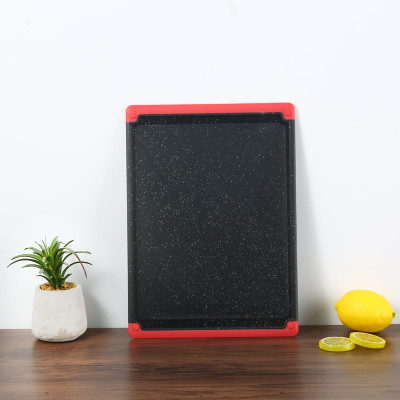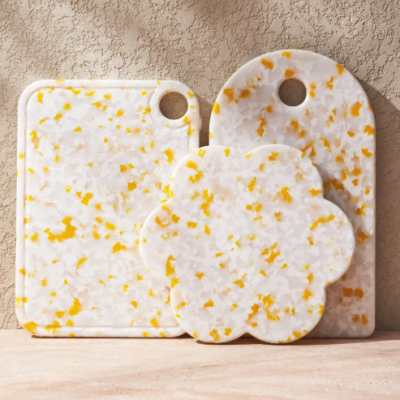
The Ultimate Guide to Cleaning and Maintaining Your Plastic Chopping Board for a Hygienic Kitchen
The Ultimate Guide to Cleaning and Maintaining Your Plastic Chopping Board
Your plastic chopping board is a workhorse in the kitchen. It bears the brunt of every slice, dice, and chop, protecting your countertops and knife edges. But with this heavy use comes a critical responsibility: keeping it clean and hygienic. Deep knife grooves can become breeding grounds for bacteria, and lingering stains or odors can be a sign of trouble. This guide provides an expert look into the best practices for cleaning, sanitizing, and maintaining your plastic chopping boards to ensure they remain a safe tool in your culinary arsenal.
The Hygiene Debate: Plastic vs. Wood Chopping Boards
For years, a common myth suggested plastic boards were inherently more sanitary than wood because they are non-porous and often dishwasher-safe. However, research has shown the reality is more nuanced. While new plastic boards are easy to clean, they quickly develop knife scars. These grooves can trap moisture and bacteria, making them difficult to sanitize effectively. Studies have found that bacteria can survive and even multiply inside these cuts. In contrast, some hardwoods have natural antimicrobial properties that can help kill bacteria. The key takeaway for plastic board users is that diligent and proper cleaning isn't just recommended—it's essential for food safety.
Essential Tools for a Squeaky Clean Board
Before you begin, it’s wise to have the right supplies on hand. A well-stocked cleaning kit ensures you can tackle everything from a quick rinse to a deep sanitization session. Here’s what you’ll need:
- Hot Water and Dish Soap: Your first line of defense for daily cleaning.
- A Stiff-Bristled Brush: A sponge or cloth can't get into knife grooves; a brush is a must-have for effective scrubbing.
- White Vinegar: A natural disinfectant and deodorizer.
- Baking Soda: Excellent for creating a gentle abrasive paste to lift stains and neutralize odors.
- 3% Hydrogen Peroxide: A food-safe option for stain removal and sanitization.
- Unscented Liquid Bleach (Optional): For powerful, occasional disinfection when used correctly and in a diluted form.
- Paper Towels or a Clean Cloth: For thorough drying.
Your Daily Cleaning Routine: A Simple Must-Do
The most important step in maintaining your chopping board is cleaning it immediately after each use. Don't let food particles dry and embed themselves into the surface. The process is simple but crucial.
- Pre-Rinse: Scrape off any large food debris and rinse the board under hot running water.
- Scrub: Apply a generous amount of dish soap and scrub the entire surface, front and back, with a stiff brush and hot water. Pay special attention to any visible knife marks.
- Rinse Thoroughly: Rinse off all the soap suds with clean, hot water.
- Dry Properly: This step is vital. Dry the board with a clean towel or paper towels, and then allow it to air dry completely, preferably in an upright position. Storing a damp board can encourage bacterial growth.
How to Properly Sanitize Your Plastic Chopping Board
Sanitizing is a step beyond cleaning; it’s about killing harmful bacteria that may linger after washing, especially after preparing raw meat, poultry, or fish. You should sanitize your board regularly.
- Boiling Water: One of the simplest methods is to carefully pour boiling water over the entire surface of the board after washing. This helps kill off lingering bacteria in the scratches.
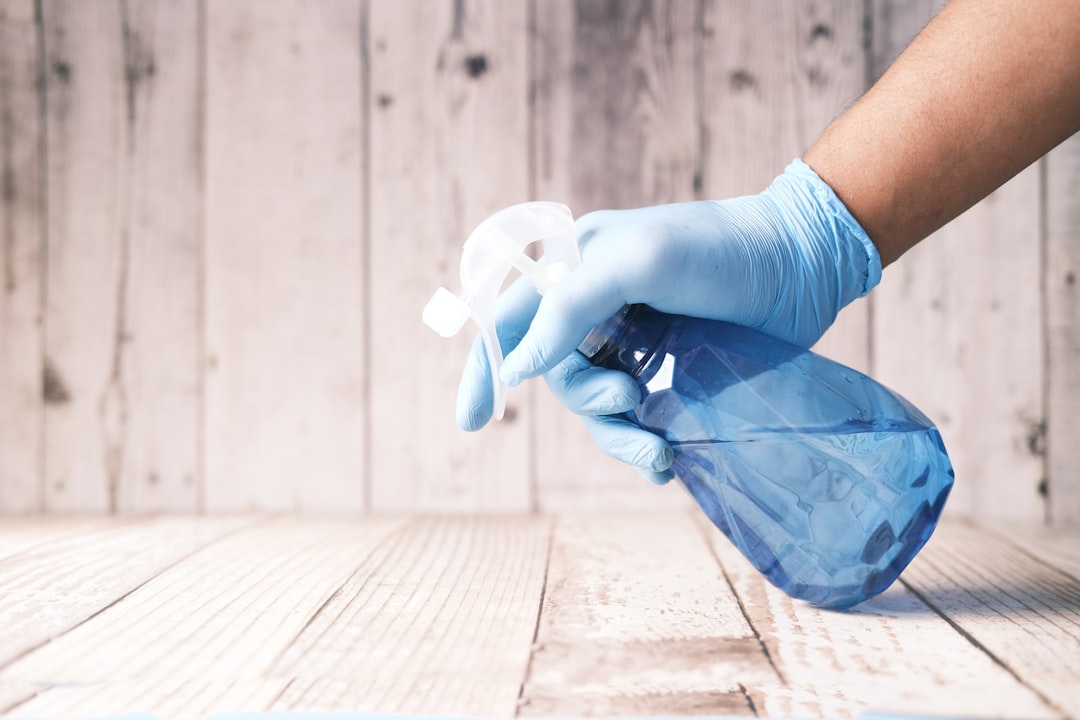
- Vinegar Solution: For a natural disinfectant, spray the board with a solution of equal parts white vinegar and water. Let it sit for at least 5-10 minutes before rinsing.
- Hydrogen Peroxide: Alternatively, you can spray the board with 3% hydrogen peroxide. Let it sit for a few minutes to bubble and work its magic, then rinse and dry.
- Bleach Solution (Use with Caution): For heavy-duty sanitation, you can use a solution of one tablespoon of unscented liquid chlorine bleach per gallon of water. Pour the solution over the board or soak it for a few minutes, then rinse thoroughly with water and let it air dry completely.
Deep Cleaning: Tackling Tough Stains
Over time, foods like carrots, tomatoes, or turmeric can leave stubborn stains. A deep-cleaning paste can restore your board's appearance. The most effective method combines baking soda, dish soap, and hydrogen peroxide.
- Create the Paste: In a small bowl, mix together approximately 4 tablespoons of baking soda, 1 tablespoon of dish soap, and 2 tablespoons of 3% hydrogen peroxide. It should form a spreadable paste.
- Apply and Wait: Spread the paste evenly over the stained areas of the board, using your brush to work it into the grooves.
- Let it Sit: Let the paste sit on the board for several hours, or even overnight for very tough stains. The longer it sits, the more effective it will be.
- Rinse and Wash: Rinse the paste off and give the board a final wash with hot, soapy water to remove any residue.
Removing Persistent Odors
Garlic, onions, and fish can leave their pungent aromas behind. Fortunately, there are several effective ways to deodorize your plastic chopping board.
- Baking Soda Paste: Mix baking soda with a little water to form a thick paste. Scrub it all over the board, let it sit for about 15 minutes, and then rinse. Baking soda is a natural odor absorbent.
- Lemon and Salt: Cut a lemon in half. Sprinkle coarse salt over the board, and then use the lemon half to scrub the surface. The salt acts as an abrasive, and the lemon's acidity helps neutralize odors.
- White Vinegar Spray: As mentioned in sanitizing, a spray of white vinegar is also highly effective at eliminating smells.
Is Your Plastic Chopping Board Dishwasher Safe?
Many, but not all, plastic chopping boards are dishwasher safe. Using the dishwasher on a hot cycle is an excellent way to both clean and sanitize your board. However, you must check the manufacturer’s instructions. Very high heat can cause some thinner or lower-quality plastic boards to warp, making them unstable and unsafe to use. If your board is not certified as dishwasher safe, stick to hand washing. High-density polyethylene plastic boards are generally more resilient to high temperatures.
The Art of Preventing Cross-Contamination
One of the biggest risks in any kitchen is cross-contamination, where bacteria from raw meats spread to ready-to-eat foods like vegetables or bread. The best way to prevent this is to use a color-coded system. Many professional kitchens use this strategy, and it's easy to adopt at home.
| Board Color | Recommended Use |
|---|---|
| Red | Raw Meat |
| Yellow | Raw Poultry |
| Blue | Raw Seafood |
| Green | Fruits and Vegetables |
| White | Dairy and Bread |
Using separate boards dramatically reduces the risk of foodborne illness. If you only have one board, always prepare produce first, then wash and sanitize the board thoroughly before using it for raw meat.
Know the Signs: When Is It Time to Replace Your Board?
No chopping board lasts forever. Even with perfect cleaning, a plastic board will eventually wear out. Using a damaged board is a significant hygiene risk. Here are the clear signs it’s time for a replacement:
- Deep Knife Grooves: This is the most critical sign. If your board has deep, heavy scarring that a brush can no longer clean effectively, it's time to discard it. Run your fingernail across the surface; if it catches in numerous deep grooves, the board is compromised.
- Permanent Stains: If stains from mold or food no longer come out despite deep cleaning, the board is past its prime.
- Persistent Odors: When smells are trapped and won't wash out, it means old food particles are permanently embedded.
- Warping or Cracking: A warped board is unstable and dangerous for cutting. Cracks are impossible to clean and will harbor bacteria.
Generally, a heavily used plastic chopping board may need to be replaced every 1-2 years.
Final Pro-Tips for Longevity and Safety
- Dry Upright: Always store your boards upright in a drying rack or on their side to ensure complete air circulation and prevent moisture from getting trapped.
- Avoid Extreme Heat: Unless dishwasher-safe, don't soak your board in scalding water for long periods, as this can cause it to warp.
- Use a Brush, Not a Sponge: A scrubbing brush is far more effective at reaching into the tiny grooves where bacteria hide.
By incorporating these cleaning and maintenance practices into your kitchen routine, you can ensure your plastic chopping board remains a safe and reliable tool for years to come.