The Ultimate Guide to Wooden vs. 3 Piece Plastic Cutting Boards
As someone who spends a lot of time in the kitchen, I know that a good cutting board isn't just a kitchen tool—it's an investment that impacts your cooking experience and your knife's performance. The debate between wooden and plastic cutting boards is ongoing, and many people wonder which is truly better for their kitchen, especially when considering a versatile 3 piece plastic cutting board set. In this guide, I'll share my personal insights and the facts to help you understand the pros and cons of both, so you can make an informed decision for your own culinary adventures.
Key Takeaways
| Feature | Wooden Cutting Boards | 3 Piece Plastic Cutting Boards |
|---|---|---|
| Knife Friendliness | Excellent, especially end-grain boards which are gentle on blades. | Can dull knives faster, especially when deeply scored. |
| Hygiene | Naturally antimicrobial properties, but porous and requires hand-washing. | Non-porous and dishwasher-safe, but scratches can harbor bacteria. |
| Maintenance | Requires regular oiling and conditioning; hand-wash only. | Easy to clean in the dishwasher; should be replaced when heavily scarred. |
| Best For | General-purpose chopping, bread, vegetables, and serving (charcuterie). | Raw meat, fish, and poultry due to easy sanitization. Color-coded sets prevent cross-contamination. |
| Durability & Lifespan | Can last a lifetime with proper care; can be sanded and refinished. | Limited lifespan; must be discarded when surfaces become difficult to clean. |
| Cost | Generally higher initial investment, particularly for end-grain boards. | More affordable, with multi-piece sets offering great value. |
Why I Value My Chopaid 3 Piece Plastic Cutting Board Set: Practicality and Convenience
For any home cook, the right tools can transform meal prep from a chore into a pleasure. While I appreciate the timeless appeal of a hefty wooden board, I find myself reaching for my Chopaid 3 piece plastic cutting board set for many of my daily tasks. Its practicality, ease of use, and specialized features provide a level of convenience that's hard to beat in a busy kitchen.
The Everyday Advantages of a 3 Piece Plastic Cutting Board
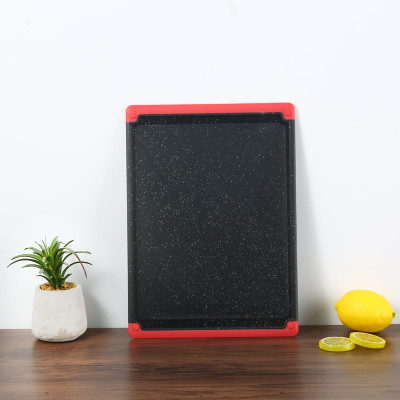
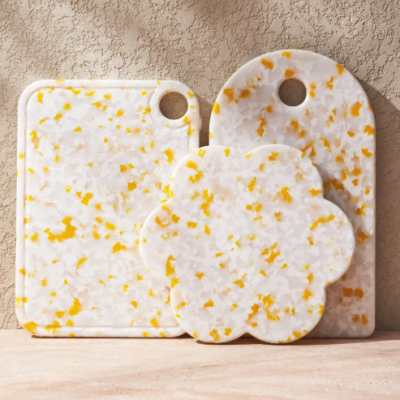
Plastic cutting boards, especially in a multi-piece set, offer incredible versatility. Crafted from materials like high-density polyethylene (HDPE) or polypropylene (PP), they are lightweight, affordable, and designed for the fast pace of modern cooking.
Dishwasher Safe and Easy to Clean: A Lifesaver for Busy Cooks
One of the most significant advantages of plastic cutting boards is how easy they are to clean. After dicing onions or cubing raw chicken, the ability to place the board directly into the dishwasher for a high-heat, sanitizing cycle is a game-changer. Most modern plastic boards are designed to withstand the heat and detergents of a standard dishwasher, which effectively cleans and sanitizes them. The USDA recommends washing boards with hot, soapy water after each use, followed by a rinse and air drying, a process made effortless by a dishwasher. This convenience not only saves time but also provides peace of mind that harmful bacteria have been eliminated.
Ideal for Specific Tasks: My Go-To for Raw Meats and Fruits
The non-porous nature of plastic makes it an ideal surface for handling foods that pose a higher risk of cross-contamination, such as raw meat, poultry, and fish. Unlike wood, plastic doesn't absorb juices, which could otherwise harbor bacteria like Salmonella or E. coli. This is why food safety experts strongly recommend using a separate, non-porous board for raw proteins. Having a 3-piece set allows me to dedicate one board exclusively for this purpose, drastically reducing the risk of transferring pathogens to ready-to-eat foods like fruits and vegetables.
Essential Features: Non-Slip Handles and Overflow Grooves
Modern plastic cutting board sets often come with thoughtful design features that enhance safety and cleanliness. My set includes non-slip handles and feet, which provide a secure grip on the countertop and prevent the board from sliding during vigorous chopping. This stability is crucial for knife safety.
Another indispensable feature is the juice groove, a small channel carved around the perimeter of the board. This groove is designed to catch liquids from juicy fruits like tomatoes or watermelon, or drippings from a resting steak, preventing them from spilling onto the counter. This not only keeps the workspace clean but also helps contain potentially hazardous juices from raw meat, further improving kitchen hygiene.
When to Rethink Your 3 Piece Plastic Cutting Board
Despite their convenience, plastic cutting boards are not without their drawbacks. Understanding their limitations is key to using them safely and knowing when to invest in an alternative.
The Downside of Scratches: When Bacteria Can Hide
The primary drawback of plastic cutting boards is their susceptibility to knife scarring. Every slice and chop creates tiny grooves in the surface. While a new plastic board is smooth and easy to sanitize, a heavily used one becomes a landscape of cuts and scratches. According to Michigan State University Extension, these deep grooves are difficult to clean thoroughly and can become breeding grounds for bacteria like Salmonella and E. coli. Even a run through the dishwasher may not be enough to reach and kill pathogens hiding deep within these crevices.
A recent study also highlighted that these knife cuts can release microplastics into your food. Research has estimated that chopping on plastic boards could expose a person to millions of microplastic particles annually. The U.S. Department of Agriculture (USDA) advises that once a cutting board becomes excessively worn or develops grooves that are hard to clean, it should be discarded to prevent food contamination.
Knife Sharpness: How Plastic Can Affect Your Blades
The hardness of a cutting surface has a direct impact on the longevity of your knife's edge. Generally, plastic is harder than wood, which can cause knives to dull more quickly. While high-quality, soft plastic boards are designed to be gentler, many common plastic boards create more friction and wear on a knife's blade compared to wood or bamboo. Some sharpening professionals note that a knife used daily on plastic may lose its edge in half the time compared to one used on a quality wooden board. For those who invest in high-quality cutlery, especially hard Japanese steel knives, this accelerated dulling can be a significant concern.
Going Beyond Your 3 Piece Plastic Cutting Board Set: The Enduring Appeal of Wooden Boards
While a plastic set covers many bases, there are times when only a wooden cutting board will do. Their stability, knife-friendly nature, and aesthetic warmth make them a cherished tool for both amateur and professional chefs. They represent a long-term investment in your kitchen that, with proper care, can last a lifetime.
Why I Strongly Recommend Wooden Cutting Boards for Stability and Knife Care
There's a reason professional chefs often favor a heavy, thick wooden cutting board: stability. A substantial board made of hardwood offers a solid, unmoving surface that won't slip during chopping, which is crucial for safety and precision. Unlike lightweight plastic boards that can slide on a countertop, a hefty wooden board stays put.
Moreover, wood is significantly kinder to your knife blades. Its natural fibers have a slight "give," which cushions the blade's impact with each cut. This prevents the fine edge from rolling or dulling prematurely. Materials like glass or hard plastic can be abrasive, requiring more frequent knife sharpening. Studies from the University of Wisconsin have also highlighted that wood has natural antimicrobial properties; the porous surface can draw in and trap bacteria, where they eventually die instead of multiplying.
Exploring the Types of Wooden Cutting Boards
Not all wooden boards are created equal. The construction method—face grain, edge grain, or end grain—dramatically affects the board's durability, knife-friendliness, and appearance.
Face Grain Boards: The Economical Choice for Light Use
Face grain boards are constructed with the widest part of the wood plank facing up, showcasing the beautiful, broad patterns of the wood. This method is the simplest and most affordable way to create a cutting board. However, because the knife blade cuts directly across the long wood fibers, these boards show scratches and wear more easily. They are best suited for light tasks like slicing cheese or serving, rather than heavy, daily chopping.
Edge Grain Boards: A Durable Middle Ground for Everyday Chopping
Edge grain boards are made by gluing together long strips of hardwood on their sides, so the narrower "edge" of the grain is exposed as the cutting surface. This construction is more durable and resistant to warping than face grain. Edge grain boards offer a great balance of durability, cost, and knife-friendliness, making them a popular choice for both home cooks and professional kitchens. While they will show knife marks over time, they are significantly more resilient than face grain boards.
End Grain Boards: The Premium Option with 'Self-Healing' Properties
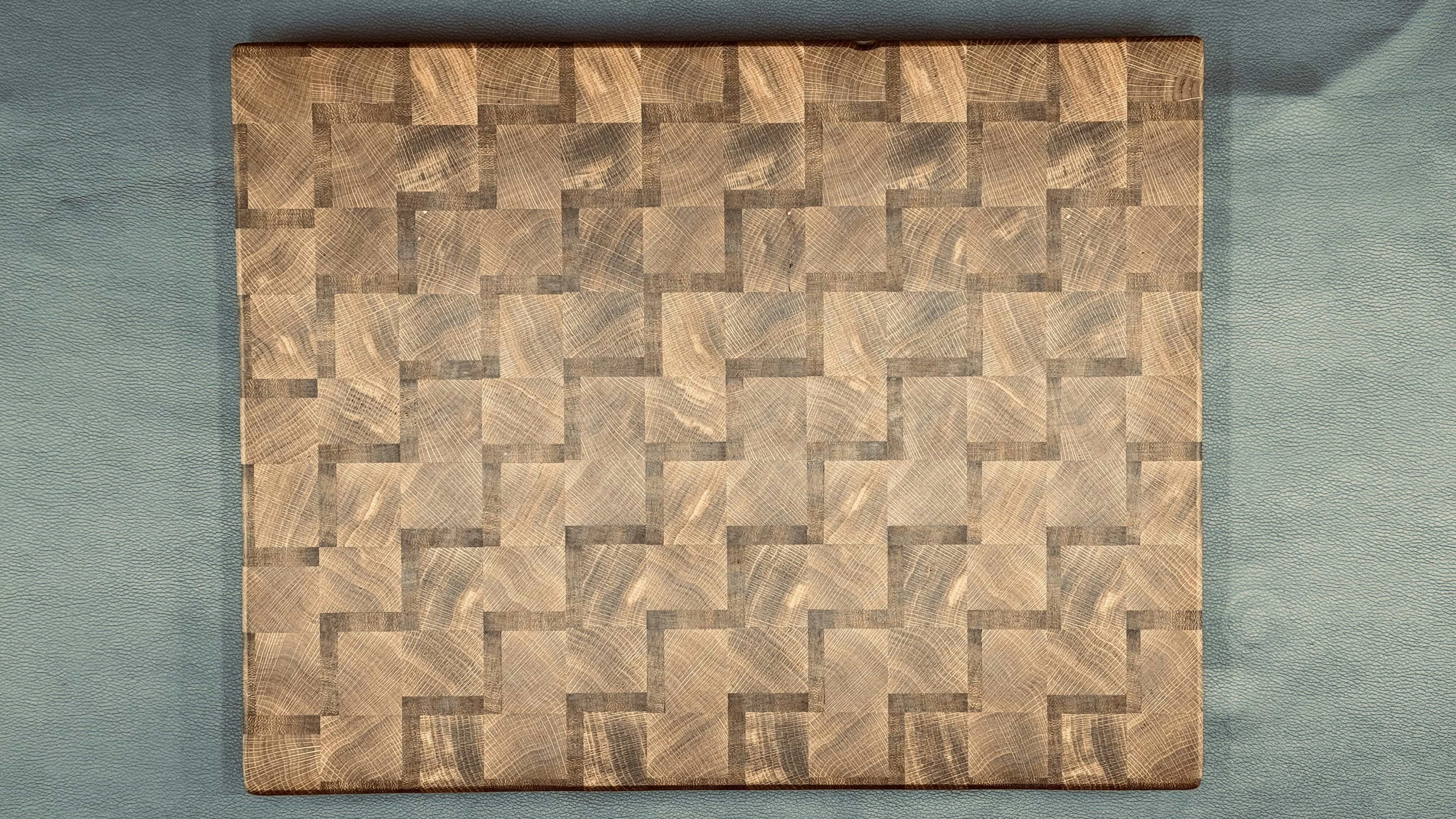
End grain boards are considered the gold standard by many chefs. They are made by arranging and gluing short blocks of wood so the "end" of the wood fibers points upward, creating a distinct checkerboard pattern. This construction is exceptionally gentle on knives because the blade sinks between the vertical wood fibers, which then close back up after the cut. This "self-healing" property means the board shows fewer knife marks and is more resistant to deep gouges, extending the life of both the board and your knives. Though they are the most expensive and require more frequent maintenance, their durability and superior performance make them a worthy long-term investment for serious cooks.
Beyond Functionality: Wooden Boards as Serving Pieces
The natural beauty and warmth of a wooden cutting board make it a versatile piece that transitions seamlessly from prep station to serving platter. The rich tones and unique grain patterns of woods like walnut, maple, or cherry provide an elegant and rustic backdrop for charcuterie, cheeses, fresh fruits, and artisanal breads. Using a wooden board for presentation adds a touch of sophistication to any gathering, transforming a simple kitchen tool into a beautiful centerpiece. Many boards are even designed with this dual purpose in mind, making them a stylish and functional addition to any home.
Ensuring Kitchen Safety: How My Chopaid 3 Piece Plastic Cutting Board Set Helps Prevent Cross-Contamination
Kitchen hygiene is non-negotiable, and preventing cross-contamination is one of its most critical components. This is where a dedicated system, like a 3-piece plastic cutting board set, becomes an invaluable asset. By designating specific boards for different food types, you create a physical barrier that stops harmful bacteria in its tracks.
The Critical Role of Dedicated Boards: Separating Raw Meats from Produce
Cross-contamination occurs when harmful bacteria are transferred from one surface or food to another. Raw meat, poultry, and seafood are common carriers of pathogens like Salmonella, Campylobacter, and E. coli. If you chop raw chicken on a board and then slice a tomato for a salad on the same surface without proper sanitization, those bacteria can easily transfer to the tomato, leading to foodborne illness.
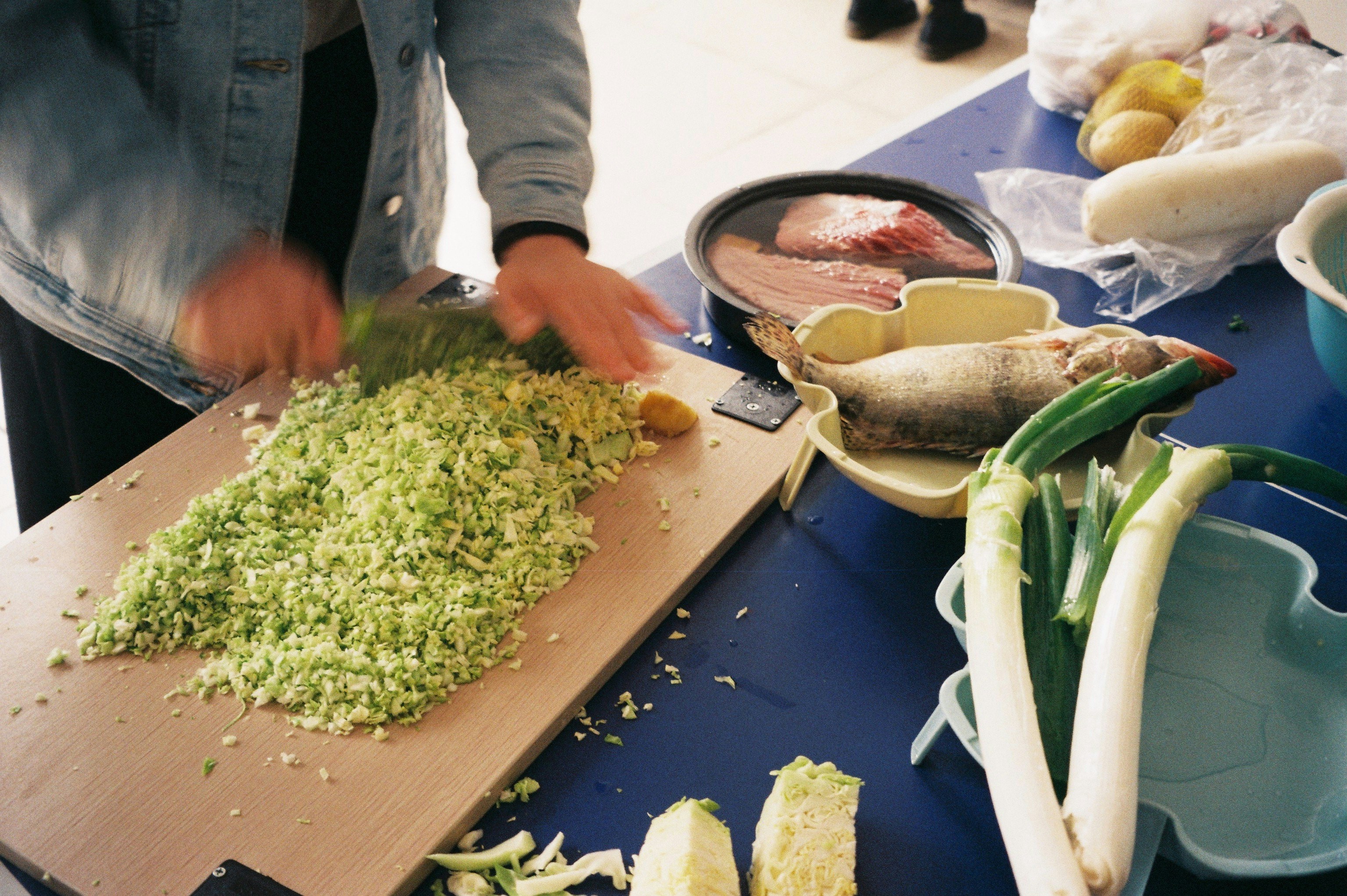
This risk is why food safety authorities, including the USDA, strongly advise using separate cutting boards for a) raw meat, poultry, and seafood, and b) ready-to-eat foods like vegetables, fruits, and bread. A 3-piece plastic set makes implementing this rule incredibly simple and effective. You can permanently assign one board for high-risk items and use the others for everything else, creating a clear and safe workflow in your kitchen.
Leveraging Color-Coded 3 Piece Plastic Cutting Boards for Ultimate Safety
Professional kitchens have long used color-coded systems to prevent cross-contamination, and this practice is just as beneficial for home cooks. Many plastic cutting board sets come in different colors, providing an immediate visual cue for their designated use. This eliminates guesswork and helps everyone in the household follow food safety rules.
Understanding the Color Code: What Each Board is For
While you can create your own system, the most widely accepted color-coding standard in the food industry is aligned with HACCP (Hazard Analysis and Critical Control Points) principles. This system assigns a specific food type to each color, making food prep safer and more organized.
Here’s a breakdown of the standard color-coding system:
| Board Color | Designated Food Group | Purpose |
|---|---|---|
| Red | Raw Meat (Beef, Pork, Lamb) | Separates high-risk red meats from all other foods to prevent the spread of bacteria like E. coli. |
| Yellow | Raw Poultry (Chicken, Turkey) | Dedicated to raw poultry to isolate pathogens like Salmonella and Campylobacter. |
| Blue | Raw Seafood (Fish, Shellfish) | Prevents the transfer of fish-related bacteria and allergens to other ingredients. |
| Green | Fruits & Vegetables | Ensures that fresh produce intended to be eaten raw is not contaminated by raw meat juices. |
| Brown | Cooked Meats | Used for slicing roasts or other cooked proteins to keep them separate from raw items. |
| White | Dairy & Bakery | Reserved for ready-to-eat items like cheese and bread to avoid contamination. |
| Purple | Allergens | A newer addition used for preparing allergen-free foods (e.g., gluten-free) to protect sensitive individuals. |
When Color Coding is Most Effective: Best Practices
A color-coded system is only effective if used correctly and consistently. Here are some best practices to maximize its safety benefits:
- Educate Everyone: Make sure everyone in your household understands what each color is for. Posting a simple chart near your prep area can be a helpful reminder.
- Separate Storage: Store the boards separately, ideally in a rack that allows for air circulation. This prevents a clean board from coming into contact with a contaminated one.
- Dedicated Utensils: For ultimate safety, use separate knives for raw meats and produce, or be meticulous about washing them between tasks.
- Consistent Cleaning: Even with a color-coded system, boards must be washed with hot, soapy water immediately after use. Plastic boards should be sanitized in the dishwasher whenever possible.
The Hidden Dangers: Bacteria in Scratches and the FDA's Warning
The convenience of plastic cutting boards comes with a significant caveat: they get scratched. As previously mentioned, these grooves can become a sanctuary for bacteria. Even after washing, microbes can remain trapped deep in the cuts, ready to contaminate the next food item. Research has shown that bacteria can survive and even thrive in these knife scars, a risk that increases as a board becomes more worn.
Recognizing this danger, the FDA recommends that cutting boards be discarded once they become excessively worn or develop deep grooves that are difficult to clean. A heavily scarred board is not just an aesthetic issue; it's a food safety hazard. This is a critical consideration for plastic boards, as their surfaces degrade with every use, potentially shedding microplastics into food and creating a perfect environment for bacterial growth.
Care and Lifespan: Maintaining Both Your Wooden Boards and 3 Piece Plastic Cutting Board Set
Proper maintenance is the key to ensuring your cutting boards remain hygienic, functional, and safe to use for as long as possible. The care routines for plastic and wood are distinctly different, and understanding these differences will help you get the most out of each type.
Keeping Your 3 Piece Plastic Cutting Board Set Hygienic
The primary appeal of plastic cutting boards is their ease of maintenance. However, proper cleaning is essential to prevent them from becoming a food safety risk.
Simple Cleaning: Dishwasher or Hand Wash and Scrub
For daily cleaning, plastic boards have a distinct advantage: most are dishwasher safe. A cycle with hot water is one of the best ways to clean and sanitize a non-porous surface. If you don't have a dishwasher, wash the board immediately after use with hot, soapy water. Use a scrub brush to get into any knife grooves, as a sponge or cloth may not reach the bottom of the crevices.
For deeper disinfection, you can use a solution of one tablespoon of unscented chlorine bleach per gallon of water. Flood the board with the solution, let it stand for several minutes, then rinse thoroughly and allow it to air dry. A non-bleach alternative is to soak the board in white vinegar or spray it with 3% hydrogen peroxide, letting it sit for five minutes before rinsing.
When to Replace: Recognizing Signs of Wear
Plastic cutting boards do not last forever and typically need to be replaced every one to five years, depending on use. The most critical indicator for replacement is the condition of the surface. According to the USDA, you should discard a plastic cutting board when it becomes "excessively worn or develop(s) hard-to-clean grooves."
Run your fingernail across the surface; if it catches in deep scratches, it's a sign that the board is difficult to clean effectively and could be harboring bacteria. Other signs it's time for a replacement include deep cracks, stubborn stains that won't come out, or persistent odors.
The Art of Wooden Cutting Board Maintenance
A wooden cutting board is a long-term investment that can last for decades, but only with proper care. Unlike plastic, wood requires a bit more attention to maintain its beauty, "self-healing" properties, and hygienic surface.
Seasoning Your New Board: The First Step to Long-Term Health
When you first get a wooden cutting board, it's crucial to "season" it. This process involves applying a food-safe mineral oil to saturate the wood fibers, creating a protective barrier against moisture and preventing the board from drying out and cracking. To season a new board, start by making sure it's clean and completely dry. Apply a liberal amount of oil and spread it evenly over all surfaces, including the sides. Let the oil soak in for several hours or overnight, then wipe away any excess. This initial seasoning process should be repeated several times to fully prepare the board for use.
Hand Washing Only: Why Dishwashers are a Wooden Board's Enemy
The number one rule of wooden cutting board care is to never put it in the dishwasher. The intense heat and prolonged exposure to water will cause the wood to warp, split, and crack, ruining the board. Always wash your wooden board by hand with mild soap and warm water immediately after use. Use a soft sponge, as abrasive scrubbers can damage the wood's surface. After washing, dry it immediately with a towel and let it air-dry standing on its edge to ensure all sides dry evenly.
Oiling for Longevity: Protecting and Restoring Your Board's 'Self-Healing' Qualities
Regular oiling is the most important part of long-term wooden board maintenance. Oiling replenishes the wood's natural moisture, prevents it from becoming dry and brittle, and helps maintain its "self-healing" properties by keeping the wood fibers supple. A well-oiled board is also more resistant to stains and odors.
Apply a food-grade mineral oil or a specialized cutting board conditioner to your dry board every few weeks, or whenever it starts to look dull or faded. Rub the oil in with a clean cloth, let it soak in for a few hours, and then buff off any excess. For boards with significant knife marks, you can restore the surface by lightly sanding it with fine-grit sandpaper before oiling. This simple routine will protect your investment and keep it in beautiful, functional condition for years to come.
Frequently Asked Questions (FAQ)
1. Which cutting board is more sanitary, wood or plastic? When new, a non-porous plastic board is easy to sanitize in a dishwasher. However, as it develops deep knife scratches, it can harbor bacteria that are difficult to remove. In contrast, well-maintained hardwood boards have natural antimicrobial properties that can help kill bacteria. Research from the University of Wisconsin showed that 99.9% of bacteria placed on a wooden board began to die within minutes. Ultimately, the most sanitary board is one that is cleaned properly after each use and replaced when it becomes worn.
2. How often should I replace my cutting boards? Plastic cutting boards should be replaced when they develop deep grooves or become heavily stained, which is typically every 1-2 years for regular use. A high-quality wooden board that is properly maintained with regular oiling can last for many years, even a lifetime. Signs for replacement for either type include deep, hard-to-clean scratches, cracks, or warping.
3. Can I cut raw meat on a wooden board? Yes, it is generally safe to cut raw meat on a wooden board, provided it is properly cleaned and sanitized immediately after use. Wood's natural antimicrobial properties can make it a safe option. However, to eliminate any risk of cross-contamination, many chefs and food safety experts recommend using a separate, non-porous (plastic) board exclusively for raw meat, poultry, and fish.
4. What is the best type of wood for a cutting board? Hardwoods with a closed grain, such as maple, walnut, and cherry, are excellent choices for cutting boards. These woods are durable enough to withstand chopping but soft enough to not dull your knives quickly. End-grain construction is considered the premium option as it is the most gentle on knives and has "self-healing" properties.
5. How do I get rid of stains and odors on my cutting board? For plastic boards, a paste of baking soda, salt, and water can help scrub out surface stains. For both wood and plastic, you can deodorize the surface by wiping it with white vinegar or rubbing it with half a lemon. Sprinkle coarse salt on a wooden board before rubbing it with lemon for extra scrubbing power. Always rinse the board thoroughly after these treatments.
Conclusion
Ultimately, the choice between wooden and a 3 piece plastic cutting board set isn't about finding a single "best" option, but about understanding that each has unique benefits and drawbacks. In my kitchen, the perfect solution is a blend of both. I rely on my Chopaid 3 piece plastic cutting board set for its unmatched convenience and safety in handling high-risk foods like raw chicken, while I turn to my cherished wooden board for its stability and knife-friendly surface when prepping vegetables or serving guests.
By recognizing the distinct characteristics and proper maintenance required for each material, you can build a cutting board collection that suits your cooking style, keeps your food safe, and preserves the sharpness of your knives for years to come. What's your go-to cutting board? Share your own experiences and tips in the comments below