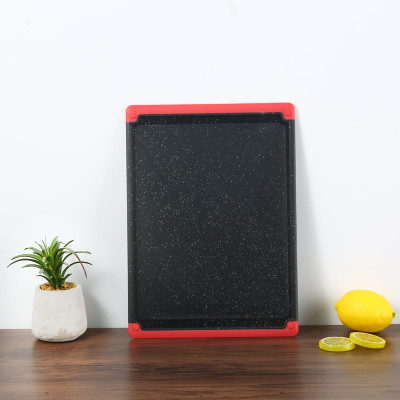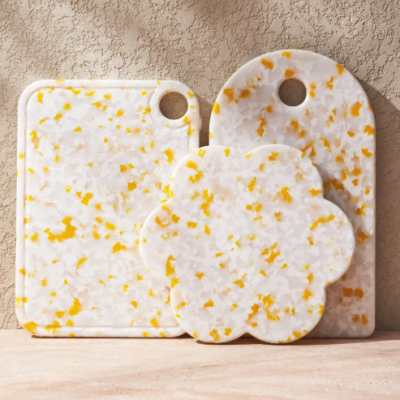
What Are Double-Sided Plastic Cutting Boards and Why Choose Them for Hygiene?
When it comes to kitchen hygiene, our cutting boards are on the front lines, battling bacteria and striving for cleanliness every day. I've often wondered about the best choices for food preparation, especially when considering common solutions like a double-sided plastic cutting board. Let's explore what makes a cutting board truly hygienic and why our initial assumptions, particularly about plastic, might need a closer look.
Key Takeaways
- Convenience vs. Risk: Double-sided plastic cutting boards are popular due to their low cost and the perceived benefit of preventing cross-contamination by using separate sides.
- Hidden Dangers: Despite their popularity, plastic boards pose significant health risks, including shedding microplastics into food and harboring harmful bacteria in knife grooves that are difficult to sanitize.
- Microplastic Contamination: Studies show that chopping on plastic boards can release millions of microplastic particles into your food annually, with unknown long-term health effects.
- Superior Alternatives: Materials like hardwood (maple, walnut), bamboo, and food-grade stainless steel offer better long-term solutions for hygiene and durability.
- Hygiene Best Practices: Regardless of the material, proper cleaning is essential. This includes washing with hot, soapy water after each use and regular sanitization. Using separate boards for raw meat and produce is the safest practice.
- When to Replace: All cutting boards wear out. Plastic boards should be discarded once they have deep scratches or grooves, which can happen within 1-2 years of regular use.
The Appeal of a Double-Sided Plastic Cutting Board
Double-sided plastic cutting boards are ubiquitous in modern kitchens, prized for their apparent simplicity and functional design. They are often marketed as a hygienic and practical tool for the everyday cook. Let's break down the two main reasons for their widespread popularity.
Convenience and Initial Value
One of the primary drivers behind the popularity of plastic cutting boards is their sheer convenience and affordability. They are lightweight, available in a wide array of colors and sizes, and often sold in multi-packs for a low price. This makes them an accessible option for any budget.
Furthermore, most plastic boards are dishwasher-safe, which appeals to our desire for quick and easy cleanup. The ability to toss a board into the dishwasher for a high-heat sanitizing cycle gives a sense of security that the board is clean and ready for its next use. This low initial cost and ease of maintenance make them an attractive, seemingly practical choice for busy households and even professional kitchens.
Cross-Contamination Aversion
The dual-sided nature of these boards is often promoted as a key feature for preventing cross-contamination. The common wisdom is to use one side for preparing raw meat, poultry, or seafood, and the other side for ready-to-eat foods like vegetables, fruits, and bread. This separation is a fundamental principle of food safety, designed to prevent harmful bacteria like Salmonella or E. coli from raw meat from contaminating foods that won't be cooked.
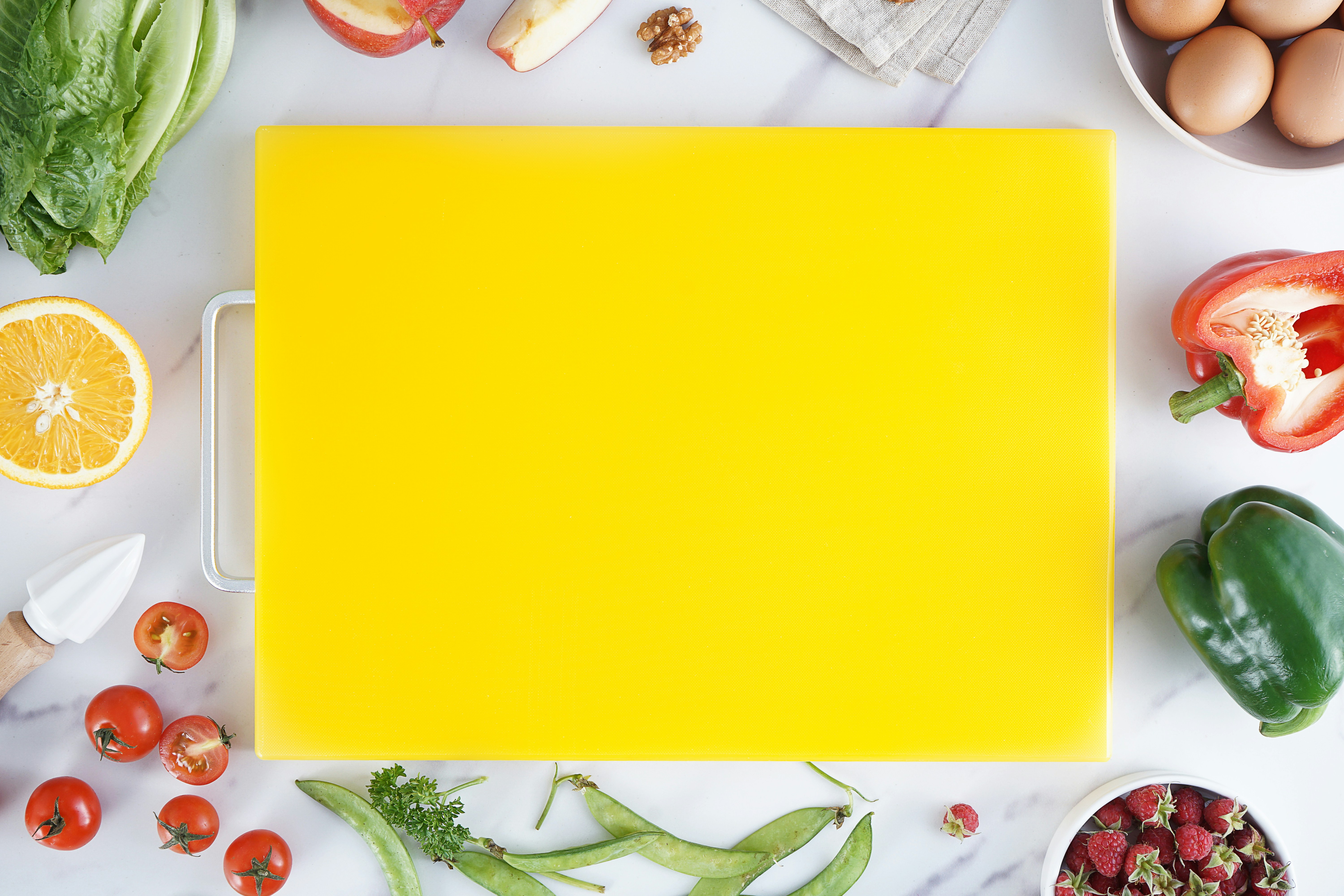
Some sets take this concept further with color-coding, assigning different colored boards to different food types (e.g., red for meat, green for vegetables), a system widely used in commercial kitchens to minimize food safety risks. The double-sided board is seen as a simplified version of this practice for the home cook.
Hygiene Risks: Your Double-Sided Plastic Cutting Board
While the convenience of a double-sided plastic board is appealing, a growing body of evidence reveals significant hidden dangers that challenge its reputation as a hygienic choice. From the materials themselves to the way they wear over time, these boards can introduce risks you may not be aware of.
Microplastics and Chemicals
A significant concern that has emerged from recent scientific research is the shedding of microplastics. Plastic cutting boards are typically made from polymers like polyethylene (PE) or polypropylene (PP). Studies have shown that the simple act of chopping food on these surfaces can release a startling number of microplastic particles directly into your food. One study estimated that annual exposure could range from 7.4 to 50.7 grams of microplastics from a polyethylene board, depending on usage. Another analysis projected that chopping on plastic boards could expose a person to tens of millions of microplastic particles per year.
While some of these plastic fragments may be too large for the body to absorb and pass through the digestive system, the health implications of ingesting smaller particles are still being actively studied. Beyond the physical particles, there is also the risk of chemical leaching. Some cheaper or older plastic boards may contain additives like BPA (Bisphenol A) and phthalates, which are known endocrine disruptors. These chemicals can potentially leach into food, especially when the board's surface is scratched and worn.
Bacteria in Scratches
Perhaps the most well-documented risk is the board's tendency to harbor bacteria. Every knife cut creates grooves and scratches on the plastic surface. While a new plastic board is non-porous and easy to clean, a used, knife-scarred board is a different story entirely. These tiny crevices become perfect hiding spots for moisture and food particles, creating an ideal breeding ground for harmful bacteria such as Salmonella, E. coli, and Campylobacter.
Even a thorough wash or a cycle in the dishwasher may not be sufficient to sanitize these deep grooves, making knife-scarred plastic boards nearly impossible to clean manually. Studies conducted as far back as the 1990s at the University of Wisconsin found that while new plastic surfaces were easy to disinfect, used and knife-scarred plastic boards were difficult to clean and could retain bacteria. In contrast, the same studies showed that bacteria on wood cutting boards were absorbed into the wood grain, where they did not multiply and eventually died. This makes a heavily used plastic cutting board a significant cross-contamination risk, undermining the very purpose of its double-sided design.
Safe Choices Beyond Double-Sided Plastic Cutting Boards
Given the risks associated with plastic, exploring safer and more durable materials for your cutting surface is a wise decision. Natural and non-porous alternatives not only offer better hygiene but can also be a more sustainable, long-term investment for your kitchen.
Natural Alternatives: Wood & Bamboo
Wood Cutting Boards: Long before plastic, wood was the material of choice for cutting boards, and for good reason. Hardwoods like maple, walnut, and cherry are not only durable but possess natural antimicrobial properties. Research has consistently shown that wood can be more hygienic than plastic over the long term. A landmark study from the University of Wisconsin revealed that 99.9% of bacteria placed on a wooden board died within three minutes, whereas on a plastic board, the bacteria persisted and even multiplied. The porous nature of wood works to its advantage; the capillary action of the wood grain pulls bacteria down from the surface, where they become trapped and die as the board dries. Wood is also gentler on knife edges compared to harder materials.
Bamboo Cutting Boards: Bamboo is another popular natural alternative, often praised for its sustainability. As a fast-growing grass, it's a highly renewable resource. Bamboo is denser and less porous than many hardwoods, which helps it resist moisture and staining. It's also typically more affordable and lightweight than a solid wood board. However, the hardness of bamboo can dull knives more quickly than wood. Additionally, the quality of bamboo boards can vary, as some are made using adhesives that may contain formaldehyde.
| Feature | Wood (Hardwood) | Bamboo |
|---|---|---|
| Hygiene | Naturally antimicrobial; traps and kills bacteria. | Naturally antimicrobial, less porous than wood. |
| Knife Friendliness | Very gentle on knife edges. | Harder than wood; can dull knives faster. |
| Durability | Very durable and can last for decades with care; can be sanded to restore the surface. | Durable but can be more prone to splitting or warping if low quality. |
| Maintenance | Requires regular oiling to prevent drying and cracking. | Requires oiling, though often less frequently than wood. |
| Sustainability | Sustainable if sourced from well-managed forests. | Highly sustainable and renewable resource. |
Non-Porous Options: Metal & Glass
Metal (Stainless Steel) Cutting Boards: For those who prioritize sanitization above all, stainless steel is an exceptional option. Its primary advantage is its non-porous surface, which means bacteria, moisture, and odors cannot penetrate it. This makes it incredibly easy to clean and disinfect, and many, such as those offered by Chopaid, can simply be placed in the dishwasher. Stainless steel boards are incredibly durable, resistant to heat, and will not crack, warp, or stain. This longevity makes them an eco-friendly choice, as they may never need replacing. However, the main drawback is that the hard surface is tough on knives and will cause them to dull more quickly than wood or plastic.
Glass Cutting Boards: Glass boards share the hygienic benefits of stainless steel—they are non-porous, easy to clean, and dishwasher-safe. They are also resistant to stains and odors. However, glass is widely considered the worst material for a cutting board when it comes to knife maintenance. The extreme hardness of the glass surface causes knife edges to chip, roll, and dull almost immediately. They can also be slippery, creating a safety hazard during chopping, and are susceptible to breaking if dropped. For these reasons, they are generally not recommended for daily chopping tasks.
Proper Cleaning and Care
No matter which material you choose, proper cleaning and maintenance are critical for food safety.
- ForAll Boards: Wash with hot, soapy water immediately after each use. It's highly recommended to use separate boards for raw meats and ready-to-eat foods to prevent cross-contamination.
- Plastic & Metal: These can typically be sanitized in a dishwasher. For manual sanitizing, a solution of one tablespoon of bleach per gallon of water can be used. Allow the solution to sit on the surface for several minutes before rinsing thoroughly.
- Wood & Bamboo: Never soak a wood or bamboo board or put it in the dishwasher, as this will cause it to warp and crack. After washing with soap and water, you can disinfect the surface by wiping it down with full-strength white vinegar. Regularly applying a food-grade mineral oil or beeswax conditioner will keep the wood hydrated, prevent cracks, and maintain its natural antibacterial qualities.
Making a Healthier Cutting Board Decision for Your Kitchen
Switching to a safer cutting board involves considering both when to get rid of your old boards and what materials offer the best long-term value for your health and wallet.
When to Replace Boards
All cutting boards have a limited lifespan, but plastic boards wear out the fastest and pose the biggest risk when they do. The key is to know the signs of a board that is no longer safe to use.
You should discard a plastic cutting board as soon as it develops deep knife grooves or extensive scratches that are hard to clean. If you can feel the grooves with your fingernail, it's time for the board to go. These scratches are impossible to fully sanitize and become reservoirs for bacteria. For a busy home kitchen, this often means replacing plastic boards every one to two years. Persistent stains or lingering odors that don't wash out are other indicators that a board is past its prime.
Wooden boards are much more durable. If they develop minor scratches, they can often be sanded down to create a new, smooth surface. However, they should be replaced if they develop deep cracks, split, or warp, as these defects can also harbor bacteria and moisture.
Sustainable and Long-Lasting Materials
Investing in a cutting board made from a durable and sustainable material is not only better for your health but also for the environment.
- Hardwood (Maple, Walnut): A high-quality wooden cutting board can last a lifetime with proper care. They are made from a renewable resource, are biodegradable, and their longevity means less waste in landfills. Their natural self-healing properties make them a sanitary choice for decades.
- Bamboo: As one of the fastest-growing plants on Earth, bamboo is a highly sustainable choice. Bamboo boards are lightweight, durable, and offer good resistance to moisture.
- Stainless Steel: The ultimate choice for durability, a stainless steel board like those from Chopaid is a one-time purchase. It will never warp, crack, or need to be replaced, making it an extremely eco-friendly option by eliminating waste altogether. While it requires more frequent knife sharpening, its unparalleled hygiene and longevity offer incredible value. Choosing one of these long-lasting materials over disposable plastic boards is a conscious step towards a healthier, more sustainable kitchen.
Frequently Asked Questions (FAQs)
Q: Can you put a double-sided plastic cutting board in the dishwasher? A: Yes, most plastic cutting boards are dishwasher-safe, which can help sanitize them. However, the high heat can cause some plastics to warp over time, and a dishwasher may not be able to effectively clean deep knife grooves where bacteria hide.
Q: Which cutting board material is best for my knives? A: Wood, particularly end-grain hardwood, is the most knife-friendly material. It is soft enough to absorb the impact of the blade, which helps keep knives sharper for longer. Softer plastics are also relatively easy on knives, but materials like bamboo, glass, and stainless steel are much harder and will dull your knives more quickly.
Q: How do you get the smell of garlic or onion out of a cutting board? A: For wood or bamboo boards, you can neutralize odors by rubbing the surface with half a lemon or a paste of baking soda and water. Let it sit for a few minutes before rinsing. For plastic boards, smells can be more persistent, but soaking in a solution of water and vinegar may help. Stainless steel boards are non-porous and do not absorb odors.
Q: Is it really necessary to have separate cutting boards for meat and vegetables? A: Yes, this is one of the most important food safety practices. Using separate boards (or a rigorously cleaned board between tasks) is the best way to prevent cross-contamination, where bacteria from raw meat, poultry, or seafood can transfer to ready-to-eat foods like fruits and vegetables.
Q: How often should I oil my wood cutting board? A: You should oil your wooden cutting board at least once a month, or whenever it starts to look dry or light-colored. Regular oiling with food-grade mineral oil or beeswax prevents the wood from drying out, cracking, and warping, which maintains its integrity and hygienic properties.
Conclusion
Ultimately, while a double-sided plastic cutting board might initially seem convenient for hygiene, I've learned that it carries significant hidden risks for our health and the environment. The potential for shedding microplastics into our meals and harboring dangerous bacteria in its ever-deepening knife scars makes it a questionable choice for a health-conscious kitchen.
I believe choosing materials like wood, bamboo, or metal offers superior benefits, combining durability, proper maintenance, and genuine food safety. A high-quality wood board offers natural antimicrobial benefits, a bamboo board provides a sustainable option, and an indestructible stainless steel board from a brand like Chopaid ensures lifetime hygiene.
Let's prioritize long-lasting, safer choices in our kitchens for better health and a healthier planet. By moving beyond disposable plastics and investing in materials that are built to last, we take a meaningful step toward creating a truly safe and sustainable food preparation environment. What cutting board material will you choose for your kitchen? Share your thoughts below