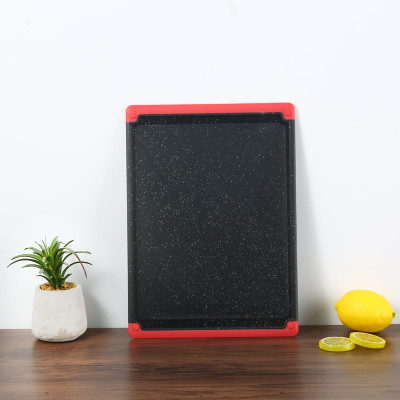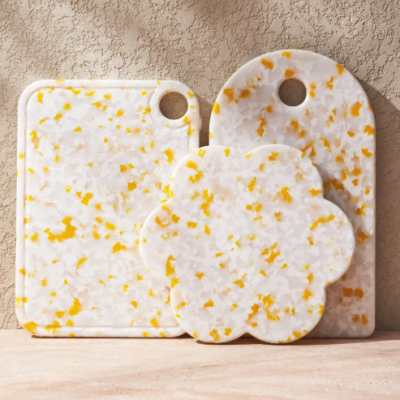
What You Need to Know About Anti-Slip Plastic Cutting Boards: Safety, Hygiene, and Features
As a passionate home cook, I understand that the cutting board is the very heart of the kitchen. It’s the stage where every meal begins, the foundation for both safety and efficiency. The stability of this surface is not just a matter of convenience; it's a critical component of a secure cooking environment. A board that slides is a recipe for disaster, turning a simple chop into a hazardous task.
That's why I'm here to share my experience and explain why upgrading to a high-quality, anti-slip plastic cutting board is one of the smartest decisions you can make for your kitchen. Specifically, I've found that boards from a brand dedicated to innovation, like Chopaid, offer a suite of advantages that go far beyond a simple stable surface.
In this comprehensive guide, we will delve into the essential aspects of anti-slip plastic cutting boards. Together, we'll explore how these modern kitchen tools excel in providing unparalleled safety, superior hygiene, and a range of innovative features designed to elevate the cooking experience. From my kitchen to yours, let’s uncover how the right cutting board can make every meal preparation safer, cleaner, and more enjoyable.
Key Takeaways
For those in a hurry, here are the essential points to understand about the importance of a quality anti-slip plastic cutting board:
- Safety is Non-Negotiable: A slipping cutting board is a primary cause of kitchen knife accidents. Data from the U.S. Consumer Product Safety Commission has shown that kitchen knives are responsible for a significant number of household injuries, many of which could be prevented with stable equipment. Anti-slip cutting boards are specifically engineered with features like rubber feet, silicone edges, or textured bases that grip the countertop, creating a secure foundation that prevents movement during use. This stability is crucial for maintaining control of your knife, ensuring precise cuts, and drastically reducing the risk of injury.
- Hygiene is Paramount: Plastic cutting boards, particularly those made from non-porous materials like high-density polyethylene (HDPE) or polypropylene (PP), are superior for food hygiene compared to porous materials like wood. A non-porous surface prevents bacteria from raw meat, poultry, and fish from seeping into the board, which is a key step in preventing cross-contamination and foodborne illnesses. Furthermore, their durability and dishwasher-safe nature make them incredibly easy to clean and sanitize, a critical practice for maintaining a safe food preparation environment.
- Material and Design Matter: Not all plastic boards are created equal. An ideal cutting board should be "knife-friendly," meaning it's soft enough to not dull your expensive knives prematurely. Hard surfaces like glass or stone can quickly ruin a knife's edge. At the same time, the board must be durable enough to resist deep scratches and warping, as deep grooves can harbor bacteria and make cleaning ineffective. Innovative designs often incorporate features like juice grooves to contain messes, lightweight construction for easy handling, and resistance to stains and heat.
- Innovative Features Enhance Experience: Modern cutting boards are designed with the user in mind. Beyond basic stability and hygiene, look for features that make your life easier. For example, some boards are heat-resistant, allowing them to double as a temporary trivet for hot pans. Stain-resistant properties mean your board won't be permanently discolored by vibrant foods like beets or turmeric. Lightweight designs are easier to move from counter to sink, and many are created to be aesthetically pleasing, fitting seamlessly into a modern kitchen's decor. Brands like Chopaid focus on integrating these features to create a comprehensive and user-friendly tool.
My Chopaid Anti-Slip Plastic Cutting Board: A Foundation of Kitchen Safety
In any kitchen, safety should always be the top priority. While we focus on handling hot pans and sharp knives, the surface underneath the knife is often overlooked. A cutting board that slips or wobbles is an accident waiting to happen. This is where my experience with an anti-slip plastic cutting board has been truly transformative. It provides a rock-solid foundation that allows me to chop, slice, and dice with confidence, knowing my workspace is secure.
Stopping the Slip: Stability Features
The core promise of an anti-slip cutting board lies in its ability to stay put. This isn't achieved by magic, but by deliberate and intelligent design features that create friction between the board and the countertop. Unlike traditional, plain plastic or wood boards that can easily slide, especially on slick surfaces like granite or quartz, anti-slip models incorporate specific mechanisms to ensure stability.
The most common and effective solutions include:
- Integrated Rubber or Silicone Feet: Many high-quality boards have small, durable feet made of rubber or silicone attached to each corner. These feet elevate the board slightly and, more importantly, provide a powerful grip on the work surface. Rubber is particularly valued for its strong grip and shock-absorbing properties, which can make for a smoother chopping experience.
- Full-Perimeter Grips: Some of the best designs feature a continuous border of a non-slip material, often TPE (Thermoplastic Elastomer) or silicone, that frames the entire board. This creates maximum contact with the counter, offering exceptional stability from all angles. This design is often superior to simple corner feet, as it prevents any rocking or tipping.
- Textured Undersides: Another method is to design the bottom of the board with a textured pattern. This patterned surface increases the friction against the counter, reducing the likelihood of movement, especially when combined with the board's weight.
While simple tricks like placing a damp paper towel or shelf liner under a regular board can provide a temporary fix, they are not as reliable or convenient as built-in anti-slip features. A board designed for stability from the ground up eliminates an extra step and provides consistent, dependable safety every time you use it.
The Importance of Sustained Grip
The danger of an unstable cutting board cannot be overstated. Each year, hundreds of thousands of knife-related injuries occur in kitchens across the United States, with a significant portion attributed to kitchen knives. A study analyzing data from the U.S. Consumer Product Safety Commission found that an estimated 8.25 million knife-related injuries were treated in emergency departments over a 19-year period, with fingers and hands being the most commonly injured areas.
A board that slides during a forceful chop can cause the knife to miss its target and land on a finger or hand. This risk multiplies when dealing with tough-skinned vegetables like squash or when you're working quickly. A sustained grip from an anti-slip board addresses this hazard directly by creating a secure and predictable work area. This stability not only prevents catastrophic slips but also leads to:
- Improved Knife Control: A stationary board allows you to focus solely on your knife skills, leading to more precise, consistent, and confident cuts.
- Reduced Fatigue: Constantly fighting to keep a board in place is frustrating and tiring. A stable board creates a smoother workflow, making prep work less of a chore.
- Protection for Your Knives and Counters: A slip can cause a knife blade to hit the hard countertop, potentially chipping the blade or scratching the counter. A board that stays in place protects all your kitchen assets.
Ultimately, the unwavering grip of an anti-slip cutting board is the foundation of safe and efficient knife work, turning a potentially dangerous task into a controlled and enjoyable part of the cooking process.
Hygiene First: Keeping My Chopaid Anti-Slip Plastic Cutting Board Pristine
Beyond immediate physical safety, maintaining a hygienic kitchen is crucial for preventing foodborne illness. A cutting board is a primary point of contact for a wide variety of foods, from raw meats to fresh vegetables. This makes it a potential hotspot for cross-contamination if not chosen and cared for properly. This is where a high-quality plastic cutting board demonstrates its immense value, offering a surface that is not only easy to use but also simple to keep hygienically clean.
Preventing Bacterial Growth
The debate between plastic and wood cutting boards has been ongoing for years, but when it comes to preventing bacterial contamination, the material's porosity is a key factor. Plastic boards made from materials like polypropylene (PP) or high-density polyethylene (HDPE) are fundamentally non-porous. This means that liquids, such as juices from raw chicken or fish, cannot seep into the surface of the board. Instead, they remain on top, where they can be easily wiped away and washed off.
This provides a significant hygienic advantage. According to the USDA, using a non-porous surface for cutting raw meat is a recommended practice to help prevent cross-contamination. Bacteria like Salmonella and E. coli, commonly found in raw meat and poultry, have nowhere to hide on a smooth, non-porous plastic surface.
While some studies have suggested that wood contains natural antimicrobial properties, this benefit can be negated if the board is not meticulously maintained or if it develops deep cracks. On a practical, day-to-day basis, the non-absorbent nature of a plastic board offers a more straightforward path to a clean and safe food prep surface. To further enhance safety, it's a best practice to use separate cutting boards for different food types—one for raw meats, another for produce and ready-to-eat foods. Color-coded boards can make this system easy to follow.
Effortless Cleaning and Sanitization
One of the most significant advantages of a plastic anti-slip cutting board is the ease with which it can be cleaned and sanitized. After each use, a simple wash with hot, soapy water is highly effective for removing food particles and surface bacteria. But for true peace of mind, especially after preparing raw meat, a more thorough sanitization process is recommended.
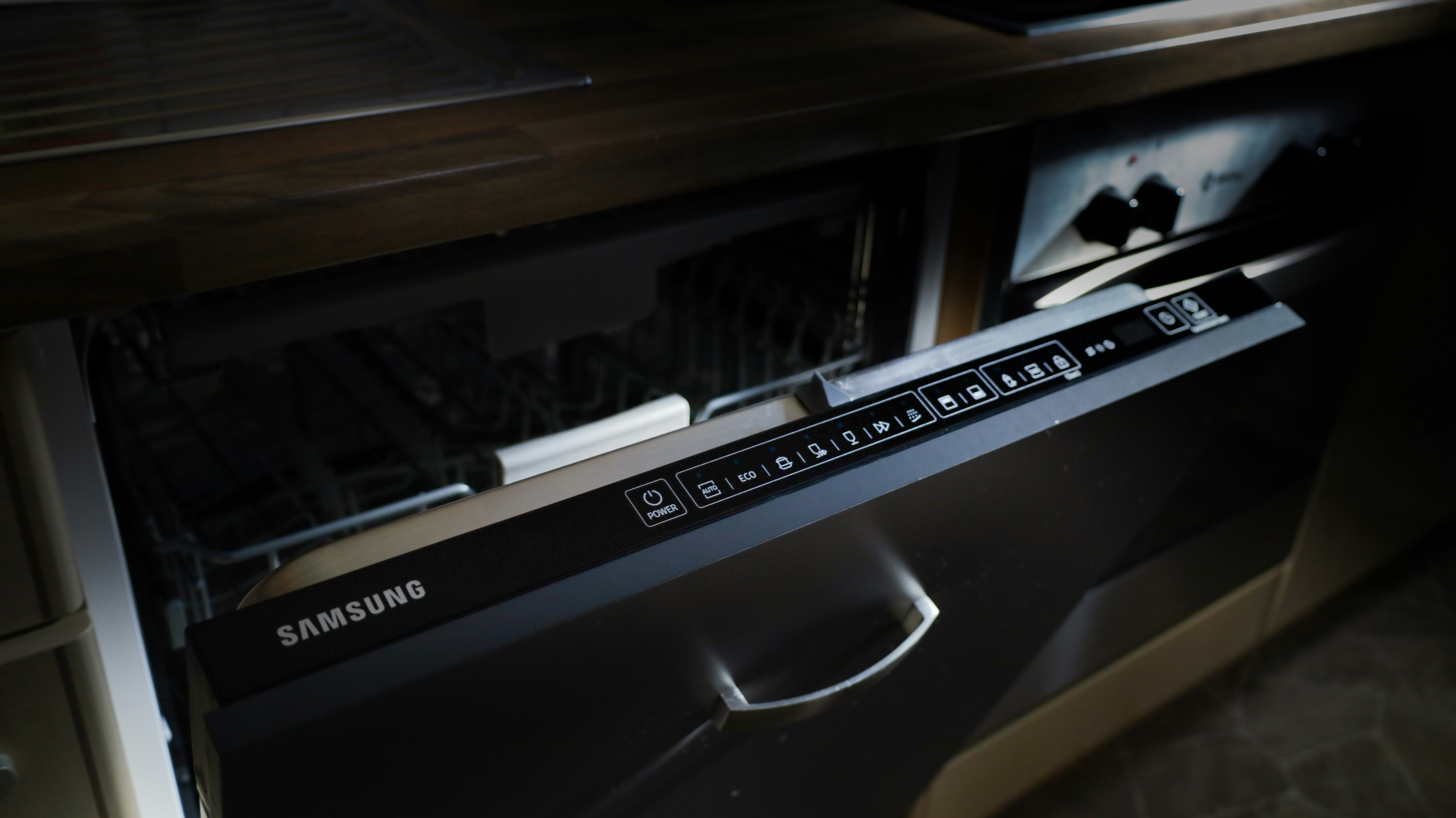
Dishwasher-Safe Convenience: Most high-quality polypropylene and HDPE cutting boards are designed to be dishwasher safe. The high temperatures and strong detergents in a dishwasher cycle are extremely effective at killing harmful bacteria, offering a level of sanitation that is difficult to achieve by hand washing alone. This hands-free cleaning method is not only convenient but also ensures the board is thoroughly sanitized and ready for its next use.
Manual Sanitization Methods: If a dishwasher isn't available or you prefer to hand wash, you can still easily sanitize your plastic cutting board. The USDA recommends using a solution of one tablespoon of unscented liquid chlorine bleach per gallon of water. Simply flood the board with this solution, let it stand for several minutes, and then rinse thoroughly with clean water before allowing it to air dry.
For a bleach-free alternative, a solution of white vinegar and water or a spray of 3% hydrogen peroxide can also be used to disinfect the surface. After applying, scrub the board, rinse with hot water, and dry completely.
Proper cleaning and sanitation are made even more critical when a board becomes worn. All cutting boards, regardless of material, should be replaced once they develop deep grooves or scratches that are difficult to clean. These grooves can harbor bacteria and compromise food safety. By choosing a durable plastic board and maintaining it properly, you ensure a hygienic surface for countless meals to come.
| Cleaning Method | Best For | Procedure |
|---|---|---|
| Hot, Soapy Water | Everyday cleaning | After each use, scrub the board with dish soap and hot water, then rinse and dry. |
| Dishwasher | Deep cleaning & sanitization | Place the dishwasher-safe board in for a full wash and heat-dry cycle. |
| Bleach Solution | Sanitizing after raw meat | Mix 1 tbsp bleach in 1 gallon of water, apply to the surface for several minutes, then rinse well. |
| Vinegar or Hydrogen Peroxide | Natural disinfecting | Apply a vinegar solution or 3% hydrogen peroxide, let it sit, then scrub, rinse, and dry. |
It is also important to look for products with food safety certifications. An NSF (National Sanitation Foundation) certification, for example, indicates that the cutting board meets strict standards for public health protection, ensuring the materials and design are safe for food contact.
Beyond Basics: Innovative Features of My Chopaid Anti-Slip Plastic Cutting Board
While safety and hygiene are the cornerstones of a great cutting board, modern designs have evolved to include a host of innovative features that enhance the entire cooking experience. A cutting board is no longer just a slab of plastic or wood; it's a multi-functional tool designed for convenience, durability, and performance. My experience with a well-designed anti-slip board from a thoughtful brand like Chopaid has shown me that these "extra" features quickly become indispensable.
Knife-Friendly and Durable Design
A high-quality cutting board must strike a delicate balance: it needs to be soft enough to protect your knife's edge but tough enough to withstand daily use. This is where the choice of material is paramount.
Protecting Your Blades: Every time a knife strikes a cutting surface, its fine edge is subjected to impact. Surfaces that are too hard, such as glass, stone, or ceramic, offer no "give" and can rapidly dull, chip, or otherwise damage a knife blade. Plastic cutting boards, particularly those made from polypropylene (PP), are prized for being knife-friendly. They provide a softer surface that absorbs the impact, helping to preserve the sharpness and longevity of your knives. This means less time spent sharpening and a better cutting experience overall. Tests have even shown that some plastics can be less wearing on a knife's edge than wood.
Ensuring Durability: While being gentle on knives, a good plastic board must also be durable. It needs to resist warping when exposed to hot water in the dishwasher and be resilient enough to avoid deep scratches from regular chopping. A board that scars too easily not only looks worn but, as previously mentioned, can become a breeding ground for bacteria. High-quality PP boards are engineered to be dense and robust, ensuring they remain flat and functional through years of meal preparation.
This combination of a forgiving surface and robust construction means that an advanced plastic cutting board protects your most important tools while standing up to the rigors of a busy kitchen.
Lightweight, Heat-Resistant, and Stain-Proof
The best cutting boards are designed to solve common kitchen frustrations. Modern plastic boards often incorporate a trio of features that make them exceptionally practical for everyday use.
Lightweight for Easy Handling: Unlike heavy butcher blocks made of wood or stone, plastic cutting boards are typically very lightweight. This makes them easy to maneuver around the kitchen—from the drawer to the counter, and then to the sink or dishwasher. Their light weight is a significant advantage for quick prep tasks and makes cleanup far less of a chore.
Heat-Resistance for Versatility: Many polypropylene cutting boards offer a notable degree of heat resistance. While you shouldn't place a scorching-hot pan directly from the stove onto any plastic surface, they can generally handle the heat from a dishwasher cycle without warping. Some higher-grade PP formulations can withstand temperatures up to or even exceeding 212°F (100°C), making them safe for contact with hot foods and liquids. This thermal stability provides an extra layer of versatility and durability.
Stain-Proof for a Lasting Clean Look: One of the most common complaints about older plastic boards is their tendency to stain, especially from vibrant foods like tomatoes, beets, carrots, or spices like turmeric. Modern, high-density plastic cutting boards are formulated to be stain-resistant. This non-porous quality prevents pigments from penetrating the surface, allowing stains to be washed away easily. For any stubborn discoloration, a simple paste of baking soda and water or a soak in a diluted vinegar solution can often restore the board to its original state. Some even find that placing a stained plastic item in direct sunlight can help bleach out tomato-based stains naturally.
These thoughtful features combine to create a cutting board that is not just a passive surface but an active participant in making kitchen tasks smoother, cleaner, and more efficient.

Frequently Asked Questions (FAQ)
1. How often should I replace my plastic cutting board?
The lifespan of a plastic cutting board depends on its quality and how frequently it is used. A general rule of thumb is to replace your board when it develops deep, hard-to-clean grooves or scratches. These knife scars can harbor bacteria that even thorough washing might not remove, posing a risk of cross-contamination. If the surface feels rough or shredded, or if the board has become permanently stained or warped, it's time for a new one. For a busy home kitchen, this could be every 1-2 years, but a high-quality, durable board may last much longer.
2. Are plastic cutting boards bad for my knives?
Quite the opposite. High-quality plastic cutting boards made from materials like polypropylene (PP) or high-density polyethylene (HDPE) are considered "knife-friendly." They are softer than materials like bamboo, glass, or stone, which can dull or even chip a knife's edge very quickly. The plastic has enough "give" to absorb the impact of the blade, which helps maintain your knife's sharpness for longer. However, it's important to choose a board that balances this softness with durability to avoid excessively rapid wear.
3. Can I put a hot pot or pan on a plastic cutting board?
This is generally not recommended. While many modern polypropylene cutting boards are heat-resistant enough to handle dishwasher temperatures (often up to 180-212°F or 82-100°C), they are not designed to be used as trivets for hot cookware coming directly off the stove or out of the oven. Extreme heat can cause the plastic to warp, melt, or deform. The melting point of polypropylene is typically around 320°F (160°C), but it can begin to soften at much lower temperatures. Always use a dedicated trivet for hot pots and pans.
4. How do I remove stubborn stains like tomato sauce or turmeric from my plastic cutting board?
For stubborn stains, you have several effective options. A popular method is to create a paste using baking soda, a drop of dish soap, and a small amount of hydrogen peroxide. Spread this paste over the stained area, let it sit for several hours or overnight, and then scrub and rinse. Another effective and natural method is to place the clean, dry cutting board in direct sunlight for a few hours; the UV rays can naturally bleach away stains, especially from tomato sauce. Soaking the board in a solution of white vinegar and water can also help lift stains and deodorize the board.
5. What is the difference between TPE and silicone for the anti-slip grips?
Both TPE (Thermoplastic Elastomer) and silicone are excellent materials for creating non-slip grips on cutting boards, but they have slightly different properties.
- Silicone is known for its superior heat resistance, able to withstand very high temperatures (up to 480°F or more), making it great for kitchen environments. It's also very flexible and durable, providing an excellent grip.
- TPE is also a flexible, rubber-like material that provides a soft touch and great grip. It often has better resistance to abrasion and tearing than silicone and is typically less expensive to produce. Both materials are food-safe and highly effective at preventing a cutting board from sliding. The choice between them often comes down to the manufacturer's specific design and cost considerations. For the end-user, both provide the necessary stability for a safe cutting experience.
Conclusion
In my journey as a home cook, I've come to appreciate that the right tools don't just make tasks easier—they transform the entire cooking experience. Choosing the right cutting board is a perfect example of this. After extensive use, it's clear to me that a Chopaid anti-slip plastic cutting board offers an ideal blend of safety, hygiene, and innovative features that I truly value in my kitchen.
From its fundamental ability to prevent dangerous slips to its non-porous surface that ensures easy cleanup and prevents bacterial growth, these boards are meticulously designed for the demands of modern cooking. They protect my knives from premature dulling, resist unsightly stains, and are lightweight enough to handle with ease. These thoughtful details help me create meals with greater confidence and efficiency.
For anyone looking to cultivate a safer, cleaner, and ultimately more enjoyable cooking journey, I wholeheartedly recommend considering the lasting benefits of a premium anti-slip plastic cutting board. It's a foundational investment in your kitchen that pays dividends with every single meal you prepare.