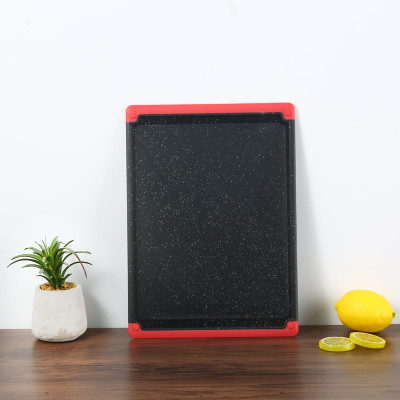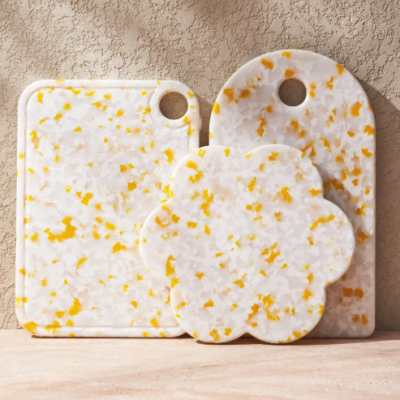
What is a Wheat Straw Cutting Board? Your Guide to Sustainable Kitchen Hygiene.
Hello fellow home cooks! Let's talk about something essential in our kitchens: our cutting boards and why kitchen hygiene matters more than you think. Have you ever considered the environmental impact of your everyday kitchen tools, or how truly clean your cutting surface is? I'm here to introduce you to a game-changing solution that addresses both: the amazing wheat straw cutting board.
Key Takeaways
- What It Is: A wheat straw cutting board is a composite product made from the leftover stalks of harvested wheat combined with a food-safe binder, often polypropylene (PP) plastic. This turns agricultural waste into a durable kitchen tool.
- Eco-Friendly Advantages: By repurposing agricultural byproducts, these boards reduce waste and lower the reliance on petroleum-based plastics. This process has a smaller carbon footprint compared to traditional plastic manufacturing.
- Hygienic and Safe: When made correctly with food-grade materials, wheat straw boards are non-toxic, BPA-free, and can be very hygienic. Many are dishwasher-safe, which aids in proper sanitation.
- Performance: They are lightweight, durable, and notably gentle on knife blades, preventing premature dulling.
- Important Consideration: The term "wheat straw" can be misleading. Most are a plastic composite, not fully biodegradable. For the most sustainable and non-toxic option, it's crucial to choose reputable brands that are transparent about their materials.
Understanding What a Wheat Straw Cutting Board Is: My Journey to Sustainable Choices.
My path to a more sustainable kitchen has been a series of small, intentional changes. It started with reusable grocery bags and led me down a rabbit hole of examining everything, including my trusty old cutting board. That's when I discovered the world of wheat straw. It sounded earthy and natural, but I had so many questions. Is it just compressed hay? How does it hold up to a chef's knife? This journey taught me that a simple-sounding product has a fascinating story of innovation, sustainability, and smart science behind it.
From Farm to Kitchen: The Eco-Friendly Origins of the Wheat Straw Cutting Board.
The story of a wheat straw cutting board begins in a field, but not with the part of the plant you might expect. After farmers harvest valuable wheat grains for food production, a massive amount of leftover stalk remains. For generations, this byproduct, known as wheat straw, was often considered agricultural waste, sometimes burned in the fields, which released carbon dioxide into the atmosphere.
Sustainable innovation has transformed this "waste" into a valuable resource. Instead of being discarded, the stalks are collected, giving them a second life. This repurposing is a brilliant example of a circular economy, turning a low-value byproduct into a high-value, durable product for our homes. By utilizing what was once leftover, we reduce agricultural waste and avoid the need to farm new resources specifically for material production, making it an incredibly eco-friendly foundation for a kitchen essential.
How It's Made: The Innovative Process Behind Your New Favorite Sustainable Cutting Surface.
Transforming fibrous stalks into a solid, reliable cutting board is a marvel of modern manufacturing. The process generally follows these key steps:
- Collection and Cleaning: First, the leftover wheat straw is gathered from the fields after the grain harvest. It's thoroughly cleaned to remove any dirt, dust, and impurities.
- Processing the Fibers: The clean, dry straw is then ground into fine particles or powder. In this stage, a crucial natural polymer called lignin, which gives plants their structural rigidity, is broken down. This is often achieved using natural processes, preparing the fiber for bonding.
- Blending and Compounding: This is where the "composite" nature of the board is created. The processed wheat straw fibers are blended with a binder. In most commercially available cutting boards, this binder is a food-grade plastic like polypropylene (PP), which is known for its safety and durability in food containers. This mixture creates a new composite material that leverages the benefits of both plant fiber and polymer.
- Molding and Pressing: The blended material is then placed into a mold in the shape of a cutting board. Using high heat and pressure, the material is compressed and bonded together, forming a dense, solid, and non-porous board. Some manufacturing processes may involve weaving the straw sheets before pressing to enhance the board's final strength and texture.
- Finishing: Finally, the board is trimmed, the edges are smoothed, and features like non-slip grips or juice grooves may be added. The result is a lightweight yet sturdy cutting board that feels similar to a traditional plastic board but is built on a foundation of sustainability.
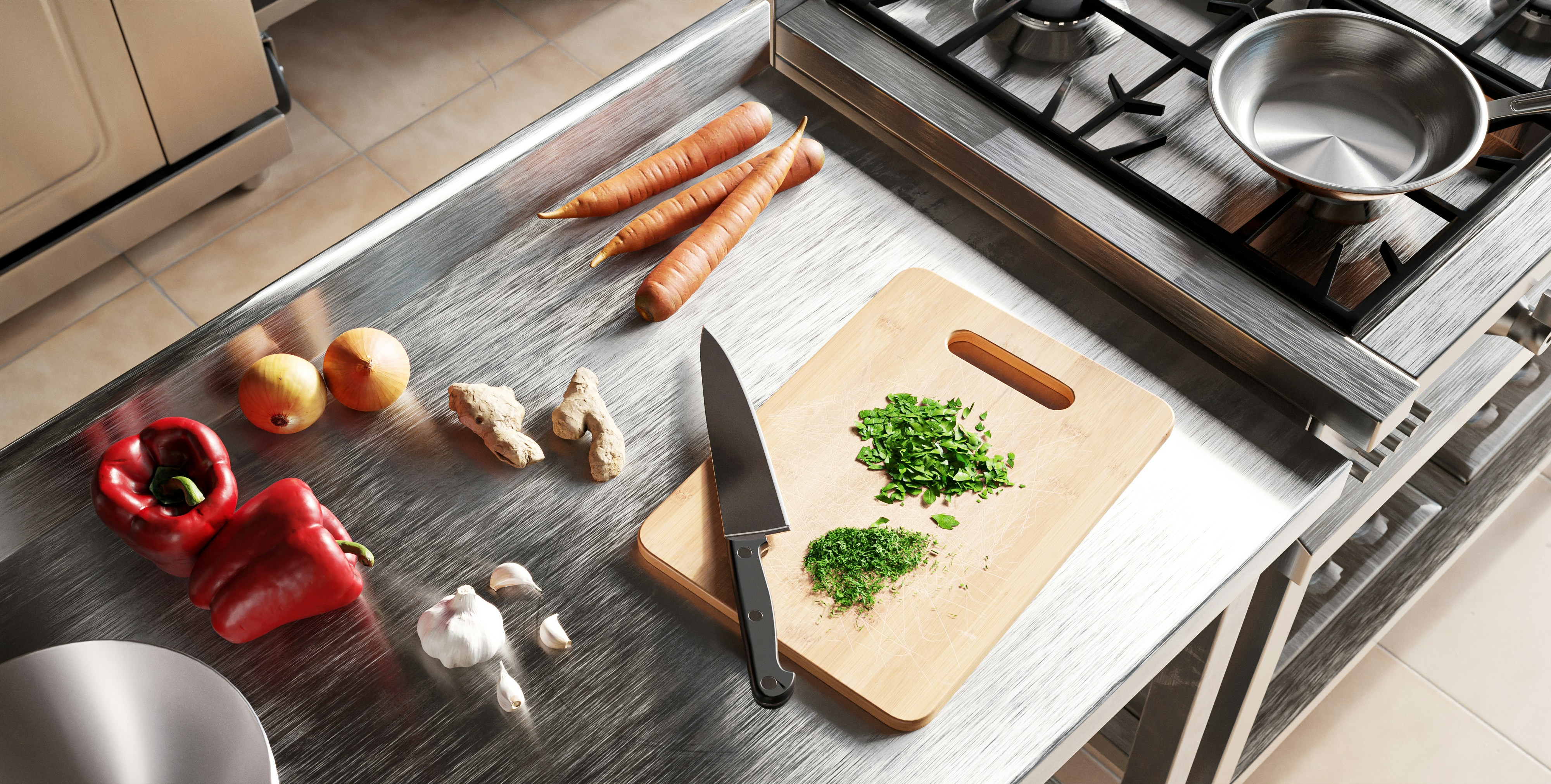
Demystifying the Material: What Exactly is in a Wheat Straw Cutting Board?
It's crucial for consumers to understand that the term "wheat straw cutting board" almost always refers to a composite material, not pure, compressed straw. The primary components are:
- Wheat Straw Fiber: This is the core sustainable ingredient, derived from the stalks of wheat plants. It acts as a natural filler, giving the board substance and reducing the amount of plastic needed.
- Binder (Polymer): To hold the fibers together and create a durable, non-porous surface, a binder is necessary. Most commonly, this is a food-grade polypropylene (PP). PP is a stable, widely-used plastic that is BPA-free and considered safe for food contact.
So, while these boards are not "plastic-free," they represent a significant step forward. By incorporating a large percentage of plant-based material, they drastically reduce the amount of petroleum-based plastic required compared to conventional cutting boards. High-quality manufacturers ensure that the polymers used are non-toxic, food-grade, and free from harmful chemicals like BPA. It's also interesting to note that despite its origin, wheat straw is naturally gluten-free, addressing a common question about potential allergens.
Why I Switched: The Unbeatable Advantages of a Wheat Straw Cutting Board for My Home.
Making the final decision to switch from my old, heavily scarred plastic cutting board wasn't just about aesthetics; it was a deliberate choice for a healthier, more sustainable home. I'd read about the potential for microplastic shedding from traditional boards and the environmental toll of their production. The more I learned about wheat straw cutting boards, the more the benefits stacked up, convincing me it was the right move for my family and my conscience.
A Greener Kitchen: How My Wheat Straw Cutting Board Supports Environmental Sustainability.
The single biggest draw for me was the powerful environmental story behind wheat straw. In a world grappling with plastic pollution and resource depletion, choosing products made from waste streams is a tangible way to make a difference. Here’s how my cutting board contributes to a healthier planet:
- Reduces Agricultural Waste: It puts agricultural byproducts to good use, preventing them from being burned and releasing pollutants.
- Lowers Plastic Consumption: While it contains a plastic binder, the overall volume of new, petroleum-based plastic is significantly reduced. This lessens our dependence on fossil fuels.
- Lower Carbon Footprint: The manufacturing process for wheat straw products is often less energy-intensive than that for conventional plastics, resulting in a lower carbon footprint.
- Promotes a Circular Economy: It embodies the principle of "waste-to-wealth," turning a discarded material into a long-lasting, valuable kitchen tool. This is a stark contrast to the linear "take-make-dispose" model of many traditional products.
Even though most wheat straw boards are not fully biodegradable due to their composite nature, they represent a significant step in the right direction. They champion resourcefulness and provide a practical, everyday alternative that eases the environmental burden of our kitchen routines.
Superior Hygiene: Keeping My Family Safe with a Naturally Cleaner Cutting Board.
Kitchen hygiene is non-negotiable, and a cutting board is on the front lines of food safety. My old plastic boards were a constant source of worry, with deep knife grooves that I felt could never be truly sanitized. This is where wheat straw boards offered me peace of mind.
While the term "antimicrobial" should be approached with care, some research indicates that wheat straw as a raw material possesses inherent antimicrobial properties. However, the primary hygienic advantage in the final product comes from its construction. High-quality wheat straw composite boards are:
- Non-Porous: Unlike wood, which can absorb liquids and bacteria if not properly maintained, the heat-pressed and bonded surface of a wheat straw board is dense and non-porous. This prevents juices from raw meat or vibrant vegetables from seeping in and harboring bacteria.
- Resistant to Deep Scratches: While not immune to marks, the surface is generally more resilient to the deep, bacteria-trapping gouges that plague softer plastic boards.
- Easy to Sanitize: Most high-quality wheat straw cutting boards are dishwasher-safe. The high heat and detergents of a dishwasher cycle provide a level of sanitation that is difficult to achieve by hand washing alone. This is a major advantage for busy families and anyone concerned with eliminating cross-contamination.
It's crucial to distinguish that while the raw material has noted benefits, the end product's hygiene depends heavily on its composite nature. Plastic boards are notorious for developing deep scratches that can harbor bacteria, and some studies suggest they can shed a significant amount of microplastics. Choosing a durable, well-made wheat straw board minimizes these risks, offering a cleaner and safer surface for my family's food.
Knife-Friendly and Durable: My Wheat Straw Cutting Board Protects Blades and Lasts Longer.
As someone who invests in good quality knives, protecting their sharp edges is a priority. Using a cutting board that's too hard, like glass or stone, is one of the fastest ways to dull a blade. Conversely, a board that's too soft gets destroyed quickly and becomes unhygienic.
Wheat straw cutting boards strike an ideal balance. The composite material is firm enough to provide a stable and secure cutting surface, yet it has enough "give" to be gentle on knife blades. This knife-friendly nature means my expensive knives stay sharper for longer, requiring less frequent honing and sharpening. Chopping on it is also noticeably quieter than on hard plastic boards.
In terms of durability, these boards are surprisingly tough. They are designed to withstand the rigors of daily kitchen use without warping, cracking, or splintering like wood sometimes can. They are lightweight and easy to handle, yet robust enough for everything from dicing delicate herbs to chopping dense root vegetables. This combination of durability and blade protection ensures that the cutting board is not only a sustainable choice but also a long-lasting and practical investment for any home cook.
My Top Pick: Discovering Chopaid's Wheat Straw Cutting Board for Peak Kitchen Performance.
After extensive research and comparing numerous options, one brand consistently stood out: Chopaid. My decision to choose their wheat straw cutting board was based not just on the material itself, but on the company's apparent commitment to quality, safety, and thoughtful design. It felt less like buying a generic product and more like investing in a well-crafted kitchen tool from a brand that understands the needs of a modern, health-conscious, and eco-aware home cook.
What Makes Chopaid's Wheat Straw Cutting Board a Cut Above the Rest? (Exploring unique features and design).
While many wheat straw cutting boards are entering the market, the offerings from Chopaid distinguish themselves through a combination of superior materials and intelligent design features that enhance the user experience.
Here’s what makes their boards a standout choice:
- Commitment to Safety: Chopaid emphasizes the use of high-quality, food-grade, and BPA-free materials in their composites. This transparency is crucial, as it provides assurance that no harmful chemicals will leach into your food. They focus on meeting stringent safety standards, a critical factor when choosing any item that comes into direct contact with what you eat.
- Enhanced Durability through Hot Pressing: Their boards are manufactured using a high-temperature hot pressing technique. This method creates an incredibly dense and non-porous surface that is more resistant to scratches and knife marks. This not only prolongs the life of the board but also significantly improves its hygienic properties by preventing bacteria from finding a place to hide.
- Thoughtful and Functional Design: Chopaid boards often incorporate features that real cooks appreciate. Many models include:
- Deep Juice Grooves: These channels run along the edge of the board to catch liquids from juicy fruits, vegetables, or resting meats, preventing messy spills on the countertop.
- Non-Slip Edges: Silicone or rubberized grips on the ends of the board ensure it stays firmly in place during vigorous chopping, a vital safety feature.
- Color-Coded Sets: They often offer multi-board sets in different colors. This is a brilliant feature for promoting kitchen hygiene, allowing you to designate specific boards for different food types (e.g., green for vegetables, red for raw meat) to prevent cross-contamination.
- Lightweight and Easy to Maintain: Despite their durability, the boards are lightweight and easy to maneuver. A huge plus is that they are typically dishwasher-safe, making for effortless cleanup and proper sanitization after every use.
These unique attributes demonstrate a design philosophy that goes beyond simply using a sustainable material; it focuses on creating a high-performance, safe, and user-friendly kitchen tool.
From Our Kitchen to Yours: Chopaid's Commitment to Quality and Eco-Conscious Design.
What truly resonates with me about the Chopaid brand is its holistic approach. There's a clear sense that they are not just jumping on an "eco-friendly" trend but are genuinely committed to providing better, safer, and more sustainable kitchen solutions.
This commitment is evident in several areas:
- Marrying Sustainability with Practicality: The brand understands that for a product to be truly successful, it can't just be good for the planet; it must also perform exceptionally well in the kitchen. Their designs reflect this balance perfectly. The use of wheat straw reduces plastic content, while the carefully selected food-grade binders ensure the product is durable, hygienic, and long-lasting.
- Focus on the User's Health: By prioritizing BPA-free and non-toxic materials, Chopaid shows a dedication to consumer health. In an era where concerns about microplastics and chemical leaching are growing, this focus on safety and transparency builds immense trust.
- Innovative Kitchen Solutions: The brand appears to be forward-thinking, constantly looking for ways to improve the everyday life of home cooks. Offering color-coded systems for hygiene and integrating practical features like juice grooves and non-slip feet shows they are listening to what consumers need and are dedicated to solving common kitchen frustrations.
This ethos transforms a simple cutting board into a statement. It says that you don't have to choose between sustainability, safety, and performance. With a brand like Chopaid, you can have it all. This commitment to a higher standard is what elevates their products and makes them a trustworthy choice for any kitchen.
Real-Life Review: My Everyday Experience with the Chopaid Wheat Straw Cutting Board.
After several weeks of putting my Chopaid wheat straw cutting board set through its paces, I can confidently share my real-life experience. I opted for a three-piece, color-coded set to fully embrace the hygienic potential.
My green board is now permanently stationed for fruits and vegetables. From slicing delicate tomatoes to dicing firm onions, the surface has been fantastic. My chef's knife glides smoothly without catching, and I’ve noticed the edge holds its sharpness better than with my old plastic board. The surface is hard enough for precision but has just enough give to be forgiving. Best of all, even after cutting potent veggies like garlic and onions, a quick wash is all it takes to leave it completely odor-free.
The yellow board I've designated for poultry. The non-slip edges are a true game-changer here, providing a stable, secure base when I’m handling slippery raw chicken. The non-porous surface gives me incredible peace of mind; I know that no bacteria-laden juices are soaking into the material. After prepping, it goes straight into the dishwasher, and it comes out looking pristine and feeling sanitized, with no warping or signs of wear.
The blue board is my go-to for raw red meat and fish. The deep juice groove has saved my countertop from countless messes, expertly catching run-off from steaks and salmon fillets. It has proven impressively stain-resistant, showing no lingering discoloration even after being in contact with richly colored marinades.
Overall, the experience has been a significant upgrade. The boards are light enough to move from counter to stove with ease, yet feel solid and reliable under the knife. The cleanup is a breeze, and the color-coding has made me more disciplined and confident in my food prep hygiene. My Chopaid cutting boards have seamlessly integrated into my kitchen, proving to be not just a sustainable choice, but a genuinely superior tool for everyday cooking.
Mastering Maintenance: Keeping Your Wheat Straw Cutting Board Hygienic and Long-Lasting.
Choosing a sustainable kitchen tool is the first step; learning how to care for it ensures it remains a safe, effective, and durable part of your culinary arsenal for years to come. One of the greatest advantages of a high-quality wheat straw cutting board is its low-maintenance nature. By following a few simple routines, you can easily keep your board in pristine condition, safeguarding both your investment and your family's health.
Easy Cleaning Routines: Ensuring Your Wheat Straw Cutting Board Stays Pristine.
Proper cleaning is the cornerstone of kitchen hygiene. Unlike wooden boards that require special care, wheat straw composite boards are refreshingly straightforward to maintain.
Daily Cleaning:
- Immediate Wash: The best practice is to wash your board with warm, soapy water immediately after each use. Use a soft sponge or cloth to gently scrub the surface, removing all food particles.
- Rinse Thoroughly: After washing, rinse the board with clean water to remove any soap residue.
- Air Dry Correctly: Stand the cutting board on its edge or place it in a dish rack to air dry completely. Avoid laying it flat while wet, as this can trap moisture.
Dishwasher Use:
- Check the Manufacturer's Instructions: Most high-quality wheat straw cutting boards are designed to be dishwasher-safe, which is a major benefit for deep cleaning and sanitization. Always confirm that the manufacturer recommends it.
- Top Rack is Best: When using the dishwasher, place the cutting board on the top rack. The heating element is at the bottom, and placing it on the top rack prevents exposure to extreme, direct heat that could cause warping over time.
- Avoid High-Heat Cycles: Steer clear of "sanitize" or extra-hot drying cycles if possible. A normal wash cycle is sufficient for cleaning and is gentler on the board's material, helping to prolong its life.
Deep Cleaning & Deodorizing: For those times when you've been working with potent ingredients like garlic, onions, or fish, you can easily deodorize your board. Create a paste of baking soda and water, spread it over the surface, let it sit for a few minutes, and then wash as usual. Alternatively, wiping the board with a cloth dampened with white vinegar can also help neutralize strong odors.
Care and Longevity: Tips to Maximize the Lifespan of Your Sustainable Kitchen Essential.
With proper care, a good quality wheat straw cutting board can last for several years of regular home use. Here are some key tips to ensure you get the most out of your board:
- Avoid Extreme Heat: While they can handle hot water, do not use your cutting board as a trivet for hot pots and pans straight from the stove or oven. The working heat range for most boards is up to about 176–194°F (80–90°C), and excessive heat can cause damage.
- Use for Intended Purpose: These boards are perfect for chopping, dicing, and slicing fruits, vegetables, cheeses, and boneless meats. Avoid using them for heavy-duty butchering, like chopping through bones, which can cause deep gouges and damage the surface.
- Store Properly: Once clean and completely dry, store your cutting boards upright in a rack or on their side. This allows for continuous air circulation and prevents moisture from getting trapped.
- Rotate and Replace: Like any cutting board, a wheat straw board will eventually show signs of wear. With normal use, you can expect a lifespan of 2-5 years. When the board develops deep scratches that are difficult to clean or becomes significantly warped, it's time to replace it to ensure optimal hygiene.
By following these simple maintenance steps, your wheat straw cutting board will remain a reliable, hygienic, and beautiful tool in your kitchen, serving as a daily reminder of your commitment to both quality cooking and a sustainable lifestyle.
Frequently Asked Questions (FAQ)
1. Are wheat straw cutting boards truly better than plastic? It depends on the composition, but in many ways, yes. A high-quality wheat straw cutting board reduces the amount of new, petroleum-based plastic needed by using an agricultural byproduct. They are often more durable and less prone to deep, bacteria-trapping scratches than cheap plastic boards. However, since most are a composite containing a plastic binder, they can still shed microplastics, though often less than a standard plastic board under the same wear.
2. Are wheat straw cutting boards completely biodegradable? Most wheat straw cutting boards available on the market are a composite of wheat straw fibers and a plastic binder (like polypropylene). This means they are not fully biodegradable. The wheat straw component is biodegradable, but the plastic binder is not. Always check for specific manufacturer claims, but assume it should be disposed of like other plastics unless certified as compostable.
3. Will a wheat straw cutting board dull my knives? No, wheat straw cutting boards are generally considered knife-friendly. The material is softer than hard materials like glass, stone, or even dense bamboo, but firm enough for a stable cutting surface. This balance helps protect the edge of your knives, keeping them sharper for longer compared to harder boards.
4. Are these cutting boards safe and non-toxic? Reputable brands produce wheat straw cutting boards that are food-grade, BPA-free, and non-toxic. The key is to purchase from a trusted manufacturer like Chopaid that is transparent about its materials and safety certifications. Avoid unbranded, cheap imports that may not adhere to the same safety standards.
5. How long do wheat straw cutting boards last? With regular home use and proper care (including avoiding extreme heat and heavy butchering), a quality wheat straw cutting board can last between 2 to 5 years. Dishwashing on normal, non-high-heat cycles will help maintain its integrity. You should replace it when it becomes heavily scored, stained, or warped.
Conclusion
Embracing a wheat straw cutting board, especially from a brand like Chopaid, is more than just choosing a kitchen tool; it's a conscious step towards a healthier, more sustainable lifestyle. It represents a commitment to reducing waste, prioritizing family health, and supporting innovation that benefits our planet without compromising on performance.
I encourage you to consider making the switch and experience firsthand the remarkable difference a wheat straw cutting board can make in your daily cooking and commitment to eco-friendly living. Your kitchen, your knives, and our planet will thank you