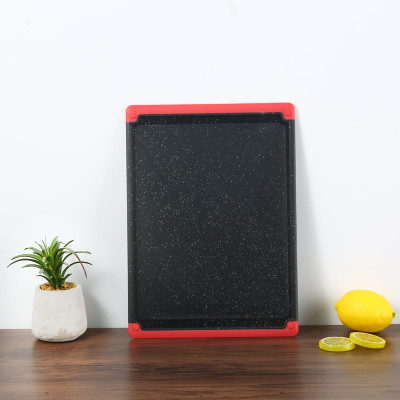
What to Consider When Choosing a Black Plastic Cutting Board for Durability and Hygiene
When I think about my kitchen, one tool I use almost daily is a cutting board. Many of us might grab a black plastic cutting board without a second thought, maybe because it looks sleek or seems easy to clean. Plastic boards are a popular choice for their affordability, light weight, and the convenience of being dishwasher-safe.
But, like many kitchen essentials, choosing the right cutting board involves more than just aesthetics. I believe it's crucial to consider hygiene, long-term durability, and even the environmental impact. The material of your cutting board can directly influence food safety, the longevity of your knives, and even your exposure to unwanted chemicals and microplastics.
Join me as we explore what you really need to consider when picking out a black plastic cutting board, and whether it’s truly the best choice for your kitchen and health. We'll delve into the nuances of durability, the hidden hygiene risks, and sustainable alternatives that can elevate your food preparation experience.
Key Takeaways
- Initial Appeal vs. Reality: Black plastic cutting boards are popular due to their sleek look, stain-hiding ability, and initial low cost. However, their durability is often compromised as knife marks quickly accumulate.
- Hygiene Concerns: Scratches and grooves in plastic boards become breeding grounds for harmful bacteria like Salmonella and E. coli, which can be difficult to remove even with thorough cleaning.
- Microplastics and Chemicals: A significant concern is the shedding of microplastics into your food with every chop. There's also a risk of chemical leaching from certain types of plastics, especially when they degrade.
- Antimicrobial Limitations: While some boards feature antimicrobial additives, these are not a substitute for proper cleaning and sanitation. Bacteria can still thrive in deep cuts, and the effectiveness of these agents can wane over time.
- Superior Alternatives: Materials like wood composites offer a more durable, hygienic, and sustainable option. They are non-porous, gentle on knives, and do not pose the risk of microplastic contamination.
- When to Replace: Any cutting board, regardless of material, should be replaced once it develops deep grooves, cracks, or becomes difficult to clean, as these defects compromise food safety.
Understanding the Initial Appeal and Perceived Durability of Black Plastic Cutting Boards
Black plastic cutting boards have a strong presence in both home and professional kitchens, and it's easy to see why. Their initial allure is a combination of modern aesthetics, affordability, and the promise of convenience. However, this initial appeal often masks underlying issues with their long-term durability and safety.
The Immediate Convenience: Why We're Drawn to Black Plastic Boards
The attraction to black plastic cutting boards is immediate and understandable. Here's a breakdown of why they're so appealing at first glance:
- Aesthetic Appeal: A black cutting board often looks sleek, modern, and professional. It can seamlessly blend into kitchens with dark countertops or stainless-steel appliances, providing a more polished look than a brightly colored or worn wooden board. This aesthetic advantage is a significant draw for those who value kitchen design.
- Stain Hiding: One of the most practical benefits is the board's ability to hide unsightly stains. Foods like beets, turmeric, and red berries can permanently discolor lighter-colored boards, making them look dirty even when clean. A black surface masterfully conceals these marks, maintaining a cleaner appearance for longer.
- Affordability and Accessibility: Plastic cutting boards are generally inexpensive and widely available. This makes them an easy and budget-friendly choice for outfitting a new kitchen or replacing an old board without much financial commitment.
- Ease of Cleaning: High-quality plastic, such as high-density polyethylene (HDPE), is non-porous. This means it doesn't absorb liquids, juices, or odors from food, which is a significant advantage for hygiene. Many are dishwasher-safe, allowing for easy and effective sanitization with high heat and strong detergents.
- Lightweight and Versatile: Compared to hefty wood or stone blocks, plastic boards are lightweight and easy to handle. This makes them convenient to move from counter to stovetop, easy to store, and suitable for a variety of tasks, from chopping vegetables to prepping raw meat.
This combination of style, perceived cleanliness, low cost, and practicality makes black plastic cutting boards a go-to choice for many home cooks and even some professional settings.

When Durability Fades: The Impact of Knife Marks on Your Black Plastic Cutting Board
While sleek and stylish when new, the durability of a black plastic cutting board is often short-lived. The very nature of its use—being a surface for sharp knives—is also its downfall. Over time, that smooth, pristine surface becomes a map of cuts, nicks, and deep grooves.
The issues that arise from these knife marks are more than just cosmetic:
- Reveals Scratches Prominently: Although a black surface hides food stains well, it can actually make whiteish stress marks from knife cuts more visible under certain lighting, detracting from its sleek appearance.
- Creates Unsanitary Havens: This is the most significant drawback. Each cut and groove becomes a microscopic trench where food particles, moisture, and bacteria can hide. These crevices are notoriously difficult to clean thoroughly, even in a dishwasher. Harmful bacteria like E. coli and Salmonella, often from raw meat, can become trapped and multiply, creating a serious risk of cross-contamination.
- Compromises Structural Integrity: Over months of daily use, the accumulation of deep scores weakens the board. It can begin to feel fuzzy or rough to the touch. Eventually, plastic boards can warp, especially with repeated dishwasher cycles at high temperatures, causing them to become unstable and unsafe for chopping.
- Leads to Frequent Replacement: Unlike high-quality wooden boards that can be sanded and restored, once a plastic board is heavily scarred, it's generally considered unsafe and must be thrown away. While initially cheaper, the need to replace them every one to two years means they can be more costly and wasteful in the long run.
In essence, the very function of a cutting board degrades a plastic one to the point of being unhygienic. A board that starts as a convenient, non-porous surface quickly becomes a porous, bacteria-laden tool that compromises the safety of the food prepared on it.
The Hidden Hygiene Challenges of Your Black Plastic Cutting Board
While a black plastic cutting board may look clean on the surface, its composition and inevitable wear-and-tear introduce significant hygiene risks that are often invisible to the naked eye. From microplastic shedding to bacterial growth and chemical leaching, these challenges warrant serious consideration for anyone concerned about food safety and long-term health.
Microplastics: An Unseen Contaminant From Your Black Plastic Board
One of the most alarming modern discoveries about plastic kitchenware is the shedding of microplastics. Every time you chop, slice, or dice on a plastic cutting board, the knife's blade scrapes against the surface, releasing thousands, if not millions, of tiny plastic particles directly into your food.
Here's what scientific research has uncovered:
- Significant Annual Exposure: Studies have shown that routine chopping on plastic surfaces can lead to significant microplastic ingestion. Research from North Dakota State University estimated that a person could be exposed to between 14.5 and 71.9 million polyethylene microplastic particles annually from their cutting board. This could equate to ingesting around 50 grams of microplastics per year—roughly the weight of ten credit cards.
- Material Matters: The type of plastic influences the amount of shedding. Studies indicate that polypropylene (PP) boards may release even more microplastics than polyethylene (PE) boards, which are also common. One analysis found that polypropylene boards could generate an annual exposure of 79.4 million microparticles.
- Particle Size and Infiltration: These particles range from visible shavings down to nano-sized fragments that are invisible to the naked eye. Once ingested, while larger particles may pass through the digestive system, there is growing concern that smaller particles can be absorbed into the body's tissues, including the bloodstream, liver, and kidneys, where they may accumulate.
- Potential Health Consequences: While research into the long-term health effects on humans is still ongoing, preliminary studies and expert analysis point to several risks. Ingested microplastics are linked to inflammation, disruption of the gut microbiome, oxidative stress, and potential hormone disruption due to the chemicals they carry.
The "non-porous" benefit of a new plastic board is quickly negated as it degrades. With every meal prepared, you are unintentionally seasoning your food with a dose of plastic, turning a tool meant for nourishment into a source of contamination.

Bacterial Breeding Grounds in Scratches on Any Plastic Surface
Perhaps the most significant flaw of any plastic cutting board lies in the very scratches and grooves created by knife use. While a new board has a smooth, non-porous surface, it quickly deteriorates into a landscape of microscopic safe havens for dangerous bacteria.
The problem unfolds in several stages:
- The Formation of Grooves: Every slice with a knife creates tiny cuts on the plastic surface. Over time, these cuts deepen and multiply, forming a network of crevices. Research has highlighted that even with normal use, plastic boards will inevitably become scarred.
- A Perfect Hiding Place for Bacteria: These knife grooves are the perfect environment for bacteria like Salmonella, Campylobacter, and E. coli to thrive. When you cut raw meat or poultry, juices containing these pathogens seep into the scratches. Because the grooves protect them from being washed away, the bacteria can survive and multiply, especially if the board remains moist.
- The Ineffectiveness of Cleaning: While a new plastic board is easy to sanitize, a scarred one is a different story. Studies from institutions like the University of Wisconsin have found that bacteria can remain trapped deep inside these grooves even after hand washing or running the board through a dishwasher. The high heat of a dishwasher may not be sufficient to sanitize these microscopic fissures, making the board a persistent source of cross-contamination.
- Cross-Contamination Risk: The danger becomes acute when the same board is used for different food items. For example, if you chop raw chicken and then use the same board to slice vegetables for a salad, the bacteria lingering in the scratches can easily transfer to the ready-to-eat food, leading to foodborne illness.
Interestingly, studies have shown that wood cutting boards may handle bacteria more effectively. The porous nature of wood can draw bacteria down into its fibers through capillary action, where they become trapped and eventually die as the board dries. In contrast, bacteria on a plastic surface remain in the grooves where they can continue to pose a threat.
Ultimately, a heavily used plastic cutting board transforms from a hygienic surface into an un-sanitizable bacterial reservoir, making it a liability in any kitchen.
The Chemical Cocktail: What Might Be Leaching From Your Black Plastic Cutting Board
Beyond the physical risks of microplastics and bacteria, plastic cutting boards introduce a chemical dimension of concern. Plastics are not pure, inert substances; they are complex polymers often mixed with additives, and the source of the plastic itself can be a major issue, especially with black plastics.
Here are the primary chemical concerns:
- Leaching of BPA and Phthalates: Many rigid plastics, including some used for kitchenware, have historically contained chemicals like Bisphenol A (BPA) and phthalates. These are known endocrine disruptors, meaning they can interfere with the body's hormonal systems. Exposure has been linked to a range of health issues, including reproductive problems, developmental delays in children, and an increased risk of certain cancers. Although many products are now labeled "BPA-free," manufacturers may substitute it with other bisphenols (like BPS or BPF) whose long-term health effects are not yet fully understood. Leaching can increase when the plastic is scratched, aged, or exposed to heat, such as in a dishwasher.
- The "Black Plastic" Problem: Black plastics pose a unique and significant risk. Because black pigments make optical sorting at recycling facilities difficult, a common source for black plastic is recycled electronic waste (e-waste). This e-waste, from items like old computer casings and TVs, was never intended for food contact and often contains a cocktail of hazardous chemicals.
- Contaminants from E-Waste: Studies have found that black plastic kitchen utensils and containers can contain dangerous substances, including:
- Brominated Flame Retardants (BFRs): These chemicals are used to prevent electronics from catching fire. They are persistent, bioaccumulative, and have been linked to neurotoxicity, endocrine disruption, and cancer. Even banned flame retardants have been found in new consumer products, indicating their origin from recycled e-waste.
- Heavy Metals: Lead, cadmium, mercury, and other heavy metals can also be present in black plastic made from e-waste. These metals are highly toxic and can accumulate in the body, causing damage to the nervous system, kidneys, and other organs.
When you use a black plastic cutting board, especially a worn one, you not only risk ingesting microplastics but also a mix of these leached chemicals. The combination of physical degradation and chemical composition makes a black plastic cutting board a potential source of long-term, low-dose exposure to a variety of harmful substances.
Are Antimicrobial Black Plastic Cutting Boards a True Solution for Enhanced Hygiene?
In response to growing concerns about bacterial contamination, manufacturers have introduced "antimicrobial" cutting boards. These products are embedded with substances designed to inhibit the growth of microbes. But are they a silver bullet for kitchen hygiene, or just a marketing gimmick? Let's examine how they work and their actual limitations.
How Built-in Antimicrobial Technology Works
Antimicrobial cutting boards are manufactured with specific additives integrated directly into the plastic. These agents are designed to provide an additional layer of protection against microbes.
The most common antimicrobial technologies work in one of the following ways:
- Silver Ion Technology: This is one of the most widespread methods. Silver ions are embedded into the polymer matrix during manufacturing. When bacteria, mold, or mildew come into contact with the board's surface, these silver ions are released. They disrupt the microbes' cellular functions in multiple ways—damaging cell walls, interfering with enzyme production, and preventing DNA replication. This inhibits their ability to grow and reproduce, eventually causing them to die. Since the silver is integrated into the material, its effect is meant to last for the lifetime of the product.
- Triclosan and Other Chemical Agents: In the past, synthetic antibacterial chemicals like triclosan were sometimes used in consumer products, including cutting boards. Triclosan works by inhibiting an enzyme essential for bacteria to build their cell walls. However, the use of triclosan has become controversial due to concerns about its potential to contribute to antibiotic-resistant bacteria and its risks to human health and the environment. As a result, its use in many consumer products has been curtailed or banned by regulatory bodies like the FDA.
- Organic Antimicrobial Compounds: Some cutting boards use other types of organic additives that are formulated to disrupt microbial growth. These compounds are also built into the plastic to provide continuous surface protection.
The core idea behind this technology is to create a surface that is inherently hostile to germs, keeping the cutting board "cleaner between cleanings." Manufacturers often claim this technology helps reduce odors and stains caused by microbial growth, thus extending the product's usable life.
The Limitations: Why Antimicrobial Doesn't Replace Good Cleaning Habits for Plastic Boards
While the concept of a self-sanitizing cutting board is appealing, the reality is that antimicrobial additives have significant limitations. They are far from a cure-all and can even create a false sense of security.
Here’s why you shouldn't rely solely on this technology:
- No Substitute for Cleaning: Manufacturers and food safety experts are clear on this point: antimicrobial technology is meant to keep the board cleaner between cleanings, not replace the need for them. Food debris, oils, and juices must still be physically removed with hot, soapy water. Without proper washing, bacteria can thrive on the leftover food particles, regardless of the antimicrobial agent in the plastic.
- Ineffective in Scratches and Grooves: The primary hygiene issue with plastic boards is the deep knife grooves that form over time. Antimicrobial agents work on the surface of the plastic. They are far less effective, if at all, inside these deep cuts where food particles and bacteria become trapped. A study assessing triclosan-containing boards found they showed limited to no antibacterial effect under humid conditions or when contaminated with food matter, as the bacteria are shielded from the active agent.
- Effectiveness Can Diminish: The efficacy of these agents isn't infinite. Repeated washing, especially in a high-heat dishwasher, can potentially reduce the effectiveness of some surface-level antimicrobial agents over time. One study noted that repeated washing of triclosan-containing boards reduced their antibacterial effect, suggesting the amount of the active compound on the surface is limited and can be depleted.
- Conditions Matter: The effectiveness of antimicrobial agents can be highly dependent on environmental conditions. For instance, some studies on triclosan-containing boards showed a more pronounced effect only under conditions of low humidity and long exposure times—scenarios that don't reflect typical kitchen use where surfaces are often wet. In one experiment, there was no difference in bacterial counts between a regular board and a triclosan board after one hour of contact with contaminated chicken.
- Doesn't Kill Instantly: Antimicrobial technology inhibits growth; it doesn't instantly sterilize the surface. It takes time for the agents to have an effect on the microbes. This is not sufficient to prevent cross-contamination in a fast-paced cooking environment where a board might be used to cut raw meat and then immediately for vegetables.
In summary, an "antimicrobial" label does not make a plastic cutting board immune to bacterial risks. The fundamental problem of knife grooves creating safe havens for bacteria remains. Diligent cleaning and sanitizing are still essential, and even then, a heavily scarred antimicrobial board should be discarded just like any other worn-out plastic board.
My Chopaid Recommendation: Paving the Way for Sustainable & Hygienic Cutting Beyond the Black Plastic Board
After examining the significant drawbacks of black plastic cutting boards—from their short-term durability and hygiene risks to the shedding of microplastics and potential for chemical leaching—it's clear that a better solution is needed. My focus has shifted toward materials that not only perform exceptionally but also prioritize health and environmental sustainability. This is where alternatives like those offered by companies such as Chopaid come into the picture.
Considering the Long-Term Cost to Your Health and the Environment
When selecting kitchen tools, it's easy to focus on the immediate cost and convenience. A plastic cutting board is inexpensive and seems practical. However, this short-term view overlooks the significant long-term costs to both your personal health and the planet.
The Health Cost: The daily, seemingly minor, exposure to microplastics and leached chemicals from a degraded plastic board represents a chronic health risk. While the full impact of microplastic ingestion is still under investigation, emerging research links it to potential issues like gut inflammation, hormone disruption, and other systemic problems. Over years of use, this low-dose exposure accumulates, turning a simple kitchen utensil into a potential contributor to long-term health concerns. The cost here isn't measured in dollars but in potential well-being.
The Environmental Cost: Plastic cutting boards exemplify the "disposable" culture that harms our environment. Their short lifespan means they need frequent replacement, contributing to a constant cycle of waste. Here’s a look at the environmental toll:
- Fossil Fuel Dependence: Most plastics, including polyethylene and polypropylene used for cutting boards, are derived from non-renewable fossil fuels. Their production is energy-intensive and contributes to carbon emissions.
- Landfill Burden: Once a plastic board becomes heavily scarred and unhygienic, it must be thrown away. These boards are difficult, if not impossible, to recycle due to food contamination and the type of plastic used. As a result, they end up in landfills, where they persist for hundreds of years, breaking down into smaller microplastics that contaminate soil and water.
- Microplastic Pollution: The microplastics shed during use don't just end up in our food. When boards are washed, these particles enter our wastewater systems. Many are too small to be filtered out by treatment plants and ultimately pollute rivers and oceans, harming aquatic life and re-entering the human food chain.
Choosing a cutting board is an opportunity to make a more conscious decision—one that invests in durability and safety for yourself and reduces your environmental footprint.
The Chopaid Alternative: Embracing Nature's Best for Superior Durability and Hygiene
For those ready to move beyond the limitations of plastic, a world of superior, sustainable materials awaits. One of the most promising categories is wood fiber composite cutting boards. These innovative boards are crafted by compressing layers of wood fibers—often from sustainably sourced trees like pine—with a food-safe resin under intense heat and pressure. The result is a material that combines the best properties of wood and plastic, without their respective drawbacks.
Here's why I see this as the future-forward choice and a core part of the Chopaid philosophy:
- Exceptional Durability: Wood fiber composite boards are incredibly dense and resilient. They are engineered to withstand heavy daily use without warping, cracking, or splitting, which is a common failure point for both plastic and some solid wood boards. This longevity makes them a truly sustainable investment.
- Superior Hygiene: The high-pressure manufacturing process creates a non-porous surface. Unlike scarred plastic or porous wood, this surface resists absorbing juices, odors, and bacteria. This makes the board significantly easier to clean and sanitize, drastically reducing the risk of cross-contamination and bacterial growth.
- Knife-Friendly Surface: While extremely durable, the surface has enough "give" to be gentle on your expensive knife blades. It won't dull your knives as quickly as hard materials like glass, stone, or even bamboo, helping to maintain a sharp, safe edge for longer.
- No Microplastic Shedding: Because these boards are not made from traditional plastics like polyethylene or polypropylene, you eliminate the risk of shedding microplastics into your food. The material is stable and does not fragment under the pressure of a knife.
- Heat Resistant and Dishwasher Safe: A major advantage over traditional wood boards is that most high-quality composite boards are heat-resistant up to 350°F (176°C) and are completely dishwasher safe. This allows for effortless, high-heat sanitization, combining the convenience of plastic with the safety of a non-leaching material.
- Eco-Friendly Materials: Many composite boards are made from materials certified by the Forest Stewardship Council (FSC), ensuring the wood fibers come from responsibly managed forests. This commitment to sustainability makes them a choice you can feel good about.
By embracing materials like wood fiber composite, we are not just choosing a better cutting board; we are adopting a more responsible and healthier approach to cooking. It's a move away from disposable, problematic plastics toward a durable, hygienic, and sustainable tool that truly belongs in a modern, health-conscious kitchen.
When It's Time to Say Goodbye to Any Cutting Board
No matter how high-quality or durable, every cutting board has a finite lifespan. Using a board past its prime isn't just an aesthetic issue—it's a serious food safety risk. Knowing when to retire your board is just as important as choosing the right one in the first place.
Here are the universal signs that it’s time to replace your cutting board, regardless of the material:
- Deep Grooves and Scratches: This is the number one reason for replacement. If your board has deep cuts that you can feel with your fingernail, it’s no longer possible to clean it effectively. These grooves trap moisture and bacteria, turning your board into a cross-contamination hazard. For plastic boards, this often happens within one to two years of regular use.
- Warping or Cracking: A board that no longer sits flat on the counter is a safety risk, as it can slip during chopping and cause injury. Warping is common in plastic boards exposed to high-heat dishwasher cycles and in wooden boards that have been improperly washed or dried. Cracks, whether in wood, bamboo, or composite, also create impossible-to-clean crevices for bacteria.
- Persistent Stains or Odors: If your cutting board retains strong odors (like garlic or raw meat) or has stubborn stains that don't come out with deep cleaning, it's a sign that bacteria and food residues have penetrated the material. At this point, the board can no longer be considered hygienic.
- Visible Mold or Dark Spots: Any sign of mold or dark, blackish spots, especially within cracks or deep grooves, means the board is contaminated and should be discarded immediately. This is often a sign that moisture has been trapped in the material for too long.
- Excessive Roughness or "Fuzzy" Texture: If the surface of your board feels fibrous, fuzzy, or excessively rough even after cleaning, it indicates that the material is breaking down. For plastic boards, this is a clear sign it is shedding microplastics. For wood boards, it means the fibers are damaged and can soak up moisture and germs.
A typical plastic cutting board may only last one to five years before it becomes a hygiene risk. Higher-quality materials like solid hardwood or wood fiber composites can last significantly longer—often over a decade—but even they must be retired once they show these signs of wear. Regularly inspecting your cutting board is a critical step in maintaining a safe and healthy kitchen.
In my kitchen, making informed choices is key, and cutting boards are no exception. While a black plastic cutting board might offer initial convenience and a sleek look, understanding its potential downsides for hygiene and long-term durability is essential for any thoughtful cook. The risks of bacterial growth in scratches, contamination from microplastics, and exposure to leached chemicals are too significant to ignore.
I encourage you to weigh these factors carefully. Opting for materials that truly support both your health and the planet, like the sustainable and hygienic wood composite options I explored, can make a real difference in your daily cooking. A cutting board is one of the most-used tools in your kitchen; it should be a partner you can trust implicitly.
Ultimately, the best cutting board is one that you can rely on for its cleanliness, its durability, and its safety. Making the switch to a superior material is a small change that offers lasting peace of mind and elevates your entire culinary experience.
Frequently Asked Questions (FAQ)
Q1: Why is a black plastic cutting board a poor choice for long-term use?
A1: Black plastic cutting boards are a poor long-term choice due to several key issues. They develop deep knife grooves that are difficult to sanitize and become breeding grounds for bacteria. They also shed microplastics into your food with every cut and can leach harmful chemicals, especially if made from recycled electronic waste. Their short lifespan of 1-2 years makes them environmentally costly as well.
Q2: Are antimicrobial cutting boards really more hygienic?
A2: Not necessarily. While antimicrobial additives can inhibit bacterial growth on the surface, they are ineffective inside the deep knife cuts where bacteria and food particles hide. Studies have shown their effect is limited and they are not a substitute for thorough cleaning. A heavily scarred antimicrobial board poses the same hygiene risks as a regular plastic board.
Q3: What makes wood fiber composite a better alternative?
A3: Wood fiber composite boards are a superior alternative because they are non-porous, highly durable, and hygienic. They are resistant to deep scratches, do not warp in the dishwasher, and are heat resistant. Critically, they do not shed microplastics or leach harmful chemicals. They combine the durability and knife-friendliness of wood with the ease of maintenance of plastic, making them a safer and more sustainable option.
Q4: How can I tell when it's time to replace my cutting board?
A4: You should replace any cutting board when it has deep grooves that you can feel with your fingernail, as these cannot be properly cleaned. Other signs include warping (the board doesn't sit flat), cracks, persistent stains or odors that won't wash out, or any visible signs of mold.
Q5: Is wood a better alternative to plastic?
A5: High-quality hardwood cutting boards are generally a better choice than plastic. Wood has natural antimicrobial properties; its porous structure can trap and kill bacteria as the board dries. However, wood requires more maintenance (hand-washing and regular oiling) and can still be susceptible to cracking if not cared for properly. Materials like wood fiber composite often provide a more low-maintenance yet equally hygienic alternative.