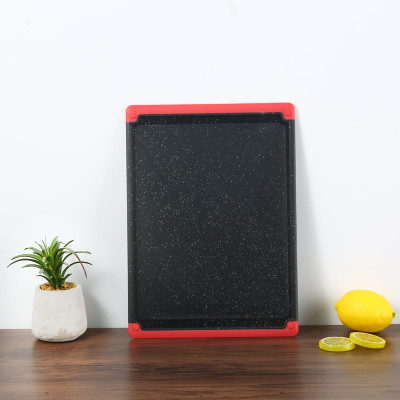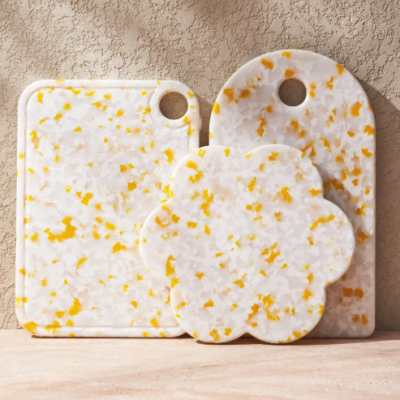
Wheat Straw Eco-Friendly Cutting Boards Explained: Durability & Sustainability
Hello, fellow kitchen enthusiasts and sustainability seekers! Today, I want to talk about an exciting innovation that's making waves in our culinary spaces: wheat straw eco-friendly cutting boards. We all rely on cutting boards daily, but have we ever paused to consider their impact on the environment? I'm here to explain how wheat straw eco-friendly cutting boards, like the fantastic options from Chopaid, offer a perfect blend of durability, safety, and environmental responsibility. If you're looking to make your kitchen a greener space without sacrificing quality, you've come to the right place.
Key Takeaways
For those in a hurry, here’s a quick rundown of why wheat straw cutting boards are a game-changer for any eco-conscious kitchen:
- What is Wheat Straw? It is the stalk left over after wheat grains are harvested. Instead of being discarded or burned, this agricultural byproduct is repurposed into a durable composite material. This process turns waste into a valuable resource, promoting a circular economy.
- Superior Sustainability: Wheat straw is a renewable resource that requires no additional land, water, or resources to grow, as it's a byproduct of existing agriculture. Manufacturing boards from wheat straw significantly reduces the carbon footprint compared to petroleum-based plastics and helps prevent deforestation associated with some wooden boards.
- Exceptional Durability and Longevity: Contrary to what the name might suggest, wheat straw boards are incredibly tough. They are dense, non-porous, and built to withstand the rigors of daily chopping. They resist deep knife grooves, preventing warping, cracking, and staining far better than many traditional plastic or wood boards.
- Hygiene and Food Safety: The non-porous surface of wheat straw boards is a major advantage. It doesn't absorb liquids or food particles, making it less likely to harbor bacteria, stains, or odors. Reputable brands like Chopaid ensure their boards are made from food-grade, BPA-free materials, offering a non-toxic surface for all your food preparation needs.
- User-Friendly Design: These eco-friendly boards are designed with the home cook in mind. They are typically lightweight for easy handling and storage, yet sturdy enough for heavy-duty tasks. Many feature practical additions like non-slip edges and juice grooves, and their surface is knife-friendly, helping to keep your blades sharper for longer.
- Easy Maintenance: Wheat straw cutting boards are incredibly low-maintenance. A simple wash with soap and water is usually all that’s needed. Most are also dishwasher-safe, offering a convenient and effective way to ensure they are perfectly clean and sanitized after each use.
- End-of-Life Responsibility: While their disposal depends on the specific binder used in their composition, wheat straw boards represent a step forward in responsible product design. Many are biodegradable in industrial composting facilities, returning to the earth instead of languishing in a landfill for centuries like plastic.
By choosing a wheat straw cutting board, you are not just getting a high-performance kitchen tool; you are making a conscious choice to support sustainable innovation, reduce waste, and protect the planet.
Unpacking the Appeal of Wheat Straw Eco-Friendly Cutting Boards
In a world increasingly focused on sustainability, even the most common household items are being reimagined. The humble cutting board is a prime example. For years, our choices were limited to wood or plastic, each with its own set of environmental and practical drawbacks. Now, a third option is gaining massive popularity for all the right reasons: the wheat straw cutting board. This section will delve into what this innovative material is, how it’s made, and why it’s a superior choice for the planet.
What Exactly is Wheat Straw?
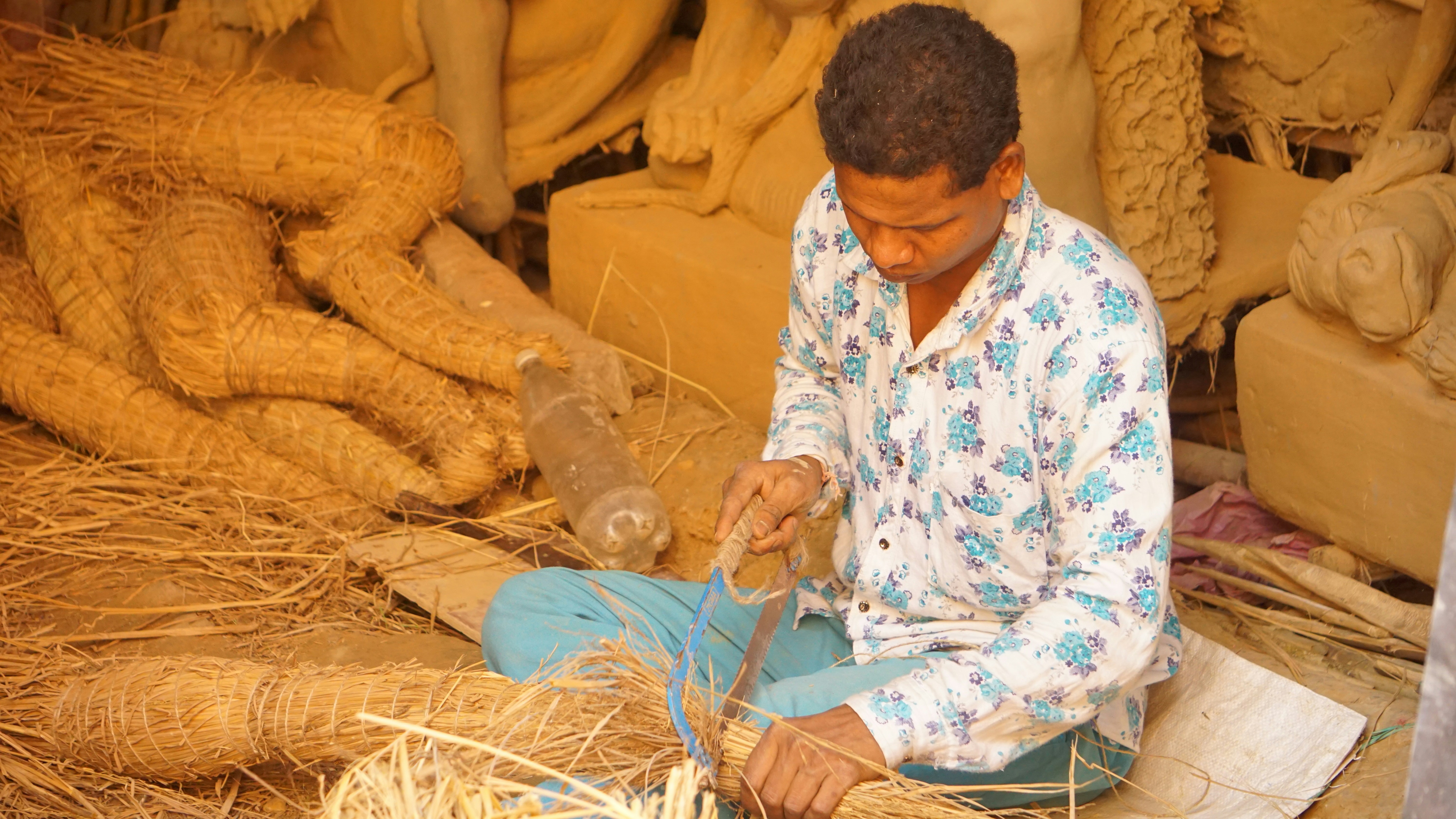
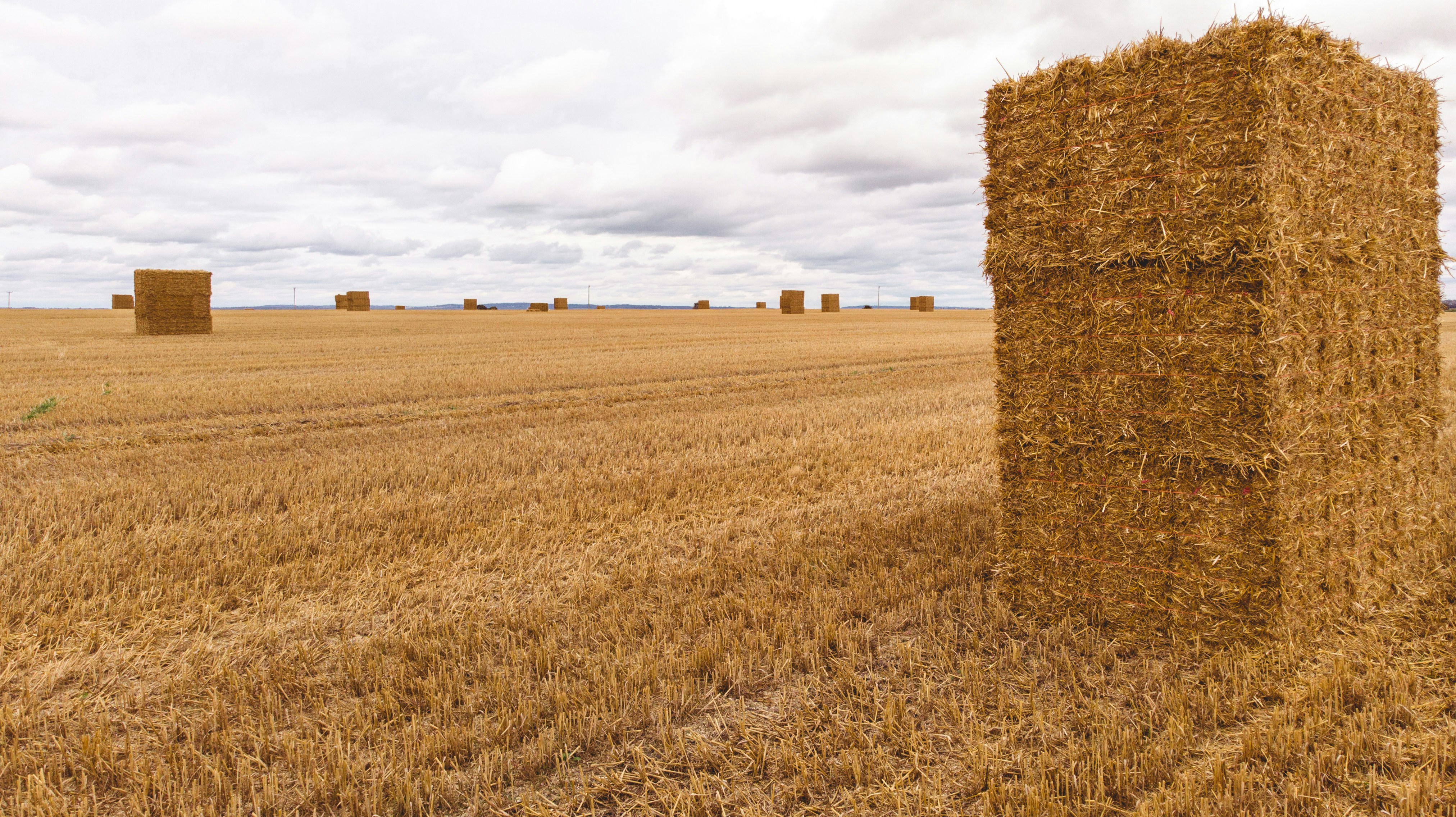
At its core, wheat straw is simply the stalk of the wheat plant that remains after the grain is harvested for food production, such as making flour and pasta. For centuries, this agricultural byproduct was often considered waste. Farmers were left with massive quantities of it, and the common disposal methods were either burning it—releasing carbon dioxide into the atmosphere—or leaving it to rot. However, innovators recognized the incredible potential locked within these fibrous stalks.
The primary components of wheat straw are cellulose (around 35-45%), hemicellulose (20-30%), and lignin (15-20%). Lignin is a complex natural polymer that gives plants their rigidity and structural integrity, essentially acting as the glue that holds the cellulose fibers together. It is this robust natural composition that makes wheat straw an ideal candidate for creating durable, long-lasting materials. By repurposing this "waste," we not only prevent pollution from burning but also create a valuable, sustainable resource from something that requires no extra land, water, or energy to produce.
From Harvest to Home: The Sustainable Journey of a Wheat Straw Eco-Friendly Cutting Board
The transformation from a humble wheat stalk into a durable, stylish cutting board is a fascinating example of green engineering. The process is designed to be as low-impact as possible, turning agricultural waste into a high-value kitchen essential. Brands committed to sustainability, like Chopaid, prioritize an eco-conscious manufacturing journey from start to finish.
Here is a simplified look at the typical lifecycle:
- Collection and Cleaning: After the wheat harvest, the leftover stalks are collected from the fields. They are then thoroughly cleaned to remove any dirt, dust, and residual grain particles.
- Pulping and Fiberization: The clean straw is mechanically processed—chopped and ground into a fine powder or pulp. This process breaks down the raw straw to get to its core components: the strong cellulose and lignin fibers.
- Blending with a Binder: This is a critical step. The wheat straw fibers are blended with a food-safe binder. In many cases, this is a polymer like food-grade polypropylene (PP), which is known for being non-toxic and durable. This composite approach—combining natural fibers with a stabilizing agent—is what gives the final product its remarkable strength and non-porous quality. The goal is to use as much plant fiber as possible to reduce the overall plastic content.
- Molding and Pressing: The blended composite material is then placed into a mold in the shape of a cutting board. Using immense heat and pressure, the material is pressed and cured. This high-temperature compression process fuses the materials together, creating a solid, dense, and incredibly sturdy board.
- Finishing: Once cooled and removed from the mold, the board is trimmed, and the edges are smoothed. Features like juice grooves, non-slip feet, and hanging holes are often incorporated at this stage.
This entire process takes a byproduct that would have polluted the air through burning and transforms it into a long-lasting, safe, and sustainable product for your home.
Why Choose Eco-Friendly? The Environmental Benefits of Wheat Straw Eco-Friendly Cutting Boards Over Traditional Materials
The "why" behind choosing a wheat straw cutting board becomes crystal clear when you compare it to its traditional counterparts: plastic and wood. It’s not just about having a new type of kitchen gadget; it's about making a conscious choice that has a real, positive impact on the environment.
Let's break down the environmental benefits side-by-side:
| Feature | Wheat Straw Cutting Board | Plastic Cutting Board | Wooden Cutting Board |
|---|---|---|---|
| Material Source | Renewable agricultural byproduct. Utilizes waste material, requiring no new farming. | Petroleum-based (fossil fuels). A finite, non-renewable resource. | Trees. A renewable resource, but can contribute to deforestation if not sustainably sourced (look for FSC certification). |
| Carbon Footprint | Lower. Production has a smaller carbon footprint than plastic. Repurposing stalks prevents CO2 release from burning. | High. The extraction and processing of petroleum are energy-intensive and release significant greenhouse gases. | Varies. Can be low if sourced locally and responsibly, but processing and transportation add to its footprint. |
| Waste Reduction | High. Turns millions of tons of agricultural waste into useful products, supporting a circular economy. | Low. Contributes to plastic waste, which is a major global pollution problem. | Medium. Wood is a primary material, not a waste byproduct. |
| Biodegradability | Varies. The wheat straw fibers are biodegradable. The final board's compostability depends on the binder used. Many are compostable in industrial facilities. | No. Does not biodegrade. It breaks down into harmful microplastics that persist in the environment for centuries. | Yes. Fully biodegradable and can be composted. |
| Pollution | Low. Reduces air pollution by preventing crop burning. | High. Contributes to plastic pollution in oceans and landfills. Sheds microplastics into food and water systems. | Low. As a natural material, it does not cause plastic pollution. |
Choosing a wheat straw board is a vote for a more sustainable system. It reduces our reliance on fossil fuels, gives a second life to agricultural waste, helps curb deforestation, and provides an end-of-life solution that is far more responsible than plastic. It's a small change in the kitchen that contributes to a much larger, positive environmental shift.
The Unmatched Durability of Wheat Straw Eco-Friendly Cutting Boards
When people hear "wheat straw," they might imagine something flimsy or delicate. However, the reality is quite the opposite. Thanks to modern manufacturing processes, wheat straw composite materials are engineered for incredible toughness and longevity. These cutting boards are not just an eco-friendly statement; they are a durable, high-performance tool designed to be a workhorse in any busy kitchen.
Built to Last: How Wheat Straw Eco-Friendly Cutting Boards Stand Up to Daily Use
The impressive durability of a wheat straw cutting board comes from its unique composite structure. The process begins by taking the naturally strong lignin and cellulose fibers from wheat stalks and combining them with a food-safe binder. This mixture is then subjected to extreme heat and pressure, which molds it into a solid, dense, and non-porous sheet.
This high-compression manufacturing results in a material that is inherently resistant to many of the common failures seen in other cutting boards:
- Resistance to Warping: Unlike solid wood boards that can warp or bend when exposed to moisture and temperature changes, the composite nature of wheat straw boards makes them incredibly stable. They are less likely to deform, even with repeated washing.
- Prevents Cracking and Splitting: Wood boards can dry out and crack over time, especially if not oiled regularly. Plastic boards can become brittle and crack with age or under stress. High-quality wheat straw boards, being a homogenous composite, are far less prone to splitting or cracking under the pressure of daily chopping.
- Solid and Sturdy Feel: Despite often being lighter than a thick hardwood board, a well-made wheat straw board feels solid and secure on the countertop. This sturdiness is essential for both safety and effectiveness during food prep.
These boards are designed to handle the daily routine of slicing vegetables, dicing fruits, and preparing meals without showing premature signs of wear and tear.
Resilience in the Kitchen: Resisting Knives, Stains, and Odors
One of the most significant functional advantages of a wheat straw cutting board lies in its surface properties. The high-pressure manufacturing process creates a dense, essentially non-porous material that excels in the three areas where other boards often fail: knife marks, stains, and odors.
Resistance to Knife Scarring: While no cutting board is completely immune to knife marks, wheat straw composites are engineered to be remarkably resilient. They are hard enough to resist deep gouges from everyday chopping but have just enough "give" to be gentle on your knife's edge, preventing premature dulling better than ultra-hard surfaces like glass or stone. This means fewer deep grooves where food particles and bacteria can hide.
Stain Resistance: The non-porous surface is a major benefit when working with colorful foods. Unlike porous wooden boards that can absorb juices from beets, berries, or tomatoes, a wheat straw board will not. Spills and liquids sit on the surface, allowing them to be wiped away cleanly without leaving behind a permanent stain. This keeps your board looking fresh and new for much longer.
Odor Resistance: The same non-porous quality prevents the board from absorbing strong odors. Pungent ingredients like garlic, onions, and fish can leave their scent lingering in wooden boards for days. On a wheat straw board, these potent aromas are washed away with a simple cleaning, ensuring that the taste of your last meal doesn't transfer to your next one. This makes it an especially hygienic choice for all-purpose food prep.
Comparing Lifespan: How Do Wheat Straw Eco-Friendly Cutting Boards Stack Up Against Plastic or Wood?
When investing in a kitchen tool, longevity is always a key consideration. A cutting board's lifespan depends on its material, construction, and how it's cared for. Wheat straw cutting boards offer a compelling balance of durability and low maintenance that often outperforms traditional options, especially plastic.
Here is a general comparison of the expected lifespan with regular home use:
Plastic Cutting Boards: These are often the first to need replacing. They are soft and scar easily, creating deep grooves that are difficult to clean and can harbor dangerous bacteria. With daily use, plastic boards can become unsanitary and may need to be thrown out in as little as 1-2 years. Their tendency to shed microplastics also presents a long-term health concern.
Wheat Straw Eco-Friendly Cutting Boards: A quality wheat straw cutting board is designed for longevity and typically lasts between 2 to 5 years. Their dense, non-porous surface resists the deep scoring that plagues plastic boards, making them more hygienic over time. They don't require the special maintenance of wood, like oiling, and are less prone to cracking or warping. While not as long-lasting as a thick hardwood block, they offer a significantly better lifespan than plastic and provide a great balance of durability and convenience.
Wooden Cutting Boards: A high-quality hardwood cutting board (like maple or acacia) can be a long-term investment, potentially lasting 5 to 10 years or even longer. However, this extended lifespan is entirely dependent on meticulous care. They must be hand-washed, dried immediately, and oiled regularly to prevent them from drying out, cracking, splitting, or warping. If neglected, a wooden board can be ruined much faster than a wheat straw board. End-grain wood boards are more forgiving on knives and can "self-heal" from minor cuts but are also more expensive and absorbent if not properly maintained.
In summary, a wheat straw cutting board strikes an impressive balance. It offers a much longer and more hygienic life than a plastic board and provides robust, low-maintenance durability that rivals many wood boards without requiring the same level of upkeep. For the modern, busy kitchen, it represents a practical and long-lasting choice.
Why Every Kitchen Needs a Wheat Straw Eco-Friendly Cutting Board
Beyond the clear environmental and durability benefits, wheat straw cutting boards bring a host of practical advantages that make them a must-have in any modern kitchen. They are designed not just to be sustainable, but to be safer, more efficient, and more enjoyable to use for everyday cooking. From ensuring food safety to making cleanup a breeze, these boards are thoughtfully engineered for the home chef.
Safety First: Ensuring Food Safety and Non-Toxic Materials
When preparing food for yourself and your loved ones, safety is non-negotiable. This is an area where high-quality wheat straw cutting boards truly shine, offering peace of mind through both their material composition and physical properties.
Non-Toxic and BPA-Free: A primary concern with plastic kitchenware is the presence of harmful chemicals like Bisphenol A (BPA) and phthalates, which can leach into food and have been linked to various health issues. Reputable wheat straw cutting boards, like those from Chopaid, are manufactured to be BPA-free and are made with food-grade materials. This means you have a safe, non-toxic surface for every meal you prepare, without worrying about introducing unwanted chemicals.
Hygienic Non-Porous Surface: Food safety is also about preventing bacterial growth and cross-contamination. The dense, non-porous surface of a wheat straw cutting board is a major advantage here. Unlike wood, which is porous and can absorb liquids and bacteria, or heavily scratched plastic, which creates hiding spots for germs, a wheat straw board's solid surface is incredibly easy to clean. Bacteria, juices from raw meat, and other contaminants cannot penetrate the material. According to the USDA, nonporous surfaces are easier to clean than wood, which helps in preventing cross-contamination.
Minimizing Cross-Contamination: Because they are so easy to wash and sanitize thoroughly (many are even dishwasher-safe), wheat straw boards are excellent for maintaining a hygienic kitchen. The Academy of Nutrition and Dietetics recommends using separate cutting boards for raw meat and ready-to-eat foods to prevent cross-contamination. The affordability and easy maintenance of wheat straw boards make it practical to own multiple boards for different food types, further enhancing kitchen safety. After cutting raw meat, a thorough cleaning with hot, soapy water followed by a sanitizing solution ensures the board is safe for its next use.
By choosing a wheat straw cutting board, you are opting for a surface that is not only free from harmful additives but is also fundamentally more hygienic and easier to keep clean than many of its traditional counterparts.
Practical Perks: Lightweight, Non-Slip, and Knife-Friendly Surfaces
A tool is only as good as it is easy to use. Wheat straw cutting boards are designed with the user's experience in mind, incorporating several key features that make daily food prep safer, more comfortable, and more efficient.
Lightweight and Easy to Handle: Compared to heavy hardwood or stone cutting boards, wheat straw boards are remarkably lightweight. This makes them easy to move from a drawer to the counter, carry to the stove to add ingredients to a pot, and handle during washing. The reduced weight makes them accessible and manageable for everyone in the kitchen without sacrificing sturdiness.
Non-Slip for Enhanced Safety: A sliding cutting board is a major safety hazard. Many high-quality wheat straw boards, including those designed by Chopaid, are engineered with non-slip features. This often includes TPR (thermoplastic rubber) grips on the corners or edges that hold the board firmly to the countertop. This stability is crucial, as it prevents the board from shifting during chopping, allowing for more precise cuts and significantly reducing the risk of knife slips and injuries.
Knife-Friendly Surface: The longevity of your expensive kitchen knives depends heavily on the surface you cut on. Materials that are too hard, like glass, ceramic, or stone, will dull a blade in no time. Wheat straw composite boards are specifically designed to be knife-friendly. The surface is firm enough for a clean, decisive cut but has a slight "give" that helps preserve the sharp edge of your knives. This balance means you spend less time and money on sharpening, and your knives perform better for longer.
These practical benefits come together to create a cutting board that isn't just eco-friendly but is a joy to use.
Beyond the Kitchen: The Broader Impact of Choosing a Wheat Straw Eco-Friendly Cutting Board
The choice to bring a wheat straw cutting board into your home sends a ripple effect far beyond your kitchen counter. It's a statement of values and a vote for a more intelligent, sustainable approach to manufacturing and consumption. Each purchase contributes to a larger, positive movement.
Supporting the Circular Economy: The "take-make-waste" model of traditional manufacturing is unsustainable. By purchasing a product made from an agricultural byproduct, you are directly supporting a circular economy. This model aims to eliminate waste by turning byproducts into new, valuable resources. It keeps materials in use for as long as possible, reducing the need to extract virgin resources and minimizing landfill waste. In essence, you are supporting a smarter, more restorative system of production.
Driving Market Demand for Sustainable Products: Consumer choice holds immense power. When more people opt for eco-friendly products, it sends a clear and powerful signal to manufacturers and retailers. This demand encourages companies to invest further in sustainable innovation, develop greener products, and adopt more responsible practices. Your purchase is not just a single transaction; it is a vote that tells the industry you want more products that are good for both people and the planet.
Promoting a Healthier Planet: Every wheat straw board that replaces a plastic one is a small victory against plastic pollution. Every board made from agricultural waste helps reduce air pollution from crop burning and eases the strain on our forests. These individual choices, when made collectively, add up to a significant positive impact on our environment—cleaner air, cleaner oceans, and a reduction in greenhouse gas emissions.
By consciously choosing a wheat straw cutting board, you are doing more than just upgrading a kitchen tool. You are participating in a global movement toward a more sustainable and responsible future.
Maximizing the Lifespan of Your Wheat Straw Eco-Friendly Cutting Board
A high-quality wheat straw cutting board is built to be durable, but like any good kitchen tool, proper care will ensure it performs at its best and lasts for years to come. The good news is that maintenance is incredibly simple. By following a few easy steps and avoiding common mistakes, you can keep your board in excellent condition.
Simple Cleaning and Maintenance Tips for Your Wheat Straw Eco-Friendly Cutting Board
Keeping your wheat straw board clean and ready for action is remarkably simple. Unlike high-maintenance wood boards, there's no need for special oils or conditioners. Just follow these basic steps:
Daily Cleaning: Immediately after each use, it's best to wash your cutting board. Use warm, soapy water and a soft sponge or cloth to scrub both sides. Washing both sides helps prevent any uneven drying that could lead to warping over time. Rinse it thoroughly with clean water.
Dishwasher Safe (with caution): One of the biggest conveniences is that most high-quality wheat straw cutting boards are dishwasher-safe. For best results and to maximize lifespan, place it on the top rack and use a normal or eco cycle. It's wise to avoid the extremely high heat of a "sanitize" cycle, as prolonged exposure to intense heat can potentially weaken the board's composite structure over time.
Proper Drying: This is a crucial step for any cutting board. After washing, wipe the board with a clean towel and then let it air dry completely. Storing it upright in a dish rack or hanging it by its handle allows air to circulate around all sides, ensuring it dries evenly and preventing any moisture buildup. Never store it flat while still damp.
Removing Stains and Odors: For stubborn stains from foods like beets or turmeric, a simple paste of baking soda and water can work wonders. Apply the paste to the stain, let it sit for 10-15 minutes, then gently scrub and rinse. For strong odors from garlic or onions, rubbing the surface with half a lemon and a bit of salt before washing is a great natural deodorizer.
Dos and Don'ts: Avoiding Common Mistakes to Ensure Longevity
To ensure your wheat straw cutting board serves you well for years, keep this simple list of best practices in mind. Following these guidelines will prevent common damage and maintain the board's integrity.
The "Dos" - Best Practices for a Healthy Board
| Do | Why It Matters |
|---|---|
| Wash After Every Use | Prevents food residue from drying on, making cleaning easier and more hygienic. |
| Dry Thoroughly and Store Upright | Promotes even drying, which is the number one way to prevent warping and moisture damage. |
| Use Separate Boards | Use one board for raw meats and another for produce/bread to prevent cross-contamination. |
| Use the Right Cleaning Tools | A soft sponge or cloth with regular dish soap is all you need for effective daily cleaning. |
| Address Stains and Odors Promptly | Using natural cleaners like baking soda or lemon juice right away keeps your board looking and smelling fresh. |
The "Don'ts" - Common Mistakes to Avoid
| Don't | Why It Matters |
|---|---|
| Don't Let it Soak in Water | Prolonged soaking can cause any composite or wood-based board to swell, warp, or crack. Clean it and dry it. |
| Don't Use as a Trivet | Wheat straw boards are not designed to withstand the extreme, direct heat from a hot pot or pan, which can cause them to warp or melt. |
| Don't Put it in the Oven or Microwave | The material is not intended for cooking and will be damaged by the high temperatures in an oven or microwave. |
| Don't Use Harsh Abrasives | Steel wool or highly abrasive scrubbers can scratch and damage the surface, creating grooves where bacteria can hide. |
| Don't Ignore Deep Scratches | While resistant, deep grooves can eventually form with heavy use. If a board becomes deeply scored and hard to clean, it's time to replace it for safety. |
By following these simple rules, you'll find that your wheat straw cutting board is one of the most durable and hassle-free tools in your kitchen.
Responsible Disposal: What Happens When Your Wheat Straw Eco-Friendly Cutting Board Reaches the End?
A key part of sustainable product design is considering a product's entire lifecycle, including what happens when it's no longer usable. The disposal of a wheat straw cutting board is more complex than simply tossing it out, and the right method depends heavily on the board's specific composition.
The critical factor is the binder used to hold the wheat straw fibers together.
Composites with Polypropylene (PP) Binders: The majority of wheat straw cutting boards on the market use food-grade polypropylene (PP) as a binder. This is the same durable, non-toxic plastic used in many food containers like yogurt cups. While PP makes the board tough and dishwasher-safe, it is not biodegradable or compostable. Because the board is a mix of organic fiber and plastic, it cannot be recycled in most municipal programs, as facilities are not equipped to separate the two materials. Therefore, at the end of its life, a wheat straw-PP composite board should be disposed of in your regular household trash. While this is not a perfect zero-waste solution, it's important to remember that its production still significantly reduced the amount of virgin plastic created in the first place.
Composites with Biodegradable Binders (like PLA): A smaller, but growing, number of eco-friendly boards use a biodegradable polymer like Polylactic Acid (PLA) as the binder. PLA is a bioplastic derived from renewable resources like corn starch. If a cutting board is made with wheat straw and PLA, it is designed to be industrially compostable. This means it can break down into natural components, but only under the specific high-heat, high-moisture, and microorganism-rich conditions of an industrial or municipal composting facility. These facilities maintain thermophilic temperatures (typically 55-60°C or higher) that are necessary to break down durable bioplastics like PLA within a few months.
These boards will not break down in a backyard compost bin, which doesn't reach the required temperatures. Before attempting to compost a board, always check for specific certifications like "BPI Certified Compostable" or standard EN 13432, which confirm it meets the criteria for industrial composting. If you don't have access to a municipal composting service that accepts bioplastics, this type of board must also be disposed of in the trash.
Always check the manufacturer's instructions for the most accurate disposal information for your specific product.

Frequently Asked Questions (FAQs)
Here are answers to some of the most common questions people have about wheat straw cutting boards.
1. Are wheat straw cutting boards truly better and safer than plastic? In almost every aspect, yes. High-quality wheat straw cutting boards are significantly better than traditional plastic ones.
- Safety: They are made from food-grade, non-toxic materials and are BPA-free, unlike many cheap plastic boards that can leach chemicals. They are also non-porous and resist the deep grooves that can harbor bacteria in old plastic boards.
- Sustainability: They are made from a renewable byproduct, reducing the need for petroleum-based plastics and lowering the product's carbon footprint. While most are not backyard compostable, they represent a major step up from plastic, which never biodegrades and pollutes our planet for centuries.
2. Do wheat straw cutting boards dull knives? No, a well-made wheat straw cutting board is designed to be knife-friendly. The surface is created to be slightly softer than extremely hard materials like bamboo, glass, or stone. It has enough "give" to protect your knife's edge during chopping, which means your knives stay sharper for longer compared to using them on a harder surface. This makes it an excellent choice for daily food preparation with your favorite chef's knives.
3. Are wheat straw cutting boards 100% biodegradable? This depends entirely on the binder used in the manufacturing process.
- If the binder is a traditional plastic like polypropylene (PP), the board is not biodegradable. The plastic component will persist in the environment.
- If the binder is a biodegradable polymer like PLA, the board is considered biodegradable, but only in an industrial composting facility. It will not break down in a home compost bin or landfill in the same way. Always check the product's specifications for claims of compostability and relevant certifications.
4. Are they completely food-safe and hygienic? Yes. Their non-porous surface is one of their biggest safety advantages. This feature prevents the board from absorbing liquids, food particles, and bacteria from raw meat, fish, or other ingredients. This makes them exceptionally hygienic and easy to clean thoroughly after each use. A simple wash with soap and hot water, or a cycle in the dishwasher, is enough to keep the surface sanitized and safe for all types of food preparation.
5. How does a brand like Chopaid ensure its boards are eco-friendly? A responsible brand like Chopaid focuses on a holistic approach to sustainability. This includes:
- Material Sourcing: Prioritizing the use of wheat straw, an upcycled agricultural byproduct, to minimize waste and reduce the reliance on virgin materials like plastic or slow-growing hardwoods.
- Non-Toxic Composition: Ensuring all materials used, including any binders and colorants, are 100% food-grade, BPA-free, and non-toxic, safeguarding consumer health.
- Durable Design: Creating high-quality, durable products that are built to last. A longer lifespan means less frequent replacement, which is a cornerstone of sustainability.
- Transparent Communication: Being clear with customers about the product's composition and its end-of-life options, empowering consumers to make informed and responsible disposal choices.
By focusing on these principles, Chopaid delivers a product that is not only a high-performance kitchen tool but also a genuinely better choice for the environment.
6. Can I put a hot pot or pan on a wheat straw cutting board? No, you should not use your wheat straw cutting board as a trivet for hot pots or pans. The material is designed for cutting and food preparation, but it is not engineered to withstand high, direct heat. Placing a very hot object on the surface can cause it to warp, melt, or become permanently damaged. Always use a dedicated trivet made from cork, silicone, or metal for hot cookware.
Conclusion
In conclusion, choosing a wheat straw eco-friendly cutting board is far more than just buying a new kitchen tool; it's making a conscious and intelligent decision towards a more sustainable, safer, and efficient culinary lifestyle. These boards successfully debunk the myth that you have to choose between eco-friendliness and performance. They prove that you can have a product that is exceptionally durable, incredibly hygienic, and gentle on your knives, all while being made from a repurposed, renewable resource.
I truly believe that these innovative boards, like the excellent options offered by Chopaid, represent the future of responsible kitchenware. They offer impressive durability that stands up to the demands of a busy kitchen and embody a clear commitment to protecting our planet from plastic waste and unnecessary resource depletion. I wholeheartedly encourage you to consider making the switch. Experience the practical benefits for yourself, and take pride in knowing that a simple choice in your kitchen can contribute to a much larger, positive impact on the world.
Ready to make a change? Explore the benefits, share this article with friends and family, and let's make our kitchens greener, one cutting board at a time