White Plastic Cutting Boards Explained: The HDPE Advantage
As a culinary enthusiast who deeply values kitchen efficiency and safety, I understand that the foundation of any great meal prep is a reliable cutting board. It's the unsung hero of the kitchen, and choosing the right one can completely transform your cooking experience.
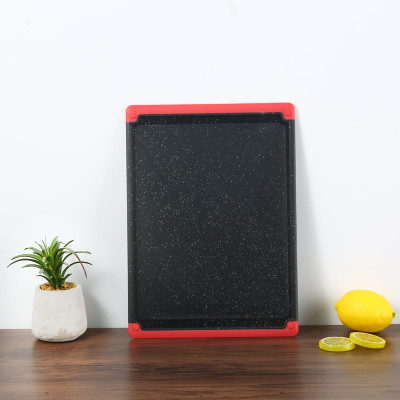
Today, we're diving deep into the world of white plastic cutting boards, with a special focus on those crafted from High-Density Polyethylene (HDPE). We will explore precisely why this robust material stands out as a true game-changer for both home and professional kitchens, and how it consistently outperforms many other common options on the market.
Why Our Chopaid White Plastic Cutting Boards Are a Cut Above: Understanding the HDPE Advantage
The secret behind a superior cutting board lies in its material science. For our white plastic cutting boards, that secret is High-Density Polyethylene (HDPE). This isn't just any plastic; it's an engineering-grade thermoplastic celebrated for its unique combination of strength, safety, and longevity. Let's break down what makes HDPE the champion of cutting board materials.
Unpacking HDPE: The Core of Durability
To truly appreciate why an HDPE cutting board is an indispensable kitchen asset, it’s essential to understand the material itself. Its inherent properties are what set it apart, providing a foundation of resilience and safety that other materials struggle to match.
What Exactly is High-Density Polyethylene?
High-Density Polyethylene, or HDPE, is a thermoplastic polymer derived from petroleum. It is created through the polymerization of ethylene monomers, resulting in long, linear polymer chains with minimal branching. This tightly packed, highly crystalline molecular structure is the key to its exceptional characteristics. Unlike its more flexible cousin, Low-Density Polyethylene (LDPE), HDPE's dense structure gives it greater strength, rigidity, and hardness. This material, identified by the #2 resin identification code, is one of the most versatile and widely used plastics, found in everything from milk jugs and corrosion-resistant piping to industrial containers and, most importantly for us, premium cutting boards. Furthermore, specific grades of HDPE are designated as food-safe by regulatory bodies like the U.S. Food and Drug Administration (FDA), meaning they are produced from virgin resin and approved additives, making them non-toxic and ideal for direct food contact.
Strength, Resilience, and More: Key Properties of HDPE That Matter
The molecular makeup of HDPE translates directly into tangible benefits for a cutting board. Its impressive strength-to-density ratio is a primary advantage; this means that despite being lightweight, it possesses remarkable tensile strength and durability. A 60-gram HDPE container, for instance, can safely carry over a gallon of liquid, a testament to its structural integrity. This ensures the board can withstand the repeated force of chopping, dicing, and cleaving without cracking, chipping, or warping.
HDPE also exhibits outstanding impact resistance, meaning it can absorb sudden shocks without fracturing, even in cold environments. Its toughness and resistance to wear make it a long-lasting choice, with some reports indicating a lifespan of 3-4 years even with frequent use in culinary settings. Additionally, HDPE is prized for its high melting point and ability to withstand higher temperatures (up to 120°C / 248°F for short periods), which contributes to its rigidity and stability during use and cleaning. These core properties—strength, impact resistance, and thermal stability—combine to create a cutting surface that is not only reliable but built to endure the rigors of any busy kitchen.
Tailored for the Modern Kitchen: How HDPE Benefits Your White Plastic Cutting Board
The advantages of HDPE extend far beyond simple toughness. Its unique characteristics are perfectly suited to the demands of a modern kitchen, where food safety, hygiene, and ease of use are paramount.
Beyond Basic: Chemical and Moisture Resistance for Ultimate Food Safety
One of the most critical advantages of an HDPE cutting board is its non-porous surface. Unlike wood, which can absorb liquids and harbor bacteria in its natural grain, HDPE has virtually zero moisture absorption. This characteristic is a cornerstone of food safety, as it creates an environment where bacteria, mold, and mildew cannot thrive. Studies and reports from bodies like the National Sanitation Foundation have indicated that HDPE has lower bacterial retention than wooden boards, making it a more hygienic choice for food preparation, especially for raw meat, poultry, and fish.
Furthermore, HDPE exhibits excellent chemical resistance. It is largely impervious to a wide range of common chemicals, including acids, bases, alcohols, and detergents. This means you can use strong cleaning and sanitizing agents, like diluted bleach solutions recommended by food safety authorities, without worrying about the material degrading, cracking, or leaching harmful substances. Its ability to withstand rigorous, high-temperature cleaning cycles, including being dishwasher safe, ensures that the board can be thoroughly sanitized, providing ultimate peace of mind.
Lightweight Yet Mighty: Easy Handling and Superior Impact Performance
Despite its incredible strength and rigidity, HDPE is a surprisingly lightweight material. This high strength-to-density ratio is a significant ergonomic benefit in the kitchen. A large cutting board made of a heavier material can be cumbersome to move, wash, and store. A lightweight HDPE board, however, is easy to handle, transport from countertop to sink, and maneuver during cleaning. This makes the entire food prep and cleanup process more efficient and less strenuous.
This lightweight nature does not come at the cost of durability. HDPE is renowned for its superior impact resistance. It is engineered to absorb the force of repeated knife strikes and heavy-duty chopping without chipping, splintering, or cracking. This resilience ensures that the board maintains a smooth, intact surface for longer, preventing the formation of deep grooves where bacteria could potentially hide. The combination of being both lightweight and exceptionally tough makes an HDPE cutting board a practical and powerful tool for any culinary task.
The Chopaid Edge: Advanced Features for Your White Plastic Cutting Board
While standard HDPE provides a fantastic foundation, we at Chopaid elevate this advantage through advanced engineering and thoughtful design. Our white plastic cutting boards are crafted not just to meet expectations but to exceed them, delivering enhanced dependability and fortified strength for even the most demanding kitchen environments.
Decades of Dependability: Enhanced Longevity and Unmatched Hygiene
A cutting board is an investment in your kitchen's future. We build our boards to last, focusing on features that extend their lifespan and ensure they remain a safe, hygienic surface for years of culinary exploration.
Resisting the Elements: Specialized UV Stability and Beyond
While standard HDPE is exceptionally durable, like many polymers, it can be susceptible to degradation from prolonged exposure to ultraviolet (UV) radiation. Unstabilized HDPE can become brittle and lose its structural integrity over time when exposed to direct sunlight. Recognizing this, our cutting boards are formulated with specialized UV stabilizers. These additives, such as Hindered Amine Light Stabilizers (HALS) or UV absorbers like carbon black, work by absorbing or dissipating harmful UV radiation. This process prevents the polymer chains from breaking down, ensuring the board retains its strength, color, and performance even with exposure to the elements, making them suitable for outdoor kitchens, patio prep areas, and marine applications.
A Clean Slate: Preventing Cracking, Rotting, and Bacterial Growth
One of the most significant advantages of HDPE over traditional materials like wood is its complete resistance to biological decay. HDPE does not rot, splinter, or delaminate. Its non-porous nature and hydrophobic properties mean it won't absorb water, which is a primary catalyst for rot and a breeding ground for bacteria. While some studies suggest wood has natural antimicrobial properties, this benefit is often negated as wood ages, develops cracks, and absorbs moisture, potentially trapping bacteria within its structure.
In contrast, HDPE provides a consistently solid, non-absorbent surface. Chopaid's boards are resistant to cracking under normal use, preventing the formation of deep fissures where dangerous microbes can hide. This makes them significantly easier to sanitize. Products certified by the National Sanitation Foundation (NSF) are tested to ensure they are non-absorbent and can withstand repeated washing without degrading. This level of hygiene is critical in preventing cross-contamination and foodborne illnesses, offering a clean slate for every meal you prepare.
Built for the Busiest Kitchens: Fortified Against Impact and Chemicals
Commercial and active home kitchens are demanding environments. They require tools that can withstand constant use, physical force, and rigorous cleaning. Our cutting boards are engineered specifically for this reality, fortified to handle everything from forceful chopping to harsh sanitizers.
Withstanding Every Chop: The Superior Impact Resistance of Our Boards
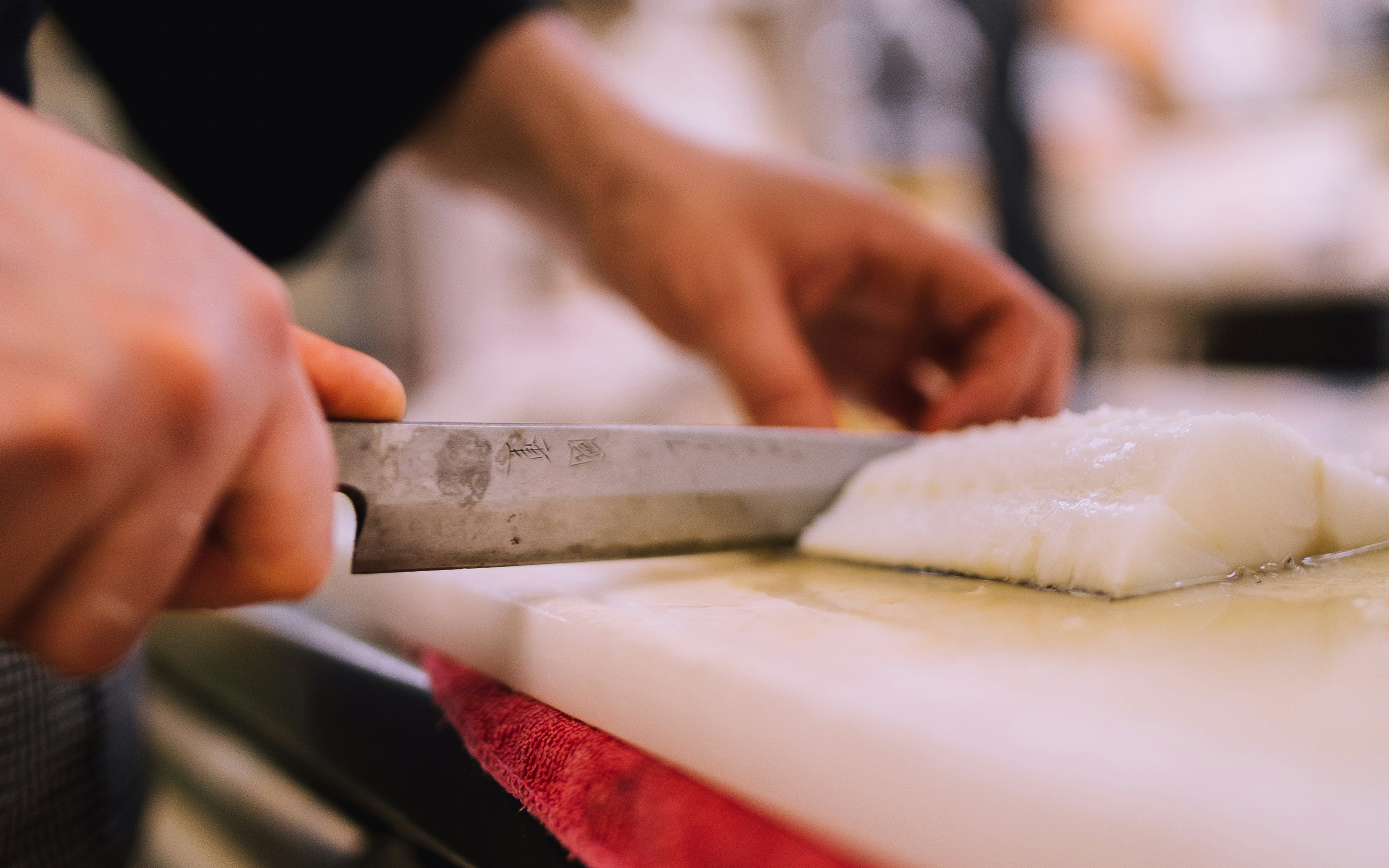
Commercial cutting boards are subjected to intense physical stress. From heavy cleavers portioning meat to the relentless rhythm of a chef's knife, the surface must endure constant impact. Our HDPE boards are engineered for exceptional impact strength. Unlike wood, which can split, or lower-grade plastics, which can crack and chip, our boards are designed to absorb these forces. The high-density composition provides a forgiving yet firm surface that resists deep scratches and gouges, which are notorious for trapping bacteria. This durability not only extends the life of the board but also helps maintain a smoother, more hygienic surface for longer.
Easy to Clean, Hard to Harm: Resilience Against Harsh Kitchen Chemicals
Hygiene in the kitchen is non-negotiable. Commercial kitchens rely on powerful sanitizers and high-temperature dishwashers to ensure compliance with health regulations. Our white HDPE plastic cutting boards are specifically built to withstand these rigorous cleaning protocols. HDPE is inherently resistant to most chemicals including acids, alcohols, bases, and detergents. This means you can use professional-strength cleaning agents without fear of the board degrading, discoloring, or becoming compromised. Many of our boards are NSF certified, confirming they meet strict standards for public health protection and are safe for high-temperature commercial dishwashers. This chemical and thermal stability ensure that your cutting board can be properly sanitized time after time, preventing the spread of foodborne illnesses.
Care and Craftsmanship: Getting the Most from Your Chopaid White Plastic Cutting Board
The superior quality of a Chopaid cutting board is a result of both advanced material science and meticulous craftsmanship. Understanding how to care for your board and how it's made will help you appreciate and maximize its exceptional performance and longevity.
Keeping It Clean: Effortless Maintenance for Lasting Hygiene
One of the most significant benefits of an HDPE cutting board is its low-maintenance nature. Unlike other materials that require special oils or delicate handling, keeping an HDPE board in pristine, hygienic condition is simple and straightforward.
Simple Steps for Daily Cleaning and Sanitization
Maintaining your HDPE cutting board couldn't be easier.
- Daily Washing: After each use, simply wash the board with hot, soapy water. Use a sponge or scrub brush to remove any food particles. A thorough rinse with hot water is usually sufficient for cleaning after prepping fruits and vegetables.
- Dishwasher Safe: One of the biggest advantages is that most high-quality HDPE boards are dishwasher safe. Placing your board in the dishwasher on a hot cycle is one of the most effective ways to clean and sanitize it, as the high temperatures (often above 140°F/60°C) are sufficient to kill most common foodborne pathogens.
- Sanitization: For an extra level of hygiene, especially after handling raw meat, poultry, or fish, you can easily sanitize the board. A common and effective method is to use a diluted bleach solution (typically one tablespoon of unscented bleach per gallon of water). Let the solution sit on the surface for a few minutes before rinsing thoroughly with clean water. Alternatively, you can use a white vinegar solution or a spray of 3% hydrogen peroxide. Let it sit for at least five minutes before washing and rinsing again.
- Stain Removal: For stubborn stains from foods like beets or turmeric, a paste made from baking soda, salt, and water can be used to scrub the surface. For deep-set stains, applying the paste and letting it sit may help lift the discoloration.
Why Our Boards Don't Need Special Treatments Like Wood
Wooden cutting boards, being porous, require significant maintenance to keep them safe and functional. They must be oiled regularly (often monthly) with food-grade mineral oil to prevent them from drying out, cracking, warping, or splitting. This oiling process creates a moisture barrier and helps to keep the wood supple. Wooden boards can absorb liquids and juices, which can lead to bacterial growth deep within the wood grain, and they should never be placed in a dishwasher as the intense heat and moisture can cause irreparable damage.
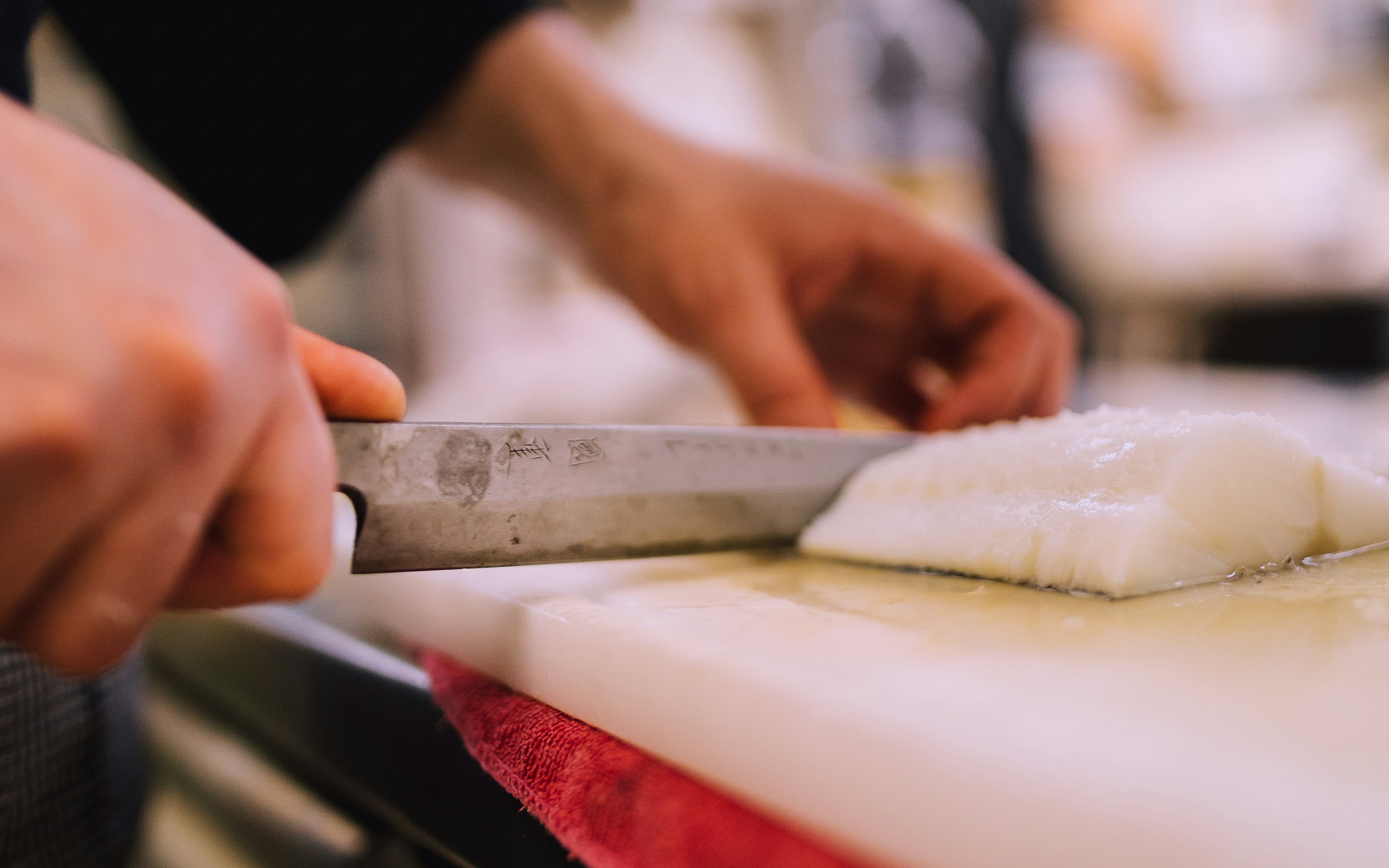
In stark contrast, our HDPE white plastic cutting boards are completely non-porous. They absorb virtually no moisture, which is why they don't require any oiling or special conditioning. This non-absorbent surface prevents bacteria from seeping in and makes cleaning and sanitizing far more effective. You can confidently use high-heat dishwashers and strong sanitizing solutions without fear of damaging the material. This effortless maintenance saves time and ensures a consistently hygienic prep surface without the extra work and worry associated with wood.
The Science of Sturdiness: How HDPE is Fabricated for Maximum Performance
The journey from raw HDPE resin to a premium cutting board involves precise manufacturing processes designed to maximize durability, hygiene, and performance. This is where craftsmanship meets science to create a tool you can rely on.
Precision Cutting and Shaping for Every Kitchen Need
The creation of a high-performance cutting board begins with manufacturing high-quality HDPE sheets. This is typically done through an extrusion process, where HDPE resin pellets are melted and pushed through a die to form a continuous, flat sheet. This method ensures a consistent thickness and a homogenous, dense structure free of voids or bubbles. For certain high-performance applications, compression molding may be used to create even denser sheets with superior mechanical strength.
Once the sheets are formed, they are cut into their final shapes using precision equipment. Computer Numerical Control (CNC) machining is often employed to achieve this. CNC routers use computer-guided cutting tools to execute precise cuts, allowing for the creation of various sizes, custom shapes, and features like juice grooves, collection pockets, or handles. This technology ensures that every board meets exact specifications with smooth, clean edges, providing a perfect, ready-to-use surface.
Designing for Durability: What Makes Our Boards So Tough
The toughness of an HDPE cutting board is not accidental; it is engineered. Several key factors contribute to its remarkable durability:
- Material Density: We use high-density polyethylene, which has a tightly packed molecular structure. This density is a primary contributor to its hardness, rigidity, and resistance to scratches and impacts.
- Optimal Thickness: The thickness of the board plays a crucial role in its durability and stability. A thicker board is more resistant to warping and provides a more stable cutting surface, especially for heavy-duty tasks like cleaving meat. A thickness of at least 1/2 inch to 1 inch is often recommended for heavy use.
- Elasticity and Hardness Balance: HDPE is formulated to have a "just right" balance of hardness and elasticity. It is hard enough to resist deep scoring but has enough flexibility to absorb the impact of a knife blade. This not only protects the board but is also gentler on knife edges compared to harder materials like glass or stone.
- Stress Relief: In some manufacturing processes, HDPE sheets may undergo an annealing process. This involves heating and then slowly cooling the material to relieve internal stresses, which enhances its dimensional stability and reduces the risk of cracking or warping over time.
Through this combination of superior material and thoughtful design, our cutting boards are built to be incredibly tough and reliable for any kitchen environment.
Making the Smart Choice: Why Our White Plastic Cutting Boards Outperform Alternatives
When selecting a cutting board, the market offers a wide array of materials, each with its own set of claims. However, when you stack them up against each other based on hygiene, durability, and overall performance, HDPE consistently proves to be the superior choice for discerning home cooks and professional chefs alike.
A Head-to-Head Comparison: HDPE vs. Other Common Cutting Board Materials
Let's cut to the chase and see how HDPE-based white plastic cutting boards compare directly with other popular options.
Why HDPE Beats Out Wood, Acrylic, and Lower-Grade Plastics
When placed side-by-side with other materials, the advantages of HDPE become crystal clear.
HDPE vs. Wood: The most significant battles are fought over hygiene and maintenance. While wood has a classic appeal and can be gentle on knives, its porous nature is a critical flaw. Wood can absorb liquids and bacteria, and it requires regular oiling to prevent cracking and warping. It is also not dishwasher safe. HDPE, being non-porous and dishwasher-safe, offers a far more hygienic and low-maintenance solution without the risk of splitting or rotting.
HDPE vs. Acrylic (PMMA): Acrylic cutting boards are known for their crystal-clear, glass-like appearance. However, this aesthetic comes at a functional cost. Acrylic is much harder and more brittle than HDPE. This hardness can severely dull knife edges quickly. Furthermore, acrylic lacks the impact resistance of HDPE, making it more prone to chipping or cracking if dropped or subjected to heavy chopping. While it is non-porous, its lack of durability and kindness to knives makes it a less practical choice for serious kitchen use.
HDPE vs. Lower-Grade Plastics (LDPE, PP): Not all plastics are created equal.
- Low-Density Polyethylene (LDPE): As the name suggests, LDPE is less dense, softer, and more flexible than HDPE. While this softness is gentle on knives, it also means LDPE boards are highly susceptible to deep scratches and gouges where bacteria can thrive. They are less durable and can warp easily under the heat of a dishwasher.
- Polypropylene (PP): PP is another common thermoplastic used for cutting boards. It is generally stiffer and has a higher melting point than HDPE, making it very dishwasher-safe. However, HDPE often exhibits superior impact resistance and durability, especially in thicker commercial-style boards. While both are considered food-safe and are vast improvements over wood, high-quality HDPE often provides a better balance of durability, knife-friendliness, and long-term performance.

Superior Durability and Safety: A Clear Winner for Every Kitchen
Ultimately, the choice of a cutting board material directly impacts the safety and efficiency of your kitchen. HDPE stands out by offering a superior combination of features:
- Durability: It resists impacts, chipping, and cracking, ensuring a long lifespan.
- Hygiene: Its non-porous surface is easy to clean, can be fully sanitized, and resists bacterial growth.
- Low Maintenance: It's dishwasher-safe and requires no special oils or treatments.
- Knife-Friendly: It provides a surface that is firm enough for stable cutting yet forgiving enough to preserve the sharpness of your knives better than harder materials.
For these reasons, food-grade HDPE plastic is recognized by bodies like the USDA and NSF as a premier material for food contact surfaces, making it a clear winner for any kitchen that prioritizes safety and performance.
The Economic and Eco-Friendly Benefits of Choosing Our White Plastic Cutting Boards
Beyond its superior performance in the kitchen, choosing a high-quality HDPE cutting board is also a smart decision for your wallet and the environment. It represents an investment in quality that pays dividends over time and aligns with sustainable practices.
Long-Term Savings: Investing in Quality That Lasts
While a high-quality HDPE cutting board may have a higher upfront cost than a cheap, flimsy plastic or bamboo board, it represents a far greater value over its lifespan. The principle of "buy once, cry once" applies perfectly here. Cheaper boards made from inferior materials wear out quickly; they warp, crack, stain, and develop deep, unhygienic grooves, necessitating frequent replacement. This cycle of buying and discarding disposable tools adds up financially and creates unnecessary waste.
Investing in a durable, well-made HDPE board means you get a tool that performs consistently for years. Its resistance to damage from knives, heat, and chemicals ensures it stays functional and safe much longer than its budget-friendly counterparts. This longevity translates directly into long-term savings, as you won't need to replace your cutting board every year.
A Sustainable Choice: The Recyclability of HDPE
In an era of growing environmental awareness, making sustainable choices in the kitchen is more important than ever. High-Density Polyethylene is a highly recyclable plastic, identified by the resin identification code #2. This symbol, typically found on the bottom of HDPE products, signals that it is one of the easiest and most common types of plastic to be recycled.
Recycled HDPE can be reprocessed into a wide variety of new products, including pipes, plastic lumber, outdoor furniture, and new containers. Choosing an HDPE cutting board supports a circular economy where materials are reused rather than sent to a landfill. While all plastics have an environmental footprint, the durability and high recyclability rate of HDPE make it a more responsible choice compared to less durable, non-recyclable plastics. By investing in a long-lasting and recyclable HDPE board, you are reducing waste and minimizing your kitchen's impact on the environment.
Key Takeaways
- What is HDPE? High-Density Polyethylene is a strong, rigid, and non-toxic thermoplastic polymer. Its dense, linear molecular structure gives it superior durability, impact resistance, and chemical resistance, making it ideal for cutting boards.
- Superior Hygiene: HDPE is non-porous, meaning it does not absorb moisture, odors, or bacteria. This makes it significantly easier to clean and sanitize than porous materials like wood, and many HDPE boards are NSF certified for professional food safety.
- Exceptional Durability: Thanks to its high strength-to-density ratio and impact resistance, HDPE withstands heavy chopping, resists cracking, and won't warp under normal kitchen conditions. This longevity makes it a cost-effective investment compared to less durable boards that require frequent replacement.
- Low Maintenance: Unlike wood, which requires regular oiling and cannot be put in the dishwasher, HDPE boards are maintenance-free. They are generally dishwasher-safe and hold up to strong cleaning agents without degrading.
- Performance Advantage: HDPE provides an excellent balance of being firm enough for a stable cutting surface yet forgiving enough to be gentle on knife edges, outperforming harder materials like acrylic or glass that dull blades quickly.
- Eco-Friendly Choice: HDPE is one of the most widely recycled plastics, identified by the #2 recycling code. Opting for a durable, long-lasting, and recyclable HDPE board is a more sustainable choice that reduces waste.
Frequently Asked Questions (FAQ)
Q: Are white plastic cutting boards truly safe for food preparation? A: Yes, when they are made from food-grade High-Density Polyethylene (HDPE). Virgin HDPE is approved by regulatory bodies like the FDA for direct food contact because it is chemically inert and does not leach harmful substances like BPA or phthalates. Its non-porous nature also prevents the growth of bacteria, making it a highly hygienic surface when cleaned properly.
Q: How does an HDPE cutting board compare to a wooden one for hygiene? A: While new wooden boards can exhibit some natural antimicrobial properties, they are porous and can absorb moisture and bacteria, especially as they age and develop knife scars. HDPE is non-porous, which prevents bacteria from penetrating the surface and makes it much easier to sanitize effectively with hot water, soap, or even a run through the dishwasher. For this reason, HDPE is often considered a more reliably hygienic option, particularly for preparing raw meat.
Q: Will an HDPE cutting board dull my knives? A: HDPE is considered a knife-friendly material. It is engineered to have a balance of hardness and "give," which provides a stable cutting surface while being softer than your knife's steel. This helps preserve the blade's edge longer than extremely hard surfaces like glass, stone, or even brittle acrylic. While any cutting will eventually affect a knife's sharpness, HDPE is one of the best plastic options for blade maintenance.
Q: Can I put my white plastic cutting board in the dishwasher? A: Most high-quality HDPE cutting boards are designed to be dishwasher-safe. They can withstand the high temperatures and strong detergents of a standard dishwasher cycle, which is one of the most effective ways to sanitize them. However, always check the manufacturer's recommendations, as very thin or low-quality plastic boards may warp.
Q: How often should I replace my HDPE cutting board? A: A high-quality HDPE cutting board is very durable and can last for several years with proper care. You should consider replacing it when the surface becomes excessively covered in deep grooves or "fuzzy" from knife cuts. These deep grooves can trap food particles and become difficult to clean properly, potentially harboring bacteria.
Q: Is HDPE an environmentally friendly choice? A: HDPE offers several environmental advantages. First, its durability means a longer lifespan and less frequent replacement, reducing overall waste. Second, HDPE is one of the most widely and easily recycled plastics in the world, marked with the #2 recycling code. This allows it to be repurposed into new products, supporting a circular economy and reducing the demand for virgin plastics.
From my perspective, when you choose a Chopaid white plastic cutting board, you're not just getting another kitchen tool; you're investing in a durable, hygienic, and long-lasting partner for all your culinary adventures. It’s a choice that reflects a commitment to both quality and safety in the heart of your home.
So, if you're looking to upgrade your kitchen with a cutting board that can truly stand the test of time, keep your food preparation safe, and offer unmatched performance, I confidently recommend embracing the exceptional advantages of HDPE. It's a simple switch that delivers profound benefits, allowing you to chop, slice, and dice with confidence for years to come.