Why HDPE Is the Best Material for Commercial Cutting Boards
Here is a short, powerful introduction tailored to the tone of your reference content and focused on your keywords:
You might already know that HDPE (High-Density Polyethylene) is the industry standard for commercial kitchens…
But do you know why professional chefs and health inspectors prefer it over wood or glass?
Choosing the right commercial cutting boards isn’t just about finding a flat surface for chopping. It’s about protecting your customers from cross-contamination and your bottom line from constant replacements.
As a manufacturer with nearly three decades in the industry, I’ve seen firsthand how the right material can make or break a kitchen's workflow.
In this post, you're going to learn exactly why HDPE dominates the market, from its knife-friendly surface to its unmatched sanitation properties.
Let's get straight to the facts.
The Science Behind High-Density Polyethylene (HDPE)
When outfitting a commercial kitchen, material choice dictates performance, safety, and longevity. We manufacture our commercial cutting boards using High-Density Polyethylene (HDPE) because its fundamental chemistry directly solves the daily pain points of heavy-duty food prep.
What Makes It 'High-Density'?
The durability of an HDPE cutting board comes down to its molecular structure. Unlike standard plastics, HDPE is built with linear polymer chains that have almost no branching. This allows the molecules to pack tightly together, creating a uniquely dense and rigid material.
Tightly Packed Molecules: Creates a tough, resilient surface engineered for commercial kitchen prep stations.
Deep-Gouge Resistance: Withstands the sharp edge of professional cutlery without compromising the board's structural integrity.
Exceptional Durability: Easily outlasts standard, lower-density plastics in high-volume environments.
Superior Strength-to-Weight Ratio
In a fast-paced restaurant environment, kitchenware must be exceptionally strong without being impossibly heavy. The unique High-Density Polyethylene properties deliver an unmatched strength-to-weight ratio.
Impact Resistance: Absorbs the shock of aggressive chopping and heavy meat carving without cracking or splitting.
Ergonomic Handling: Remains lightweight enough for kitchen staff to easily lift, maneuver, and transport to the dish pit for cleaning.
Warp Resistance: Maintains a perfectly flat, safe cutting surface even after repeated, intense use.
Hydrophobic Properties and Liquid Repellency
Food safety starts at the prep station. One of the greatest advantages of our food grade HDPE cutting boards is that they are inherently hydrophobic. They naturally and aggressively repel water, fats, oils, and acidic food juices.
Zero Liquid Absorption: Blood and juices from raw meats remain entirely on the surface, stopping deep-seated bacterial growth in its tracks.
Stain and Odor Defense: Blocks pungent liquids and pigments, preventing cross-contamination of flavors.
Rapid Sanitation: Because they are true non-porous cutting surfaces, liquids easily wash away, making sanitization between tasks fast and highly effective.
Top Reasons Commercial Kitchens Prefer HDPE Cutting Boards
As a dedicated manufacturer in the restaurant supply industry, we see firsthand why high-volume kitchens around the world rely heavily on this specific material. The daily demands of a commercial kitchen prep station are brutal, and operators need equipment that simply performs without constant replacement. There is a reason why food grade HDPE cutting boards remain the absolute standard for food service professionals.
Ultimate Hygiene and Non-Porous Surface
In any restaurant environment, preventing foodborne illness is the ultimate priority.
Zero Liquid Absorption: Unlike traditional wood, HDPE features a completely non-porous cutting surface. It actively repels water, oils, and raw meat juices, preventing them from seeping into the core of the board.
Superior Bacteria Blockage: Because liquids and organic matter cannot penetrate the surface, bacteria have nowhere to hide and multiply. This makes cross-contamination prevention much easier and ensures the boards wash completely clean after handling raw poultry or seafood.
Exceptional Heat and Chemical Resistance
Health codes in the United States demand rigorous, high-temperature sanitation protocols that can destroy lesser materials.
Commercial Dishwasher Safe: When you invest in a plastic cutting board for commercial kitchens, it must survive daily trips through commercial dishwashers. HDPE holds its shape without warping, cracking, or melting under intense water temperatures.
Heavy-Duty Chemical Tolerance: Commercial kitchens use industrial-grade bleach and quaternary sanitizers to maintain health standards. HDPE stands up to these harsh, repetitive chemical treatments without degrading, cracking, or becoming brittle over time.
A Knife-Friendly Prep Surface
Kitchen staff rely on razor-sharp cutlery to maintain prep speed, and the wrong chopping board will destroy a good blade edge in a matter of hours.
Optimal Density for Edge Retention: One of the most practical HDPE cutting board benefits is the material's impact resistance. It is engineered to be hard enough to resist deep, bacteria-trapping gouges, yet yielding enough to absorb the strike of a heavy chef’s knife.
Reduced Equipment Maintenance: A truly knife-friendly prep surface means kitchen staff spend less time honing blades and more time breaking down ingredients. Whether they are using small prep boards or heavy-duty meat carving boards, the material extends the working lifespan of expensive kitchen knives.
The Role of Color-Coding in Food Safety
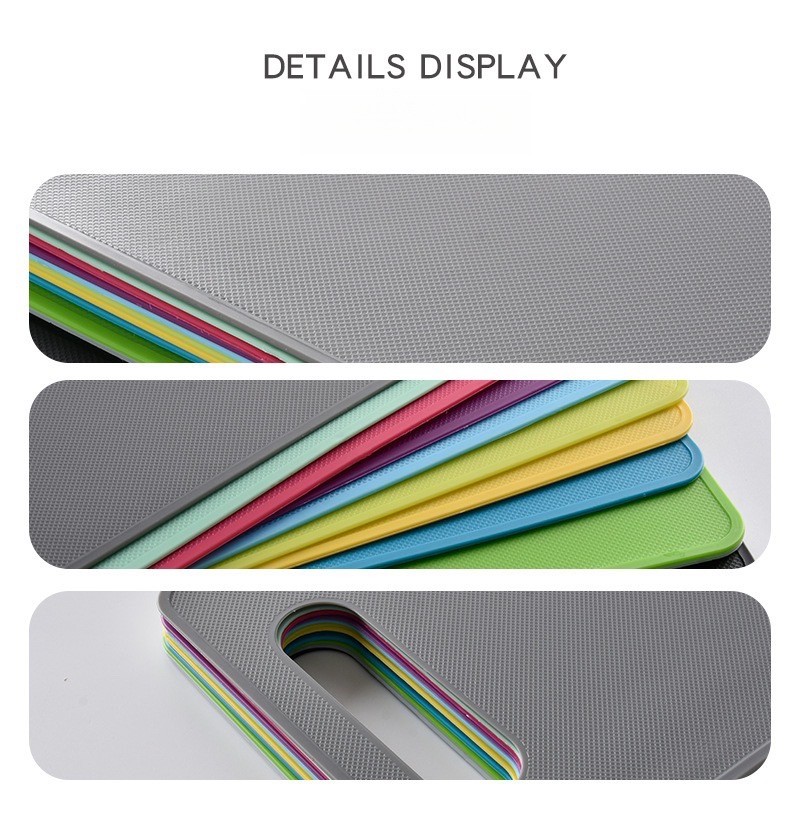
In any busy commercial kitchen, cross-contamination is the silent killer we are constantly fighting against. You can have the sharpest knives and the freshest ingredients, but if you prep raw chicken on the same surface as your salad greens, you are asking for a public health disaster. This is where HDPE cutting board materials shine. Unlike wood, which generally looks the same regardless of use, HDPE can be manufactured in vibrant, distinct colors that make safety protocols intuitive for your staff.
Universal Commercial Kitchen Color-Coding System
Most professional kitchens in the United States follow the HACCP (Hazard Analysis Critical Control Point) color-coding system. This isn't just about organization; it is a visual language that prevents dangerous bacteria transfer. Because food grade HDPE cutting board options are available in these specific industry-standard colors, they are the go-to choice for prep stations.
Here is the standard breakdown you will see in almost every compliant kitchen:
Red: Raw Red Meat (Beef, Pork, Lamb)
Yellow: Raw Poultry (Chicken, Turkey, Duck)
Blue: Raw Seafood and Shellfish
Green: Produce (Fruits and Vegetables)
White: Dairy and Bakery items
Brown: Cooked Meats
Purple: Allergen-free prep (Gluten-free, Nut-free)
Implementing the best plastic chopping board sets that adhere to these color standards eliminates the guesswork for line cooks rushing through a dinner service.
Compliance with Health Codes and Allergen Prevention
Health inspectors aren't just looking for cleanliness; they are looking for systems that reduce risk. Using a commercial cutting boards system based on color coding demonstrates to the health department that you are proactive about safety.
Beyond bacteria, allergen control is a massive concern in modern food service. A dedicated purple plastic cutting board for commercial kitchens is the industry signal for "Allergen-Free." Because HDPE is non-porous, it doesn't trap peanut oils or gluten proteins deep in the grain like wood might. When you combine the non-porous nature of the material with a strict color-coding system, you significantly lower the liability risks associated with severe allergic reactions.
HDPE vs. Other Commercial Board Materials
As a custom cutting board manufacturer, we see exactly what works in busy American restaurant kitchens and what fails. While different materials have their place, food grade plastic cutting boards made from HDPE consistently outperform the rest on the prep line.
Comparison: HDPE vs. Wood, Glass, and LDPE
Here is a quick breakdown of how an HDPE cutting board compares to other common materials used in food prep:
| Material | Durability | Maintenance | Best Use Case |
HDPE | Excellent | Very Low | Heavy-duty commercial kitchen prep stations. |
| Wood | High | High | Presentation or specialty carving (like elegant Ebony Wood Cutting Boards). |
| Glass | Brittle | Low | Light home use only; shatters and ruins knives. |
| LDPE | Low | Low | Cheap, temporary setups. Warps and scores easily. |
Porosity and Knife Dulling Analysis
In a commercial kitchen, maintaining non-porous cutting surfaces is non-negotiable for stopping cross-contamination. Unlike wood, which can absorb meat juices if not properly oiled, or LDPE, which scores too easily and traps food particles, HDPE blocks out moisture completely.
More importantly, HDPE provides a truly knife-friendly prep surface. Glass instantly rolls a blade's edge. HDPE yields just enough to protect your expensive chef's knives from premature dulling, while remaining tough enough to resist deep, bacteria-harboring gouges.
Dishwasher Safety and Cost Effectiveness
At the end of a busy dinner rush, nobody has time for hand-washing. You need reliable, dishwasher safe commercial boards. HDPE can handle the boiling water and harsh sanitizers of industrial dishwashers without warping, melting, or cracking. Because they drastically outlast cheaper plastics and require zero oiling or maintenance compared to wood, HDPE commercial cutting boards deliver the absolute best return on investment for wholesale restaurant supplies.
Why Brands Choose Chopaid
When outfitting commercial kitchens across the United States, B2B buyers and restaurant owners rely on a proven Chopaid cutting board manufacturer. We don't just mass-produce a standard HDPE cutting board; we engineer heavy-duty prep surfaces that withstand the relentless pace of high-volume food service.
Advanced Antibacterial Technology
Food safety is non-negotiable in the global market. That is why we integrate advanced protective materials directly into our antibacterial plastic cutting boards.
Built-in Protection: Actively resists odor-causing bacteria, mold, and deep stains.
Health Code Compliant: Exceeds the rigorous sanitation standards required for commercial kitchen prep stations.
Lasting Defense: The antibacterial properties are molded in, meaning they will never wash away in commercial dishwashers.
Precision Injection Molding
Our manufacturing foundation is built on precision injection molding. This process guarantees that every food grade HDPE cutting board we produce is dense, perfectly flat, and free of structural weak points. This specialized molding expertise prevents warping and delivers a consistently knife-friendly prep surface that protects expensive commercial cutlery.
Custom OEM Kitchenware Manufacturing
We operate as a dedicated custom cutting board manufacturer, delivering scalable wholesale restaurant supplies tailored precisely to your brand's specifications.
| Customization Options | Details for Wholesalers & OEMs |
| Size & Thickness | Exact dimensions to fit specific prep tables, from small bar boards to heavy-duty meat carving boards. |
Functional Features | Add non-slip feet, custom handles, or source a specialized double-sided Chopaid cutting board equipped with integrated juice grooves. |
| HACCP Color-Coding | A full spectrum of vibrant colors designed specifically for strict cross-contamination prevention. |
| Material Sourcing | Direct access to top-tier durable PE and PP cutting boards wholesale to meet varying budget and performance requirements. |
By partnering with Chopaid, you secure all the top HDPE cutting board benefits backed by unmatched OEM support and reliable logistics for the global market. We manufacture the reliable commercial cutting boards that help build your brand's reputation.
FAQs About Commercial HDPE Boards
We field a lot of questions about why we rely on this specific material for our commercial cutting boards. Here are the most common questions we hear from restaurant owners, chefs, and wholesale buyers around the world.
Is HDPE FDA Approved for Food Contact?
Yes. The unique High-Density Polyethylene properties make it 100% safe for direct food contact. Our food grade plastic cutting boards meet strict FDA guidelines and are the standard for busy commercial kitchen prep stations. Because the material is non-porous, it blocks moisture, resists odors, and is essential for strict cross-contamination prevention.
Can HDPE Boards Go in a Commercial Dishwasher?
Absolutely. Our HDPE boards easily withstand the extreme heat and heavy-duty sanitizers used in industrial restaurant dishwashers without warping, melting, or degrading. Because we control the entire process as your custom cutting board manufacturer, we ensure every board is built for high-volume, continuous use. If you are outfitting an entire restaurant group or distributing wholesale restaurant supplies, you can easily check our wholesale ordering and lead time details to keep your supply chain moving.
Does HDPE Dull Knives Faster Than Wood?
No. While wood is a classic choice, an HDPE cutting board actually provides a highly knife-friendly prep surface.
Optimal Give: The plastic features just enough surface "give" to catch the blade without rolling or prematurely dulling the fine edge.
Heavy-Duty Use: Whether you are doing precision vegetable dicing or using them as heavy-duty meat carving boards, the material absorbs the impact.
HDPE protects your expensive commercial cutlery while still offering a tough, non-porous cutting surface that outlasts cheaper alternatives.
If you have any interested in any product, please feel free to contact sales@chopaid.com at any time